Sui Foundation buys DATA Network in $30M robotics data deal
The transaction values the startup at 300 billion won and makes the foundation the primary institutional owner of sensor registries used to train physical autonomous robots.

Sui Foundation deployed $30 million on Nov. 11 to acquire DATA Network, absorbing the artificial intelligence data infrastructure startup founded by Seung-yoon Lee to secure real-world training sets for autonomous robots.
The strategic investment values DATA Foundation at approximately 300 billion won ($224 million). The transaction makes Sui Foundation the largest institutional holder of the data provenance protocol, surpassing founders PIP Labs and DATA Foundation.
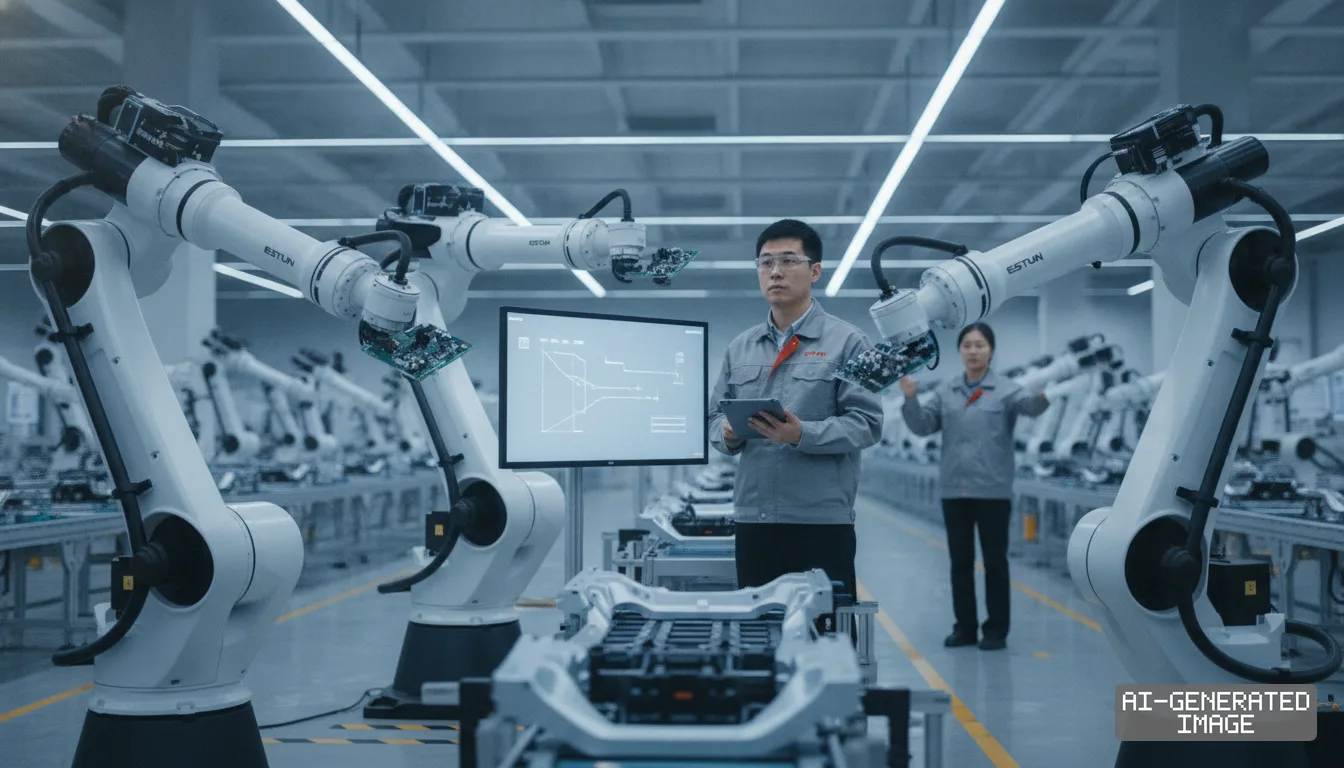
The capital injection funds the aggregation of physical AI training datasets. Humanoid robots and automated systems require verified sensor records of human actions rather than scraped digital text to master physical movement in industrial environments.
The transaction transfers the Trace registry directly onto the Sui blockchain stack. Trace has logged more than 250 million verified data contributions since launching in June 2026, processing an average of 3 million daily receipts.
Trace functions as an onchain ledger documenting data origin and usage rights. Smart contracts verify ownership chains before machine learning labs ingest sensor sequences, preventing copyright infringement in commercial robot control models.
The system automates licensing and royalty payments to human contributors. Machine vision logs, audio snippets and tactile trajectories trigger micro-settlements whenever autonomous system builders query specific physical datasets stored across the network.
Walrus, a decentralized data storage network built on Sui, becomes the primary storage tier. Walrus holds high-bandwidth video logs, industrial black-box files and spatial navigation recordings under cryptographic access controls.
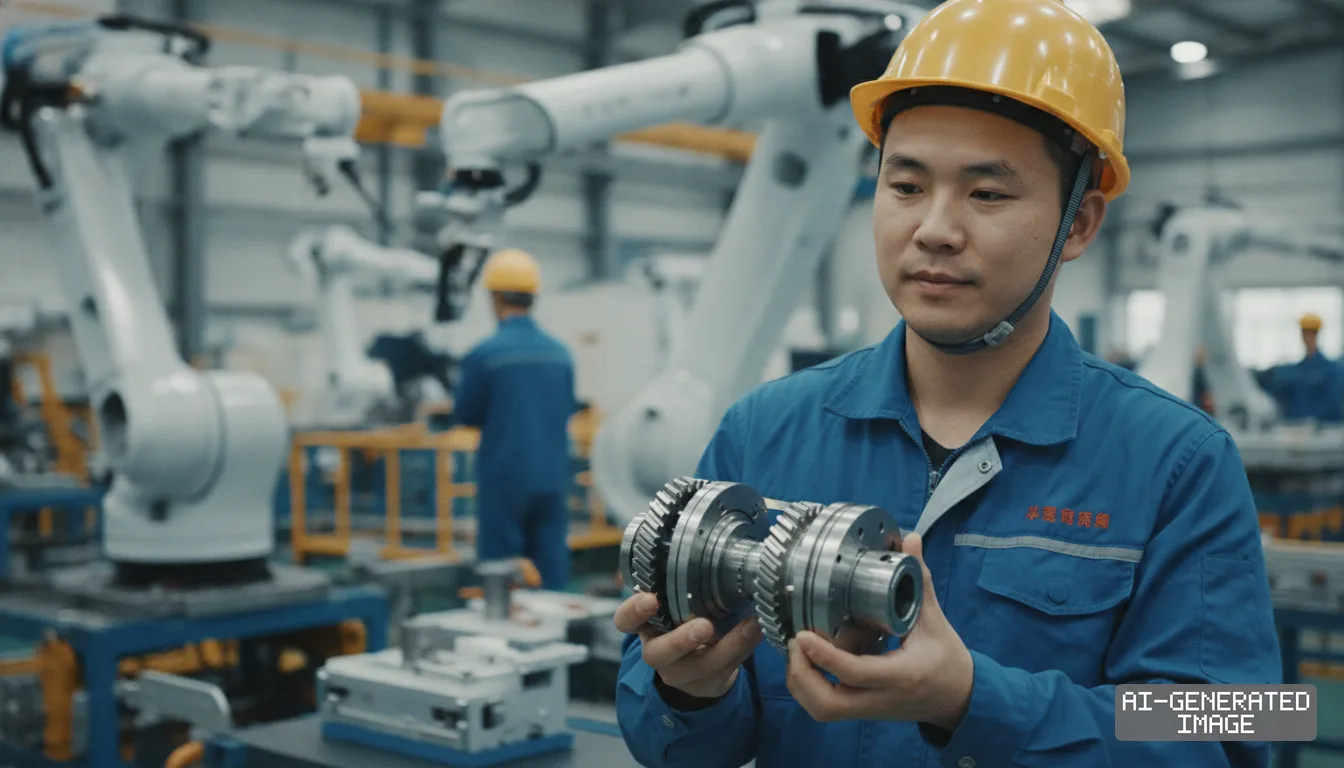
Data integrity proofs anchor directly to Sui consensus records. Model builders can verify that training clips of factory technicians diagnosing machinery match original raw recordings before feeding them into neural network weights.
DATA Network will decommission its standalone layer-1 blockchain following protocol migration. The development team previously created intellectual property management protocols under the name Story before focusing entirely on AI training data logistics.
Existing network tokens will migrate to native Sui assets on a one-to-one ratio. Locked allocations, vesting schedules and governance rights will transfer without altering overall token issuance, the foundations announced.
Lee previously co-founded serialized fiction platform Radish, which South Korean media operator Kakao Entertainment acquired in 2021 for approximately 500 billion won ($375 million). Lee stepped down from DATA Foundation management in June 2026.
Lee now chairs the board and acts as chief strategy officer at Poseidon, an affiliate of original developer PIP Labs. Poseidon focuses on capturing physical behavioral data to train robotic manipulation systems.
Poseidon gathers driving telemetry, commercial dashcam feeds and skilled industrial labor movements. The venture aims to turn everyday human locomotion and precision hand maneuvers into licensed inputs for autonomous systems.
Physical artificial intelligence faces acute data bottlenecks as internet text crawling reaches practical limits. Humanoid robotics developers cannot scrape kinetic intuition, requiring physical recordings of balance, grasping and spatial orientation under varied conditions.
The artificial intelligence industry has already read the public internet, Mysten Labs Chief Product Officer Adeniyi Abiodun said. Developers must now capture human real-world activities through consent-driven architectures to support next-generation models.
Regulatory shifts in major consumer markets accelerate the transition toward traceable datasets. The European Union AI Act requires commercial developers to disclose detailed summaries of copyrighted materials used in foundation model training.
Unverified training datasets expose robotics manufacturers to intellectual property litigation and export restrictions. Major enterprise purchasers increasingly mandate full provenance documentation before deploying autonomous guided vehicles and humanoid arms inside active factories.
Sui Foundation expands its enterprise footprint through the acquisition. Mysten Labs, founded by former executives of Meta Platforms' digital currency unit, maintains an estimated enterprise valuation of roughly 17 trillion won ($12.7 billion).
The combined protocol establishes an end-to-end supply chain for embodied AI training assets. Centralizing storage, access management, ownership tracking and royalty settlements allows roboticists to purchase verified multi-modal streams through unified cryptographic channels.
Robotics firms developing general-purpose humanoids require millions of hours of dexterous manipulation data. Capturing expert mechanic repairs, kitchen prep workflows and warehouse sorting routines provides the foundation weights needed for autonomous labor.
The published agreements do not disclose the proportion of cash versus token holdings within the $30 million valuation, and the organizations have not released the final shutdown schedule for the standalone chain.
The foundations scheduled the publication of a comprehensive migration roadmap and tokenholder conversion timeline ahead of the protocol upgrade, with full network transition slated to finish before the end of the first quarter.
Impact map
How this development propagates across the region and out to global buyers.
| Event | Korea | China | Japan | Global impact |
|---|---|---|---|---|
| physical AI data integration | Poseidon scales real-world motion data capture under chairman SY Lee | no direct exposure, domestic robotics firms rely on captive manufacturing telemetry | humanoid developers gain an audited provenance channel for export compliance | AI training data supply chain consolidates onchain provenance with decentralized storage |
In this story
- Companies
- Sui FoundationDATA FoundationPIP LabsPoseidon
- Exposed
- Mysten LabsKakao Entertainment
- Policy
- Standards
- Impact
- Supply ChainComplianceCost Structure
Track every Standards development →
Related briefings
- Pentagon presses shipyards to purge Chinese rare earths before 2027 Also on Standards, Compliance, Cost Structure
- CATL and IM Motors deploy active battery fire safety systems Also on Standards, Compliance, Cost Structure
- Indonesia nickel probe ties carmakers to deforestation in Sulawesi Also on Standards, Compliance, Cost Structure
- Boston Dynamics faces US supply curb on Chinese robot parts Also on Standards, Compliance, Cost Structure
Sources
Reporting
Confidence: medium — how we grade this
The documents behind this briefing are linked above. East Asia Brief produces its English text with AI assistance under human editorial review, and does not translate or republish other outlets' articles. See our methodology and AI policy. Spotted an error? Tell us.
The Morning Brief
What changed in Korean, Chinese and Japanese industry overnight — and what it means for your supply chain. One email, weekday mornings, US time. Free.
The Morning Brief is in preparation. Leave your address and we will write to you once — when the first issue is ready. Nothing before that.