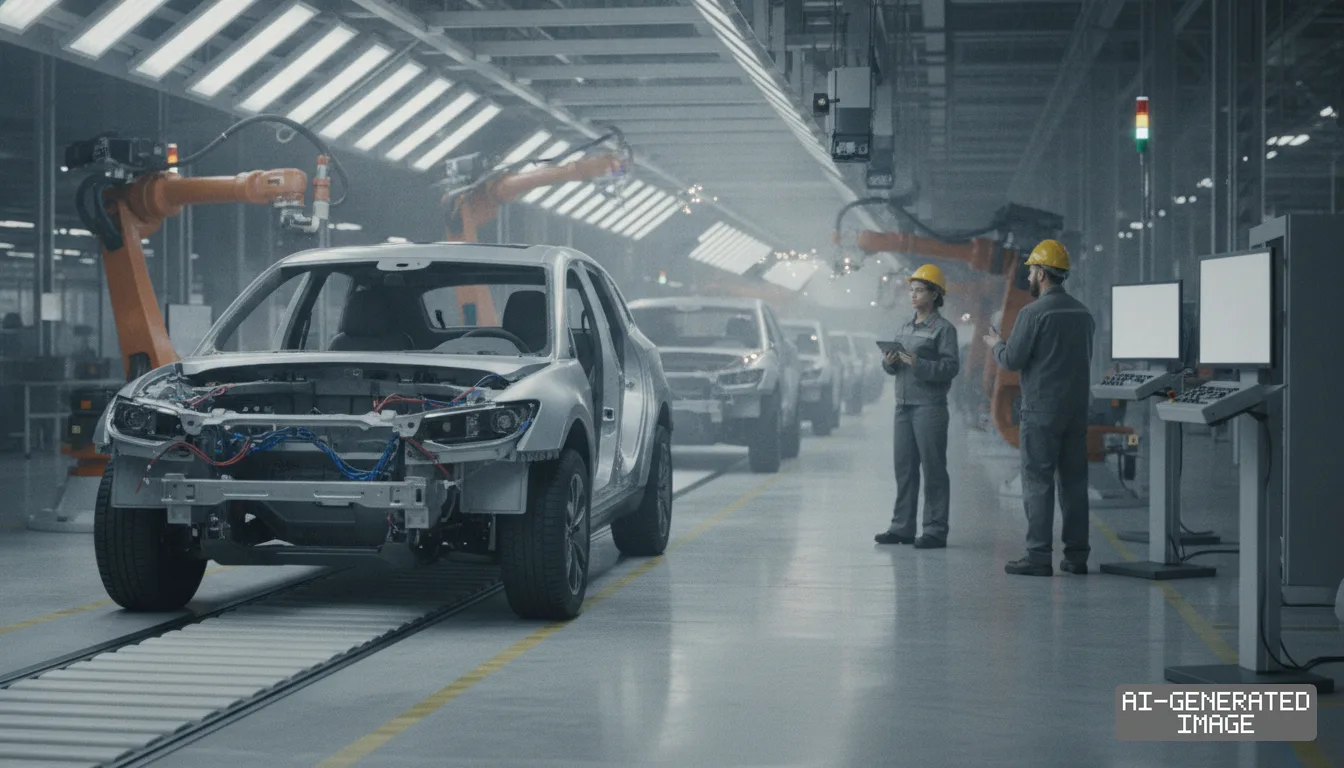
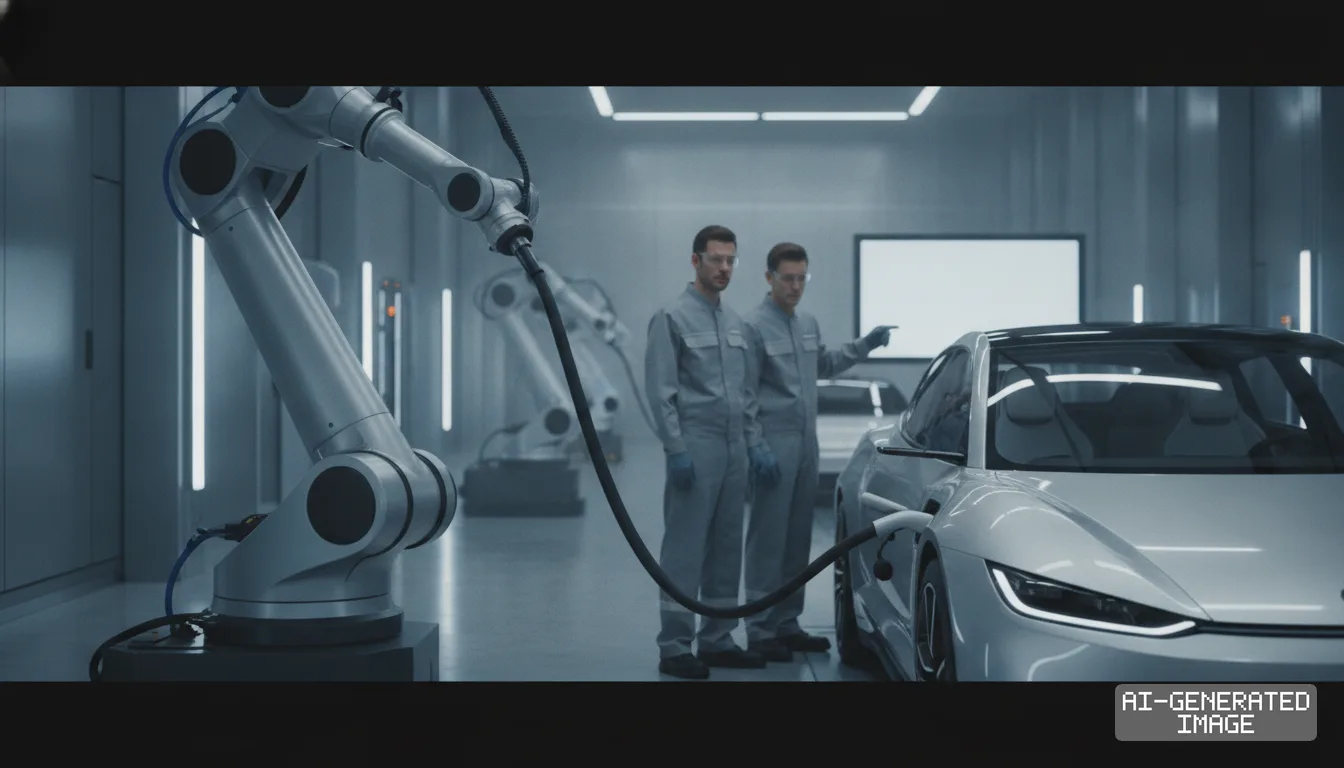
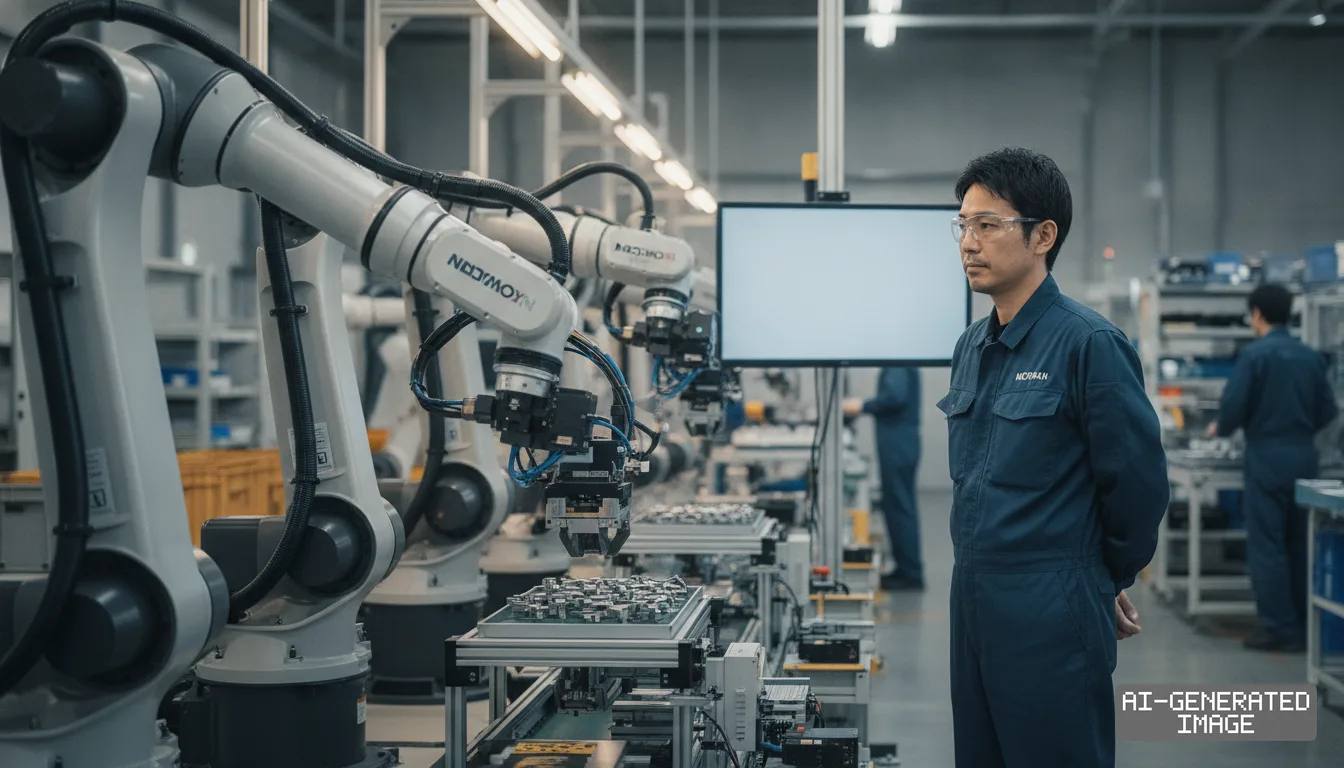
KTL launches virtual validation beds for packaging robot parts
The five-year evaluation framework deploys 11 robotic test facilities to verify end-effectors and motion controllers before factory floor assembly begins.
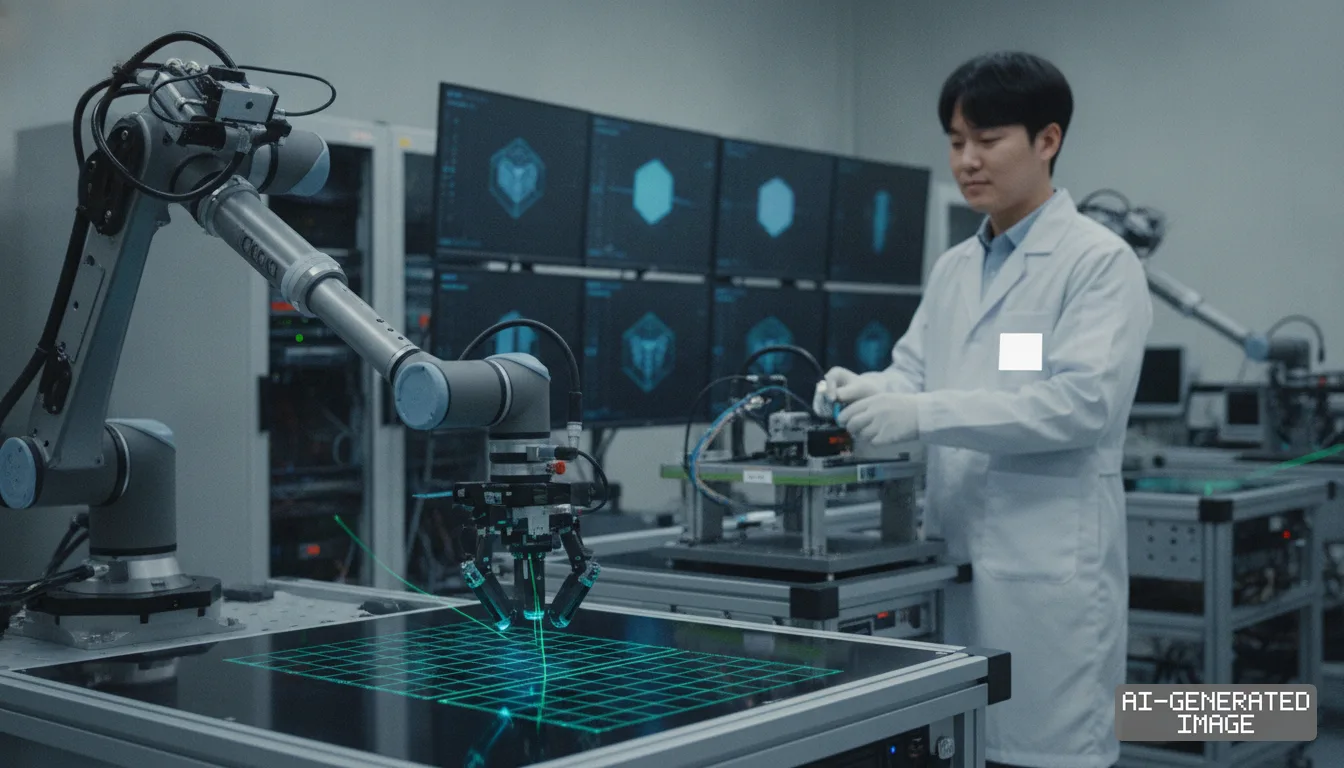
Korea Testing Laboratory expanded its automation verification initiative on Nov. 11, 2026, advancing simulation test beds to validate robotic end-effectors and motion components before physical factory assembly.
The initiative targets an automation machinery sector where hardware rework creates prolonged production bottlenecks. RobotWorld 2026 drew 402 exhibiting companies across 1,198 booths, underscoring rising demand for pre-assembly component testing.
Korea Testing Laboratory previously established 11 dedicated testing facilities for collaborative robots between 2021 and 2025. The agency is deploying those assets into a five-year evaluation program covering robotic sub-assemblies through 2030.
Packaging machinery relies on rapid pick-and-place cycles where delta robots and high-speed linear arms operate continuously. Minor mechanical misalignments in reducers or grippers cause severe vibration during high-speed sorting.
Machine builders traditionally discovered kinematic errors only after assembling full mechanical frames. Correcting machining errors or swapping mismatched gearboxes at that stage added weeks to factory delivery schedules, engineers said.
Virtual test beds simulate dynamic torque loads, kinematic paths and controller response times in software. Engineers feed digital computer-aided design models into physics engines to test components under simulated production speeds.
Innosimulation launched its INNO ALPS physical artificial intelligence platform on Nov. 5, integrating the MOTORCORTEX real-time core developed by Dutch specialist Vectioneer. The system runs kinematics models before machining begins.
Innosimulation reported 8.13 billion won ($5.9 million) in cumulative supply contracts through Oct. 12, 2026, up 21.3% from a year earlier. The company is directing its simulation stack toward industrial packaging robots.
Integrating real-time motion control platforms allows developers to execute code against virtual physics twins. Control algorithms adapt to inertia variations before engineers install servo drives into physical machine cabinets.
KUKA deployed its iiQWorks.Sim package alongside 3D simulation tools from subsidiary Visual Components to model packaging cells. The software pre-validates multi-axis delta arms and palletizing sequences without halting operational factory equipment.
Virtual test beds link programmable logic controllers directly to simulated sensor arrays via industrial Ethernet protocols. Emulating fieldbus communications allows software engineers to debug timing jitter before wiring machine panels.
End-effectors — the robotic grippers and vacuum cups handling packaged products — represent the primary mechanical failure point. Vacuum leakage and gripper slippage frequently disrupt automated high-speed carton loading.
Korea Testing Laboratory introduced a standardized testing framework on Nov. 5 at KINTEX to measure gripping force and material fatigue. The test bed checks whether end-effectors maintain grip pressure under repetitive high-acceleration movements.
Precision cycloidal and harmonic reducers experience intense torque reversal during rapid delta robot directional changes. Virtual modeling determines thermal dissipation and gear backlash without destroying physical prototypes on the bench.
Delta robots executing 120 picks per minute generate severe mechanical stress on articulated carbon-fiber arms. Simulating acceleration curves identifies resonant frequencies that would otherwise cause fatigue cracking in production.
Eliminating physical prototype iterations reduces tooling costs and prototype scrap for specialized packaging lines. Custom machine builders operate on thin margins where prototype redesigns eliminate project profitability, analysts said.
Pre-assembly validation also insulates automation suppliers from precision component delivery delays. Integrators write and verify motion control logic months before imported servo motors and precision gearheads arrive at docks.
Packaging cells increasingly integrate collaborative robots alongside high-speed case erectors. Testing sensor safety zones inside physics simulations confirms emergency stop response distances before humans enter the packing cell perimeter.
South Korean automation builders face mounting competition from low-cost Chinese packaging machinery manufacturers. Deploying standardized digital test beds allows domestic equipment makers to compress custom delivery cycles and improve reliability metrics.
The Korea Electronics Technology Institute leads the overarching evaluation consortium alongside Korea Testing Laboratory and the Korea Institute of Robot and Convergence. The program coordinates testing protocols across commercial robotics suppliers and academic researchers.
The participating institutes plan a single-window technical platform connecting component testing to overseas safety certifications. Participating small equipment builders can test precision parts against international packaging automation standards, officials said.
The agency did not publish specific subsidy allocations per machine maker, and official notices do not disclose standard component error tolerance rates under the new testing regime.
The testing consortium led by the Korea Electronics Technology Institute and Korea Testing Laboratory will finalize operational guidelines for the shared verification network in the first half of 2027. The five-year component safety program runs through December 2030.
Korea Testing Laboratory continues operating its 11 robot evaluation suites in Gyeonggi Province while expanding virtual simulation libraries for packaging machinery builders through the remainder of the quarter.
Impact map
How this development propagates across the region and out to global buyers.
| Event | Korea | China | Japan | Global impact |
|---|---|---|---|---|
| Virtual test bed adoption | Innosimulation pairs INNO ALPS with Dutch motion core after booking 8.13 billion won in orders | Domestic packaging builders face faster cycle times from Korean precision machines | Component suppliers see digital twin modeling front-load reducer procurement specifications | Packaging machine builders cut commissioning trial-and-error by pre-validating end-effectors |
In this story
- Companies
- InnosimulationKUKA
- Tickers
- 274400.KQ
- Exposed
- Vectioneer
- Policy
- Standards
- Impact
- Supply ChainCost Structure
Track every Standards development →
Related briefings
- ESTUN connects robots to RoboDK software in European push Also on KUKA, Cost Structure
- FANUC America taps Palladyne AI for factory robot autonomy Also on KUKA, Cost Structure
- ABB targets end-of-line palletizing with heavy-payload PoWa cobots Also on KUKA, Cost Structure
- Fanuc and Google launch AI welding robot to read blueprints Also on KUKA, Cost Structure
Sources
Primary documents
Reporting
Confidence: high — how we grade this
The documents behind this briefing are linked above. East Asia Brief produces its English text with AI assistance under human editorial review, and does not translate or republish other outlets' articles. See our methodology and AI policy. Spotted an error? Tell us.
The Morning Brief
What changed in Korean, Chinese and Japanese industry overnight — and what it means for your supply chain. One email, weekday mornings, US time. Free.
The Morning Brief is in preparation. Leave your address and we will write to you once — when the first issue is ready. Nothing before that.