Doosan Robotics cuts cobot simulation to 28 seconds with Nvidia AI
The Suwon robot builder shifts industrial cobots to algorithmic trajectory generation, replacing finite element analysis ahead of factory rollouts.
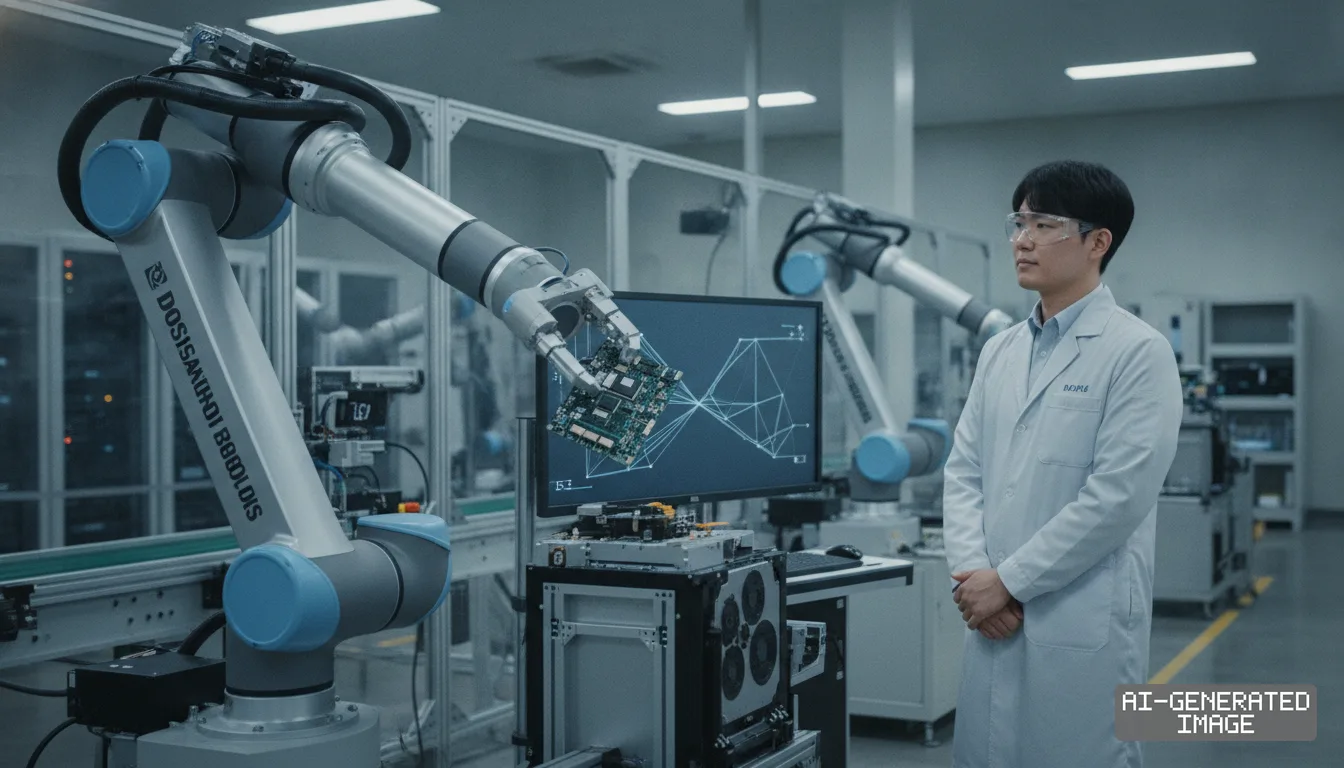
Doosan Robotics accelerated its technical integration with Nvidia's Isaac physical AI platform on Nov. 13, 2026, pushing autonomous collaborative robots toward factory deployment after cutting surface simulation cycles to 28 seconds.
The Suwon-based robotics builder is embedding synthetic training engines directly into factory machines. The architecture shifts industrial cobot setup from manual programming to algorithmic trajectory generation for automated manufacturing plants.
Recent manufacturing trials demonstrated that simulation runtimes for an automotive door sanding application dropped from 3,600 seconds under standard finite element analysis to 28 seconds. The benchmark achieved a 99% reduction in computational preparation time.
Doosan Robotics produces collaborative robot arms capable of handling payloads from five to 25 kilograms. The company accounts for roughly 5% of the worldwide collaborative robot market by unit shipment volume.
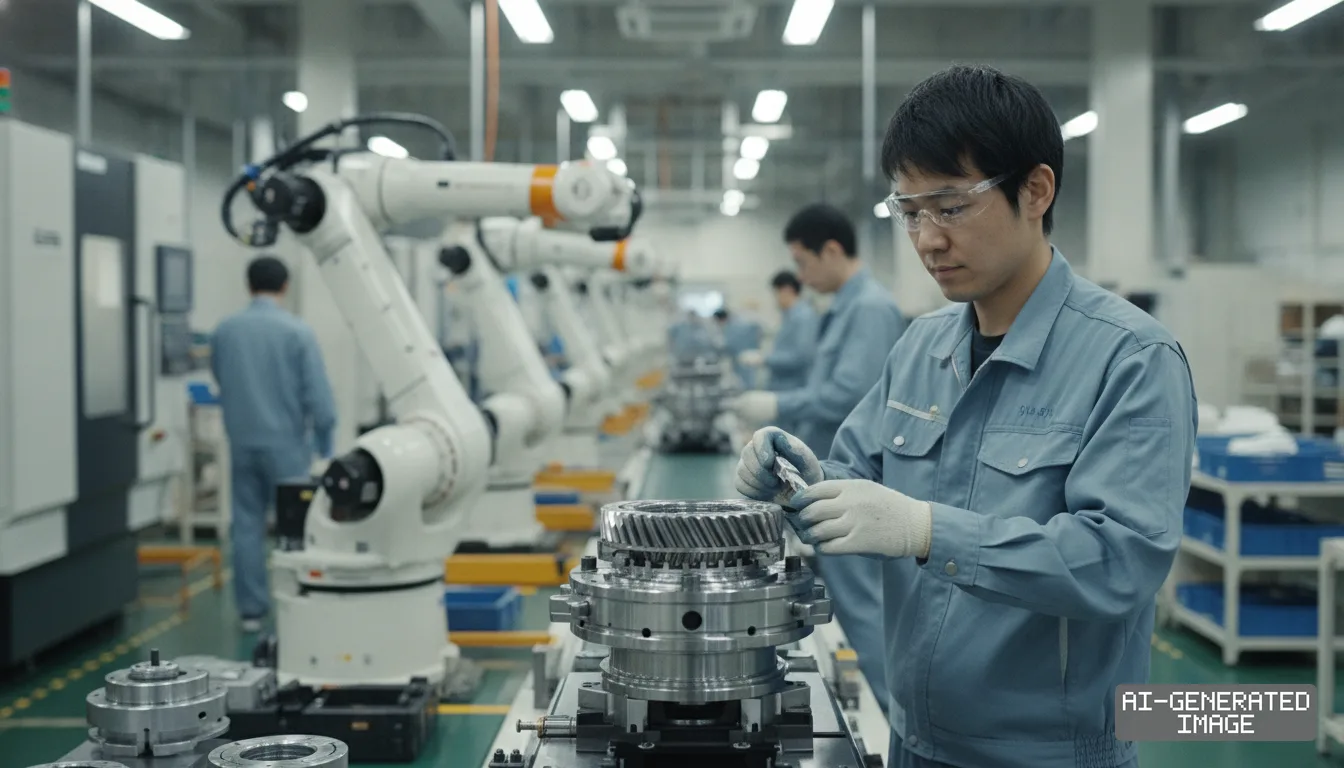
Factory operators face persistent commissioning bottlenecks when installing automated polishers, deburrers and machine tenders. Establishing precise pressure feedback across contoured metal stampings historically demanded weeks of empirical programming by specialized production technicians.
To eliminate manual parameter calibration, Doosan Robotics is combining Nvidia's Isaac Sim framework with the open-source Newton physics engine. The software components form the foundation of an internal control platform called Agentic Robot OS.
The operating architecture connects real-time vision, dynamic physics reasoning and on-device motor control. Software models generate and validate tooling paths inside synthetic environments before physical actuators execute commands on metal components.
Simulation training operates across Nvidia's Cosmos world foundation models to reproduce factory operating variances. The system simulates friction variables, grinding tool wear and panel flex across thousands of simultaneous virtual iterations.
The resulting motion policies transfer into Nvidia Jetson Thor computing modules installed directly inside the robot base. The embedded system runs deep-learning perception algorithms locally, avoiding factory network interruptions and external server latency.
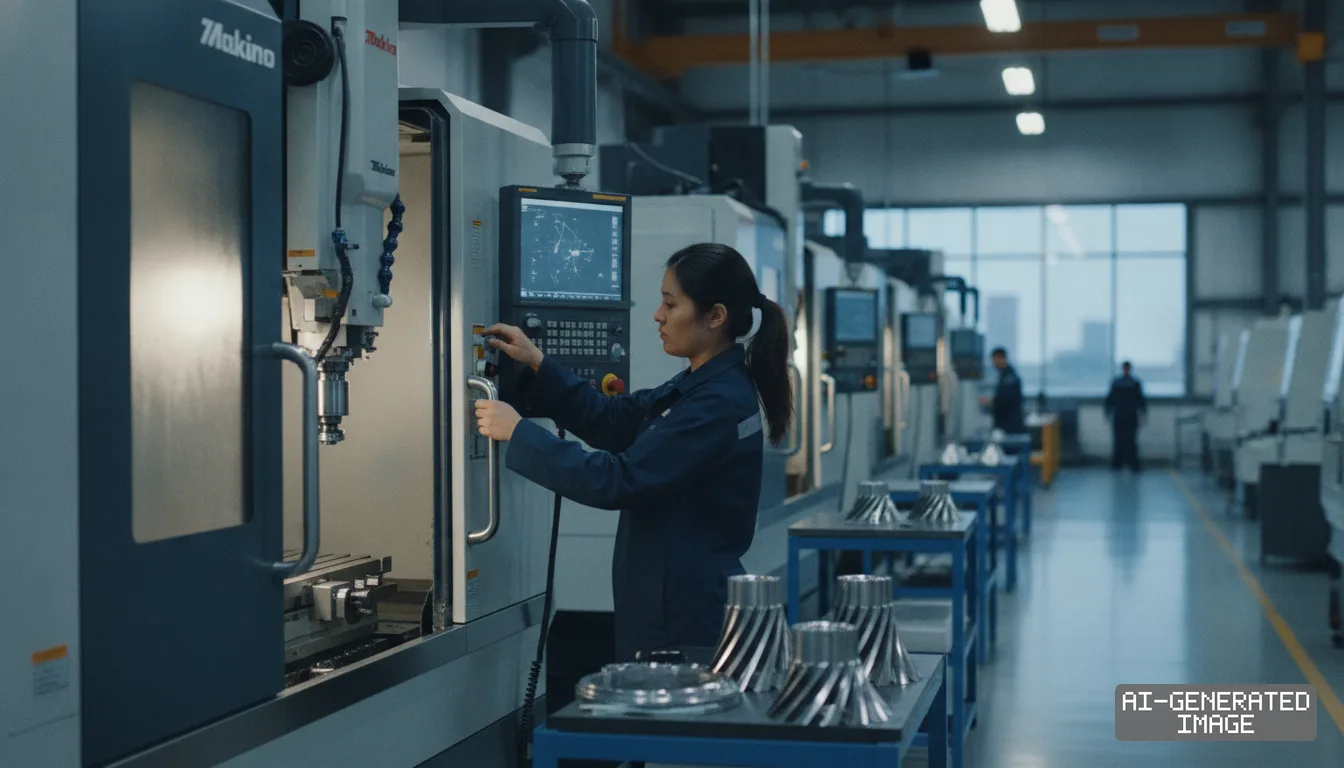
Faster simulation cycles change capital expenditure calculations for Tier 1 automotive parts suppliers. Finishing automotive body panels requires collaborative machines to maintain consistent surface contact force across tight geometric tolerances.
Conventional finite element analysis calculates contact stresses through sequential equations, requiring extensive engineering labor for each body style. Replacing numerical solvers with accelerated physics simulations lets automotive lines retool for new vehicle variants within minutes.
Doosan Robotics intends to transition from a mechanical arm supplier into an automation software vendor, company executives said during technical presentations in Seoul. The company aims to license its control stack to external equipment integrators.
The software initiative aligns with a broader physical AI strategy across South Korea's Doosan Group conglomerate. Four corporate affiliates have coordinated hardware production schedules with accelerated computing platforms developed by Nvidia.
Heavy equipment manufacturer Doosan Bobcat is testing the same physical AI framework for autonomous machinery. The construction equipment division is developing site-specific spatial models for compact loaders and agricultural excavators operating in unstructured worksites.
Doosan Corporation Electro-Materials committed 180 billion won ($130 million) to construct a copper clad laminate factory in Thailand. The facility will produce high-frequency substrate materials for modular AI accelerator racks starting in 2028.
The industrial conglomerate is also linking power generation equipment from Doosan Enerbility to data center power stations. The turbine unit is engineering low-carbon electrical supply systems designed for facilities that run high-density computing clusters.
Global manufacturing buyers view autonomous collaborative arms as an operational response to skilled labor shortages across industrial heartlands. Experienced welders, grinders and metal finish technicians remain in structural deficit across North American and European production hubs.
Traditional collaborative arms operate within fixed spatial envelopes and pause operations whenever a technician steps nearby. Integrating continuous spatial perception allows robot arms to compute alternative tooling paths without stopping manufacturing lines.
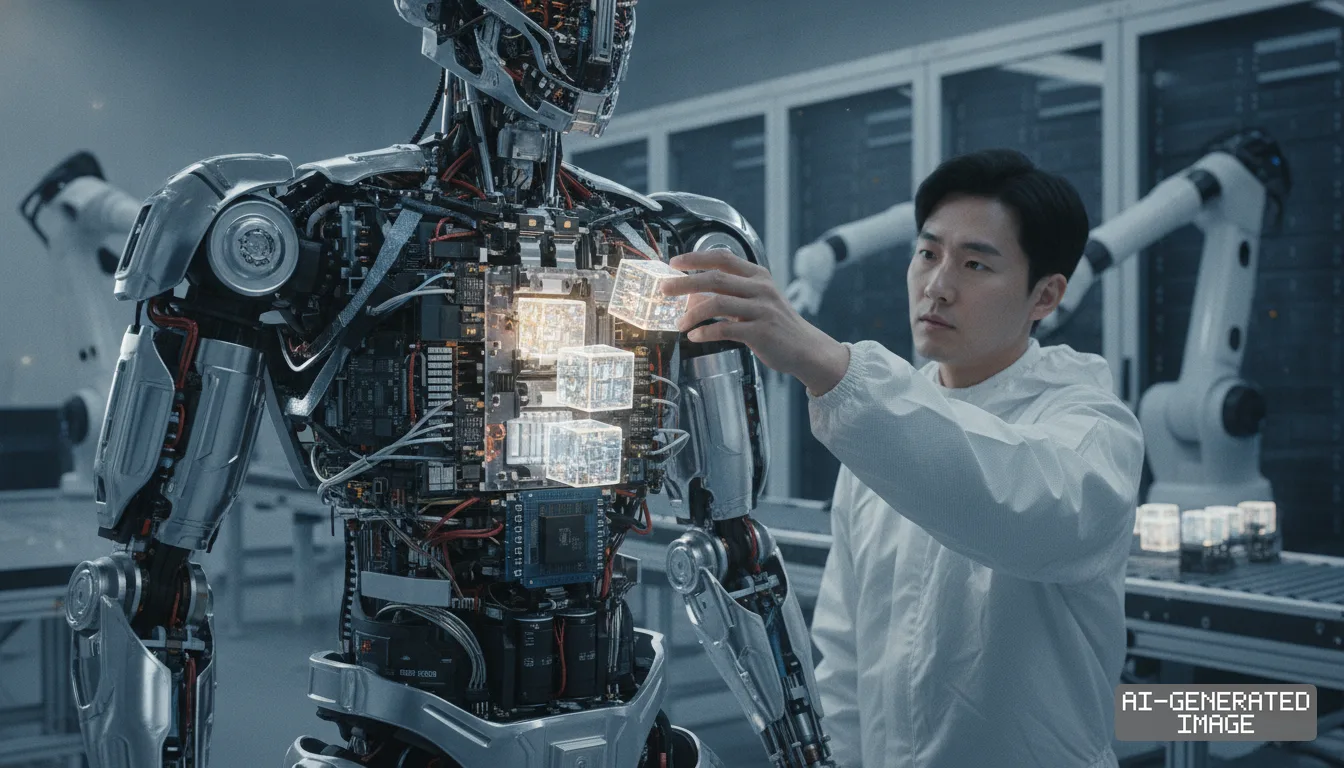
Doosan Robotics plans to release commercial collaborative robot packages running Agentic Robot OS in 2027, followed by industrial dual-arm humanoid platforms scheduled for prototype factory testing in 2028.
Commercial deployment will prioritize pallet stacking, bin unloading and abrasive surface finishing across automotive and electronics supply chains, according to technical roadmap filings.
Regulatory filings on the Korea Exchange do not confirm a newly executed commercial contract on Nov. 13, and Doosan Robotics has not published unit procurement costs for its Jetson Thor hardware.
Industrial site verification trials will continue at domestic customer facilities through mid-2027, leading into commercial hardware demonstrations scheduled for the CES trade exposition in January 2027.
Impact map
How this development propagates across the region and out to global buyers.
| Event | Korea | China | Japan | Global impact |
|---|---|---|---|---|
| AI cobot operating system | Doosan Robotics cuts simulation time 99%, shifts from arm assembly to software licensing | Cobot assemblers face widening software barrier in high-precision automotive finishing | Fanuc and Yaskawa confront shorter retooling benchmarks in export assembly plants | Automotive Tier 1 suppliers reduce body panel retooling cycles from weeks to minutes |
In this story
- Companies
- Doosan RoboticsNvidia
- Tickers
- 454910.KSNVDA
- Exposed
- Doosan Bobcat
- Impact
- Supply ChainCost Structure
Related briefings
- Doosan Robotics names Kwon Young-min CEO to reverse losses Also on Doosan Bobcat, Doosan Robotics, Cost Structure
- Mobilint tests robot AI chips with Doosan to curb Nvidia costs Also on Doosan Robotics, Nvidia, Cost Structure
- Doosan Robotics hires autonomous driving veteran as new CTO in AI push Also on Doosan Robotics, Nvidia, Cost Structure
- Korean robot makers surge as Nvidia expands physical AI ties Also on Doosan Robotics, Nvidia
Sources
Primary documents
Reporting
Confidence: high — how we grade this
The documents behind this briefing are linked above. East Asia Brief produces its English text with AI assistance under human editorial review, and does not translate or republish other outlets' articles. See our methodology and AI policy. Spotted an error? Tell us.
The Morning Brief
What changed in Korean, Chinese and Japanese industry overnight — and what it means for your supply chain. One email, weekday mornings, US time. Free.
The Morning Brief is in preparation. Leave your address and we will write to you once — when the first issue is ready. Nothing before that.