Samsung SDI explores Chinese suppliers for solid-state cells
The battery maker is vetting sulfide electrolyte precursors in China ahead of 2027 production, risking friction with US subsidy rules on foreign entities.
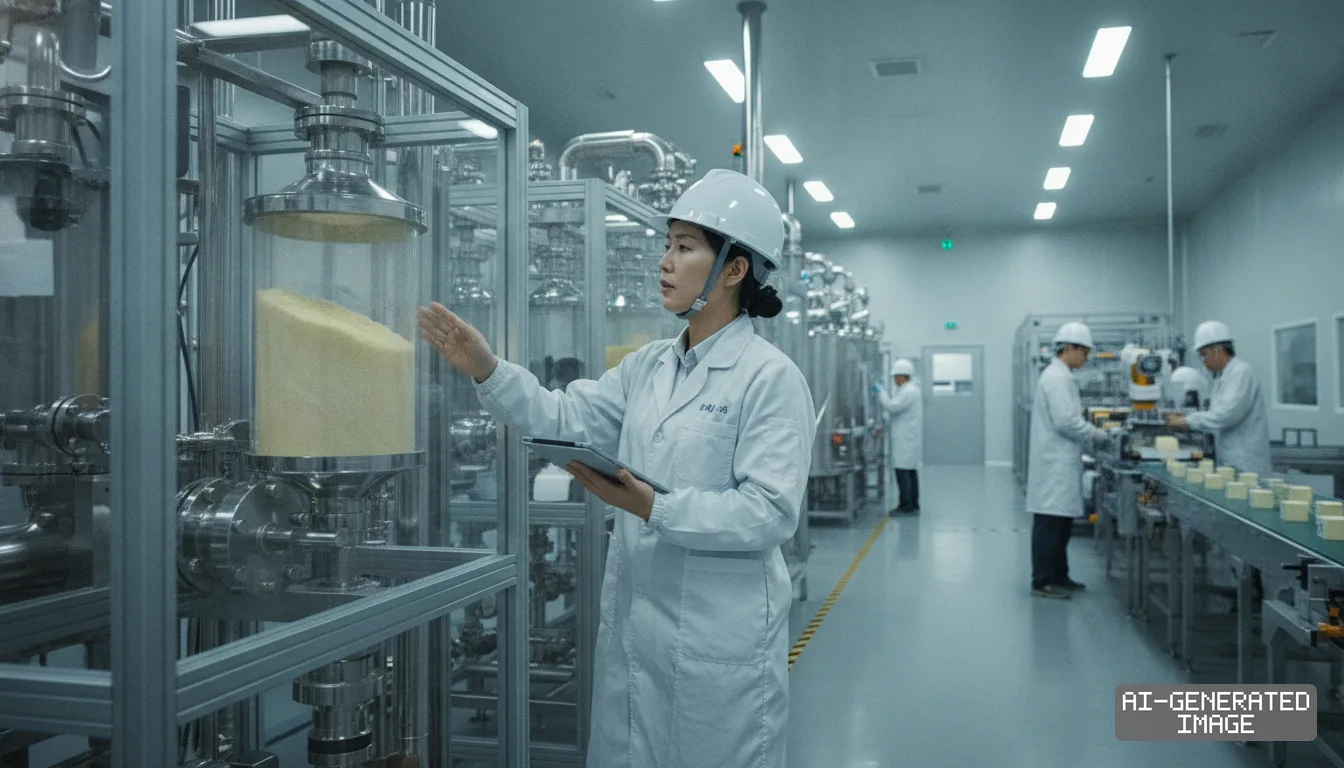
Samsung SDI stepped up supplier evaluations in China on Sept. 4, 2026, seeking commercial volumes of sulfide raw materials for its planned 2027 all-solid-state battery line.
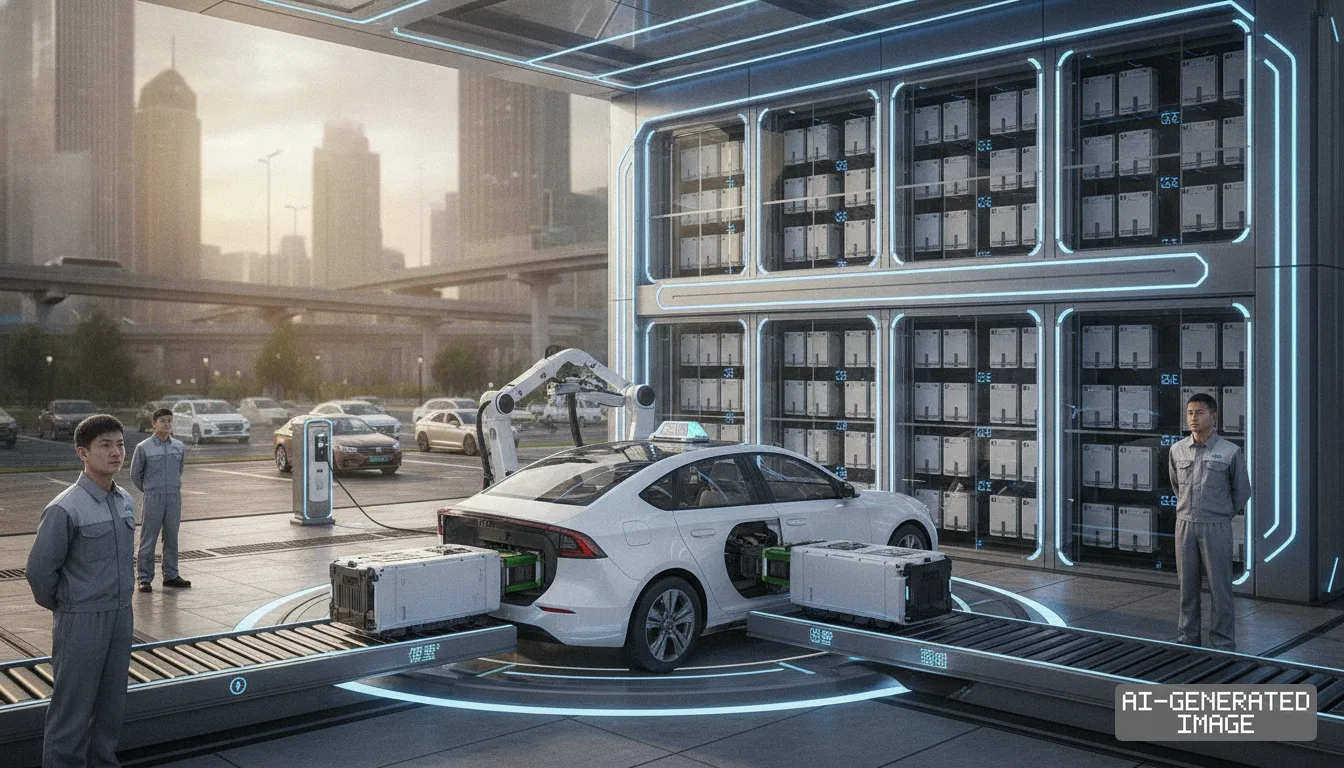
The South Korean manufacturer plans to open the sector's first commercial line for all-solid-state batteries — cells that replace flammable liquid electrolytes with solid ionic conductors to raise pack energy density.
Procurement officers from Samsung SDI inspected production facilities owned by Guangzhou Tinci Materials Technology in Jiujiang, China, in late August 2026, according to industrial transaction reports published in Beijing.
Guangzhou Tinci brought a pilot facility into trial production in the third quarter of 2026, with nameplate capacity for 50 tons of lithium sulfide and 100 tons of sulfide solid electrolyte annually.
The inspection followed ongoing technical discussions and collaborative development initiated in 2025 rather than a sudden change in procurement plans, a Samsung SDI representative said in Seoul.
Samsung SDI has not executed a binding procurement contract or filed regulatory notifications for chemical offtake with Chinese material producers, according to commercial filings with the Korea Exchange.
Commercial production remains on schedule for the second half of 2027, Cho Han-je, executive vice president of strategic marketing at Samsung SDI, said during an earnings presentation on July 30.
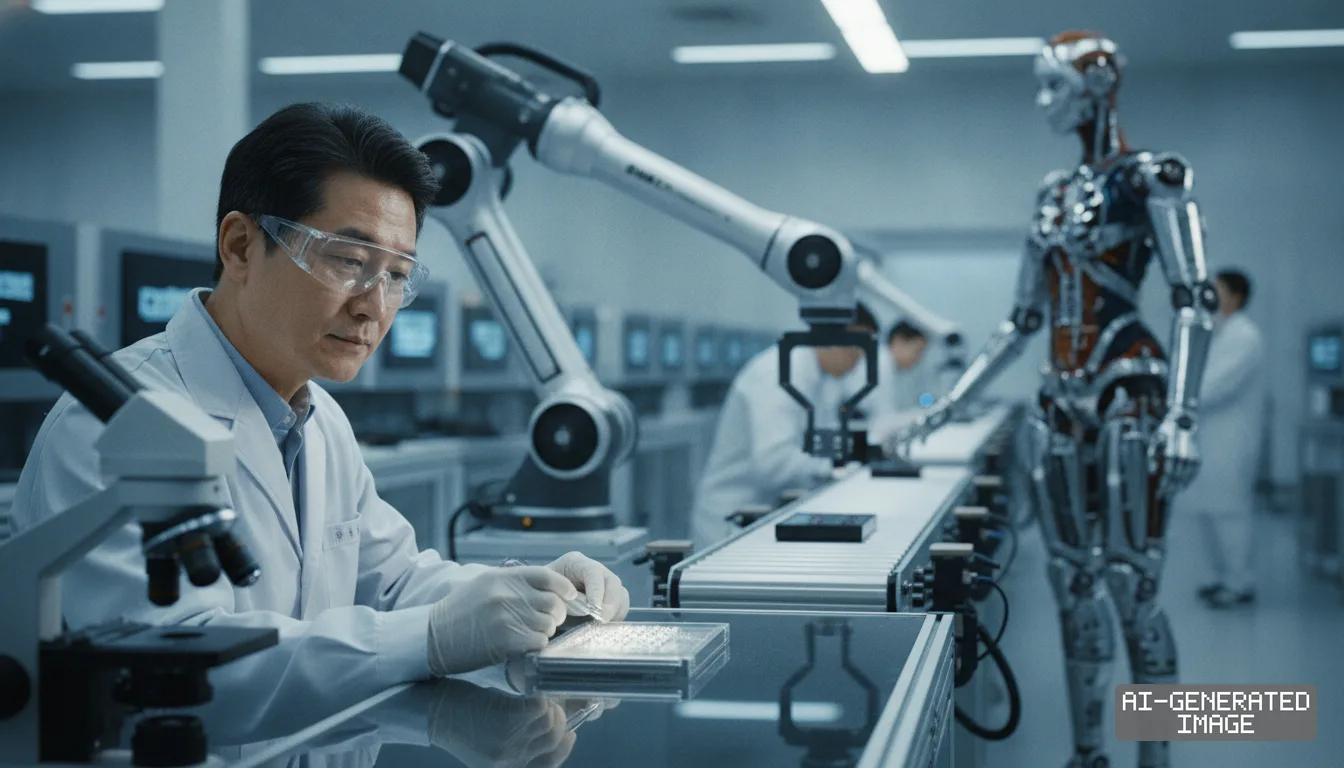
Humanoid robots and physical automation systems will take initial deliveries of the advanced cells ahead of high-volume passenger electric vehicles, Cho said during the second-quarter investor conference.
Samsung SDI displayed prototype pouch-format cells under its SolidStack brand on March 9, 2026, during the InterBattery exhibition in Seoul, specifying an energy density target of 900 watt-hours per liter.
Pilot production did not start this month. Samsung SDI completed construction of its 6,500-square-meter pilot facility, named S-Line, at its research center in Suwon, South Korea, in early 2023.
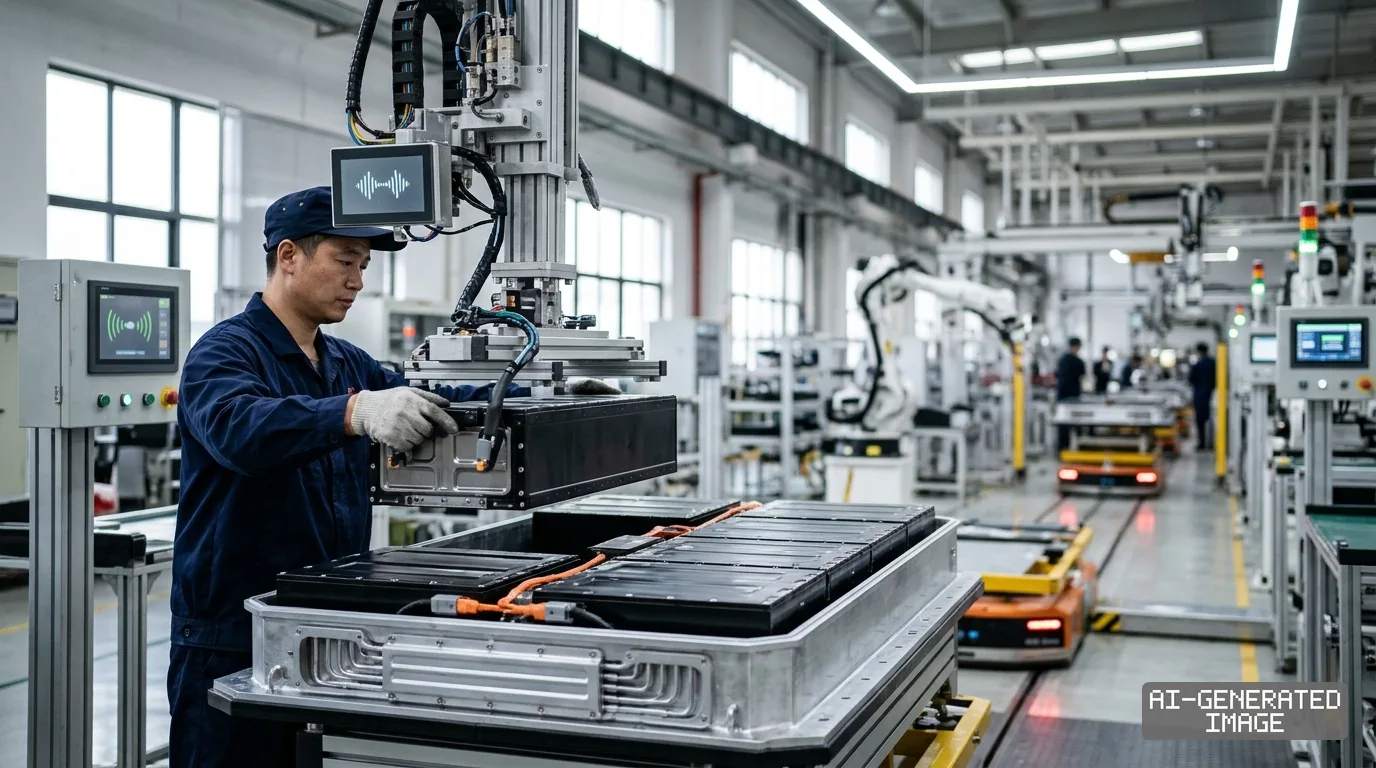
Technicians at the Suwon facility have assembled and delivered functional solid-state test cells to international automakers and industrial robotics developers since late 2023, the company said.
Municipal authorities in Ulsan announced an investment framework with Samsung SDI on July 23, 2026, allocating 16 trillion won ($11.6 billion) across battery operations through 2040 for commercial manufacturing.
Synthesizing sulfide-based solid electrolytes requires lithium sulfide — a chemical intermediate produced by reacting lithium carbonate or lithium hydroxide with sulfur at high temperatures inside sealed reaction vessels.
The synthesis releases toxic hydrogen sulfide gas if moisture touches raw reagents, forcing chemical refiners to install dedicated air-handling scrubbers and specialized vacuum drying equipment that elevate capital expenditure.
Chemical refiners in China quote bulk lithium sulfide prices roughly 30% below developmental facilities in East Asia and North America, according to supply contracts tracked by commodity intelligence agencies.
Sourcing chemical inputs from mainland Chinese suppliers creates regulatory obstacles under the US Inflation Reduction Act, which withholds clean vehicle tax credits of up to $7,500 from vehicles using restricted inputs.
Rules finalized by the US Department of the Treasury in May 2024 define foreign entities of concern to include commercial businesses incorporated in, owned by or controlled by the Chinese government.
Using Chinese electrolytes inside cells dedicated to industrial humanoid robots or European electric vehicles avoids American clean-vehicle subsidy disqualification entirely, trade compliance attorneys said in Seoul.
Samsung SDI took the opposite procurement path for its North American energy storage business on March 24, 2026, contracting South Korean supplier L&F for non-Chinese lithium iron phosphate cathode material.
That agreement covers 1.6 trillion won ($1.16 billion) of cathode supplies from 2027 to 2029, with an extension option to feed production at the StarPlus Energy manufacturing complex in Indiana.
Prismatic energy storage cells from the Indiana plant entered production validation trials in August 2026, aiming for commercial customer deliveries before the end of December, company records show.
South Korean chemical manufacturers are constructing domestic supply options for solid electrolyte materials to give battery makers procurement pathways that comply fully with American trade rules, industry ministry records show.
POSCO JK Solid Solution operates a 24-ton annual solid electrolyte facility in Yangsan, while chemical producer Lotte Energy Materials runs pilot lines producing developmental batches for domestic battery testing.
Combined domestic capacity in South Korea remains under 500 tons annually, creating potential raw material bottlenecks if commercial cell lines ramp up to gigawatt-hour scale during 2027.
Samsung SDI will ship developmental pouch-type solid-state cell samples to robotics manufacturers during the fourth quarter of 2026 for physical integration and preliminary field performance tests.
Procurement teams at Samsung SDI will complete raw material purity evaluations across domestic and Chinese chemical suppliers before freezing commercial supply contracts in the first quarter of 2027.
Impact map
How this development propagates across the region and out to global buyers.
| Event | Korea | China | Japan | Global impact |
|---|---|---|---|---|
| Sulfide battery supply chain | commercial cell ramp | precursor refining dominance | electrolyte technology competition | EV and robotics cost split |
In this story
- Companies
- Samsung SDIGuangzhou Tinci Materials Technology
- Tickers
- 006400.KS002709.SZ
- Exposed
- POSCO HoldingsLotte Energy Materials
- Policy
- SubsidiesExport ControlsEconomic Security
- Impact
- Supply ChainComplianceCost Structure
Track every Subsidies development → Track every Export Controls development → Track every Economic Security development →
Related briefings
- Posco Holdings starts direct lithium extraction test runs for Korean cathode lines Also on Posco Holdings, Samsung SDI, Compliance
- POSCO Future M signs $776M LFP cathode supply deal with SK On Also on POSCO Holdings, Samsung SDI, Cost Structure
- POSCO Chairman Urges Australia Critical Minerals Alliance to Diversify Supply Also on POSCO Holdings, Compliance, Subsidies
- Korea Urges USTR to Strictly Honor 15% Bilateral Tariff Cap Also on Posco Holdings, Compliance, Cost Structure
Sources
Primary documents
Reporting
Confidence: high — how we grade this
The documents behind this briefing are linked above. East Asia Brief produces its English text with AI assistance under human editorial review, and does not translate or republish other outlets' articles. See our methodology and AI policy. Spotted an error? Tell us.
The Morning Brief
What changed in Korean, Chinese and Japanese industry overnight — and what it means for your supply chain. One email, weekday mornings, US time. Free.
The Morning Brief is in preparation. Leave your address and we will write to you once — when the first issue is ready. Nothing before that.