China Northern Rare Earth builds finished NdFeB magnet lines
The state-backed miner posted a 136.55% surge in nine-month net profit to 3.646 billion yuan as captive strip-cast alloy lines and electric drive assemblies anchor downstream vertical integration.
China Northern Rare Earth Group High-Tech cemented its downstream industrial integration on Nov. 4, 2026, as domestic trading indexed the producer's captive shift into finished neodymium permanent magnets.
The state-controlled miner generated nine-month revenue of 41.333 billion yuan ($5.98 billion) through September, up 36.45% from the previous year, according to its quarterly financial statement filed Oct. 24 with the Shanghai Stock Exchange.
Net profit surged 136.55% to 3.646 billion yuan over the same period, the company said. Shipments of downstream magnetic alloys and sintered permanent magnets accounted for the bulk of earnings growth.
Filings with the Shanghai Stock Exchange do not record any newly approved downstream capital projects on Nov. 4, and the company published no supplemental expansion disclosures that day.
Market attention on Nov. 4 tracked the launch of the Baotou Rare Earth Products Exchange pricing index. The tool sets transparent transaction benchmarks for praseodymium, neodymium, lanthanum and cerium across domestic processing corridors.
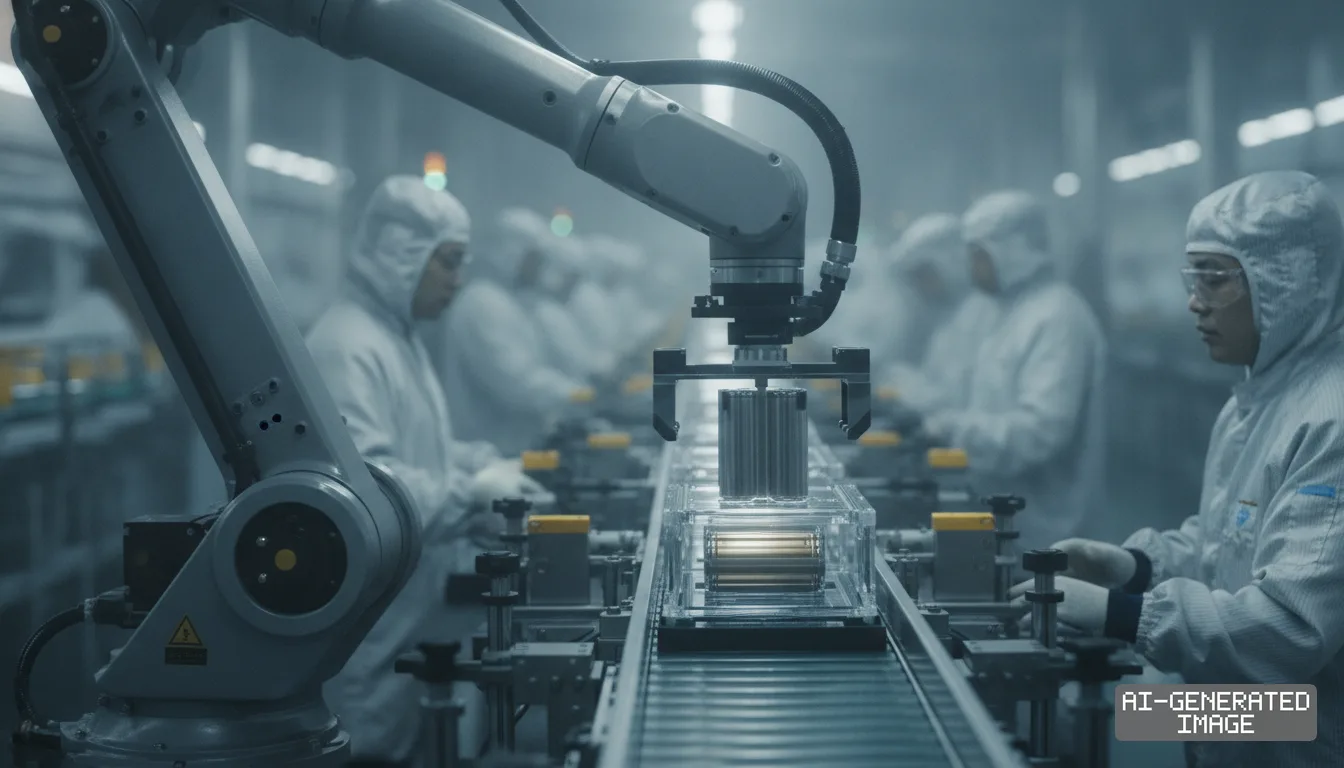
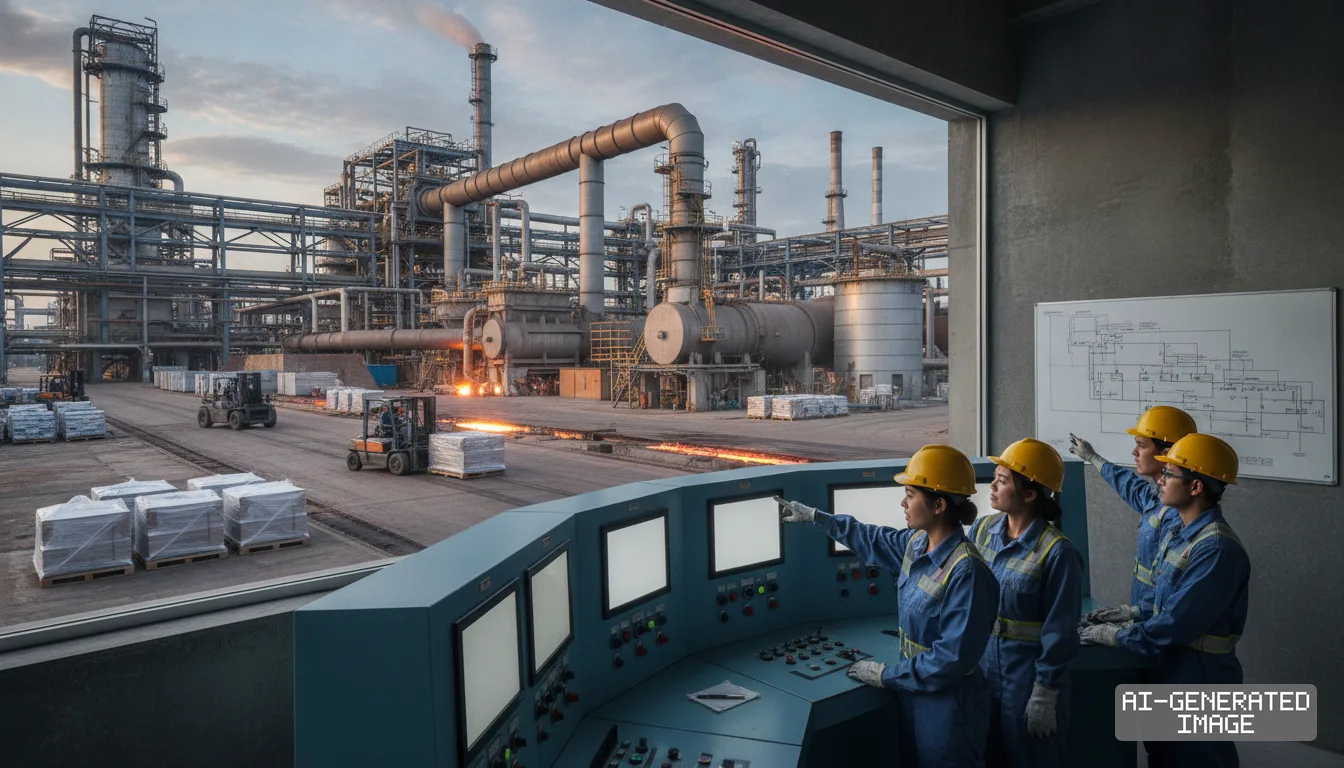
China Northern Rare Earth has turned away from exporting unrefined rare earth concentrates. The company now directs mined output into captive strip-casting lines and specialized sintering ovens across northern production bases.
Neodymium-iron-boron (NdFeB) permanent magnets provide critical high-torque magnetic fields for electric vehicle traction motors, wind turbine generators and industrial robotic servos. Controlling the alloy saves margins inside China.
Its manufacturing unit, Northern Rare Earth Magnetic Materials, operates Phase 1 of a 50,000-tonne quick-setting strip-casting alloy facility, the company said in its corporate sustainability disclosures.
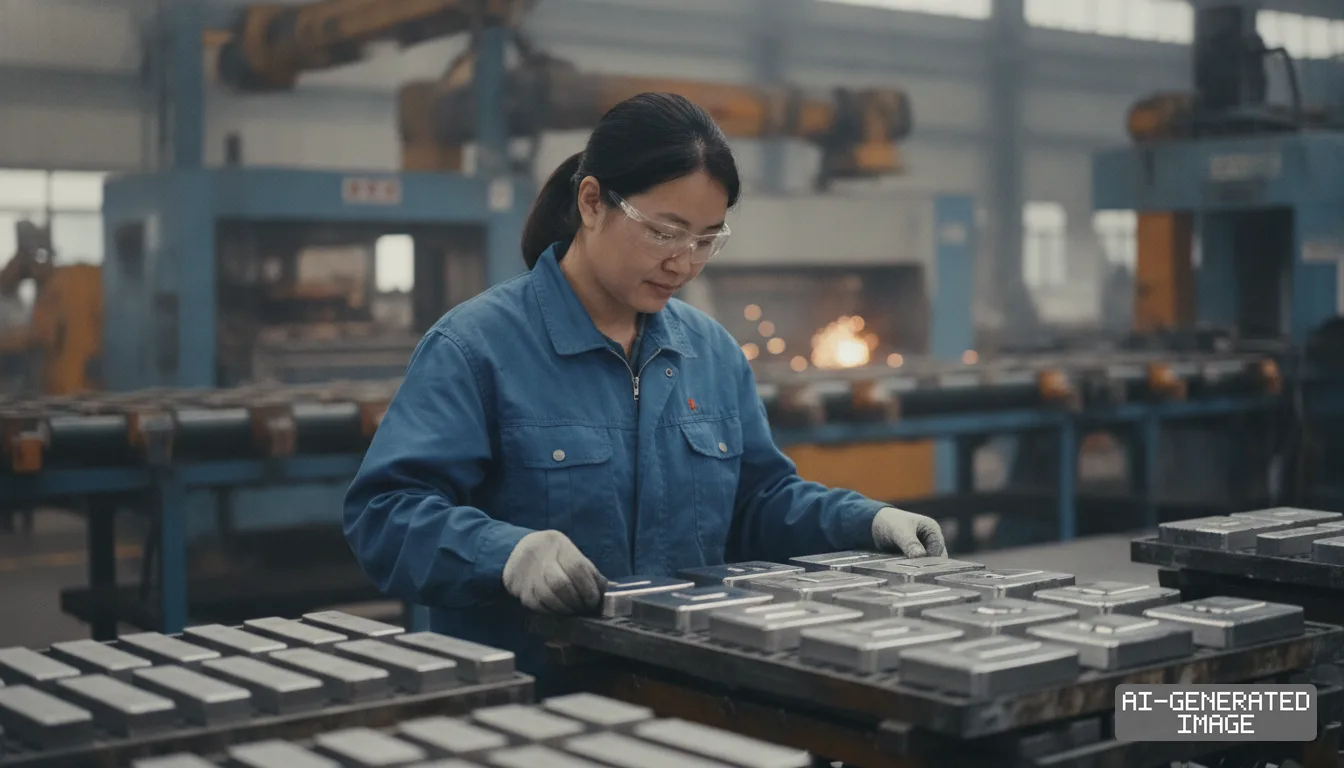
The strip-cast metal flows directly into Northern Zhaobao, another specialized manufacturing subsidiary. Northern Zhaobao operates 3,000 tonnes of annual sintered NdFeB permanent magnet capacity in Baotou.
The state enterprise also builds finished electrical machinery. Northern Rare Earth maintains production capacity for 1,270 sets of high-efficiency permanent magnet motors annually, delivering 50 megawatts of aggregate electrical capacity.
To anchor downstream buyers, the board approved an 885 million yuan ($128 million) manufacturing joint venture on March 12, according to corporate filings. Partner Ningbo Funeng helps channel output directly into coastal vehicle supply chains.
That investment structure links Inner Mongolian light rare earth mines to component fabricators in Zhejiang province. The link bypasses merchant oxide traders and reduces open-market raw material availability.
For foreign automakers and automation vendors, this vertical model alters regional procurement risks. China is shifting leverage from upstream extraction quotas to the intellectual property and fabrication capacity of finished motor assemblies.
Japan and the European Union have built magnet recycling programs to counter Chinese dominance. Those initiatives lack the concentrated volume to challenge Baotou's integrated strip-casting infrastructure.
Overseas buyers can purchase processed oxides only through regulated channels. Sintered magnet blocks and finished motor assemblies face fewer customs barriers, encouraging global assemblers to buy finished components directly from Chinese lines.
Domestic corporate consolidation supports this pricing structure. The State-owned Assets Supervision and Administration Commission has organized regional miners into two dominant groups to eliminate internal price undercutting.
Peer producer China Rare Earth, which represents 6.26% of fund weightings in the ChiNext rare earth index, halted trading on the Shenzhen Stock Exchange on Nov. 2.
China Rare Earth suspended its shares to structure an equity-funded purchase of China Rare Earth Liangshan. That transaction consolidates major light rare earth deposits across Sichuan province into a single group.
China Rare Earth must disclose the specific restructuring agreement or resume trading by Nov. 16, according to exchange filing deadlines. The deal will align southern mining quotas with state industrial goals.
China Northern Rare Earth coordinates its raw material purchase prices quarterly with state-owned parent Baogang Group, insulating downstream magnet lines from volatile mineral market swings.
The notice does not state whether the Ministry of Commerce plans new export licence quotas for sintered magnets, and trade authorities have not issued amended schedules for high-grade strip-cast alloys.
China Northern Rare Earth continues to operate its dual manufacturing hubs in Baotou and Ningbo, maintaining complete domestic custody from mine blast to finished traction motor.
Impact map
How this development propagates across the region and out to global buyers.
| Event | Korea | China | Japan | Global impact |
|---|---|---|---|---|
| NdFeB magnet integration | Automakers face higher motor component costs as raw alloy exports shrink | China Northern Rare Earth expands 50,000 tonnes of captive alloy capacity | Robot builders increase dependence on imported finished NdFeB magnets | Electric vehicle motor supply chains face tighter Chinese vertical control |
In this story
- Companies
- China Northern Rare Earth Group High-Tech
- Tickers
- 600111.SH
- Exposed
- China Rare EarthNingbo Funeng
- Policy
- Local Content Rules
- Impact
- Supply ChainPricingCost Structure
Track every Local Content Rules development →
Related briefings
- China mandates digital tracking codes for heavy rare earth shipments to tighten export control Also on China Northern Rare Earth Group High-Tech, Pricing, Cost Structure
- China Sets Consolidated Late-2026 Light Rare Earth Mining Quota to Cap Northern Bastnasite Extraction Also on China Northern Rare Earth Group High-Tech, Cost Structure
- CATL widens Mexico grid battery sales as US trade rules bite Also on Local Content Rules, Pricing
- Audi plans $4B Georgia plant, challenging Hyundai suppliers Also on Local Content Rules, Pricing
Sources
Primary documents
Reporting
Confidence: high — how we grade this
The documents behind this briefing are linked above. East Asia Brief produces its English text with AI assistance under human editorial review, and does not translate or republish other outlets' articles. See our methodology and AI policy. Spotted an error? Tell us.
The Morning Brief
What changed in Korean, Chinese and Japanese industry overnight — and what it means for your supply chain. One email, weekday mornings, US time. Free.
The Morning Brief is in preparation. Leave your address and we will write to you once — when the first issue is ready. Nothing before that.