Sumitomo Metal Mining keeps 60,000-ton nickel cathode output steady
The Japanese refiner lifted its full-year profit target by 55.4% to 216.0 billion yen while maintaining auto precursor commitments at its Harima facility.
Sumitomo Metal Mining kept its nickel cathode precursor refining footprint unchanged on Nov. 7, 2026, holding firm on automotive delivery commitments ahead of its scheduled midyear earnings release.
The Tokyo-based refiner raised its full-year consolidated net profit forecast by 55.4% on Aug. 10 to 216.0 billion yen ($1.42 billion). Nonferrous price movements and stable smelting spreads drove the revision, the company said.
Monthly sales of nickel-based cathode active materials averaged 5,403 metric tons in fiscal 2024. That volume represents roughly 60,000 metric tons of annual cathode supply dedicated primarily to automotive battery manufacturers.
Sumitomo Metal Mining controls a vertically integrated nickel supply chain extending from overseas mine extraction to advanced materials synthesis. The group processes nickel oxide ores through high-pressure acid leach plants in the Philippines.
The Coral Bay and Taganito facilities in the Philippines produce mixed nickel-cobalt sulfides with roughly 55% to 60% nickel content. Those intermediate products are shipped directly to Japan for chemical refining.
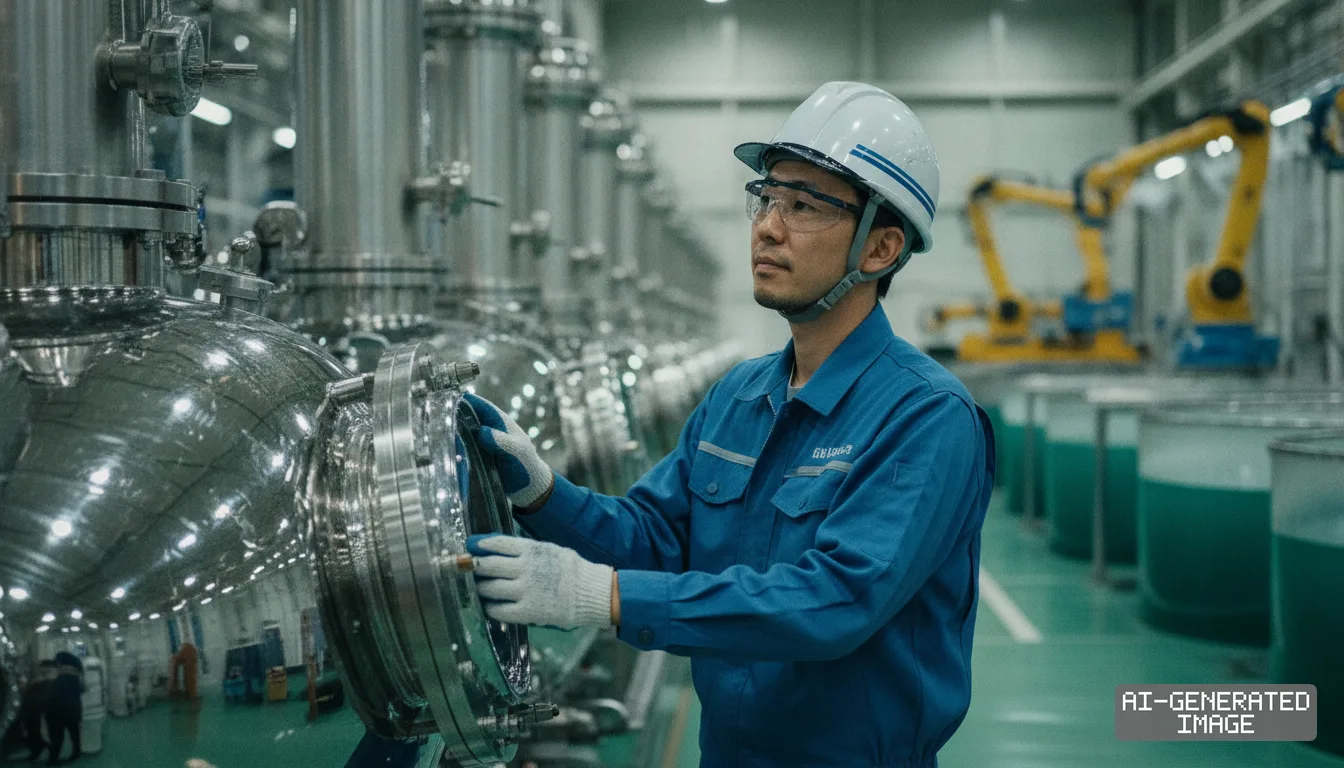
The Niihama Nickel Refinery in Ehime Prefecture processes the sulfide feedstock using a proprietary chlorine-leach electrowinning method. The facility yields electrolytic nickel and battery-grade nickel sulfate solutions.
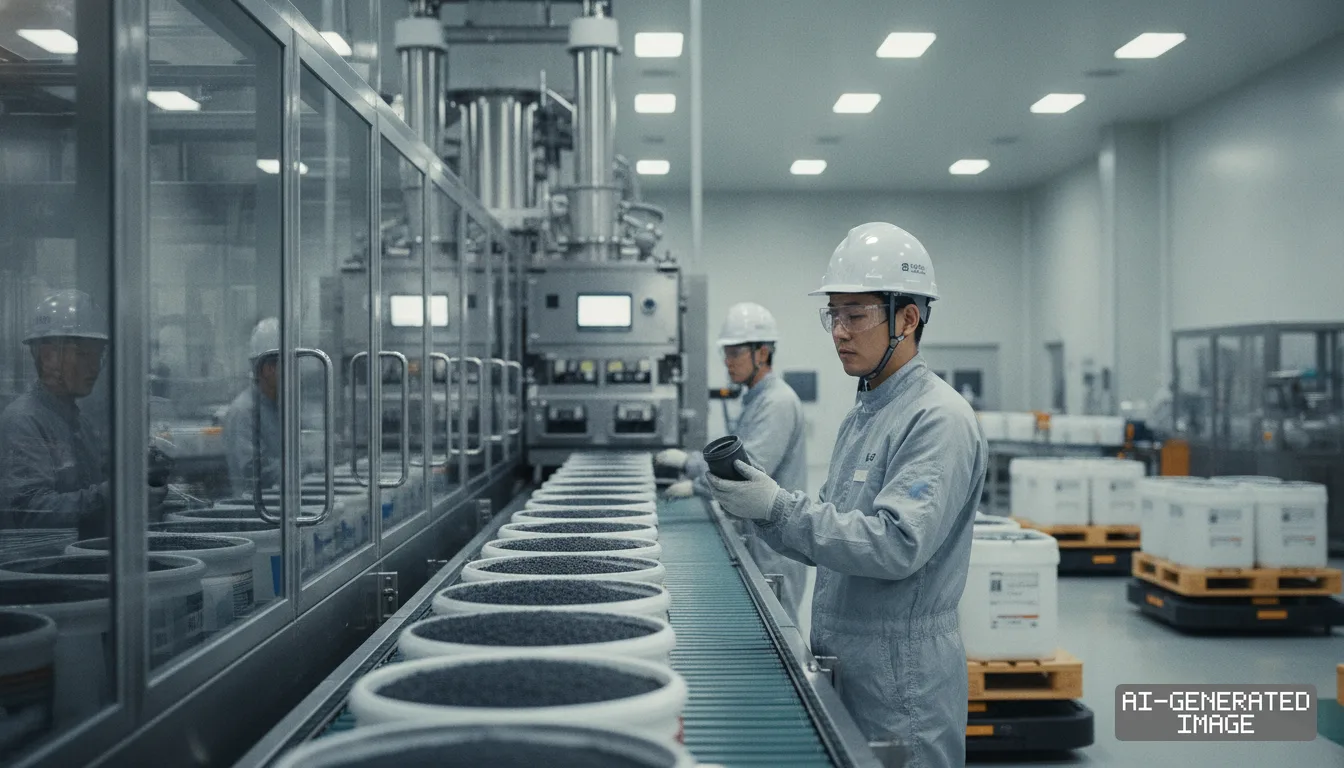
Precursor production takes place at the Harima Refinery in Hyogo Prefecture. The Harima site reacts nickel solutions with cobalt and aluminum salts to produce nickel-cobalt-aluminum hydroxide precursor particles.
Final calcination occurs at the Isoura Plant in Niihama City, where precursor crystals are blended with lithium compounds. The plant sinters the mixture into finished high-nickel cathode active materials.
Panasonic Energy relies on Sumitomo Metal Mining as its primary domestic supplier of cathode active materials. The material feeds cylindrical lithium-ion cells used by Tesla in long-range electric vehicles.
Panasonic Energy launched a closed-loop recycling program with the refiner to recover nickel from manufacturing scrap. The cell maker aims to source at least 20% recycled cathode material for automotive lines by 2027.
Sumitomo Metal Mining commissioned Japan's first commercial-scale battery recycling plant across its Toyo Smelter and Niihama refinery sites in September 2026. The facilities can process the equivalent of 10,000 metric tons of spent battery cells annually.
That processing capacity matches the battery packs of approximately 60,000 electric vehicles rated at 40 kilowatt-hours. Chemical partner Kanto Denka Kogyo supplies the complementary technology used to recover high-purity lithium from smelting slag.
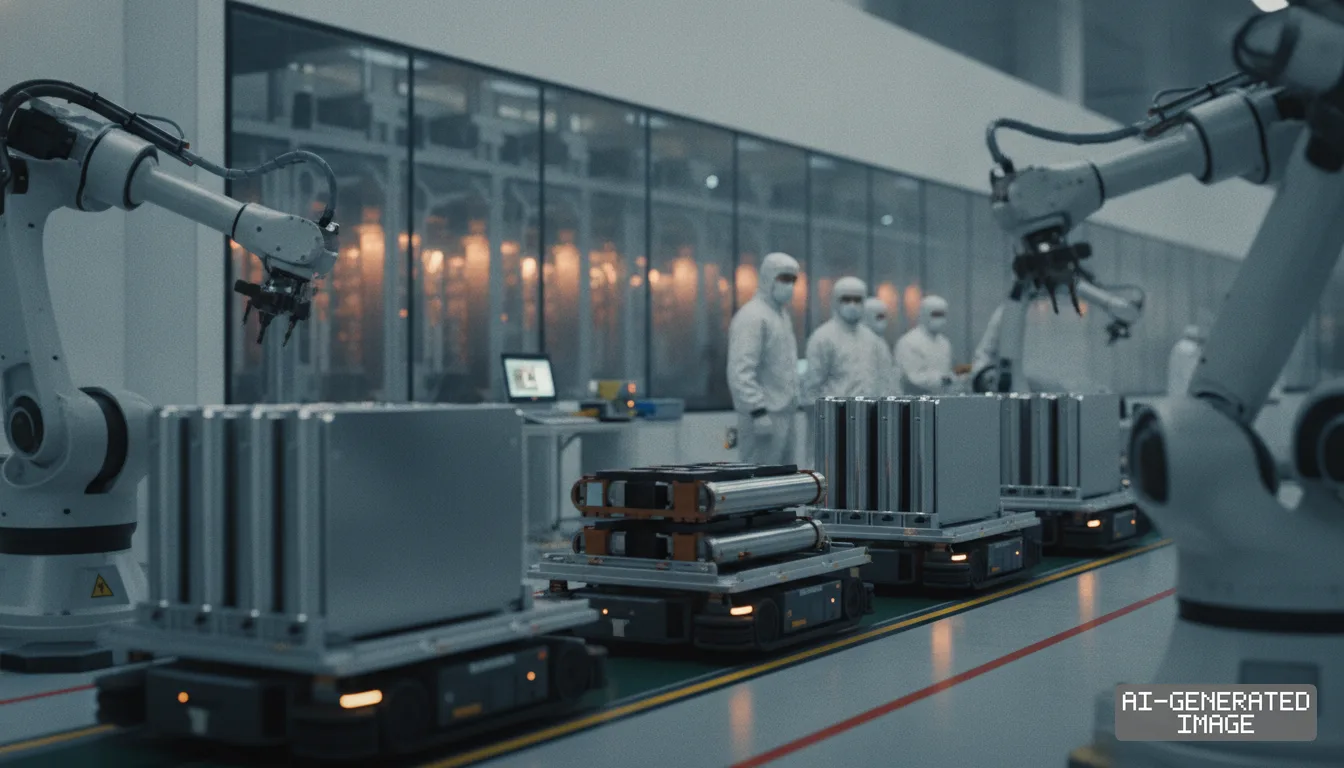
The supplier is modifying existing lines to accelerate a product shift toward high-nickel nickel-manganese-cobalt materials. The transition follows lower global demand projections for traditional nickel-cobalt-aluminum formulations.
Sumitomo Metal Mining recorded impairment losses in late fiscal 2024 to reconfigure equipment for the new cathode mix. Production capacity dropped temporarily during line modifications, according to executive briefing transcripts.
Toyota Motor Corporation sources nickel-based cathode active materials from Sumitomo Metal Mining for hybrid vehicle batteries. The contract provides product diversification beyond cylindrical cells destined for electric sedans.
Upstream raw material sourcing received additional backing through an agreement with Australian developer Ardea Resources. Sumitomo Metal Mining joined a consortium to assess the Kalgoorlie Nickel Project Goongarrie Hub in Western Australia.
Global nickel markets face an estimated supply surplus of 34,000 metric tons in 2027, according to company projections. Total nickel supply is expected to expand 5.8% to 3.96 million metric tons that year.
Indonesia accounts for more than 60% of worldwide mined nickel production, weighing on benchmark metal prices. Low mined ore costs favor integrated refiners capable of processing intermediate hydroxides into battery precursors.
Capital spending under the company's multi-year investment plan includes 47 billion yen ($424 million) allocated to cathode production and precursor expansion. The Harima plant received roughly 7 billion yen of that total.
The refiner plans to expand total cathode production capacity to 10,000 metric tons per month during its 2024 three-year plan. Long-term company targets outline 180,000 metric tons of annual capacity by March 2031.
Sumitomo Metal Mining is scheduled to publish consolidated financial results for the first half of fiscal 2026 on Nov. 10, 2026. The release will detail operating earnings across its materials division.
The company did not issue a public regulatory filing or operational statement on Nov. 7, 2026. SMM observed an internal quiet period ahead of the midyear earnings release.
Sumitomo Metal Mining has not published contract-level precursor delivery volumes, and public filings do not disclose the pricing formula applied to Panasonic Energy. Operating rates across the Ehime calcination kilns held steady through the weekend.
Impact map
How this development propagates across the region and out to global buyers.
| Event | Korea | China | Japan | Global impact |
|---|---|---|---|---|
| High-nickel precursor refining optimization | LG Chem and POSCO Future M face persistent export rivalry in high-nickel NCA precursors | CNGR and GEM face reduced merchant precursor demand from Japanese pack assemblers | SMM defends domestic cathode monopoly for Panasonic Energy lines supplying Tesla | Tesla secures closed-loop Japanese cathode feedstocks insulated from Indonesian ore volatility |
In this story
- Companies
- Sumitomo Metal Mining
- Tickers
- 5713.T
- Exposed
- Panasonic HoldingsTeslaToyota MotorKanto Denka Kogyo
- Policy
- Standards
- Impact
- Supply ChainCapexCost Structure
Track every Standards development →
Related briefings
- Japan certifies $2.4 billion in battery subsidies to lock in solid-state cell capacity Also on Sumitomo Metal Mining, Panasonic Holdings, Toyota Motor
- Panasonic Optimizes 4680 Battery Cell Yields at Wakayama Plant in Japan Also on Sumitomo Metal Mining, Panasonic Holdings, Tesla
- Hyundai, Toyota and BYD advance in-house solid-state battery lines Also on Sumitomo Metal Mining, Toyota Motor, Cost Structure
- BYD readies solid-state battery road trial as rivals advance Also on Sumitomo Metal Mining, Toyota Motor, Cost Structure
Sources
Reporting
Confidence: medium — how we grade this
The documents behind this briefing are linked above. East Asia Brief produces its English text with AI assistance under human editorial review, and does not translate or republish other outlets' articles. See our methodology and AI policy. Spotted an error? Tell us.
The Morning Brief
What changed in Korean, Chinese and Japanese industry overnight — and what it means for your supply chain. One email, weekday mornings, US time. Free.
The Morning Brief is in preparation. Leave your address and we will write to you once — when the first issue is ready. Nothing before that.