LG Energy Solution and Samsung SDI lift factory run rates on ESS
Grid energy storage orders pushed LG Energy Solution factory utilization to 57.1% through the third quarter, while cell production reached 22.84 trillion won.
LG Energy Solution and Samsung SDI said Nov. 20 that factory utilization rebounded through the third quarter as rising demand for grid-scale energy storage systems offset slumping global electric vehicle sales.
LG Energy Solution recorded an average factory utilization rate of 57.1% across the first nine months of 2026, according to its quarterly regulatory filing. That marks a 9.5 percentage point recovery from 47.6% across 2025.
The company logged 22.84 trillion won ($16.4 billion) in actual cell production against 40.01 trillion won ($28.8 billion) of total nameplate capacity. The operating pace climbed steadily from 46.9% in the first quarter and 52.8% in the first half.
Samsung SDI recorded a 78% average utilization rate in its small battery division over the same nine-month period. The figure jumped 28 percentage points from 50% across 2025, rising from 65% in the first quarter and 73% at midyear.
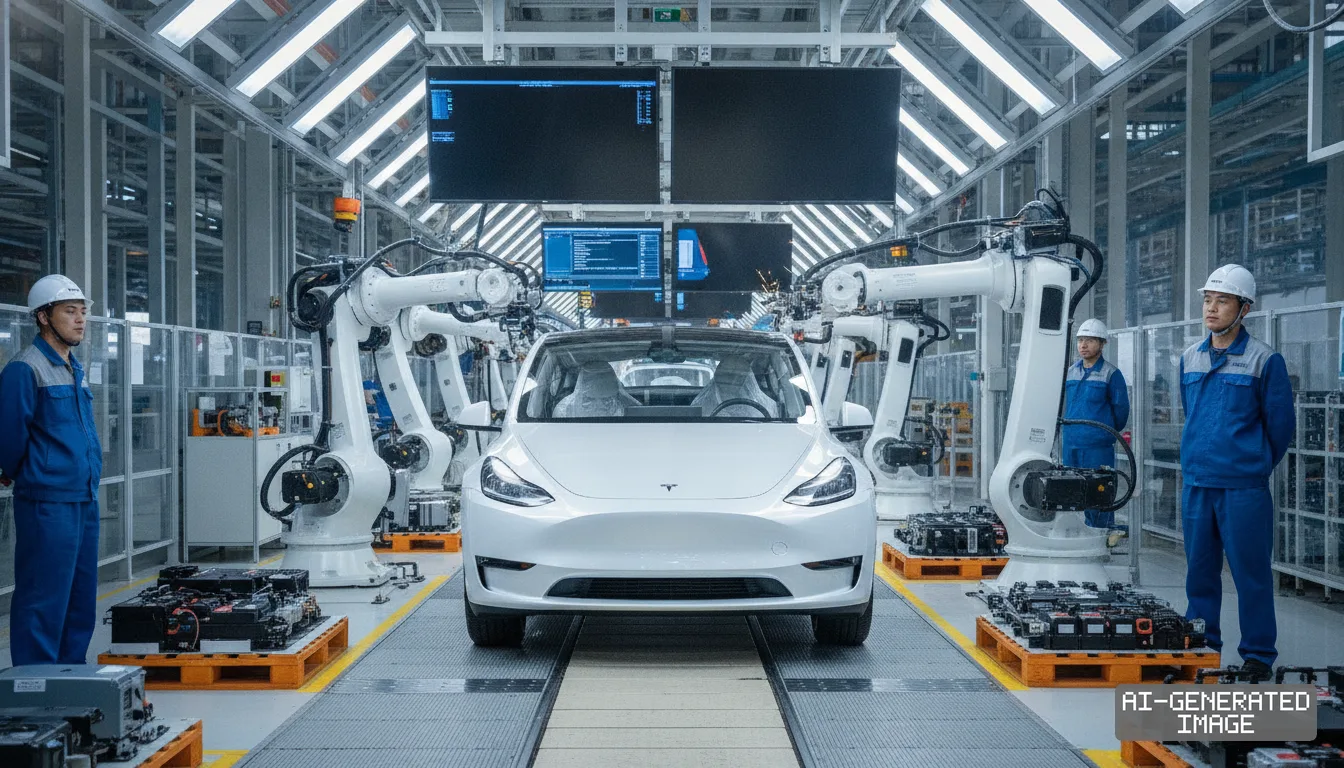
The rebound reflects a shift in production mix. Cell makers redirected manufacturing lines toward stationary storage as automakers in North America and Europe curtailed assembly schedules for battery electric cars.
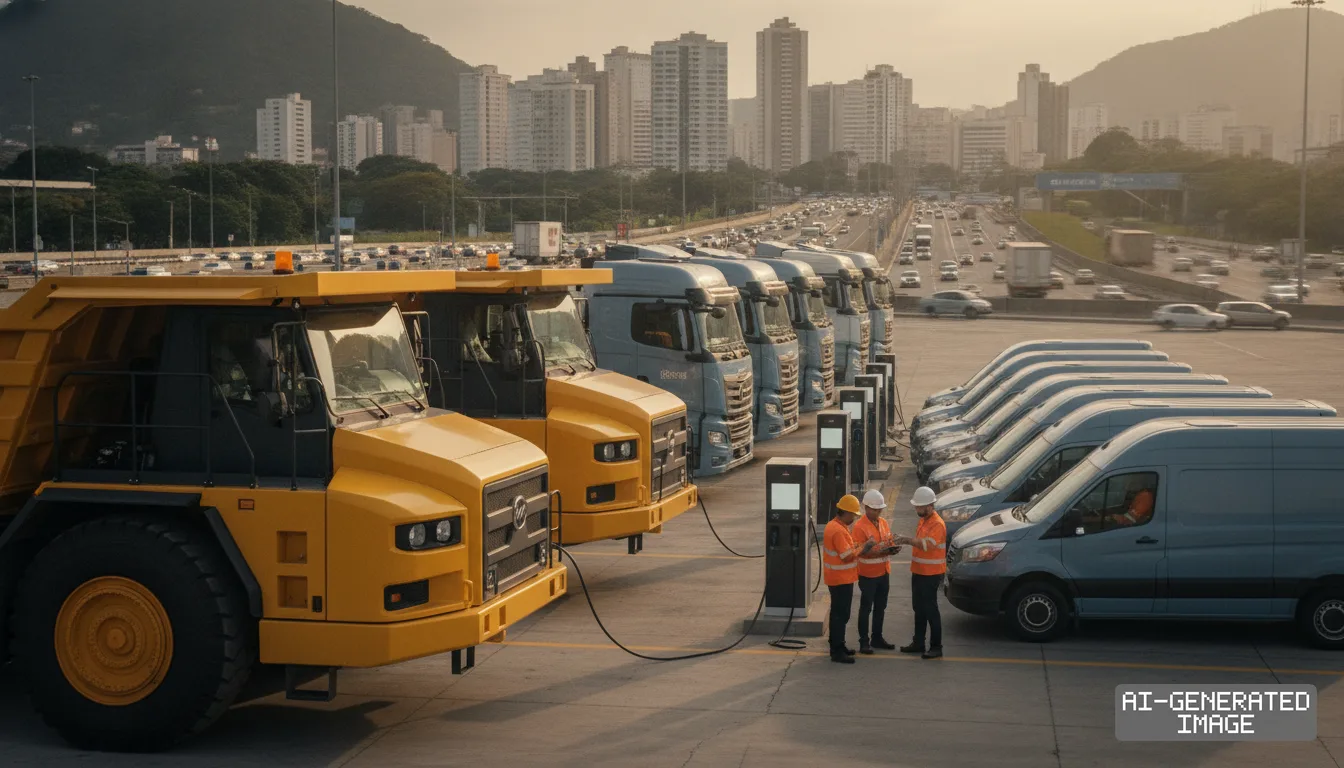
Surging demand for battery energy storage systems—known across the power sector as BESS—filled the void. Utilities require large stationary packs to stabilize transmission grids carrying intermittent solar and wind generation.
Technology companies expanding artificial intelligence computing hubs created additional demand. Data center developers install containerized battery packs and server rack units to prevent operational disruptions from sudden grid frequency drops.
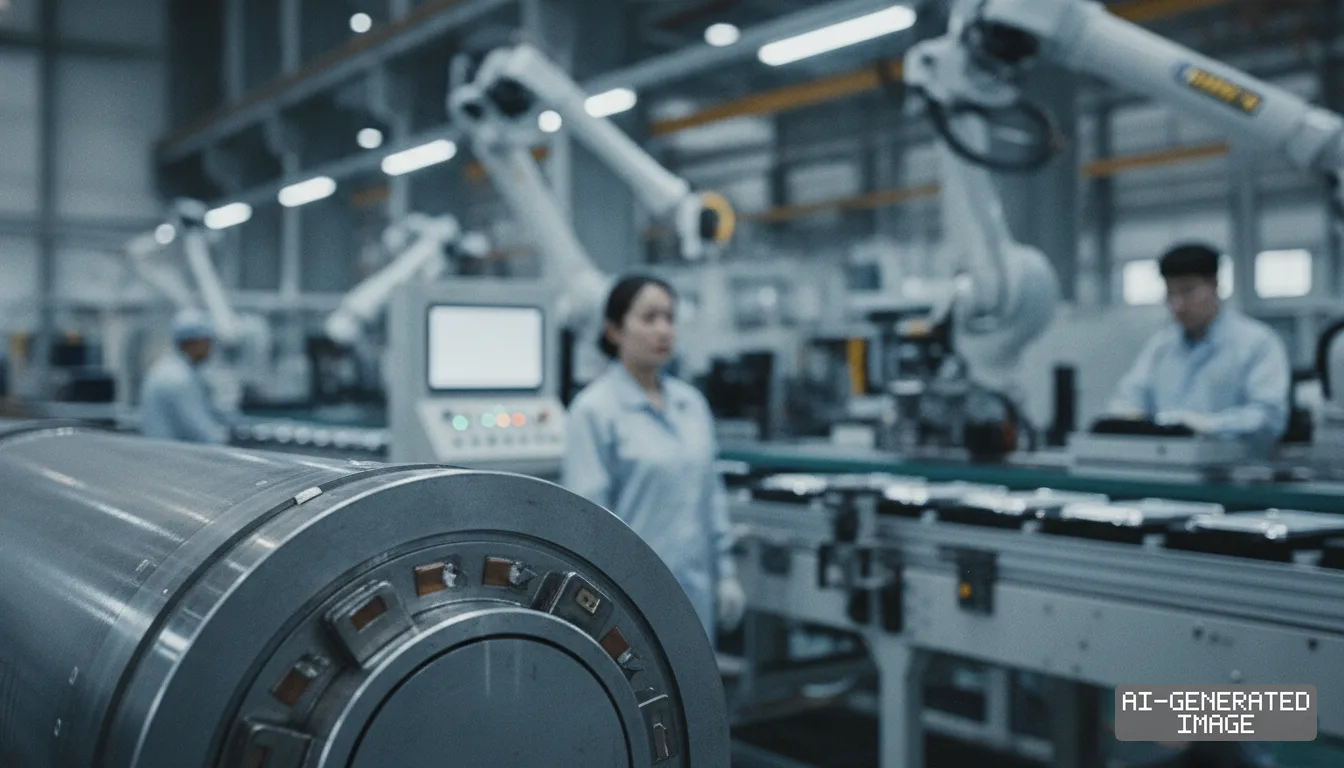
Samsung SDI expanded its footprint in this segment by supplying cylindrical 18650 and 21700 cells for server battery backup units. These uninterruptible power systems replaced slowing consumer electronics battery demand inside the small-cell unit.
The company also repurposed automotive assets for grid utility contracts. Samsung SDI converted passenger electric vehicle production lines at its StarPlus Energy joint venture with Stellantis in Kokomo, Indiana, to assemble lithium iron phosphate cells.
That line conversion supported a supply contract signed Nov. 16 with Jupiter Power, an energy storage operator backed by BlackRock. Samsung SDI agreed to deliver 16 gigawatt-hours of utility-scale storage cells between 2029 and 2031.
The agreement expanded cumulative supply commitments between Samsung SDI and Jupiter Power to 27 gigawatt-hours. The cells will be assembled into Samsung Battery Box containers equipped with local safety systems.
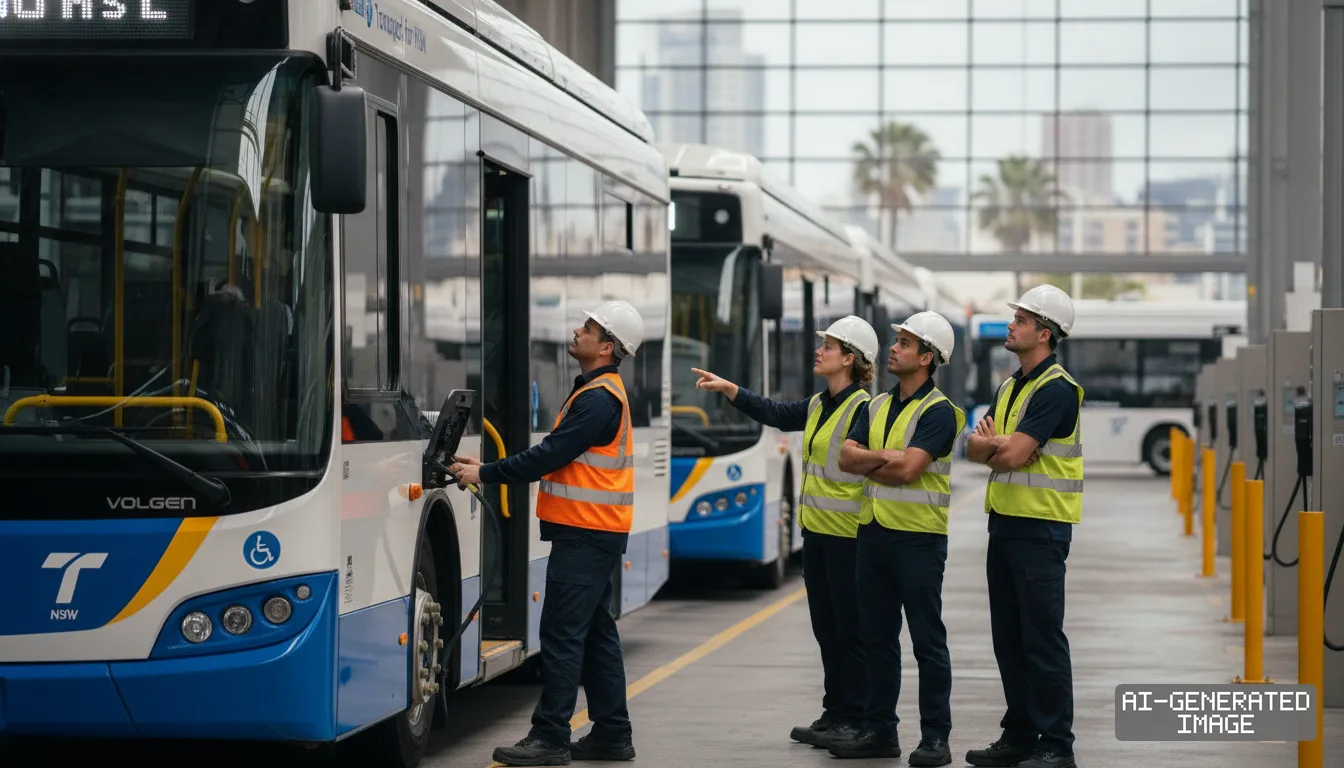
LG Energy Solution adopted an identical line-conversion approach across its North American industrial footprint. The company adjusted production setups at its facilities in Holland and Lansing, Michigan, enabling lines to toggle between vehicle and grid applications.
The company accumulated an energy storage order backlog of 160 gigawatt-hours by the end of September. Energy storage systems generated roughly 30% of total corporate revenue in the third quarter, reducing reliance on automotive supply contracts.
LG Energy Solution collected 416.9 billion won ($300 million) in third-quarter production tax credits under the United States Inflation Reduction Act. Expanded output of stationary container units at North American sites drove the credit volume.
The manufacturer signed a direct behind-the-meter storage supply contract with an American cloud computing operator in the third quarter. It also completed qualification to supply battery enclosures for server architectures designed by Nvidia.
The operational recovery at LG Energy Solution and Samsung SDI contrasts sharply with SK On, which remains tethered to passenger vehicle assembly programs without an active grid storage business.
SK On recorded a factory utilization rate of 36.4% for medium and large cells through September. That marked a decline from 48.7% across 2025, leaving more than 60% of its production capacity idle.
Line flexibility directly determines operating profitability during the automotive slowdown. Converting inactive automotive assembly bays into energy storage production spreads high plant depreciation expenses over active cell output, lowering fixed overhead per kilowatt-hour.
Samsung SDI does not disclose separate utilization rates for its large-format cell division covering utility ESS and EV batteries in its quarterly business report.
Deliveries under the 16 gigawatt-hour Jupiter Power agreement begin in 2029, while LG Energy Solution targets more than 70 gigawatt-hours of North American storage battery capacity by late 2027.
Impact map
How this development propagates across the region and out to global buyers.
| Event | Korea | China | Japan | Global impact |
|---|---|---|---|---|
| BESS demand shift | LG Energy Solution fab run rate reaches 57.1% as Samsung SDI small cells hit 78% | CATL and BYD face tighter North American utility competition from converted Korean LFP fabs | Panasonic remains exposed to automotive cell delivery schedules with slower stationary pivot | Grid utilities and AI data hubs secure 187 GWh in combined Korean energy storage backlog |
In this story
- Companies
- LG Energy SolutionSamsung SDISK On
- Tickers
- 373220.KS006400.KS096770.KS
- Exposed
- StellantisJupiter PowerNvidia
- Policy
- Tax CreditsSubsidies
- Impact
- Supply ChainCapexOrder Book
Track every Tax Credits development → Track every Subsidies development →
Related briefings
- Samsung SDI secures 16 GWh US LFP supply deal with Jupiter Power Also on Jupiter Power, Stellantis, Samsung SDI
- Korean cell makers repurpose US plant lines for grid storage Also on Stellantis, Tax Credits, SK On
- Samsung SDI buys GM stake in Indiana battery venture for ESS Also on Stellantis, Tax Credits, Samsung SDI
- Posco Holdings starts direct lithium extraction test runs for Korean cathode lines Also on Stellantis, Tax Credits, Samsung SDI
Sources
Reporting
Confidence: medium — how we grade this
The documents behind this briefing are linked above. East Asia Brief produces its English text with AI assistance under human editorial review, and does not translate or republish other outlets' articles. See our methodology and AI policy. Spotted an error? Tell us.
The Morning Brief
What changed in Korean, Chinese and Japanese industry overnight — and what it means for your supply chain. One email, weekday mornings, US time. Free.
The Morning Brief is in preparation. Leave your address and we will write to you once — when the first issue is ready. Nothing before that.