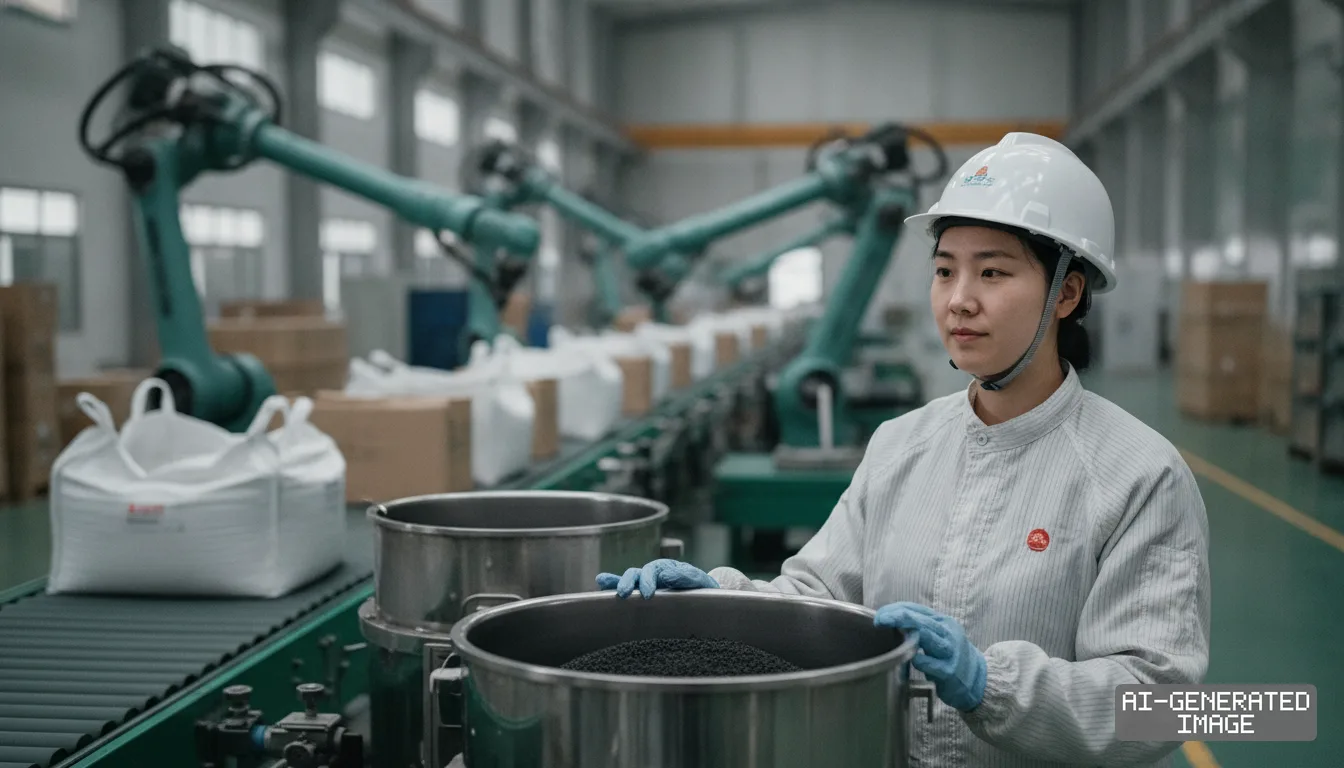
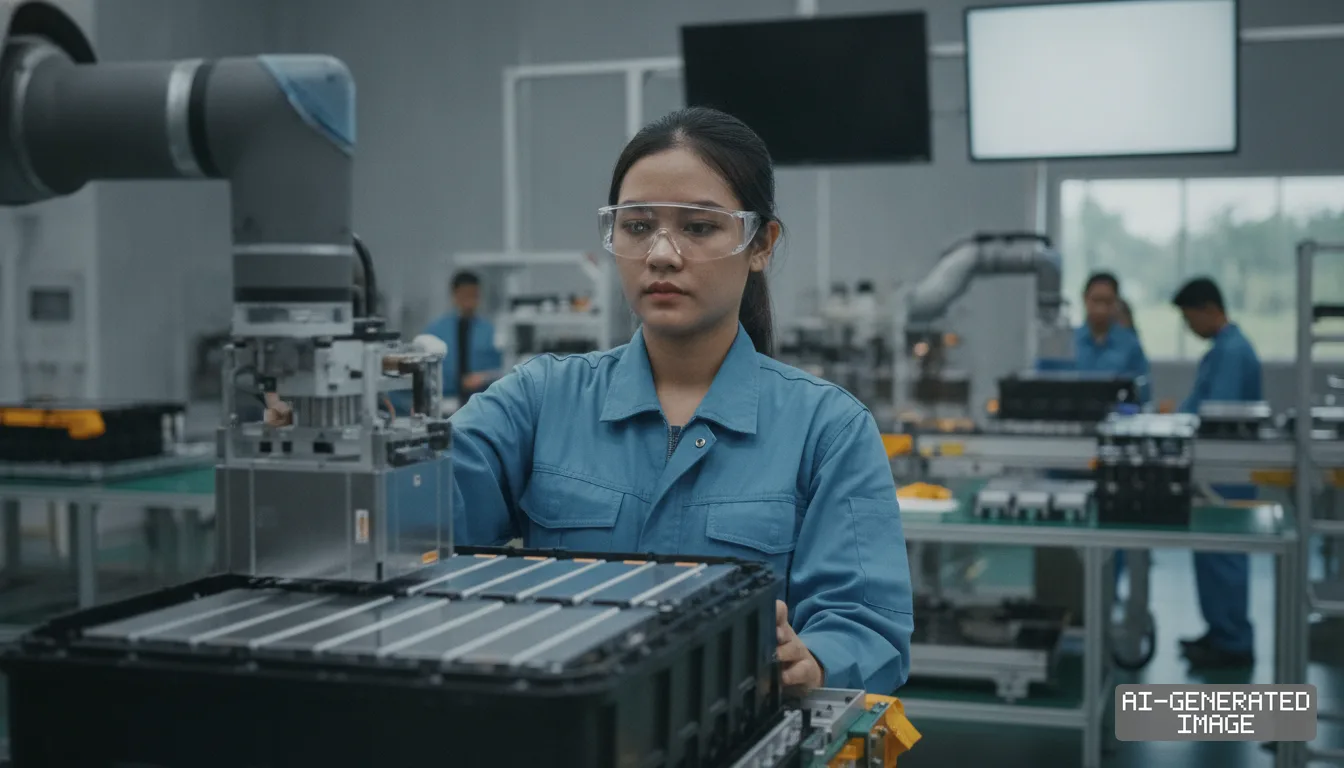
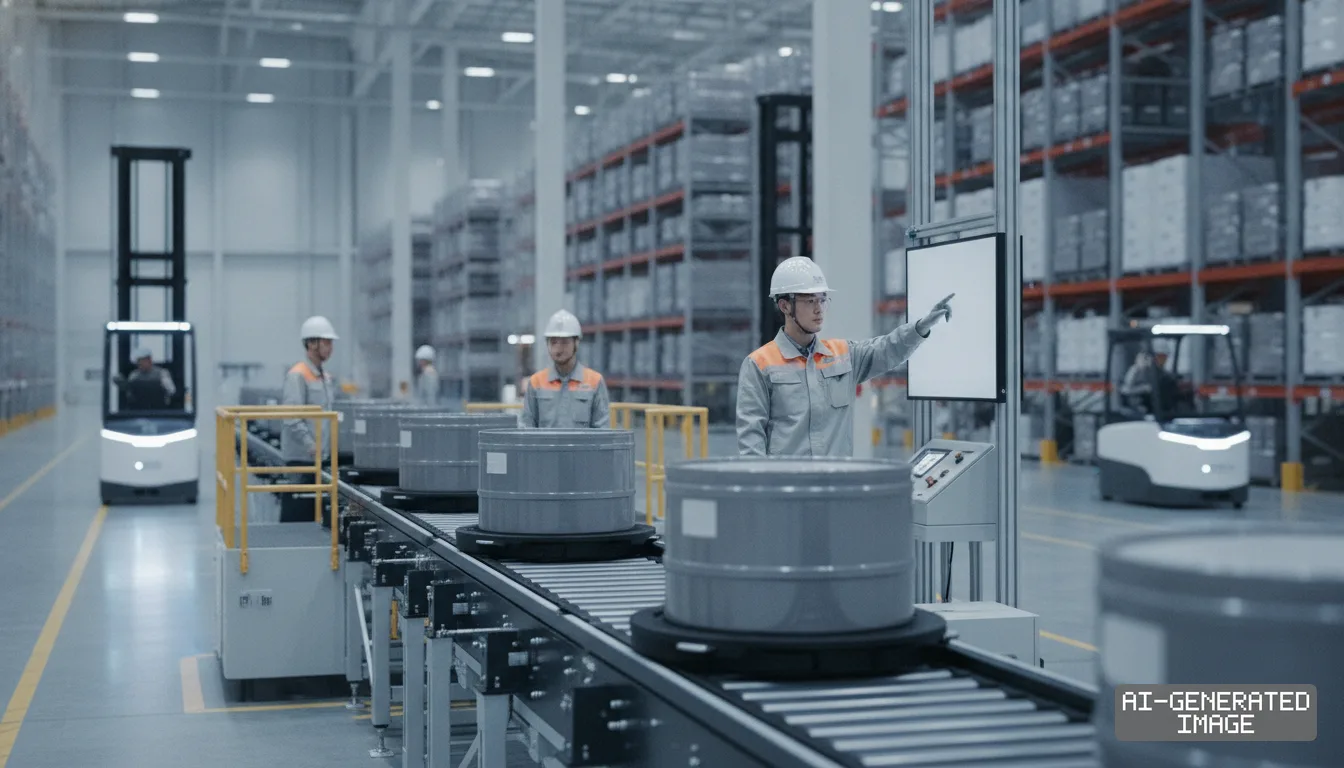
POSCO Future M tests non-China graphite anodes to meet US IRA rules
The Sejong research center evaluates hundreds of monthly cell-grade prototypes as automakers seek alternatives to Chinese suppliers that provide 92.4% of South Korea's supply.
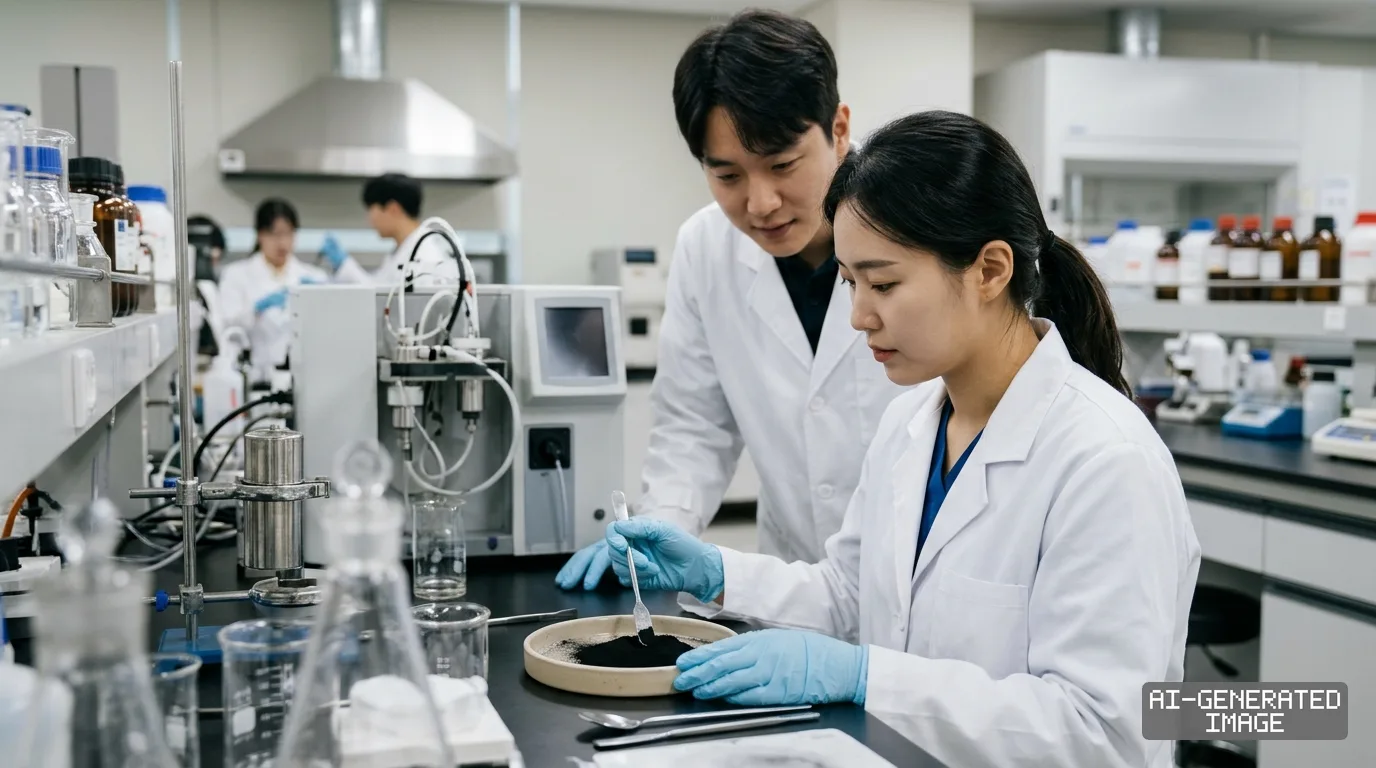
POSCO Future M accelerated qualification testing for non-Chinese battery anodes on Nov. 23, 2026, running hundreds of monthly prototype evaluations at its Sejong research center to satisfy United States clean vehicle tax rules.
The testing surge responds to automakers racing to purge Chinese graphite from supply chains before Washington enforces Foreign Entity of Concern restrictions. China supplied 92.4% of South Korea's synthetic graphite imports through May 2026.
POSCO Future M operates as South Korea's sole domestic manufacturer of natural and synthetic graphite anodes. It also remains one of the few producers outside China capable of commercial cell-grade volume.
The company is conducting final verification of its second-generation low-expansion natural graphite anode. The material reduces battery swelling by 50% compared to its first-generation predecessor, engineers at the Sejong center said.
Volume expansion during charging shortens cell lifespan in high-capacity packs. The modified crystal structure cuts charging times by 30% by expediting lithium-ion movement, the company said.
POSCO Future M aims to release the second-generation anode by the end of 2026. Initial shipments will target high-density applications, including urban air mobility craft and humanoid robotics, according to company researchers.
The Pohang-based group is also completing commercial qualification for silicon-carbon composite anodes. Silicon stores roughly five times more energy per gram than graphite, allowing thinner battery layers.
The company completed a 50-metric-ton annual demonstration plant at Pohang in 2024. Validation runs conclude this year, with engineering work starting shortly on full-scale mass production lines, researchers said.
Automakers and cordless tool manufacturers have opened pricing discussions for commercial silicon anode deliveries, POSCO Future M said. Commercial mass production is scheduled to begin in 2027.
In synthetic graphite, POSCO Future M broke ground this year on a 357 billion won ($258 million) production facility in Thai Nguyen, Vietnam. Initial plant capacity will reach 23,000 metric tons annually.
The Vietnam site can expand to 55,000 metric tons annually based on order volume. Phase-one commercial output is scheduled to start in 2028, with initial production already committed under supply agreements.
Hyundai Motor Group signed a letter of intent on Nov. 3, 2026, to evaluate a 100 billion won ($72 million) equity stake in the Vietnam facility. The investment would secure priority purchase rights for Hyundai's EV platforms.
LG Energy Solution deepened ties on Oct. 30, 2026, signing an agreement covering 720,000 metric tons of cathode and anode materials through 2033. The deal spans synthetic graphite anodes, silicon anodes and sodium-ion components.
To bypass Chinese natural graphite mining, parent POSCO Group established off-take contracts for raw flake graphite in Tanzania and Mozambique. It also partnered with California-based Molten to synthesize graphite from methane pyrolysis.
The Sejong institute has also started screening bio-pitch precursors to produce hard-carbon anodes. The material serves as the negative electrode for low-cost sodium-ion cells.
The transition away from Chinese graphite remains exposed to stringent compliance windows. Washington granted battery manufacturers a temporary transition period for critical graphite minerals under Section 30D rules, which expires Dec. 31, 2026.
POSCO Future M and LG Energy Solution plan to finalize binding contract terms by Dec. 31, 2026, setting exact supply quotas for their 720,000-ton agreement.
The company has not disclosed the capital expenditure figure for its planned commercial silicon anode facility or the precise delivery volumes allocated to each automaker.
Impact map
How this development propagates across the region and out to global buyers.
| Event | Korea | China | Japan | Global impact |
|---|---|---|---|---|
| IRA FEOC Graphite Phase-In | POSCO Future M locks 720,000-ton multi-year pipeline and adds 23,000 tons in Vietnam | Chinese refiners risk losing Korean Tier-1 anode off-take as import share drops from 92.4% | Japanese cell makers and EV OEMs gain non-Chinese qualification pipeline for North American compliance | EV cell makers diversify anode bill of materials ahead of 2027 US tax credit rules |
In this story
- Companies
- POSCO Future M
- Tickers
- 003670.KS
- Exposed
- Hyundai Motor GroupLG Energy Solution
- Policy
- Local Content Rules
- Impact
- Supply ChainOrder BookCapex
Track every Local Content Rules development →
Related briefings
- POSCO Future M anchors $260M Vietnam anode site to bypass China Also on Hyundai Motor Group, POSCO Future M, Local Content Rules
- Hyundai Motor pursues $75M anode stake with POSCO Future M Also on Hyundai Motor Group, POSCO Future M, Local Content Rules
- LG Energy Solution beats profit views on grid battery orders Also on Hyundai Motor Group, LG Energy Solution, Order Book
- LG hires Hyundai robotics lead to direct physical AI push Also on Hyundai Motor Group, Order Book
Sources
Primary documents
Confidence: high — how we grade this
The documents behind this briefing are linked above. East Asia Brief produces its English text with AI assistance under human editorial review, and does not translate or republish other outlets' articles. See our methodology and AI policy. Spotted an error? Tell us.
The Morning Brief
What changed in Korean, Chinese and Japanese industry overnight — and what it means for your supply chain. One email, weekday mornings, US time. Free.
The Morning Brief is in preparation. Leave your address and we will write to you once — when the first issue is ready. Nothing before that.