BYD weighs Indonesia battery plant as 2027 local rule looms
The carmaker operates an 11.7 trillion rupiah assembly site in Subang with 40% to 45% local content but must raise the ratio to qualify for incentives.
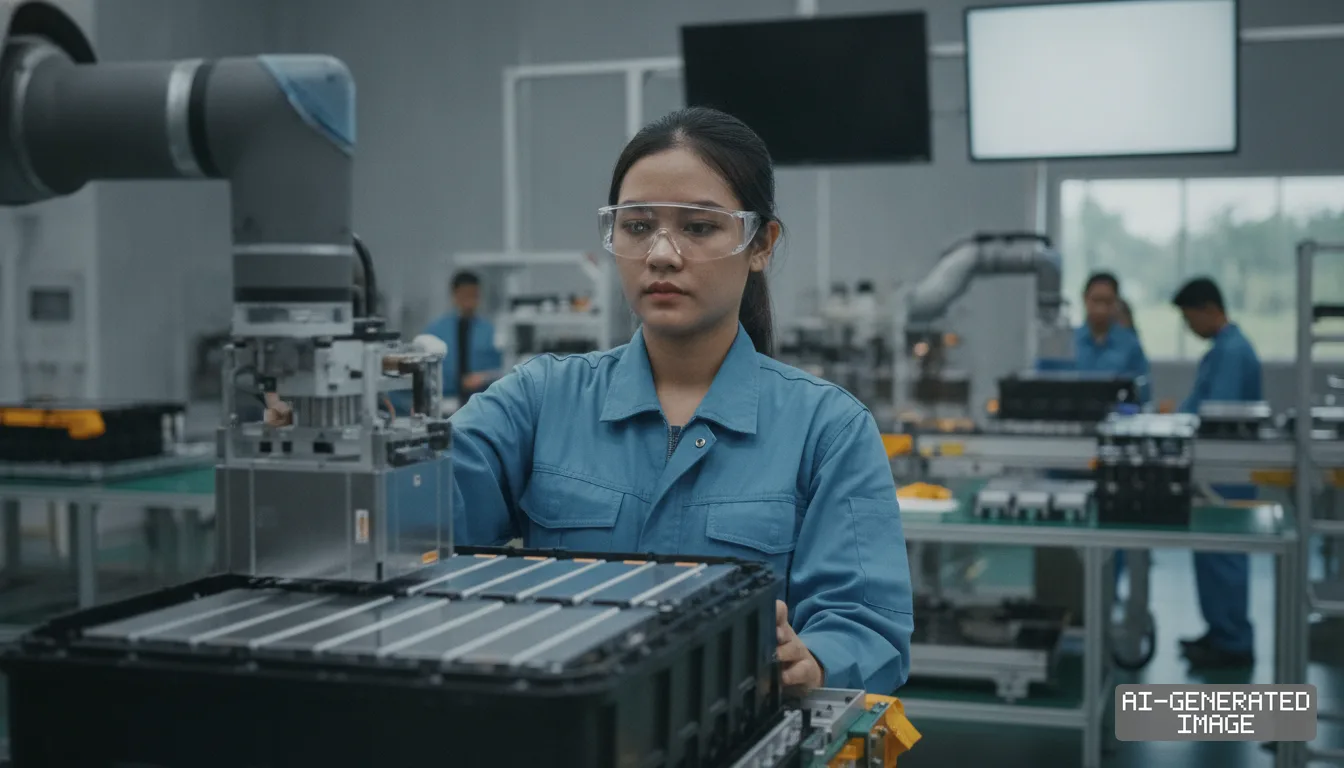
PT BYD Motor Indonesia is accelerating internal reviews on Nov. 23, 2026 for domestic battery pack assembly and cell sourcing, facing tougher Indonesian supply chain mandates starting in 2027.
The Indonesian government enforces local content certification — known as TKDN — to force foreign carmakers beyond basic vehicle assembly and develop domestic manufacturing depth.
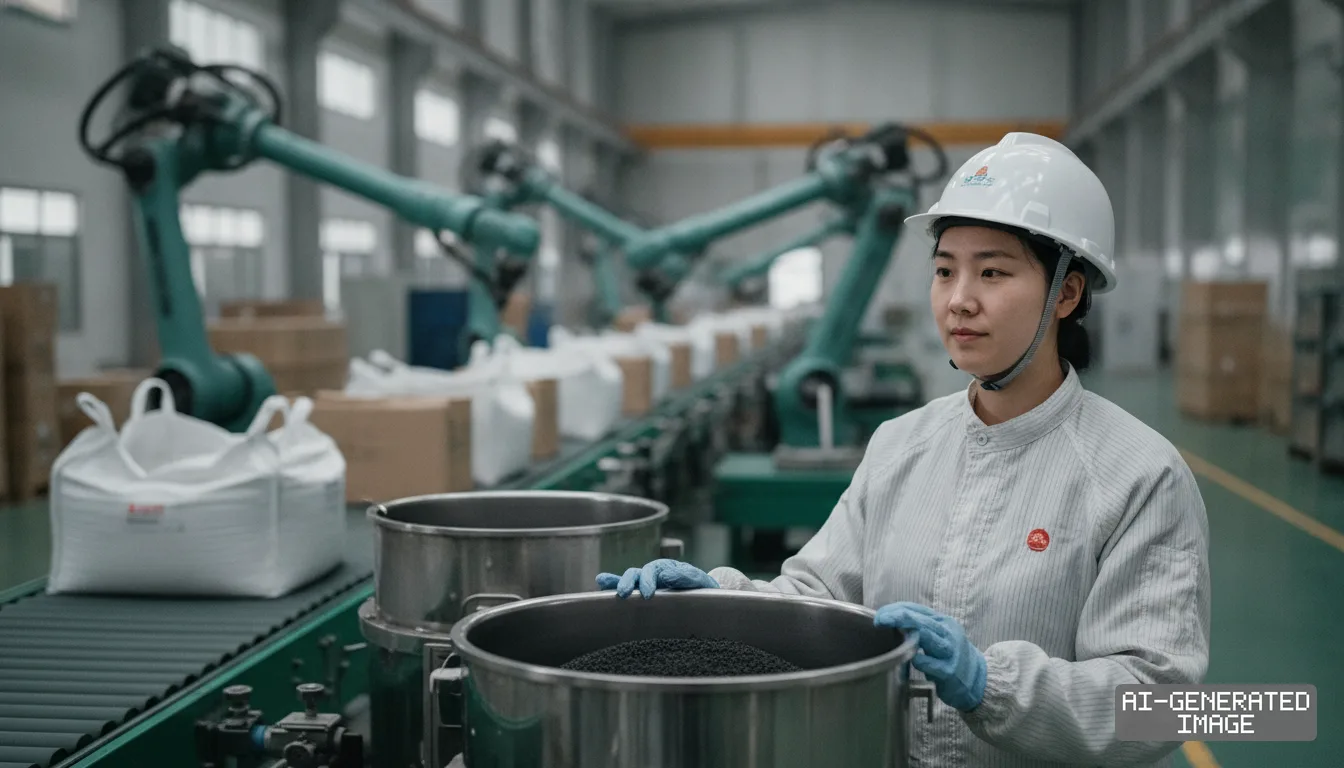
BYD opened its 11.7 trillion rupiah ($700 million) manufacturing facility in Subang Smartpolitan, West Java, on Sept. 3, 2026. The 126-hectare complex has an annual production capacity of 150,000 electric vehicles.
Current assembly operations at the Subang facility operate with a local component ratio between 40% and 45%, according to the Ministry of Industry. That content level satisfies current baseline standards for fiscal relief.
Under Presidential Regulation No. 79/2023, Indonesia raises the minimum local content threshold for electric passenger cars to 60% for the 2027 to 2029 period. The mandatory ratio steps up to 80% in 2030.
Automakers that fail to reach the 60% local component threshold by 2027 risk disqualification from state fiscal programs. Those incentives include exemptions on import duties for knocked-down kits and reductions in the luxury sales tax.
Industry Minister Muhammad Sarmuji confirmed the mandatory regulatory schedule during industrial briefings in Jakarta. Domestic electric car production must transition directly into local component procurement to preserve state support, Sarmuji said.
Tingkat Komponen Dalam Negeri, or TKDN, calculates the verifiable share of domestic raw materials, Indonesian labor and local machinery in a manufactured vehicle. The score determines government procurement eligibility and tax relief rates.
The battery pack accounts for roughly 40% to 50% of the production cost of an electric passenger vehicle. Automakers cannot reach the 60% domestic content mark without establishing local battery pack assembly, ministry officials said.
PT BYD Motor Indonesia Head of Public and Government Relations Luther Panjaitan addressed the technical roadmap during facility reviews in Subang. Localizing battery assembly represents the central operational path to satisfy the 2027 mandate, Panjaitan said.
The Chinese automaker is reviewing plans to deploy its second-generation Blade Battery system across Indonesian manufacturing lines, Panjaitan said. The system uses lithium iron phosphate chemistry and mounts directly to the vehicle chassis.
BYD is currently evaluating commercial supply agreements with more than 200 local parts makers across Java. The Subang plant employs over 5,000 domestic workers, with plans to expand employment toward 20,000 staff at full operational scale.
The automaker has not finalized capital expenditure or construction dates for a dedicated battery cell fabrication line in West Java. Large cell manufacturing investments require extensive technical review and remain under internal economic calculation, Panjaitan said.
Setia Diarta, director general for metal, machinery, transport and electronics at the Ministry of Industry, clarified the regulatory mechanics in Jakarta. Vehicle manufacturers can satisfy the 60% TKDN standard by running battery pack integration inside Indonesia, Diarta said.
The ministry's regulatory assessment allows automakers to contract with domestic battery pack assemblers instead of building integrated cell chemical lines immediately. That provision gives BYD a pathway to maintain vehicle subsidies while studying dedicated cell fab construction.
BYD initially discussed potential battery manufacturing facilities and plug-in hybrid vehicle assembly during ministerial investment sessions in December 2024. The Indonesian government has pressed the automaker to integrate downstream with domestic mineral processing.
The Subang site represents BYD's thirteenth factory worldwide and houses full-cycle manufacturing lines, including stamping, body welding, painting and vehicle assembly. The facility produces the BYD M6 multi-purpose vehicle alongside passenger models.
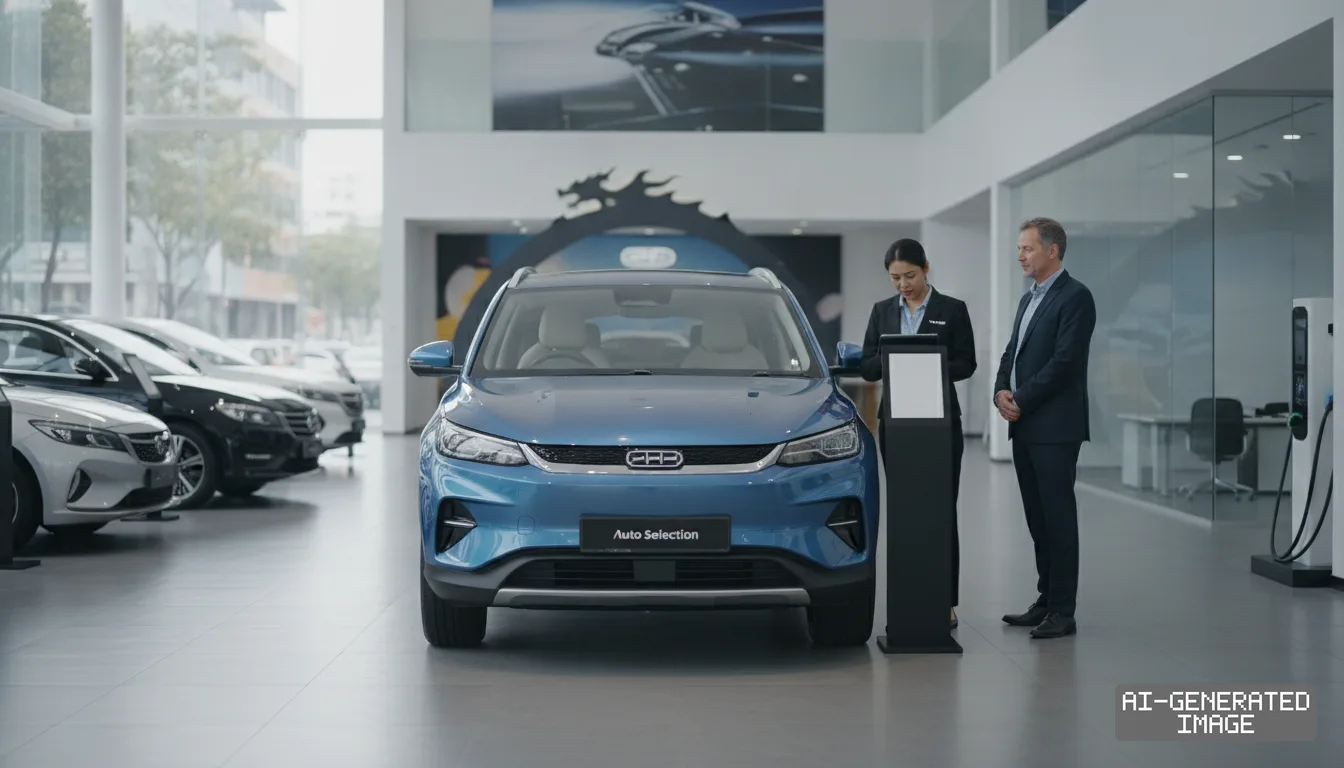
Indonesia's registered electric vehicle fleet expanded to 541,000 units by August 2026 across two-wheelers, passenger cars and commercial utility vehicles. Expanding regional demand has made domestic production scale critical for Chinese EV manufacturers.
The Ministry of Industry enforces the 60% local content mandate on Jan. 1, 2027. Automakers operating in Indonesia must complete domestic battery integration before that date to protect wholesale vehicle pricing.
The company has not published a finalized capital expenditure figure or construction schedule for a dedicated Indonesian battery cell fabrication plant. BYD has filed no regulatory disclosure on the Hong Kong Stock Exchange confirming a standalone cell facility.
Impact map
How this development propagates across the region and out to global buyers.
| Event | Korea | China | Japan | Global impact |
|---|---|---|---|---|
| Indonesia TKDN 60% rule | Hyundai Motor faces identical 60% threshold at Cikarang assembly plant | BYD must localize Blade Battery assembly in Subang to retain fiscal relief | Japanese hybrid builders must increase local electronics procurement | Automakers shift from knock-down export kits to Southeast Asian pack assembly |
In this story
- Companies
- BYD
- Tickers
- 002594.SZ
- Policy
- Local Content RulesSubsidies
- Impact
- Supply ChainCapexCompliance
Track every Local Content Rules development → Track every Subsidies development →
Related briefings
- Thailand convenes 50 auto bodies to enforce Chinese EV parts quotas Also on Local Content Rules, BYD, Compliance
- Vietnam links Guangdong investment talks to tech transfer Also on Local Content Rules, BYD, Compliance
- BYD evaluates Portugal refinery site for European EV battery fab Also on Local Content Rules, BYD, Compliance
- BYD and Volgren deliver 95 electric buses for Sydney transit fleet Also on Local Content Rules, BYD, Compliance
Sources
Primary documents
Reporting
Confidence: high — how we grade this
The documents behind this briefing are linked above. East Asia Brief produces its English text with AI assistance under human editorial review, and does not translate or republish other outlets' articles. See our methodology and AI policy. Spotted an error? Tell us.
The Morning Brief
What changed in Korean, Chinese and Japanese industry overnight — and what it means for your supply chain. One email, weekday mornings, US time. Free.
The Morning Brief is in preparation. Leave your address and we will write to you once — when the first issue is ready. Nothing before that.