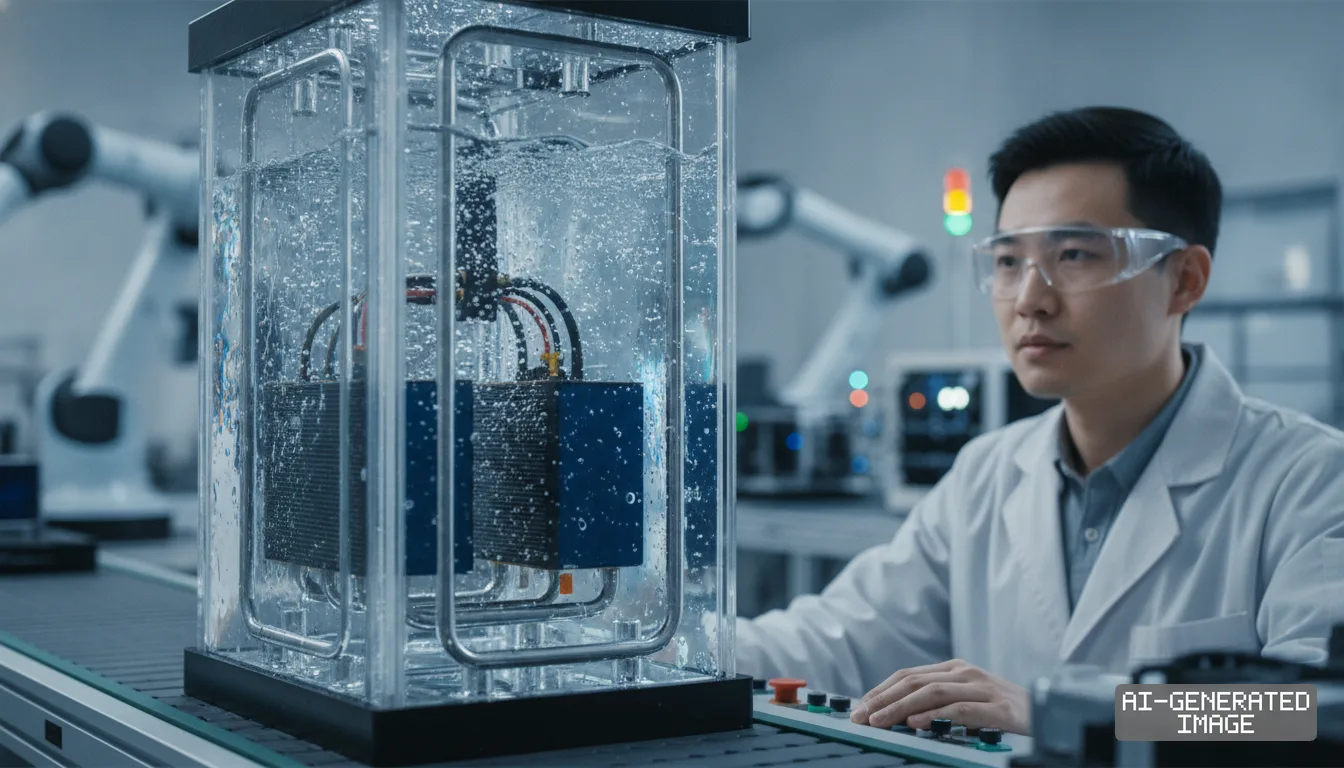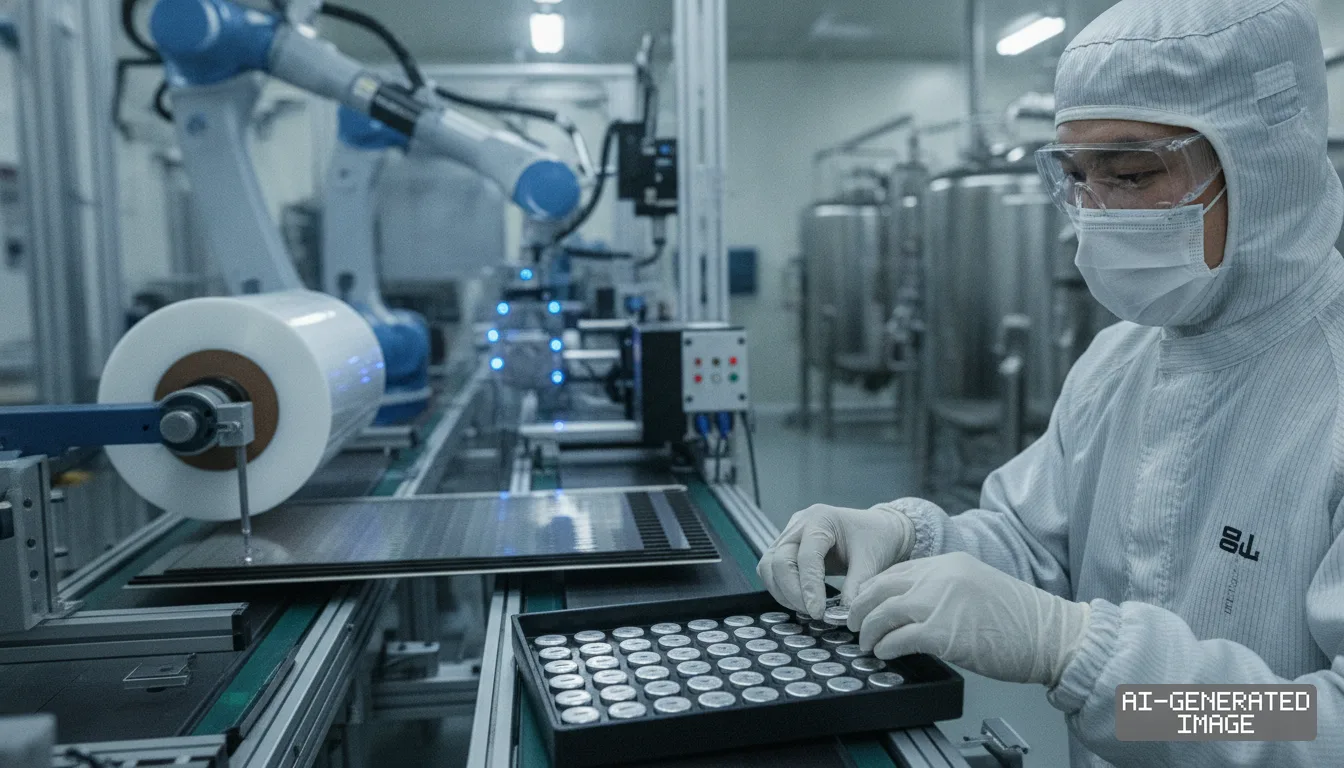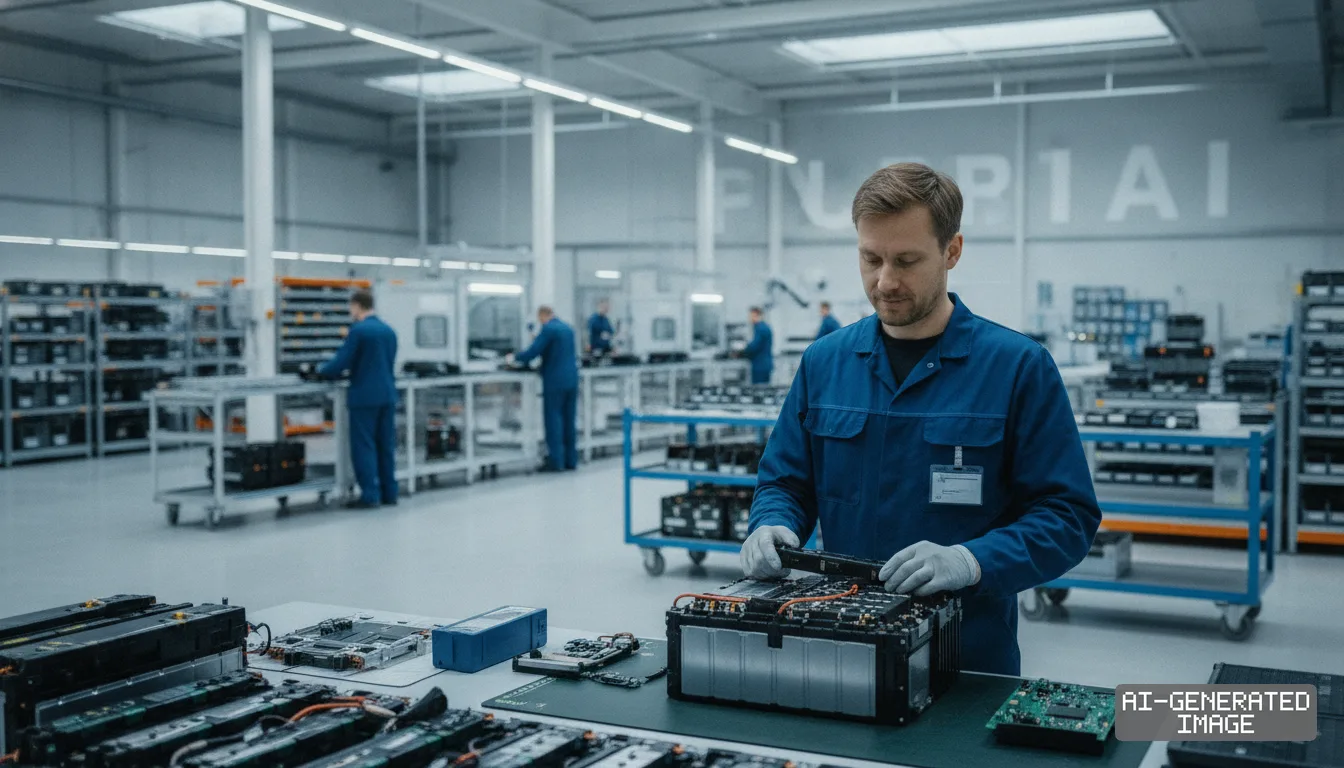
POSCO Future M signs $4.5B LFP cathode deal with Samsung SDI through 2032
The six-year contract expands Samsung SDI's procurement basket to non-Chinese iron phosphate chemistries while raising aggregate delivery volumes by 45%.
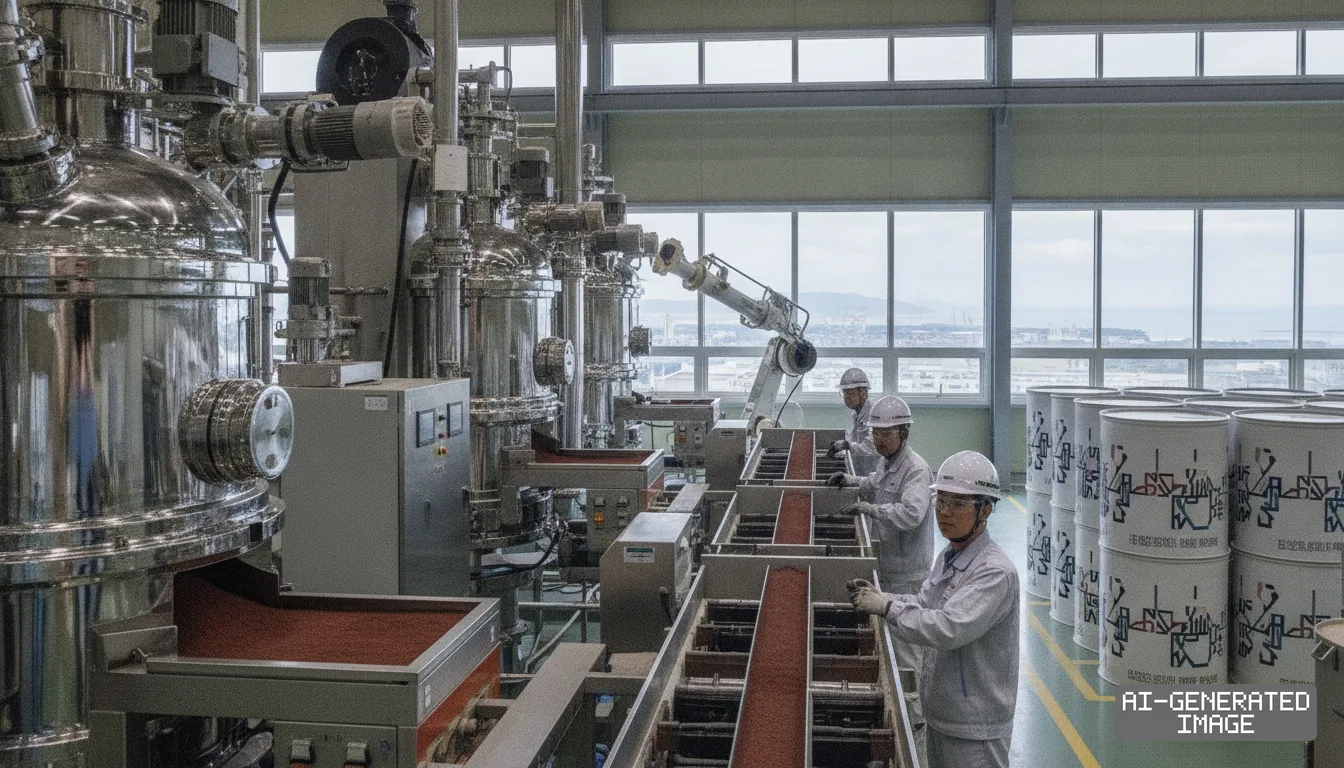
POSCO Future M signed an agreement on Oct. 6, 2026, to supply 6.05 trillion won ($4.48 billion) of lithium iron phosphate cathode materials to Samsung SDI.
The contract runs from Jan. 1, 2027 to Dec. 31, 2032. It marks the first large-scale domestic commercialization of iron-based chemistries by a South Korean cell manufacturer.
Yoon Tae-il, head of energy materials marketing at POSCO Future M, signed the pact with Lee Kwang-soo, head of procurement at Samsung SDI, at the Dongtan business facility.
The transaction amends and consolidates an earlier 10-year contract signed in January 2023. That agreement originally covered 40.03 trillion won of high-nickel NCA cathode materials through 2032.
NCA refers to nickel-cobalt-aluminum chemistries tailored for long-range electric vehicles. Lower raw lithium prices reduced the value of that original NCA commitment to 15.20 trillion won.
Combining the revised NCA commitment with the new LFP order lifts total contract value to 21.25 trillion won. Total physical material volume delivered to Samsung SDI increases by roughly 45%.
The definitive order doubles an initial preliminary agreement reached in August. That initial framework outlined deliveries of 190,000 metric tons valued at approximately 3 trillion won.
Samsung SDI broadened its procurement volume to meet expanding production schedules for energy storage systems and entry-level electric cars. Both sectors rely on low-cost iron phosphate cells.
South Korean battery makers previously concentrated capital on high-nickel chemistries, ceding low-cost LFP markets to Chinese manufacturers. Chinese producers maintain more than 90% of global LFP refining capacity.
The new structure establishes a master procurement agreement between the two companies. The framework standardizes terms across multiple chemical formulations rather than handling individual product orders separately.
Under the expanded pact, the companies also agreed to broaden cooperation into lithium manganese oxide cathode materials and synthetic graphite anode materials.
Graphite serves as the negative electrode active material, where synthetic variants offer longer battery cycle life than natural graphite flakes. POSCO Future M operates artificial graphite capacity in Pohang.
Samsung SDI gains a domestic supply channel compliant with United States Foreign Entity of Concern guidelines. Those rules restrict tax credits for cells containing battery components sourced from Chinese entities.
POSCO Future M is converting portions of its high-nickel cathode production lines in Pohang to LFP processing. The company targets initial mass output from the converted line by late December.
The supplier is also constructing a dedicated joint manufacturing plant in Pohang capable of producing up to 50,000 metric tons of LFP cathode materials annually starting next year.
Securing multiyear baseload demand stabilizes plant operating rates across the Pohang complex. High utilization helps the supplier amortize capital spending and secure upstream lithium carbonate and iron phosphate precursors.
The transaction follows a separate LFP cathode contract POSCO Future M signed with SK On on Sept. 22. That agreement entails 1.07 trillion won of cathode shipments from 2027 through 2029.
SK On plans to install those LFP cathode materials into utility-scale storage batteries assembled at its manufacturing plant in the US state of Georgia.
The regulatory filing does not state the exact metric tonnage of LFP cathode materials fixed under the final agreement, which POSCO Future M described only as more than double the August pact.
Contract deliveries commence Jan. 1, 2027 and run through Dec. 31, 2032 across all designated cell manufacturing facilities.
Impact map
How this development propagates across the region and out to global buyers.
| Event | Korea | China | Japan | Global impact |
|---|---|---|---|---|
| POSCO Future M LFP supply agreement | POSCO Future M locks in 6.05 trillion won in non-Chinese LFP volume for Samsung SDI | Chinese LFP exporters face reduced market share in US-bound ESS supply chains | Panasonic faces stiffer competition in non-Chinese storage cell integration | North American battery assembly gains IRA-compliant iron phosphate cell inputs |
In this story
- Companies
- POSCO Future MSamsung SDI
- Tickers
- 003670.KS006400.KS
- Exposed
- SK On
- Policy
- Economic SecuritySubsidies
- Impact
- Supply ChainOrder BookCapex
Track every Economic Security development → Track every Subsidies development →
Related briefings
- SK On orders $118 million in LFP cathodes from L&F for storage Also on POSCO Future M, SK On, Samsung SDI
- POSCO Future M signs $776M LFP cathode supply deal with SK On Also on POSCO Future M, SK On, Samsung SDI
- South Korea Expands Advanced Battery Tax Credits to Rebalance Domestic Fabs Also on POSCO Future M, SK On, Samsung SDI
- China Customs tightens origin documentation for graphite transit shipments Also on Posco Future M, SK On, Samsung SDI
Sources
Primary documents
Reporting
Confidence: high — how we grade this
The documents behind this briefing are linked above. East Asia Brief produces its English text with AI assistance under human editorial review, and does not translate or republish other outlets' articles. See our methodology and AI policy. Spotted an error? Tell us.
The Morning Brief
What changed in Korean, Chinese and Japanese industry overnight — and what it means for your supply chain. One email, weekday mornings, US time. Free.
The Morning Brief is in preparation. Leave your address and we will write to you once — when the first issue is ready. Nothing before that.