EcoPro BM and Samsung SDI agree to co-develop solid-state materials
South Korea's top cathode maker and cell producer sign an agreement to commercialize sulfide-based solid-state batteries by 2027.
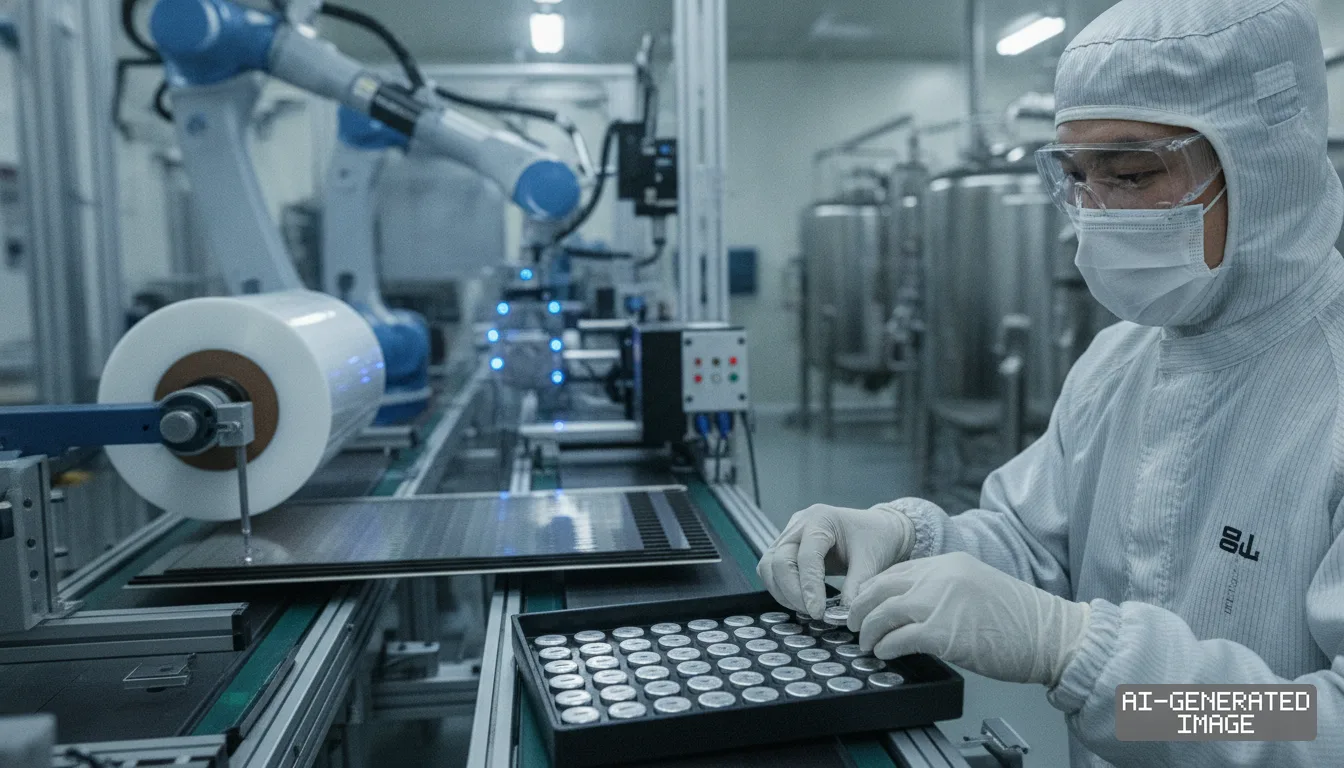
EcoPro BM and Samsung SDI agreed Oct. 6, 2026 to jointly develop materials for sulfide-based solid-state batteries, targeting commercial line qualification and mass production by 2027.
The partnership binds South Korea's largest cathode active material exporter directly to Samsung SDI's pilot vehicle cell development program. The agreement spans cathode materials, cathode electrolytes and separator electrolytes.
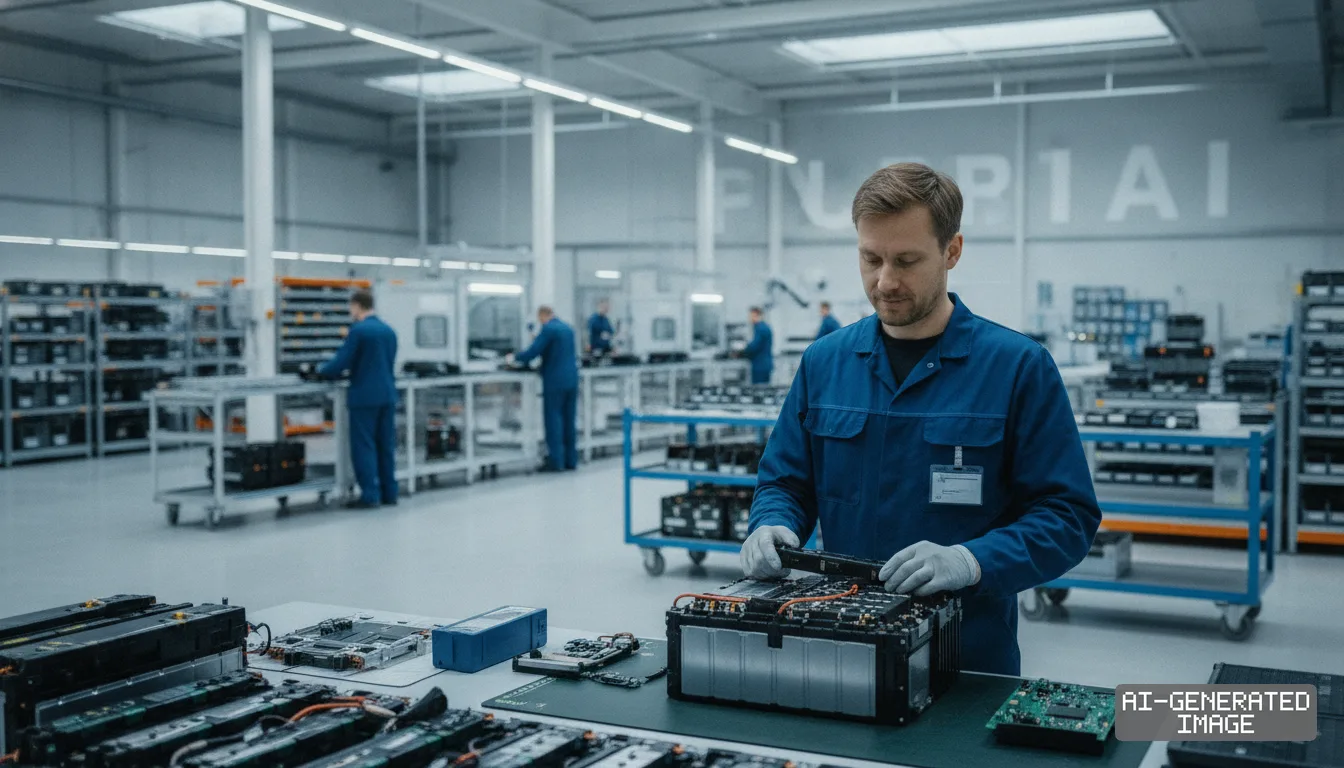
EcoPro BM currently operates a pilot plant with an annual production capacity of 40 metric tons of sulfide solid electrolyte. The facility provides test samples to automotive cell manufacturers seeking non-flammable battery chemistry.
Solid-state cells replace flammable liquid organic electrolytes with solid compounds — substances that conduct lithium ions between electrodes at ambient temperatures while eliminating thermal runaway risks.
The collaboration coordinates engineering work across the full development chain. Both companies will share technical criteria from initial material synthesis to battery cell assembly and mass production line construction, EcoPro BM said.
Samsung SDI will direct cell architecture and manufacturing scale-up. The battery maker is validating cell designs for electric vehicle packs and high-power humanoid robotics applications, according to company statements.
EcoPro BM assumes responsibility for synthesizing proprietary sulfide-based solid electrolytes. The supplier will also formulate specialized high-nickel cathode formulations engineered to maintain particle cohesion against solid electrolyte interfaces.
Sulfide chemistries offer the highest ionic conductivity among solid electrolytes. However, the materials react with ambient atmospheric moisture to release toxic hydrogen sulfide gas, requiring sealed dry-room environments and specialized processing equipment.
The corporate alliance aligns with South Korea's industrial policy to accelerate domestic battery component commercialization. Seoul aims to counter Chinese dominance in standard lithium iron phosphate and liquid-electrolyte nickel cells.
South Korea's Ministry of Trade, Industry and Energy selected EcoPro BM in August for its "Super Eul" national supplier initiative. The program designates prospective world-class component vendors for targeted support.
Under the state program, the ministry granted EcoPro BM up to 20 billion won ($14.8 million) in research funding across seven years to commercialize sulfide electrolyte synthesis technologies.
The ministry also identified all-solid-state technology as a core national strategic asset in its battery sector technology roadmap, pledging regulatory backing for collaborative supply chain frameworks.
EcoPro BM had previously told investors in July that it completed basic engineering designs for commercial-scale solid electrolyte production lines. The company prepared site work to begin construction once customer procurement schedules solidify.
Executive Director Gong Bo-hyun of EcoPro BM's research division stated during the July briefing that 2027 represents the earliest realistic mass production date for its proprietary electrolyte materials.
Samsung SDI has maintained a 2027 commercial target since inaugurating its dedicated pilot facility in Suwon, South Korea. The company has produced sample cells for prospective automotive customers.
The agreement deepens historical ties between the two companies. EcoPro BM and Samsung SDI already operate EcoPro EM, a joint cathode manufacturing venture that supplies cathode active materials for prismatic electric vehicle cells.
Sulfide electrolyte production requires secure precursor supply chains, particularly lithium sulfide. Establishing reliable local sourcing for high-purity inputs remains an operational priority for both partners as pilot volumes expand.
Scaling solid-state chemistry involves solving electrode interface resistance. Repeated volumetric expansion during battery charging can delaminate solid particles, causing rapid cell degradation unless specialized pressures and coating binders are applied.
By collaborating at the molecular design stage, the two companies plan to harmonize particle hardness and surface coating formulations before committing capital to full-scale automated lines.
The memorandum does not disclose capital expenditures, joint venture equity shares or binding supply commitments between the two companies.
Line construction decisions for commercial volumes will depend on cell validation results from customer testing phases scheduled through the end of 2026.
Impact map
How this development propagates across the region and out to global buyers.
| Event | Korea | China | Japan | Global impact |
|---|---|---|---|---|
| Solid-state battery materials pact | Samsung SDI and EcoPro BM align 40-ton pilot line to 2027 commercial target | CATL and BYD maintain dominance in liquid LFP while pursuing polymer-sulfide hybrids | Toyota and Idemitsu Kosan face direct Korean competition in sulfide electrolyte timeline | EV and humanoid robotics sectors gain second commercial sulfide battery supply chain |
In this story
- Companies
- EcoPro BMSamsung SDI
- Tickers
- 247540.KQ006400.KS
- Policy
- Subsidies
- Impact
- Supply ChainCapexOrder Book
Track every Subsidies development →
Related briefings
- EcoPro replaces affiliate CEOs to defend margins in EV slump Also on EcoPro BM, Samsung SDI
- CATL targets 2027 pilot output for all-solid-state batteries Also on EcoPro BM, Samsung SDI
- Korea Precursor Makers Ramp Sulfide Battery Materials for 2027 Pilot Lines Also on EcoPro BM, Samsung SDI
- South Korea Expands Advanced Battery Tax Credits to Rebalance Domestic Fabs Also on EcoPro BM, Samsung SDI
Sources
Reporting
Confidence: medium — how we grade this
The documents behind this briefing are linked above. East Asia Brief produces its English text with AI assistance under human editorial review, and does not translate or republish other outlets' articles. See our methodology and AI policy. Spotted an error? Tell us.
The Morning Brief
What changed in Korean, Chinese and Japanese industry overnight — and what it means for your supply chain. One email, weekday mornings, US time. Free.
The Morning Brief is in preparation. Leave your address and we will write to you once — when the first issue is ready. Nothing before that.