POSCO Future M sets 105,000-ton LFP cathode roadmap in Pohang
The battery materials supplier will retool Korean production lines to supply iron-based cathodes to North American utility-scale storage developers.
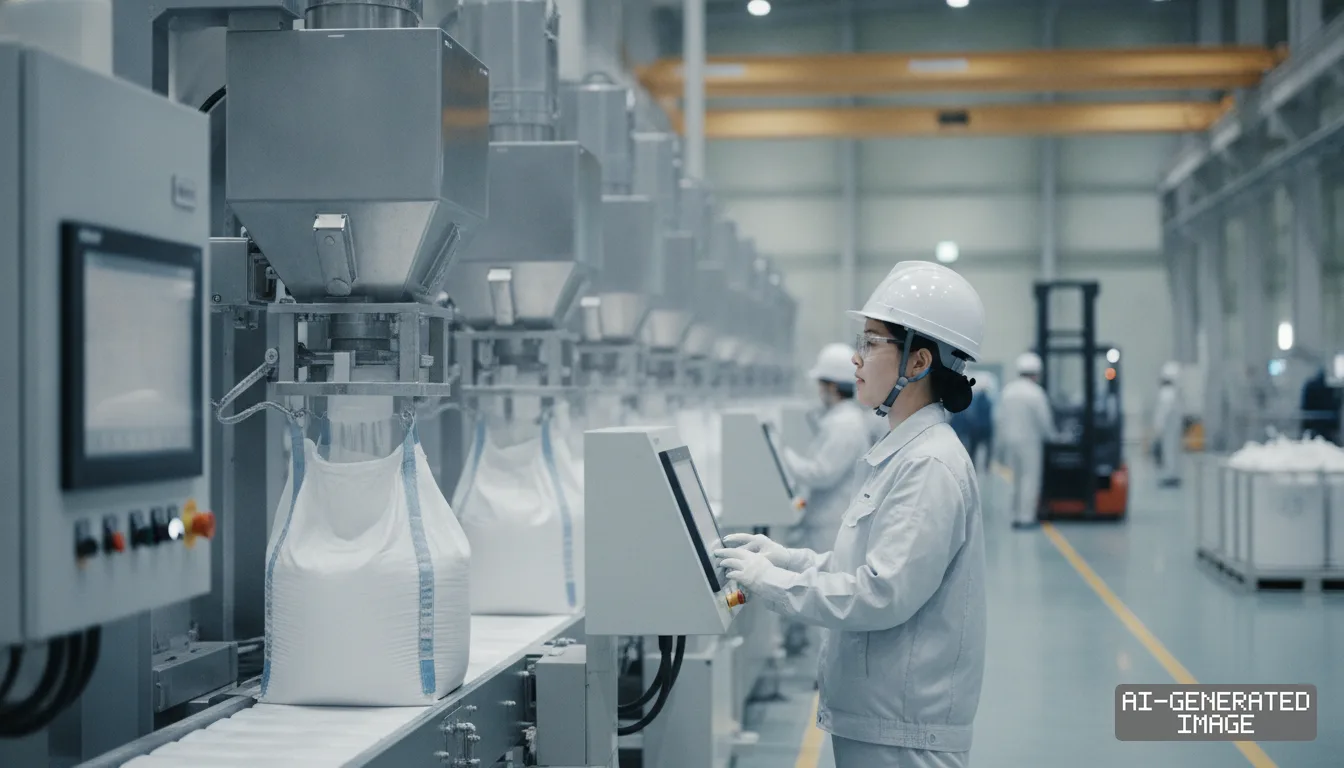
POSCO Future M filed its third-quarter financial report on Nov. 13, 2026, formalizing a manufacturing roadmap to produce 105,000 metric tons of lithium iron phosphate cathode active materials annually in Pohang.
The South Korean supplier, which previously focused on high-nickel chemistries, is retooling production lines to serve North American energy storage developers seeking non-Chinese battery materials. The pivot targets grid-scale batteries backed by utility contracts.
Operating profit reached 82.1 billion won ($59.6 million) in the third quarter, rising 23.2% from a year earlier, company filings show. Revenue contracted 4.6% to 834.8 billion won ($606 million).
The energy materials division delivered 51.8 billion won of operating profit during the quarter. That unit produces cathode and anode materials for cell manufacturers in South Korea and North America.
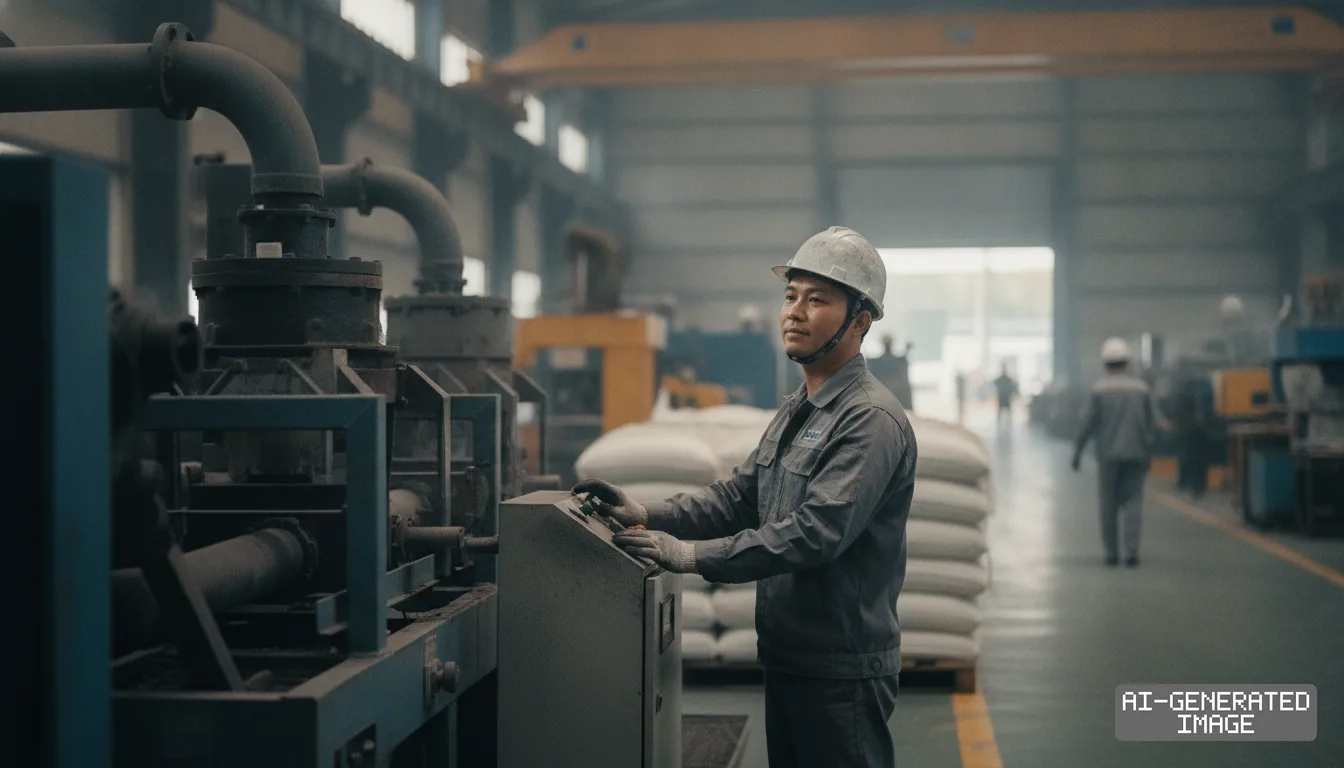
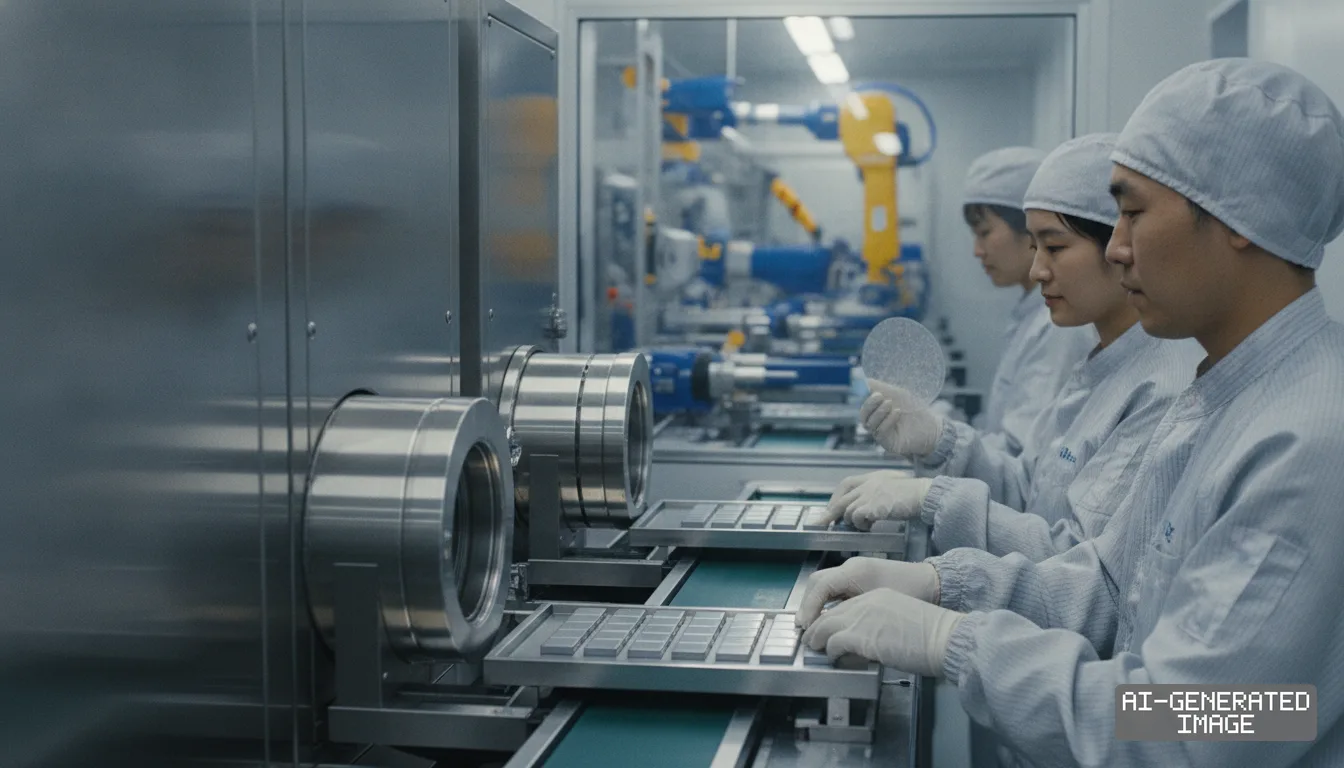
Factory teams finished converting an initial high-nickel ternary line in Pohang into a 20,000-ton lithium iron phosphate line, the company said. Initial commercial shipments begin during the fourth quarter of 2026.
Retooling remaining production lines at the Pohang facility will raise proprietary iron-based cathode capacity to 105,000 metric tons per year. That expansion represents roughly two-thirds of the firm's domestic cathode manufacturing base.
POSCO Future M also secures intermediate materials through its CNP New Material Technology joint venture, the company said. That affiliate can produce up to 50,000 metric tons of iron phosphate precursor annually.
The production process uses lithium carbonate extracted from POSCO Group brine assets at the Hombre Muerto salt flat in Argentina. Processing runs at facilities operated by group affiliates.
Iron feedstock comes from iron oxide byproducts generated across POSCO steel mills in South Korea. Refining domestic scrap lowers production costs below standard merchant pricing for industrial chemical precursors.
LG Energy Solution expanded its procurement partnership with POSCO Future M on Oct. 30, the companies said. The manufacturer signed a memorandum to buy 720,000 metric tons of combined materials.
Deliveries under the preliminary agreement run across seven years from 2027 through 2033. The pact introduces iron-based cathode materials and domestic synthetic graphite alongside high-nickel nickel-cobalt-manganese supplies.
SK On concluded a separate supply contract on Sept. 22 valued at 1.1 trillion won ($800 million), filings show. The agreement covers about 77,000 metric tons of iron-based cathode materials.
Shipments to SK On cover a three-year period running from 2027 through 2029, with an option to extend deliveries for two years. SK On uses the material for utility storage cells assembled in Georgia.
Samsung SDI agreed on Aug. 6 to take long-term shipments of iron-based cathode materials. That arrangement commits more than 190,000 metric tons across a six-year delivery window ending in 2032.
The three contracts establish supply channels across every major South Korean cell producer. Contracted volumes absorb more than 80% of projected Pohang iron cathode production across the remainder of the decade.
United States tax rules restrict Chinese battery content in vehicles and energy installations eligible for federal credits. Cell manufacturers must assemble systems using critical minerals extracted or processed in countries with bilateral free-trade pacts.
Foreign Entity of Concern guidance disqualifies cells containing Chinese active materials from certain federal subsidies. Sourcing cathodes from South Korea preserves project qualification for American utility power projects.
Demand for utility battery systems expanded rapidly as artificial intelligence data centers required dedicated grid connections, the company said. Growth in stationary storage helped offset slower consumer demand for high-end electric vehicles.
POSCO Future M also manufactures synthetic graphite anodes at its Blue Valley plant in Pohang, running at 8,000 metric tons of annual capacity. An additional 13,000 tons of anode capacity is under development.
Combining domestic synthetic graphite with iron-based cathode active materials allows cell producers to source complete non-Chinese electrode packages. That pairing shortens qualification timelines for grid developers facing North American procurement audits.
POSCO Future M and LG Energy Solution plan to sign a formal, legally binding contract before Dec. 31, 2026, the companies said. That document will settle exact delivery volumes for each chemistry.
The quarterly filing does not disclose the specific capital expenditure figure allocated for converting the remaining Pohang ternary lines to iron-based chemistry. The company has not published unit conversion costs per metric ton.
The first commercial batches of lithium iron phosphate cathode material leave the Pohang conversion facility before the end of December. Customer qualification runs continue across automated assembly lines in South Korea.
Impact map
How this development propagates across the region and out to global buyers.
| Event | Korea | China | Japan | Global impact |
|---|---|---|---|---|
| LFP cathode commercialization | POSCO Future M converts 20,000 tons in Pohang toward a 105,000-ton LFP cathode footprint | CNP joint venture supplies up to 50,000 tons of precursor feedstock | Panasonic faces non-Chinese LFP competition in North American grid battery projects | Utility storage developers secure non-Chinese cathode supply qualifying for US tax credits |
In this story
- Companies
- POSCO Future M
- Tickers
- 003670.KS
- Exposed
- LG Energy SolutionSK OnSamsung SDI
- Policy
- Local Content Rules
- Impact
- Supply ChainCapexOrder Book
Track every Local Content Rules development →
Related briefings
- POSCO Future M accelerates LFP cathode output for utility grids Also on POSCO Future M, Local Content Rules, SK On
- POSCO Future M and L&F build LFP lines on Korean battery contracts Also on POSCO Future M, Local Content Rules, SK On
- L&F signs $774 million LFP contract with LG Energy Solution Also on POSCO Future M, Local Content Rules, SK On
- LG Energy Solution taps L&F in 1.035T won deal to diversify cathodes Also on POSCO Future M, Local Content Rules, SK On
Sources
Primary documents
Reporting
Confidence: high — how we grade this
The documents behind this briefing are linked above. East Asia Brief produces its English text with AI assistance under human editorial review, and does not translate or republish other outlets' articles. See our methodology and AI policy. Spotted an error? Tell us.
The Morning Brief
What changed in Korean, Chinese and Japanese industry overnight — and what it means for your supply chain. One email, weekday mornings, US time. Free.
The Morning Brief is in preparation. Leave your address and we will write to you once — when the first issue is ready. Nothing before that.