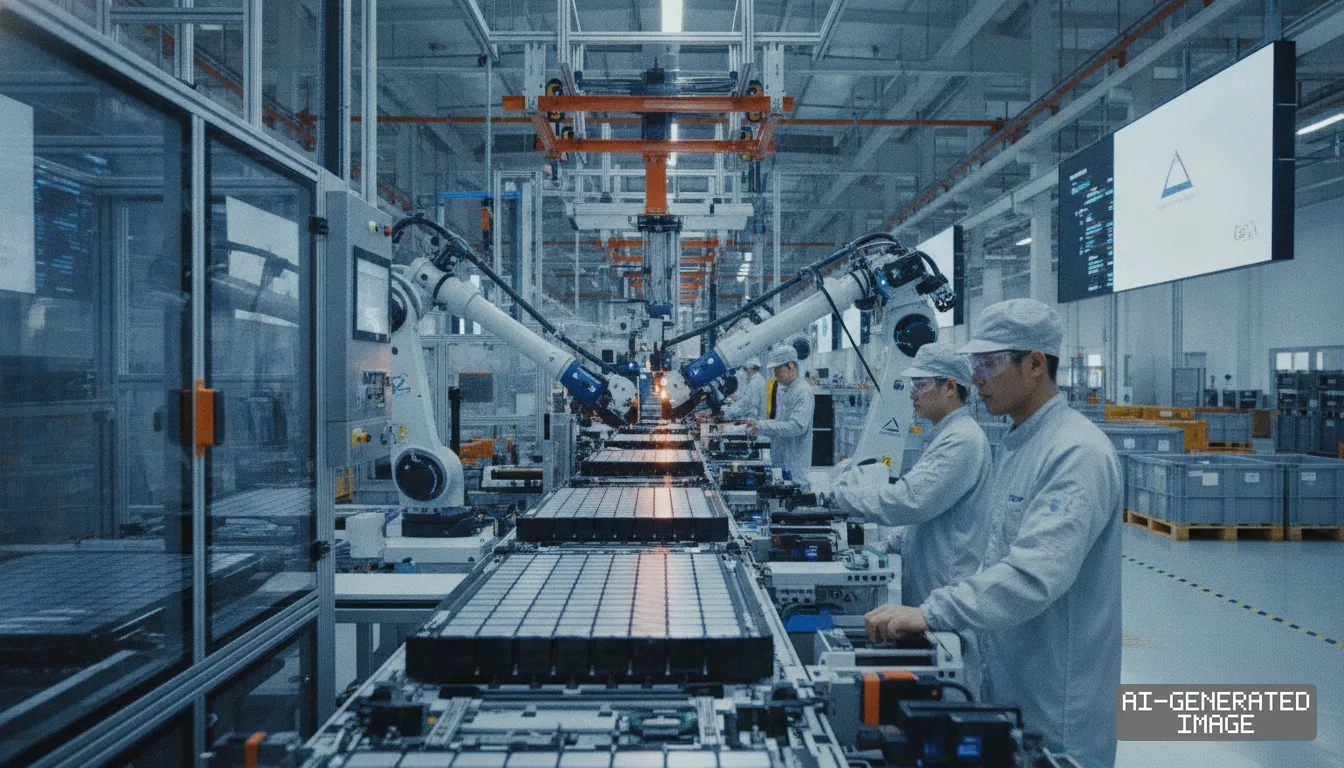
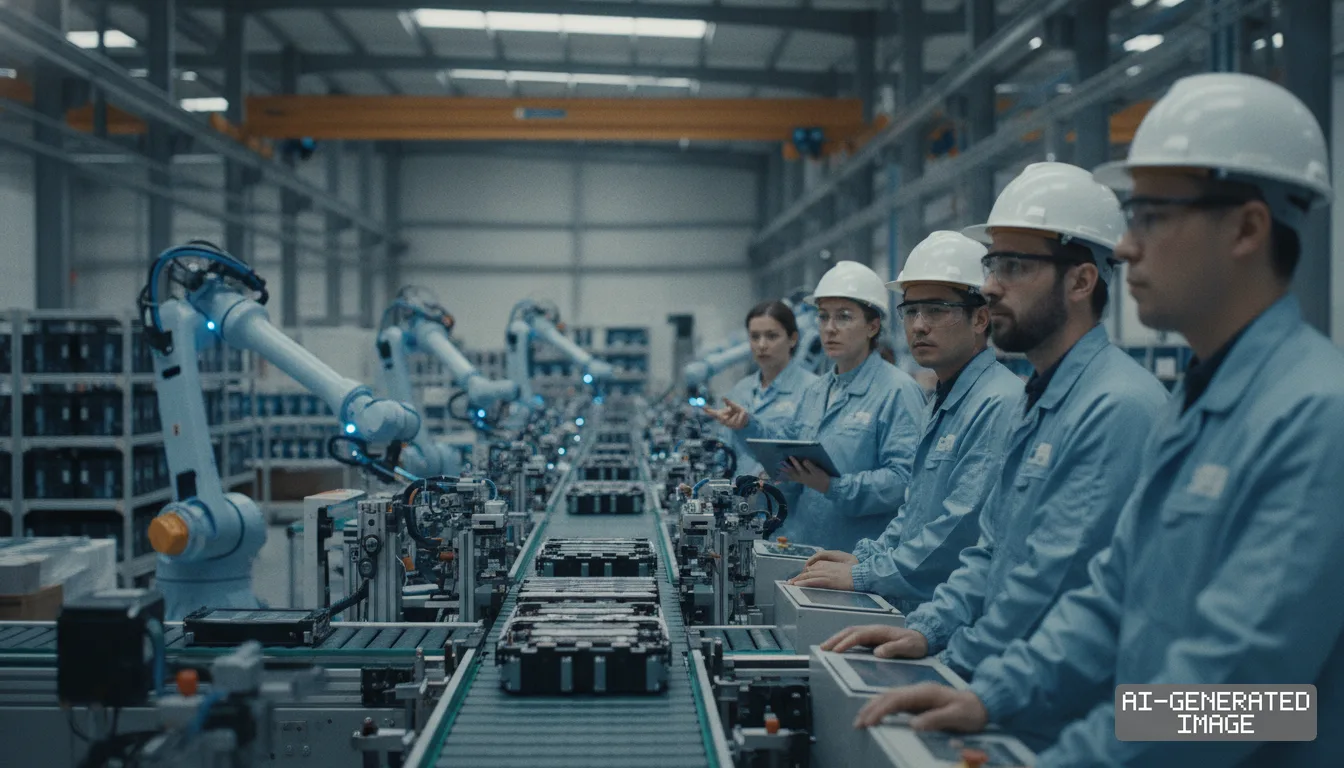
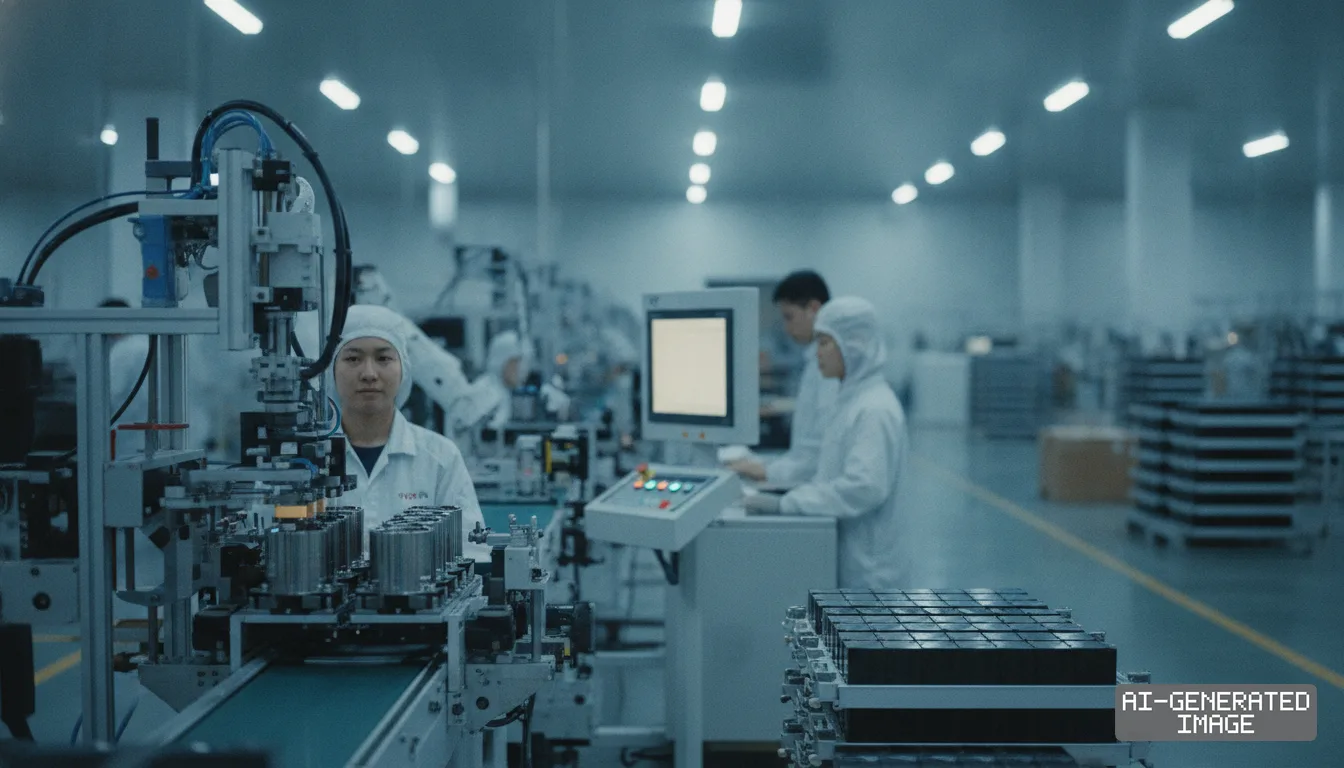
POSCO Future M profit rebounds 23% as cathode shipments rise
Third-quarter operating profit reached 82.14 billion won as cell makers compensated for volume shortfalls and Pohang converted high-nickel lines to lithium iron phosphate.
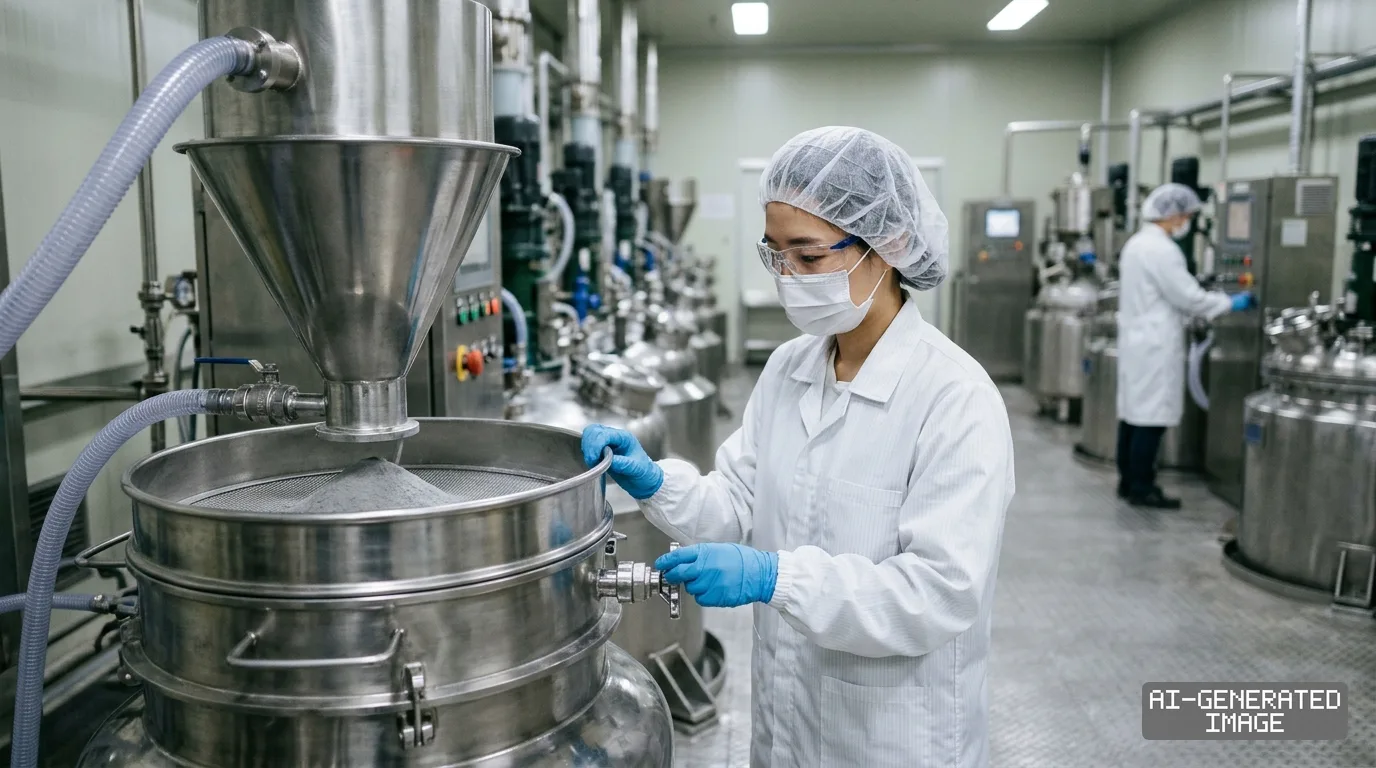
POSCO Future M reported Nov. 2, 2026, that third-quarter operating profit jumped 23.2% year on year to 82.14 billion won ($59.5 million), lifted by rebounding cathode shipments and customer compensation.
The battery materials division drove the recovery, posting an operating profit of 51.8 billion won. That operating profit surged from 2.5 billion won in the second quarter, representing 63% of group operating income.
Consolidated revenue rose 22.9% quarter on quarter to 834.77 billion won ($605 million), though it slipped 4.6% compared to a year earlier. Net income climbed 88.3% sequentially to 46.43 billion won.
Cumulative nine-month revenue stood at 2.27 trillion won, down 4.6% year on year. Cumulative operating profit rose 49.6% over the same period to 126.53 billion won, according to the regulatory filing.
Cathode materials generated 432.3 billion won in third-quarter revenue, representing a 44.3% increase from the prior quarter. Shipments of high-nickel ternary chemistries recovered as major automotive clients normalized battery pack manufacturing schedules.
Operating results also included settlement payments from cell makers that failed to lift minimum contract volumes. Battery producers pay compensation fees when vehicle assembly slowdowns leave contracted production capacity idle.
The regulatory filing does not disclose the exact monetary value of the customer compensation payments, and the company has not published its third-quarter plant utilization percentage.
In the anode materials segment, export shipments to overseas cell manufacturers rose during the quarter. Higher volumes helped offset inventory valuation losses triggered by earlier declines in carbon feedstock prices.
The basic materials business posted an operating profit of 30.3 billion won on revenue of 375.2 billion won. Higher sales volumes of quicklime and price gains for coal-chemical derivatives supported segment earnings.
Customer exposure centers heavily on South Korea's three major battery makers. LG Energy Solution signed a preliminary supply pact Oct. 30 to purchase 720,000 tons of cathode and anode materials through 2033, valued at approximately 10 trillion won.
SK On agreed Oct. 22 to buy lithium iron phosphate (LFP) cathode materials under a three-year contract worth 1.1 trillion won. The deal marked POSCO Future M's first commercial cathode supply contract with the SK Group battery affiliate.
Samsung SDI also agreed in October to procure 400,000 tons of cathode materials. Those three off-take deals provide visibility for approximately 100,000 tons of annual production over the next five years.
To meet demand without heavy capital expenditures, the manufacturer is converting high-nickel lines to LFP chemistries. LFP cathodes use iron and phosphate instead of nickel and cobalt, reducing cell costs for entry-level electric vehicles.
The company completed pilot trials after converting an initial 15,000-ton high-nickel cathode line at its Pohang manufacturing complex. Management plans to expand total domestic LFP cathode capacity to 105,000 tons annually as orders materialize.
Converting existing production lines requires six to seven months and costs under 20 billion won per 15,000 tons. That retrofitting strategy avoids the two-year lead times and steep balance-sheet risks of building new plants.
The producer can convert another 40,000 tons of capacity in Pohang and 45,000 tons in Gwangyang. Full conversion of those designated lines could lift total LFP cathode manufacturing capacity to 170,000 tons annually.
Parent company POSCO Holdings is securing upstream lithium supplies to feed the domestic cathode plants. Its commercial brine extraction facility at the Hombre Muerto salt flat in Argentina reduces dependence on external lithium refiners.
Korean cathode processors have operated under compressed profit margins since mid-2024 as global electric vehicle sales slowed. Operating margins across domestic peers slipped toward zero as high-cost raw material inventories moved through supply chains.
Cathode supply contracts adjust selling prices based on metal benchmark indexes with a three-month lag. Flatter lithium and nickel spot prices during the third quarter helped eliminate large negative inventory valuation charges.
The company is also qualifying synthetic graphite anode production lines in South Korea and Vietnam. Synthetic graphite improves battery cycle life and fast-charging capabilities over conventional natural flake graphite.
Commercial shipments from the converted 15,000-ton Pohang LFP line begin in December 2026, while deliveries under the multi-year LG Energy Solution agreement are scheduled to start in early 2027.
Impact map
How this development propagates across the region and out to global buyers.
| Event | Korea | China | Japan | Global impact |
|---|---|---|---|---|
| Q3 earnings recovery | POSCO Future M books 82.14 billion won operating profit on cathode price gains and penalties | Chinese cathode exporters face stronger Korean competition in non-EV LFP energy storage | Japanese precursor suppliers face shift as Korean processors retrofit ternary lines to iron phosphate | Automakers absorb contract underfulfillment fees while battery BOM costs stabilize |
In this story
- Companies
- POSCO Future M
- Tickers
- 003670.KS
- Exposed
- LG Energy SolutionSK OnSamsung SDIPOSCO Holdings
- Impact
- PricingOrder BookCapex
Related briefings
- POSCO Future M signs $776M LFP cathode supply deal with SK On Also on POSCO Holdings, POSCO Future M, SK On
- POSCO Future M Pursues 1.2M Tons of Orders for 2028 Recovery Also on POSCO Holdings, POSCO Future M, SK On
- Posco Holdings starts direct lithium extraction test runs for Korean cathode lines Also on Posco Holdings, Posco Future M, Samsung SDI
- POSCO Chairman Urges Australia Critical Minerals Alliance to Diversify Supply Also on POSCO Holdings, POSCO Future M, SK On
Sources
Reporting
Confidence: medium — how we grade this
The documents behind this briefing are linked above. East Asia Brief produces its English text with AI assistance under human editorial review, and does not translate or republish other outlets' articles. See our methodology and AI policy. Spotted an error? Tell us.
The Morning Brief
What changed in Korean, Chinese and Japanese industry overnight — and what it means for your supply chain. One email, weekday mornings, US time. Free.
The Morning Brief is in preparation. Leave your address and we will write to you once — when the first issue is ready. Nothing before that.