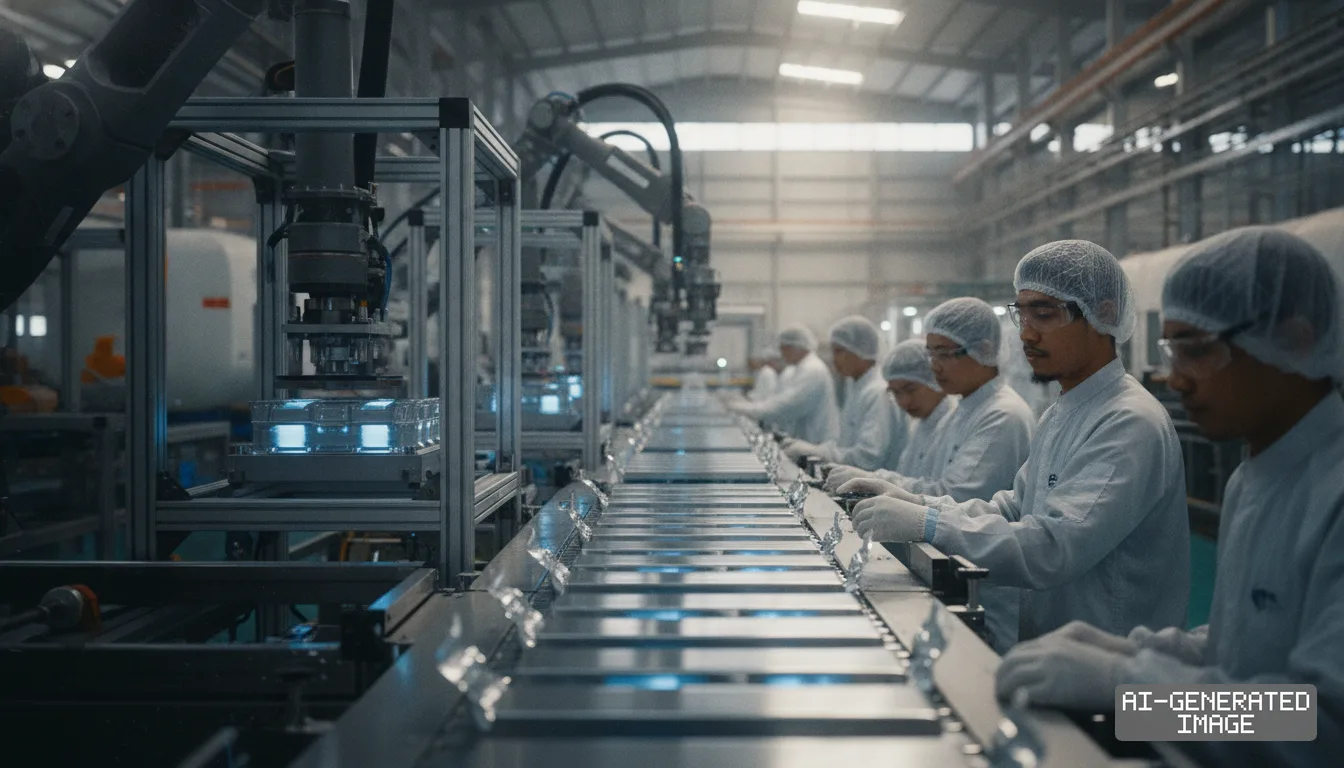
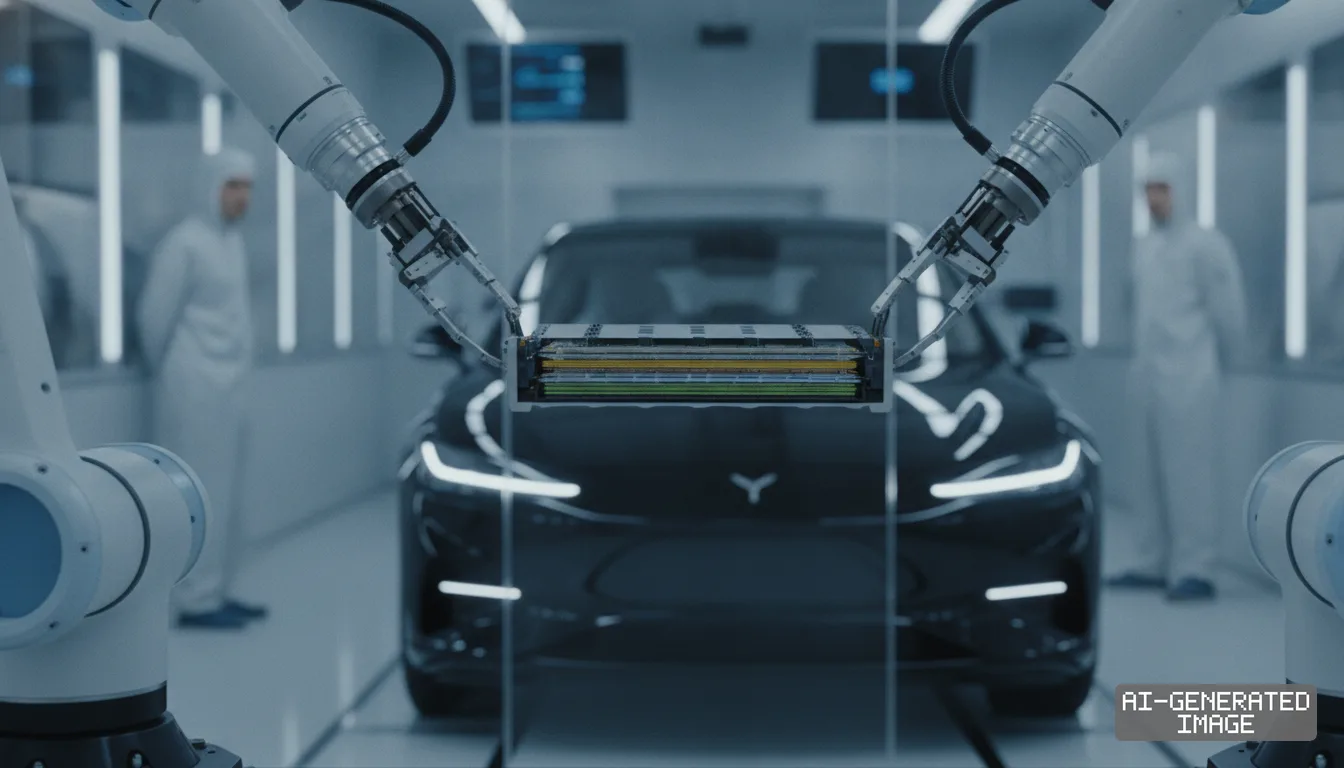
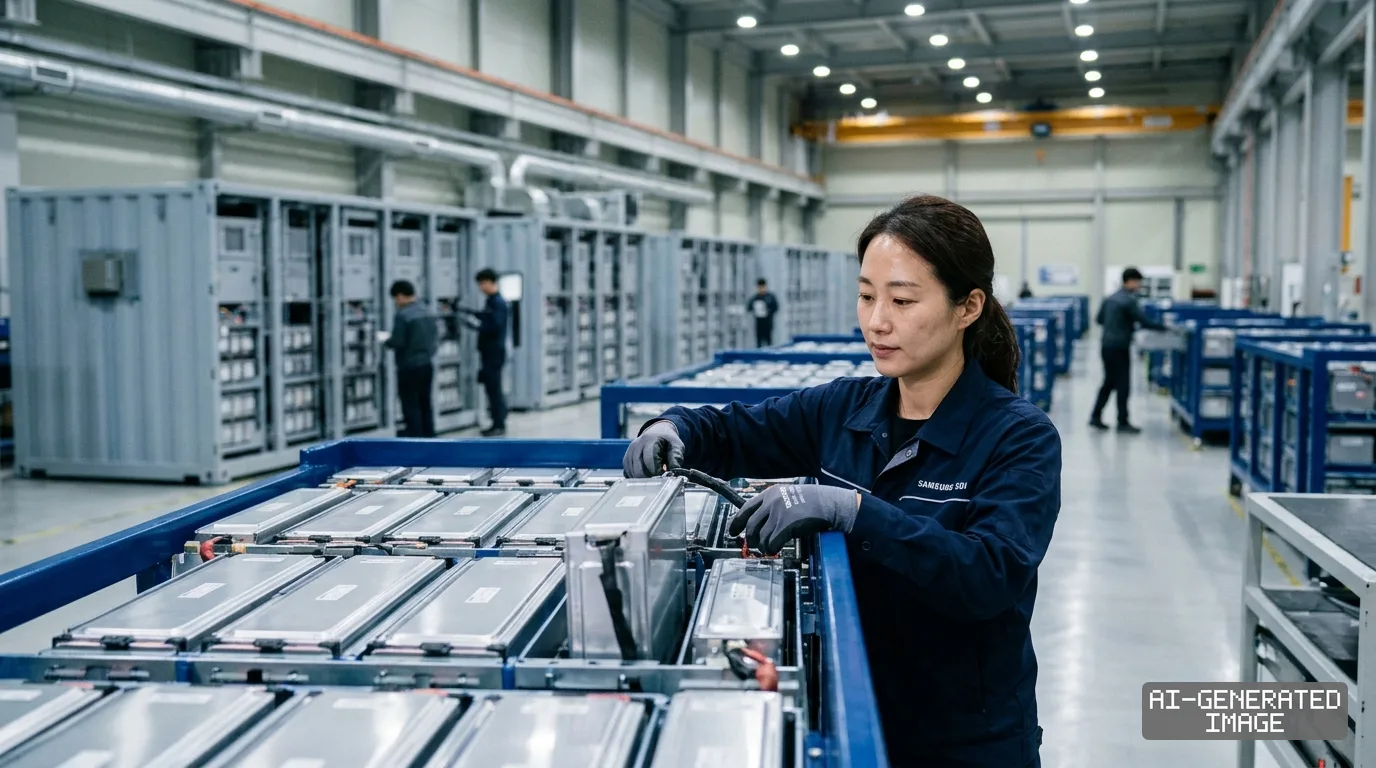
POSCO Future M Pursues 1.2M Tons of Orders for 2028 Recovery
The South Korean supplier aims to expand its order backlog to 2.7 million tons through year-end contracts, targeting plant utilization recovery by 2028.
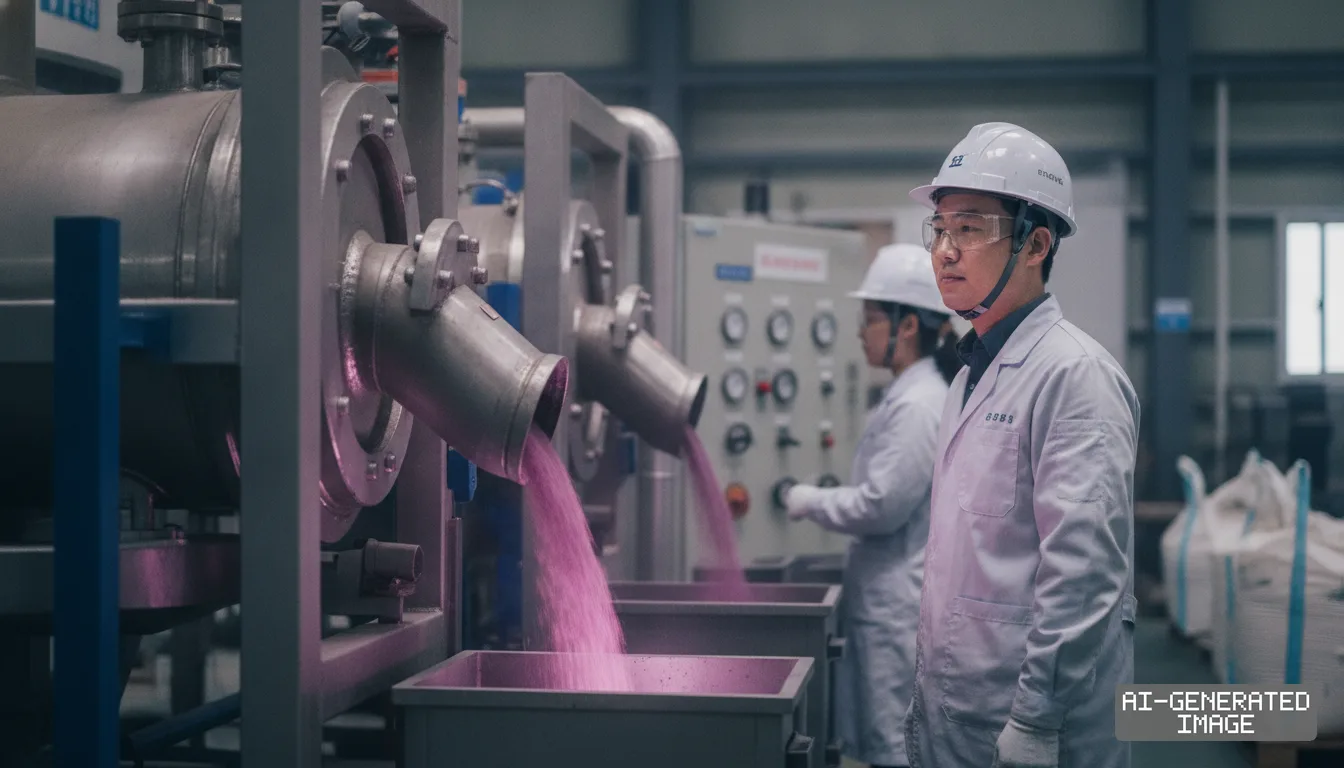
POSCO Future M aims to secure 1.2 million metric tons of additional battery material supply agreements by the end of 2026, President Eom Gi-cheon said Oct. 29.
Eom announced the commercial target during a press conference at the Battery Industry Day gathering in Seoul. POSCO Future M is South Korea's only domestic producer manufacturing both cathode and anode materials at commercial scale.
The projected additions will lift the company's new supply backlog to 2.7 million metric tons. POSCO Future M has already secured 1.5 million metric tons under multi-year binding commitments since the middle of 2025.
The forthcoming volume involves two or three long-term supply contracts currently under final negotiation, Eom said. The transactions will cover both cathode materials, which dictate energy density, and anode materials, which control charging speeds.
Factory shipments for the prospective contracts will begin during the second half of 2027 at the earliest. Technical qualification and vehicle integration cycles for customized battery active materials typically require two to three years.
Operating rates across production lines will stage a comprehensive recovery starting in 2028, Eom said. Upstream active material suppliers across East Asia have operated below nameplate capacity throughout 2026 due to softer electric vehicle demand.
Domestic cell producers represent the primary transmission channel for POSCO Future M's order expansion. The supplier signed a 1.07 trillion won ($775 million) agreement on Sept. 22 to deliver lithium iron phosphate cathode materials to SK On.
Under that contract, SK On will receive lithium iron phosphate cathodes between 2027 and 2029. The transaction carries a mutual option to extend deliveries for two additional years, marking SK On's first cathode procurement from the firm.
POSCO Future M also formalized a 6 trillion won ($4.35 billion) supply deal with Samsung SDI on Oct. 6. That agreement broadened an earlier supply framework to include lithium iron phosphate chemistry.
The Samsung SDI transaction covers more than 190,000 metric tons of cathode materials scheduled for delivery through 2032. The volume will supply stationary energy storage systems across North American utility grids and standard-range electric vehicles.
Automotive manufacturers across Europe and North America have scaled back electric vehicle targets, shifting procurement toward lower-cost chemistries. That pivot has driven battery makers to seek cheaper alternatives to nickel-heavy formulations.
High-nickel cathodes provide long driving range but require costly cobalt and refined lithium hydroxide. Lithium iron phosphate formulations offer longer cycle lifetimes and lower thermal risks at reduced processing cost.
To satisfy customer demand without heavy capital expenditure, POSCO Future M converted existing ternary production lines at its Pohang complex into iron phosphate manufacturing lines. Line conversion work takes six to seven months.
Line conversion costs remain below 20 billion won ($14.5 million) per 15,000 metric tons of annual capacity. That strategy avoids greenfield plant construction while preparing commercial-scale deliveries of iron phosphate materials before year-end.
The supplier also executed a joint venture agreement with Chinese producer CNGR to construct a dedicated iron phosphate cathode plant. That facility, located in Pohang, targets an eventual operating capacity of 50,000 metric tons.
Upstream material sourcing through parent company POSCO Holdings provides integrated cost advantages. The affiliate supplies iron oxide byproduct from steelmaking facilities and lithium carbonate sourced from brine operations in Argentina.
Eom, who concurrently serves as chairman of the Korea Battery Industry Association, criticized the structure of South Korea's Domestic Production Tax Credit during the Seoul event. The incentive provides tax relief for domestic clean-technology manufacturing.
The domestic credit provides negligible immediate benefit to materials producers that are currently reporting operating losses, Eom said. He urged trade policymakers to implement direct cash refund provisions modeled after Western manufacturing tax incentives.
Without direct refundability, South Korean suppliers cannot monetize tax credits while factory utilization rates remain depressed. Several mid-tier cathode and precursor producers remain cash-flow negative following extended inventory destocking cycles among automotive assemblers.
The Korea Battery Industry Association plans to publish findings from an independent organizational audit in November, Eom said. The trade body will execute structural reforms following government scrutiny regarding research and development labor expenditure accounts.
Securing multi-year supply volumes is vital for spreading fixed facility depreciation across larger commercial production runs. Average plant operating rates across South Korean cathode facilities fell below 50% during the first half of 2026.
Final negotiations for the prospective 1.2 million metric tons of supply agreements are scheduled to conclude by Dec. 31, 2026. Mass-production dispatches under those prospective supply pacts will begin during the latter half of 2027.
POSCO Future M has not published regulatory filings or formal investor relations releases confirming the specific counterparties, transaction values or binding periods for the 1.2 million ton pipeline. The underlying commercial terms remain non-binding until formal signing.
Impact map
How this development propagates across the region and out to global buyers.
| Event | Korea | China | Japan | Global impact |
|---|---|---|---|---|
| Cathode order expansion | POSCO Future M targets 2.7 million ton backlog, lifting utilization from 2028 | CNGR expands Pohang cathode JV to 50,000 tons of LFP capacity | Japanese cathode suppliers face increased price competition in ESS supply chains | Automakers lock in multi-year LFP volumes, cutting cell pack costs for standard EVs |
In this story
- Companies
- POSCO Future MSK OnSamsung SDI
- Tickers
- 003670.KS006400.KS
- Exposed
- CNGRPOSCO Holdings
- Policy
- Tax Credits
- Impact
- Order BookCapexSupply Chain
Track every Tax Credits development →
Related briefings
- Posco Holdings starts direct lithium extraction test runs for Korean cathode lines Also on Posco Holdings, Posco Future M, Tax Credits
- POSCO Future M signs $776M LFP cathode supply deal with SK On Also on POSCO Holdings, POSCO Future M, SK On
- POSCO Chairman Urges Australia Critical Minerals Alliance to Diversify Supply Also on POSCO Holdings, POSCO Future M, SK On
- Australia backs mineral refining with A$7B to counter China Also on POSCO Holdings, Tax Credits
Sources
Reporting
Confidence: medium — how we grade this
The documents behind this briefing are linked above. East Asia Brief produces its English text with AI assistance under human editorial review, and does not translate or republish other outlets' articles. See our methodology and AI policy. Spotted an error? Tell us.
The Morning Brief
What changed in Korean, Chinese and Japanese industry overnight — and what it means for your supply chain. One email, weekday mornings, US time. Free.
The Morning Brief is in preparation. Leave your address and we will write to you once — when the first issue is ready. Nothing before that.