Panasonic Energy lands standalone IP award for cell patent portfolio
The Japanese battery maker separated from its parent company on the regional roster following a 5,000-patent cross-licensing framework with LG Energy Solution.
Panasonic Energy was named to the Asia IP Elite 2026 roster on Nov. 26, 2026, marking its first independent selection for strategic lithium-ion battery licensing.
The parent company, Panasonic Holdings, has made the regional list for 14 consecutive years. The battery unit had never appeared as an autonomous legal entity before this month.
The 2026 regional roster named 98 companies and research institutes across the Asia-Pacific territory. Japanese organizations accounted for 28 entries, or roughly 29% of the cohort.
The selection highlights a structural shift in how cell manufacturers protect production margins. Panasonic Energy has shifted from passive patent filings toward active commercial licensing programs and cross-border monetization agreements.
In May 2024, Panasonic Energy joined South Korea's LG Energy Solution to establish the battery sector's first unified patent licensing framework. The pool covers more than 5,000 lithium-ion patents.
The joint program is administered by Tulip Innovation, an intellectual property management firm based in Budapest, Hungary. The entity acts as a central licensing agent for both cell makers.
The pool lets outside battery producers license proprietary technologies through a single contract. The rights cover electrode assembly structures, separator coatings, cell safety venting and pack architectures.
The collective portfolio has already altered legal proceedings across Asian and European electric vehicle supply chains. Chinese battery producers in particular have faced formal infringement challenges under the framework.
On June 11, 2026, Chinese cell manufacturer Sunwoda Electronic signed a global patent license agreement with Tulip Innovation. The contract settled multi-year disputes in Germany, China and South Korea.
Sunwoda, which trades on the Shenzhen Stock Exchange under ticker 300207, withdrew all pending nullity actions. Tulip dismissed infringement lawsuits in the Munich Regional Court and the Korea Trade Commission.
The German litigation had previously secured injunctions against vehicles using Sunwoda cells, including the Dacia Spring. The settlement restored market access for automakers utilizing Sunwoda packs across the European Union.
Tulip Innovation broadened enforcement in July 2026 by filing an exclusion action at the United States International Trade Commission. The complaint targeted Chinese manufacturer EVE Energy over cylindrical cell designs.
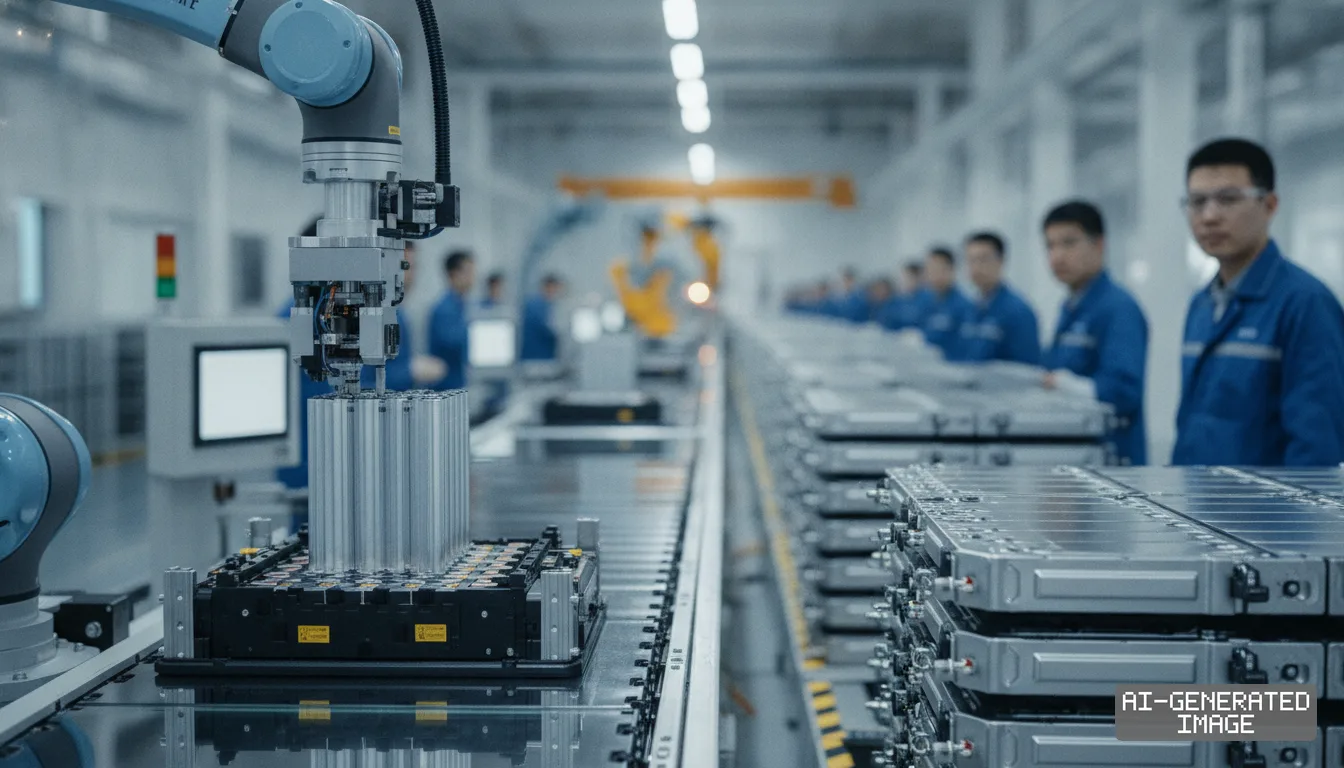
While licensing activity accelerates abroad, Panasonic Energy is preparing next-generation hardware at home. The company completed preparations for mass production of 4680 cylindrical cells at its Wakayama factory in September 2024.
The Wakayama facility serves as the mother plant for the 4680 form factor. The design features a tabless architecture and higher volumetric energy density for electric passenger vehicles.
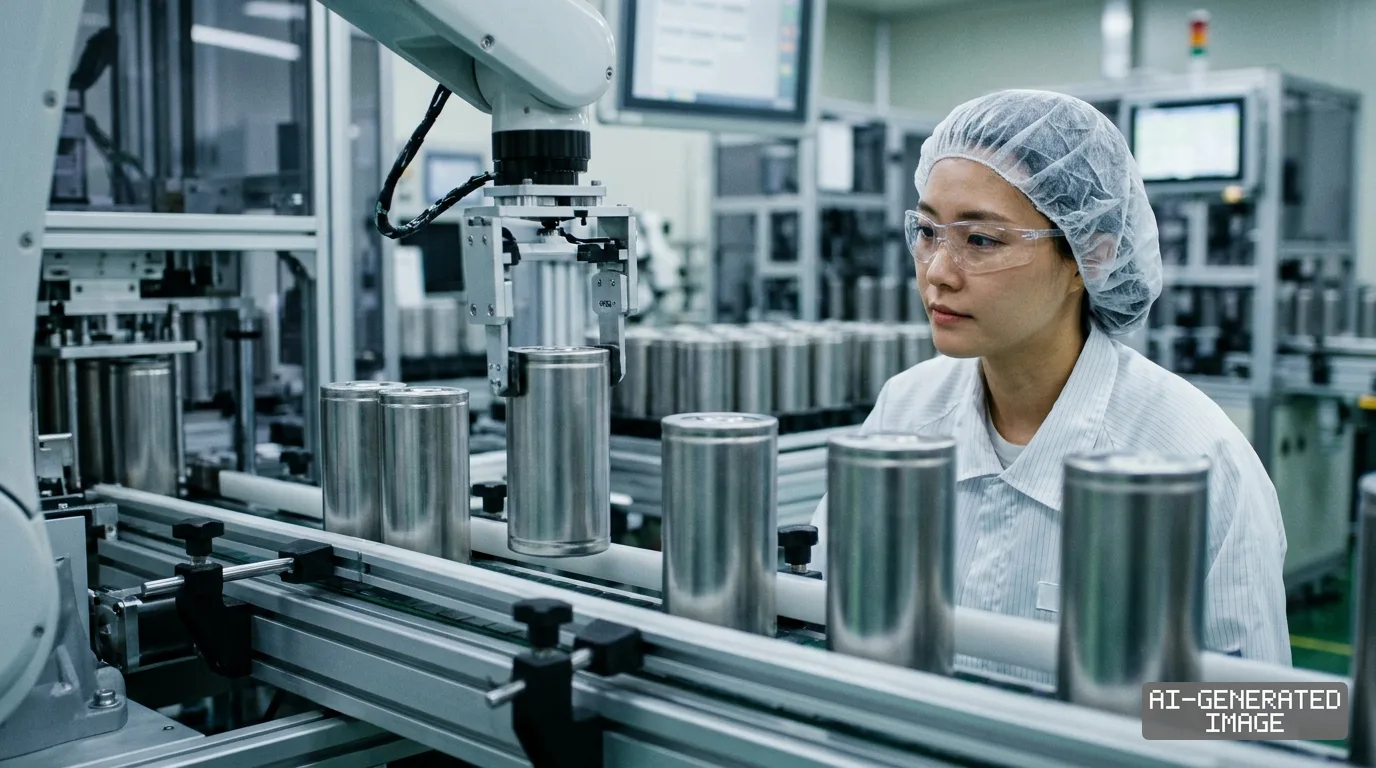
The 4680 cell measures 46 millimeters in diameter and 80 millimeters in height. The structure requires specialized thermal dissipation paths and laser-welded current collectors during continuous high-speed assembly.
Outside analysts have framed Japanese and South Korean patent filings as an effort to delay Chinese rivals in the 4680 segment. The corporate filings themselves show a different operational reality.
Rather than competing alone, Panasonic Energy and LG Energy Solution formed a commercial alliance through Tulip Innovation. Both manufacturers contribute complementary patents while competing for customer manufacturing contracts in North America.
Panasonic Energy supplies cylindrical cells from its Nevada factory and is constructing a second plant in Kansas. LG Energy Solution operates standalone and joint-venture facilities across North America.
The notice does not state the financial revenue generated from Tulip Innovation, and Panasonic Energy has not published the specific patent distribution between cylindrical and pouch cell formats.
Commercial shipments of 4680 cells from the Wakayama factory remain subject to customer delivery schedules, while the United States trade commission reviews the patent complaints filed against Chinese cell assemblers.
Impact map
How this development propagates across the region and out to global buyers.
| Event | Korea | China | Japan | Global impact |
|---|---|---|---|---|
| Joint battery patent pool enforcement | LG Energy Solution shares licensing receipts from 5,000-patent portfolio | Sunwoda pays license fees while EVE Energy faces ITC exclusion complaint | Panasonic Energy secures standalone IP valuation ahead of 4680 deliveries | Automakers avoid regional delivery injunctions through single-contract IP licensing |
In this story
- Companies
- Panasonic EnergyLG Energy SolutionSunwoda ElectronicEVE Energy
- Tickers
- 6752.T373220.KS300207.SZ300014.SZ
- Impact
- ComplianceOrder BookSupply Chain
Related briefings
- CATL warns China EV price war triggers batch battery defects and safety hazards Also on Sunwoda Electronic, Compliance
- Xiaomi buys Sunwoda battery stake to cut reliance on CATL Also on Sunwoda Electronic
- CATL supplies Qilin battery to Nio Firefly compact car line Also on Sunwoda Electronic
- Li Auto cuts CATL on i6 SUV, logs 811 km with in-house pack Also on Sunwoda Electronic
Sources
Reporting
Confidence: high — how we grade this
The documents behind this briefing are linked above. East Asia Brief produces its English text with AI assistance under human editorial review, and does not translate or republish other outlets' articles. See our methodology and AI policy. Spotted an error? Tell us.
The Morning Brief
What changed in Korean, Chinese and Japanese industry overnight — and what it means for your supply chain. One email, weekday mornings, US time. Free.
The Morning Brief is in preparation. Leave your address and we will write to you once — when the first issue is ready. Nothing before that.