Nio battery swaps beat BYD charging threefold on China roads
Golden Week travel data showed Nio stations handled 44 vehicle swaps daily on peak holiday corridors, compared with 15.5 sessions logged across BYD Flash Charging sites.
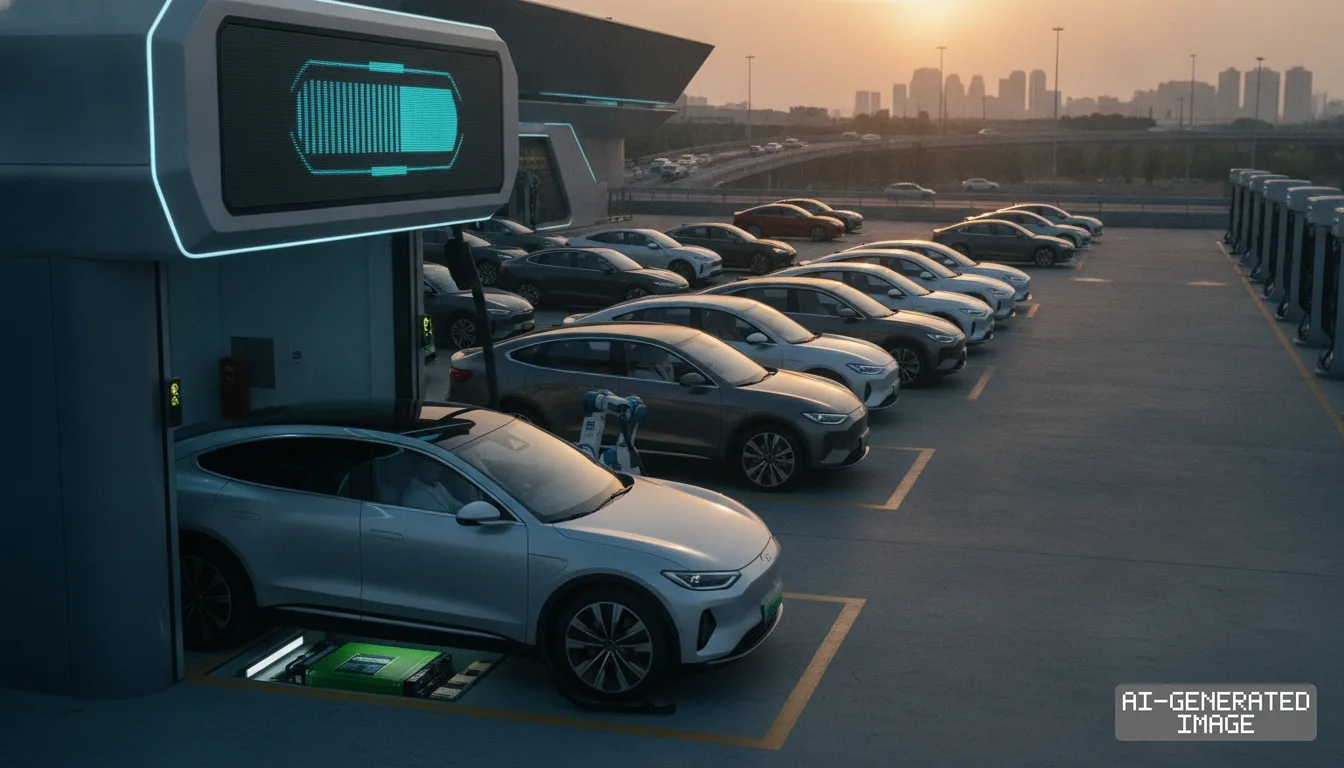
Nio battery swap stations achieved nearly three times the daily vehicle turnover of BYD fast-charging plazas during China's Golden Week holiday rush, according to operational reports published Oct. 10, 2026.
The comparative operational figures highlight a widening performance split between automated pack exchange and high-power conductive charging. Both networks faced record highway travel volumes over the seven-day statutory holiday.
Nio Energy said Oct. 9 that its network completed 1,192,221 battery swaps between Oct. 1 and Oct. 7. The total represents a record operational volume for the company during an autumn holiday period.
Peak demand on the swap network arrived on Oct. 5, when drivers completed 183,664 battery swaps nationwide. That daily volume narrowly exceeded the 183,469 swaps recorded on the holiday's opening day.
Across Nio's 4,168 swap stations, the single-day peak translated to an average turnover of about 44 vehicle swaps per station. The company operates 1,073 of those swap stations directly along national expressways.
The busiest location on the network was the Rizhao service area station along the G15 Shenhai Expressway. That single facility completed 211 battery swaps in 24 hours, the company said.
BYD reported that its Flash Charging network delivered more than 1.22 million charging sessions over the same seven-day holiday break. The automaker operates 12,165 public charging locations across the country.
The network includes 2,111 fast-charging plazas situated along high-speed intercity routes. On its busiest single day, BYD dispensed power to 188,344 electric vehicles across its public grid.
That peak volume yielded an average throughput of 15.5 charging sessions per station. The figure establishes an operational turnover rate roughly 35% that of Nio's automated swapping facilities.
BYD logged its highest single-station volume at the Beijing Jindu Automobile City charging forecourt. That urban location completed 160 charging sessions during its peak operational day, the company said.
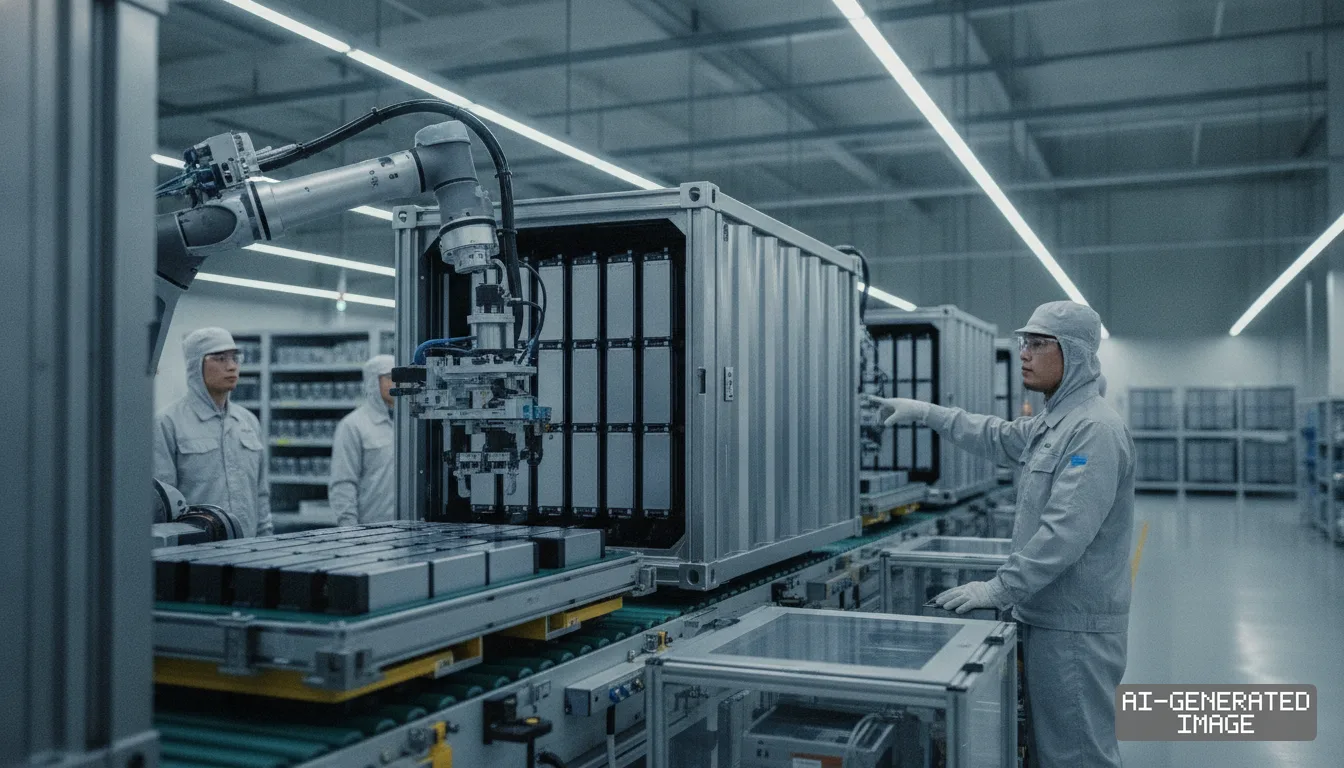
The throughput disparity stems primarily from service duration at individual stalls. Nio swaps a depleted battery pack for a fully charged unit inside an automated bay within three minutes.
By contrast, BYD Flash Charging dispensers deliver direct current at ultra-high wattage directly into onboard vehicle packs. Even with megawatt-class equipment, sessions typically require 10 to 25 minutes per car.
Physical dwell time directly dictates throughput limits during highway surges. A single swap bay can clear 15 to 20 vehicles an hour, while a fast-charging cable rarely clears four.
The operational gap carries direct implications for power grid stability. High-power direct-current chargers create severe instantaneous demand spikes when multiple vehicles plug in simultaneously at highway rest stops.
Those concentrated surges place acute strain on local transformers and substation lines. Rural highway rest stops frequently lack the medium-voltage grid headroom needed to sustain multiple 500-kilowatt dispensers running concurrently.
Battery swap stations decouple vehicle turnaround from instantaneous utility demand. Station racks charge reserve batteries continuously at controlled, lower currents during off-peak hours or draw from dedicated local storage buffers.
That buffering mechanism flattens peak load curves on local distribution circuits. It also allows station operators to participate in grid-balancing demand-response programs during tariff spikes, power analysts said.
However, battery swapping imposes heavy upfront capital requirements. Nio must purchase and hold floating battery inventory that generates revenue only when locked into circulating vehicles.
Fast-charging networks require higher utility interconnection capacity but carry zero battery inventory overhead. BYD can install dispensers across independent commercial real estate with substantially lower civil engineering complexity.
Western automakers evaluating charging formats must weigh those opposing trade-offs. The holiday performance data shows swapping offers unmatched vehicle throughput where physical land and queuing space are strictly constrained.
The notice does not state the average square footage or capital expenditure per facility, and Chinese energy regulators have not published standardized stall-level efficiency audits.
Highway transport commissions and fleet operators will review the holiday infrastructure findings ahead of the Lunar New Year travel rush in early 2027.
Sources
Reporting
The documents behind this briefing are linked above. East Asia Brief produces its English text with AI assistance under human editorial review, and does not translate or republish other outlets' articles. See our methodology and AI policy. Spotted an error? Tell us.
The Morning Brief
What changed in Korean, Chinese and Japanese industry overnight — and what it means for your supply chain. One email, weekday mornings, US time. Free.
The Morning Brief is in preparation. Leave your address and we will write to you once — when the first issue is ready. Nothing before that.