LiBEST signs non-China graphite anode deal with Canada's GBM for 2027
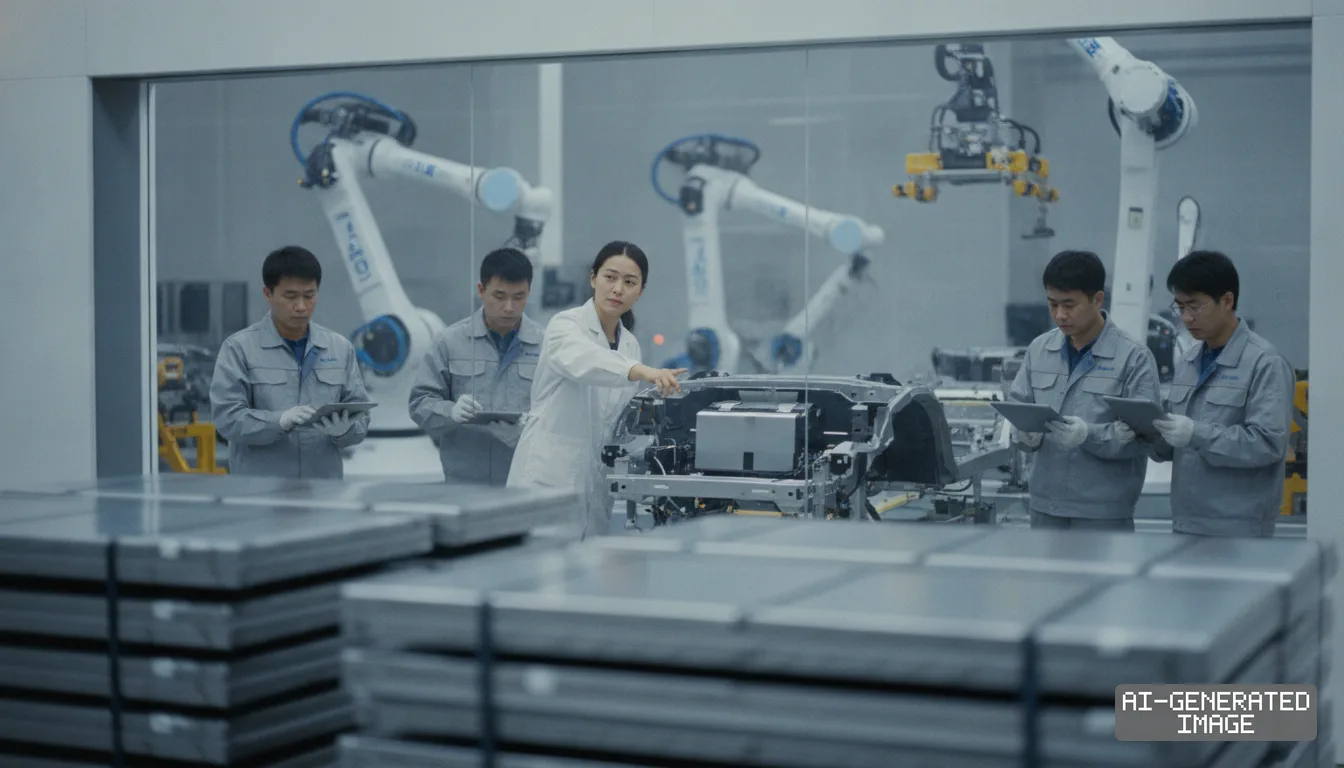
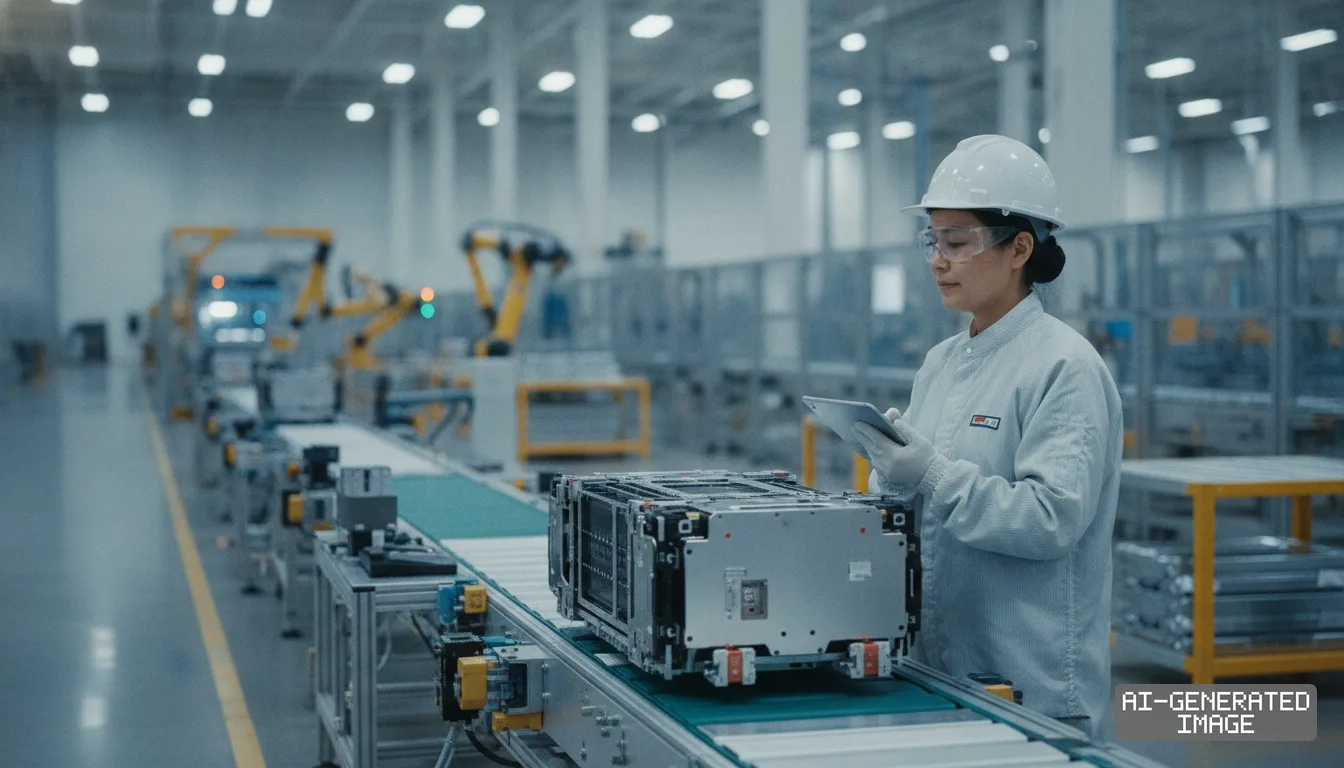
The non-binding agreement covers Canadian natural graphite qualification for defense cells, targeting initial shipments by 2027 to comply with U.S. sourcing rules.
Global Battery Materials Corp. said Sept. 14, 2026 it signed a supply letter of intent with South Korean cell manufacturer LiBEST Inc. for non-China graphite anode materials.
The Daejeon-based cell maker produces pouch-type lithium-ion batteries for specialized applications. Global Battery Materials, a Canadian critical minerals developer known as GBM, controls natural graphite assets in North America.
Neither company disclosed a contract value or delivery tonnage in the filing. Chinese refiners process roughly 90% of the world's spherical graphite, leaving battery manufacturers outside China exposed to tightening export controls.
The agreement creates a formal framework to evaluate and supply Canadian natural graphite. Sourcing will center on spherical purified graphite and coated spherical purified graphite, the companies said.
Spherical purified graphite consists of microscopic graphite flakes shaped into rounded spheres to optimize packing density. Applying a carbon coating yields coated spherical purified graphite, which protects the electrode against degradation during electrical cycling.
GBM and LiBEST also plan to investigate graphite-silicon composite anodes. Silicon blends expand theoretical electrical storage capacity, although the metal swells significantly as lithium ions enter during charging.
The joint initiative targets battery cells for unmanned aircraft systems and defense gear. Power storage units for artificial intelligence data centers and electric vehicles are also in scope, LiBEST said.
Military and drone applications require batteries that operate reliably in severe environments. The materials must deliver stable power output during sub-zero operations and high discharge rates, LiBEST said.
The companies plan to co-develop application-specific graphite tailored to these conditions. LiBEST will provide cell architecture specifications, while GBM adjusts particle sizing and surface treatments during refining.
LiBEST is running electrochemical validation tests across half-cell and full-cell formats. The program measures active material cycle life, charging efficiency and thermal stability.
The supply pact addresses strict U.S. Foreign Entity of Concern regulations. The rules restrict federal subsidies and procurement for batteries containing critical minerals extracted or processed in China.
Securing raw materials outside China has become urgent for South Korean battery producers. Chinese authorities introduced export licensing controls on synthetic and natural graphite flakes in late 2023.
South Korean manufacturers still rely on Chinese processors for over 90% of their anode feedstocks. That concentration leaves cell producers vulnerable to sudden customs holds and export license denials.
Western defense procurement authorities also enforce rigorous supply chain audits. Contractors face bans if flight packs contain critical minerals refined by designated foreign adversaries.
Both firms plan to submit joint applications for Canadian and U.S. mineral grants. The programs fund domestic critical mineral processing and allied defense supply resilience.
GBM established its refining platform by pairing Canadian mineral assets with South Korean engineering. The company was formed through the combination of Canada's G6 Energy and South Korea's SongWoo EM.
GBM operates an anode test facility in South Korea to test flake purification. It plans to transfer those processing steps to commercial facilities in North America, the company said.
The Canadian firm expanded its upstream inventory in July 2026 by agreeing to acquire Lomiko Metals. That transaction carried an implied equity value of roughly C$11 million ($8 million).
The agreement announced on Sept. 14 solidifies a preliminary memorandum of understanding signed in March 2026. LiBEST shared the terms in South Korea on Aug. 14 before GBM published the release in North America.
The parties target initial commercial deliveries starting in 2027, contingent upon cell validation results. Pricing, minimum order volumes and formal purchase obligations will be determined during commercial contract negotiations, the companies said.
The documentation does not state the exact off-take volume or binding delivery pricing, leaving commercial shipments dependent on the outcome of electrochemical tests.
Impact map
How this development propagates across the region and out to global buyers.
| Event | Korea | China | Japan | Global impact |
|---|---|---|---|---|
| Ex-China graphite LOI | LiBEST tests non-China graphite for defense cells | Chinese refiners face bypass by Western-allied niche cell makers | Japanese anode coaters face competing non-China supply lines | Defense and UAS battery BOMs reduce exposure to Chinese FEOC risks |
In this story
- Companies
- LiBESTGlobal Battery Materials
- Exposed
- Lomiko Metals
- Policy
- Foreign Entity of ConcernCritical MineralsExport Controls
- Impact
- Supply ChainComplianceSourcing
Track every Export Controls development →
Related briefings
- Honda invests in Niron Magnetics for rare-earth-free magnets Also on Sourcing, Export Controls
- China and South Africa advance battery mineral refining pact Also on Critical Minerals, Export Controls, Compliance
- Korea doubles US rare earth imports to counter China quotas Also on Critical Minerals, Export Controls
- Modi warns BRICS against mineral export curbs in New Delhi Also on Export Controls, Compliance
Sources
Primary documents
Reporting
Confidence: high — how we grade this
The documents behind this briefing are linked above. East Asia Brief produces its English text with AI assistance under human editorial review, and does not translate or republish other outlets' articles. See our methodology and AI policy. Spotted an error? Tell us.
The Morning Brief
What changed in Korean, Chinese and Japanese industry overnight — and what it means for your supply chain. One email, weekday mornings, US time. Free.
The first issue goes out shortly. Sign up now and you will not miss it.