Honda invests in Niron Magnetics for rare-earth-free magnets
The Japanese automaker joined US venture backers to scale iron nitride production in Minnesota, aiming to insulate its electric motor supply chain from Chinese critical mineral curbs.
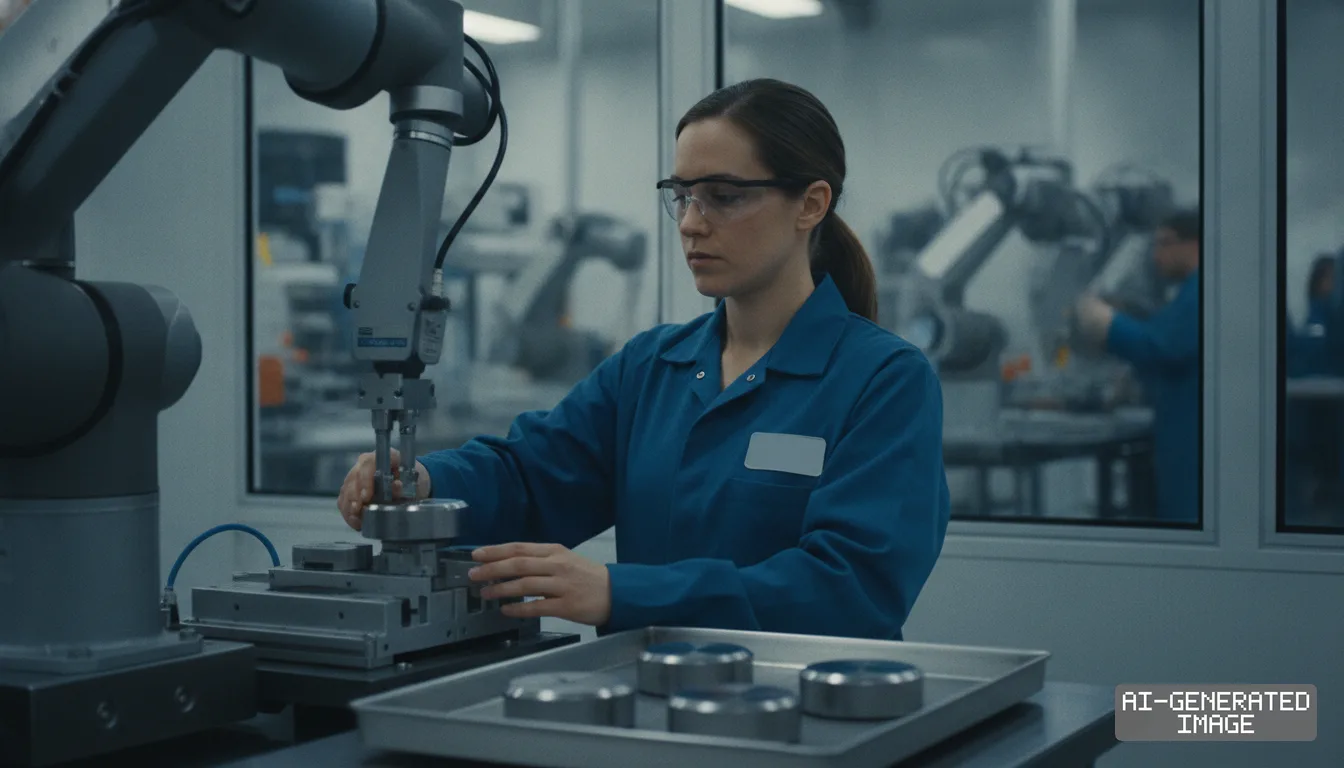
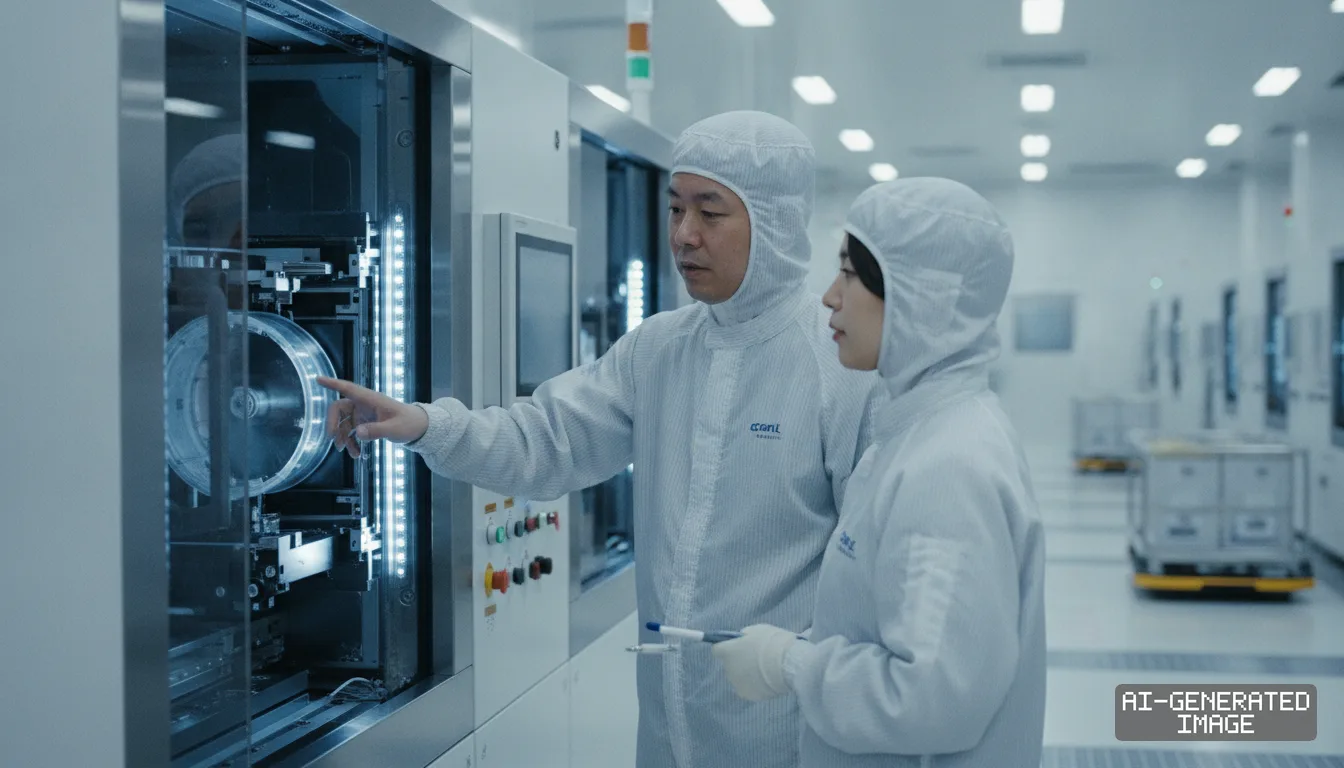
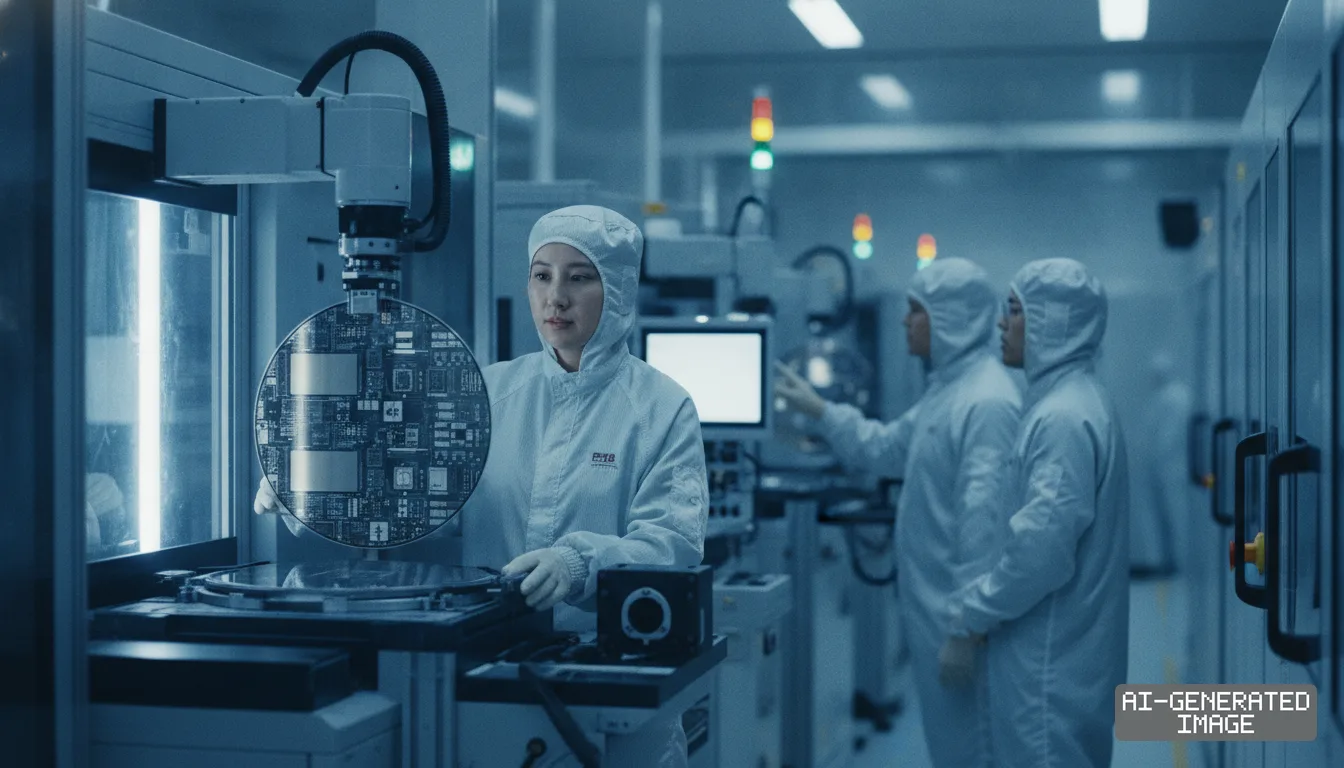
Honda Motor invested in Minnesota startup Niron Magnetics on Sept. 9, 2026, funding commercial production of iron nitride permanent magnets to remove rare earths from electric vehicle drive motors.
The companies did not disclose the investment amount or the acquired equity stake. The financing will fund equipment installation and manufacturing operations at Niron's full-scale plant.
China currently controls roughly 90% of global permanent magnet production. That concentration leaves foreign automakers exposed to trade disruptions and mineral export restrictions.
The deal went through Honda Xcelerator Ventures, the automaker's global corporate venturing arm. The group seeks advanced technologies to build resilient automotive supply chains.
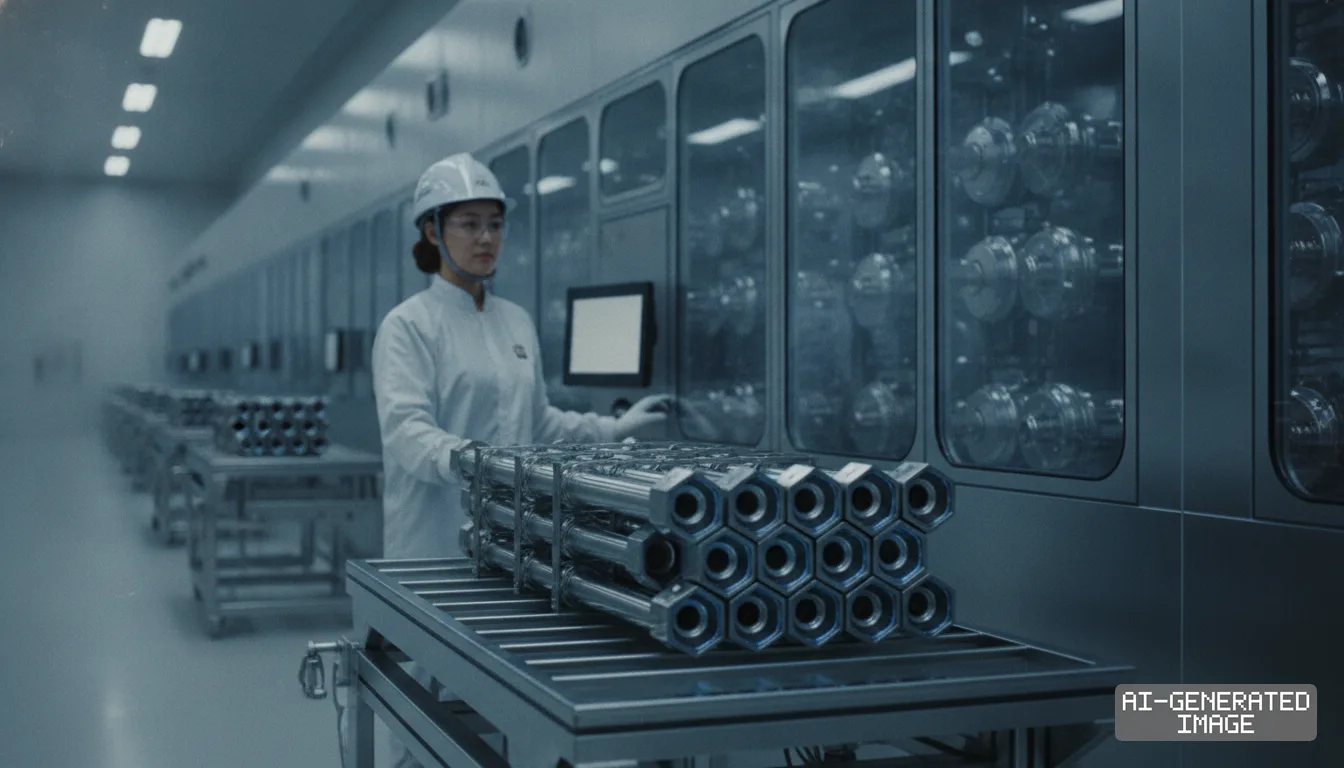
Niron produces permanent magnets using iron nitride, a compound synthesized from abundant iron and nitrogen. The formulation completely avoids critical rare earths such as neodymium, dysprosium and terbium.
Those critical minerals remain heavily concentrated in Chinese refining and processing hubs. Tighter export controls in Beijing have prompted automotive procurement chiefs to seek alternative magnetic formulations.
"Honda has high hopes for its potential to solve the rare earth supply problem," Mahito Shikama, director and executive officer at Honda, said in a joint release.
The automaker relies on high-flux permanent magnets across its hybrid and battery-electric traction units. Securing substitute components protects production targets from raw material quotas.
Niron originated from research conducted at the University of Minnesota over more than a decade. The company opened a commercial pilot plant in Minneapolis in 2024 to distribute test samples.
The startup is constructing a 190,000-square-foot production plant in Sartell, Minnesota. The facility will produce 1,500 tonnes of rare-earth-free permanent magnets each year once operational.
That planned output represents a substantial jump from the five tonnes of annual capacity at its pilot site. The Sartell plant sits on a former paper mill property.
The company also initiated site selection for a second domestic plant with 10,000 tonnes of annual capacity. That follow-on facility would scale production to supply multi-OEM volume contracts.
Honda joins several rival carmakers backing the Minnesota company. GM Ventures, Stellantis Ventures and Volvo Cars Tech Fund invested in a $33 million funding round in November 2023.
Other institutional backers include Samsung Ventures and Allison Transmission. The broad syndicate reflects widespread industry anxiety regarding rare earth dependency.
The Sartell factory secured a $52.2 million federal tax credit and a $10 million state grant. The US Department of Defense also issued a $150 million direct loan commitment in August 2026.
Western governments consider permanent magnets critical infrastructure because they power radar units, guided munitions, wind turbines and vehicle powertrains. Beijing's regulatory leverage has accelerated public support for domestic substitutes.
Drive motors using permanent magnets deliver higher energy efficiency and power density than induction alternatives. Replacing neodymium magnets without losing motor output has historically challenged engineers.
Niron asserts its iron nitride crystal structure achieves magnetic performance superior to traditional rare-earth materials. The company uses input materials sourced entirely within North America.
The companies did not specify when Honda vehicles would integrate the alternative magnets. The announcement did not include binding component delivery dates or commercial purchase contracts.
Automakers typically require three to five years to qualify novel powertrain materials for passenger vehicle production. Laboratory durability trials must conclude before factory assembly begins.
Commercial production at the Sartell plant is scheduled to start in early 2027. Site selection for the company's planned 10,000-tonne facility concludes in late 2026.
Impact map
How this development propagates across the region and out to global buyers.
| Event | Korea | China | Japan | Global impact |
|---|---|---|---|---|
| iron nitride magnet commercialization | Samsung Ventures monitors qualification to hedge EV supply chains against rare earth bottlenecks | State refiners face foreign OEM flight toward synthetic magnet materials | Honda hedges against heavy rare earth export licensing curbs by funding domestic US alternative capacity | Automakers diversify traction motor BOMs away from Chinese dysprosium and terbium refining networks |
In this story
- Companies
- Honda MotorNiron Magnetics
- Tickers
- 7267.T
- Exposed
- General MotorsStellantisVolvo Cars
- Policy
- Export ControlsEconomic Security
- Impact
- Supply ChainCapexSourcing
Track every Export Controls development → Track every Economic Security development →
Related briefings
- South Korea Expands Advanced Battery Tax Credits to Rebalance Domestic Fabs Also on Stellantis, General Motors
- Posco Holdings starts direct lithium extraction test runs for Korean cathode lines Also on Stellantis, General Motors
- Japan accelerates grants for rare-earth-reduced robot motor magnets under economic security act Also on Honda Motor
- Japan Separator Makers Accelerate Ceramic-Coated and Solid-State Film Expansion Also on Honda Motor
Sources
Reporting
Confidence: medium — how we grade this
The documents behind this briefing are linked above. East Asia Brief produces its English text with AI assistance under human editorial review, and does not translate or republish other outlets' articles. See our methodology and AI policy. Spotted an error? Tell us.
The Morning Brief
What changed in Korean, Chinese and Japanese industry overnight — and what it means for your supply chain. One email, weekday mornings, US time. Free.
The first issue goes out shortly. Sign up now and you will not miss it.