LG Energy Solution shifts battery output to AI data centers
South Korean battery makers accelerate grid storage production as Nvidia certifies containerized energy systems to cushion sudden power surges across hyperscale facilities.
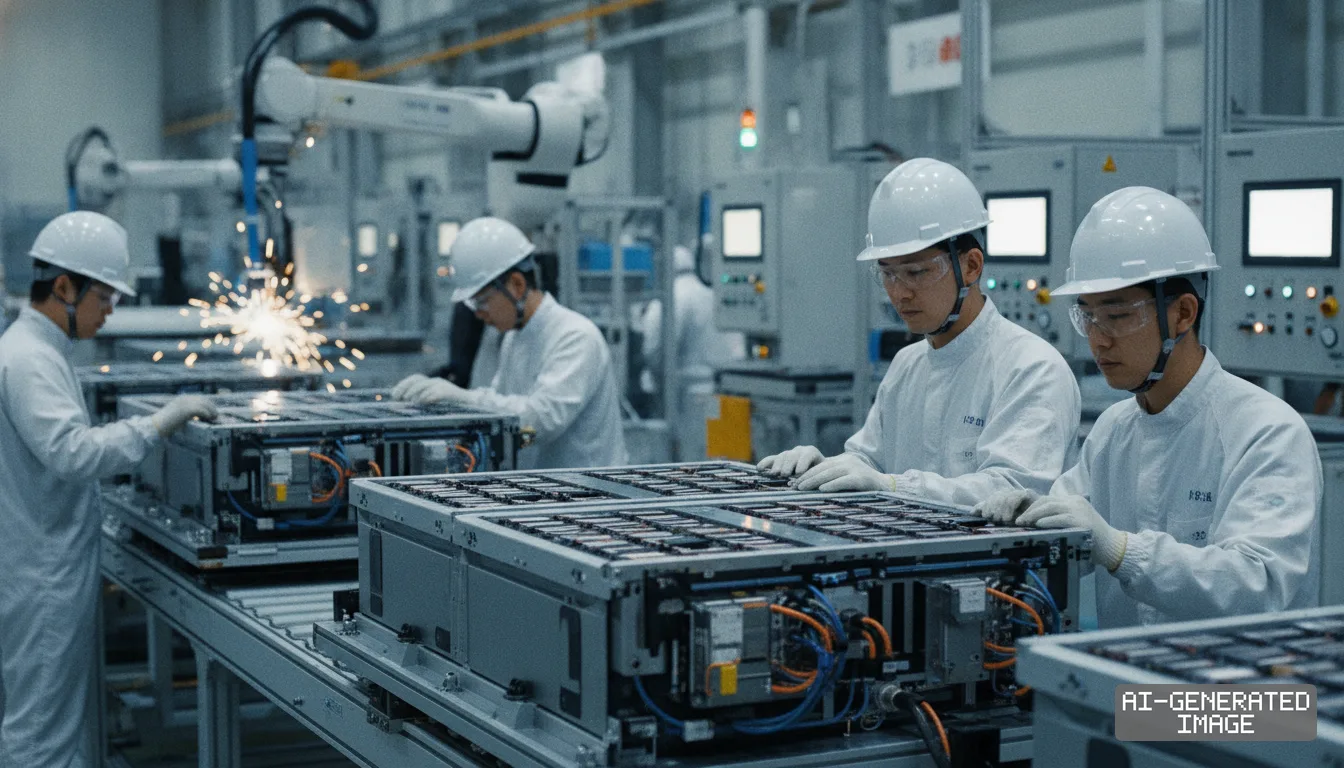
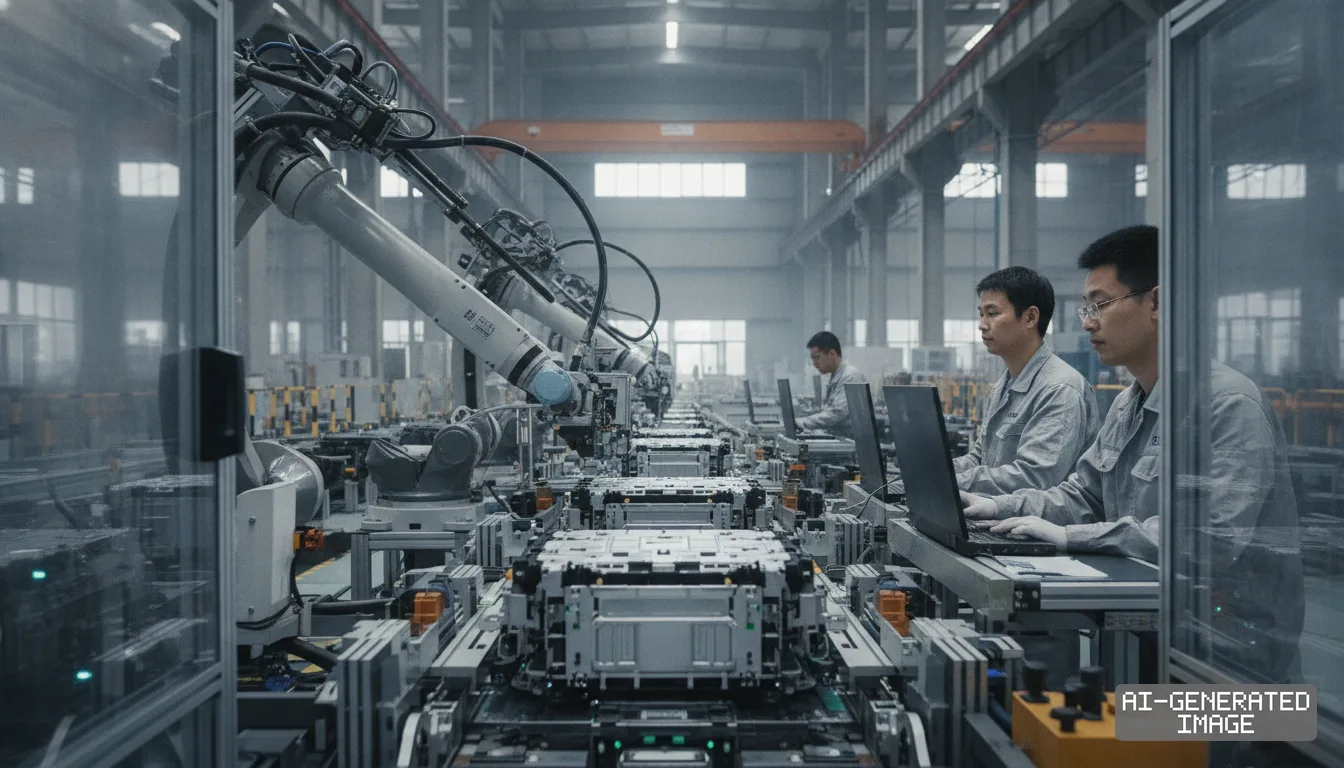
LG Energy Solution and Samsung SDI accelerated production shifts toward industrial battery storage for artificial intelligence data centers on Oct. 11, 2026, countering prolonged electric vehicle demand stagnation.
Hyperscale data centers require immediate, high-volume electricity reserves to handle sudden workload spikes during artificial intelligence training cycles. Local utility grids often cannot supply these transient bursts without severe voltage instability.
LG Energy Solution is scaling its North American stationary storage capacity past 50 gigawatt-hours by late 2026. That expansion represents more than 35% of the company's planned battery manufacturing footprint in the region.
Nvidia accelerated this transition on Sept. 21 by unveiling its DSX Ready validation program for AI factory power architectures. The program established battery energy storage systems as mandatory components alongside computing racks and cooling units.
Nvidia designated only three energy storage suppliers worldwide under the initial rollout: Tesla, Hitachi Energy and LG Energy Solution. The certification made the Seoul-based manufacturer the only Asian cell producer approved for the platform.
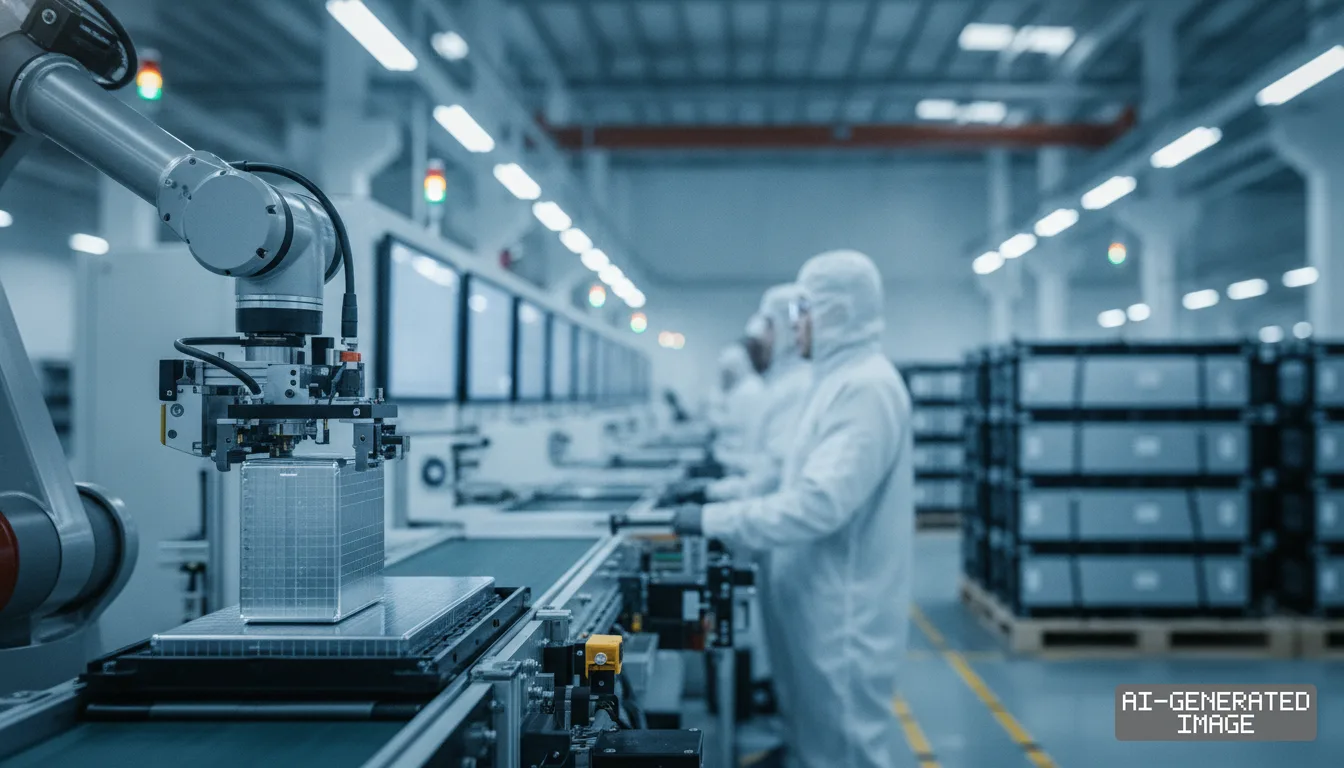
LG Energy Solution qualified its containerized JF2 AC Link storage unit on Sept. 22. The system packages lithium iron phosphate cells into modular blocks delivering 2.5 megawatts of output and 5.1 megawatt-hours of capacity.
The unit provides AI load smoothing and grid-forming capabilities, absorbing millisecond-level power variations before disturbances hit utility substations. The design allows data centers to operate high-density server clusters without overloading regional transformers.
All cells and enclosures for the system are manufactured across facilities in North America, the company said. Domestic assembly enables facility operators to capture federal investment tax credits under United States clean energy legislation.
Samsung SDI introduced its competing hardware line on Sept. 29 at Data Centre World Asia in Singapore. The manufacturer unveiled its Samsung Battery Box 2.0 system alongside dedicated uninterruptible power supply cells.
The Samsung Battery Box 2.0 integrates prismatic lithium iron phosphate cells into an all-in-one container enclosure. Built-in thermal barriers and automated fire prevention software isolate overheating cells before heat spreads to neighboring modules.
Samsung SDI also demonstrated cylindrical 21700-format lithium iron phosphate cells engineered for server rack battery backup units. The cells feature bottom exhaust vents that discharge gas downward during thermal events, protecting overhead computing hardware.
The company's uninterruptible power supply lineup cleared indoor large-scale fire testing conducted by safety certification group UL Solutions. The test verified that internal cell failures do not propagate across adjacent battery racks within data halls.
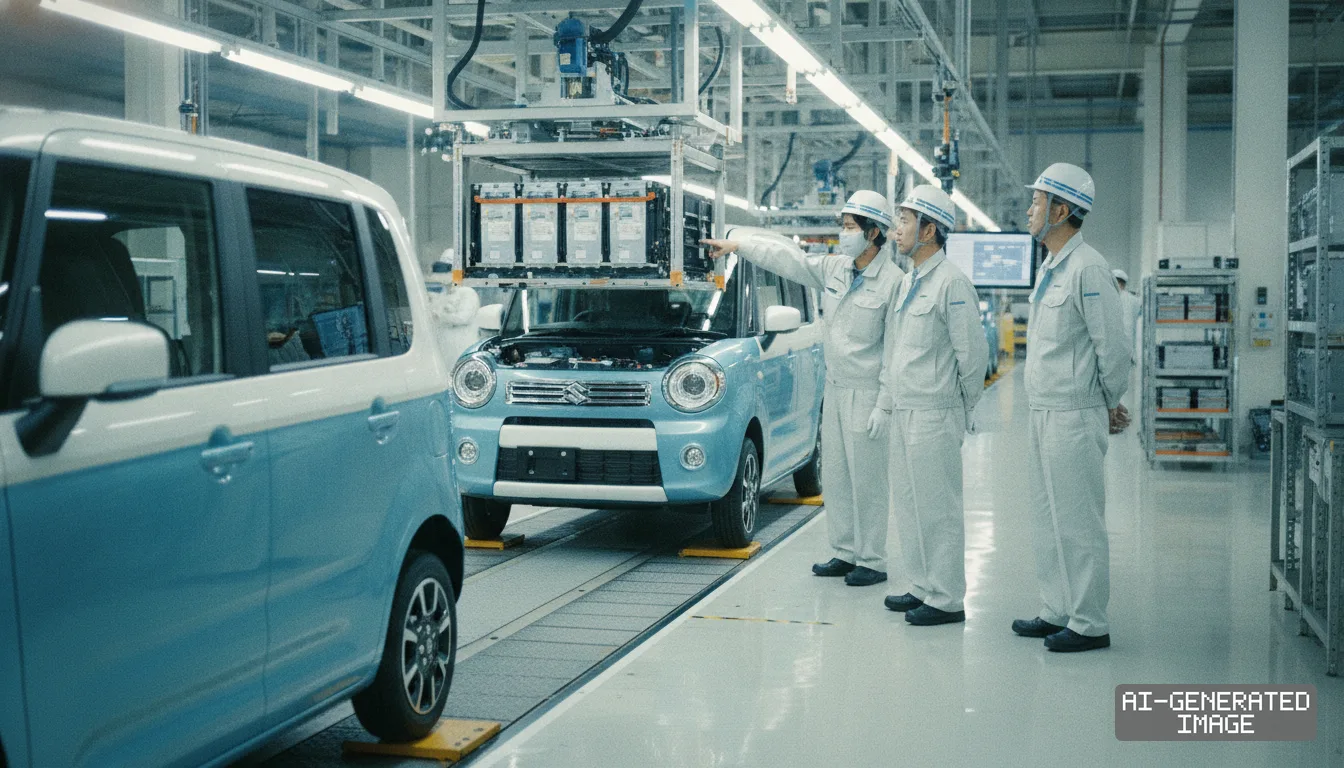
The pivot to energy storage arrives as electric vehicle cell shipments decelerate across Western markets. Automakers in the United States and Europe have deferred battery procurement contracts and shifted assembly lines toward gasoline-hybrid models.
Storage contracts offer higher factory operating rates for battery makers coping with sluggish automotive demand, industry analysts said. Reallocating production lines allows manufacturers to lift plant utilization rates back above 70% after recent downturns.
Stationary storage also provides faster revenue recognition than automotive platforms, which require multi-year vehicle design cycles. Standardized containerized battery blocks can be manufactured, delivered and installed at data center sites within 12 months.
Chinese manufacturers Contemporary Amperex Technology and BYD still control more than 70% of global stationary energy storage shipments. However, United States tariffs and federal procurement restrictions restrict their access to North American cloud facilities.
Those trade hurdles have created an opening for South Korean cell makers with operational manufacturing facilities inside the United States. Hyperscale operators such as Microsoft and Amazon require domestic suppliers to ensure continuous project schedules.
Substation connection queues in the United States currently average more than four years for large grid interconnections. On-site battery storage allows developers to bring computing clusters online ahead of scheduled utility substation expansions.
By charging storage units during low-demand night hours and discharging during computational surges, operators bypass local transmission bottlenecks. The architecture avoids costly peak-demand surcharges levied by regional transmission operators during daytime operations.
Commercial deliveries of LG Energy Solution container units run through December 2026 across North America. Samsung SDI schedules initial commercial shipments of its Samsung Battery Box 2.0 enclosures for early 2027.
The company filings do not disclose the precise profit margins or individual contract values negotiated with North American cloud operators. Neither manufacturer has published detailed pricing breakdowns for their containerized AI power storage systems.
United States regional grid queues held more than 500 gigawatts of proposed battery storage capacity awaiting final utility interconnection approvals entering the final quarter of 2026.
Impact map
How this development propagates across the region and out to global buyers.
| Event | Korea | China | Japan | Global impact |
|---|---|---|---|---|
| AI data center BESS pivot | LG Energy Solution and Samsung SDI pivot idle EV lines to fill >50 GWh storage targets | CATL and BYD maintain 70% global share but face exclusion from US hyperscaler sites | Hitachi Energy shares Nvidia DSX power rack qualification alongside Korean cells | Hyperscalers bypass 4-year grid interconnection queues using on-site containerized BESS |
In this story
- Companies
- LG Energy SolutionSamsung SDI
- Tickers
- 373220.KS006400.KS
- Exposed
- NvidiaTeslaContemporary Amperex TechnologyBYD
- Policy
- Subsidies
- Impact
- Supply ChainCapexOrder Book
Track every Subsidies development →
Related briefings
- CATL Surpasses Korean Battery Trio in Markets Outside China Also on Tesla, BYD, Contemporary Amperex Technology
- CATL widens global EV battery lead to 39.4% as Korean share slips Also on Tesla, BYD, Contemporary Amperex Technology
- Panasonic Energy unveils 150 C solid-state prismatic battery Also on Tesla, BYD, Contemporary Amperex Technology
- Chinese EVs capture 35% Korea market share under 8% tariff Also on Tesla, BYD, Samsung SDI
Sources
Reporting
Confidence: medium — how we grade this
The documents behind this briefing are linked above. East Asia Brief produces its English text with AI assistance under human editorial review, and does not translate or republish other outlets' articles. See our methodology and AI policy. Spotted an error? Tell us.
The Morning Brief
What changed in Korean, Chinese and Japanese industry overnight — and what it means for your supply chain. One email, weekday mornings, US time. Free.
The Morning Brief is in preparation. Leave your address and we will write to you once — when the first issue is ready. Nothing before that.