LG Energy Solution pivots Polish EV battery plant toward ESS
The company is retooling lines at its 25 billion zloty Wroclaw site after a prolonged regional electric vehicle slowdown weighed on production.
LG Energy Solution announced Nov. 20, 2026, a restructuring of its European production hub, shifting electric vehicle battery capacity at its Wroclaw facility in Poland toward energy storage systems.
The manufacturing hub in Biskupice Podgorne represents 25 billion Polish zloty ($6.1 billion) in cumulative capital expenditure since site preparation began in October 2016, according to the company.
Lithium-ion batteries produced at the site now generate roughly 2% of Poland's total annual export value. The facility employs approximately 6,500 manufacturing technicians, research personnel and operations staff.
The operational shift addresses a prolonged slowdown in regional electric vehicle demand across Europe. Automobile manufacturers have postponed production targets while battery makers grapple with lower line utilisation rates.
European Union trade policies also drive the adaptation. Forthcoming battery passport rules and regional supply requirements compel cell producers to establish closed-loop, localized manufacturing chains inside the single market.
To protect utilization, LG Energy Solution is converting selected pouch-cell assembly lines from nickel-cobalt-manganese automotive configurations to lithium iron phosphate chemistries. The adjustments target utility grid applications.
Lithium iron phosphate packs provide lower thermal run-away risks and reduced raw material overhead. Those performance characteristics align closely with European power operators deploying stationary battery storage infrastructure.
The Wroclaw complex will also allocate dedicated capacity to high-voltage mid-nickel pouch cells. That chemistry lowers cobalt reliance while preserving the higher energy density required by volume-segment passenger cars.
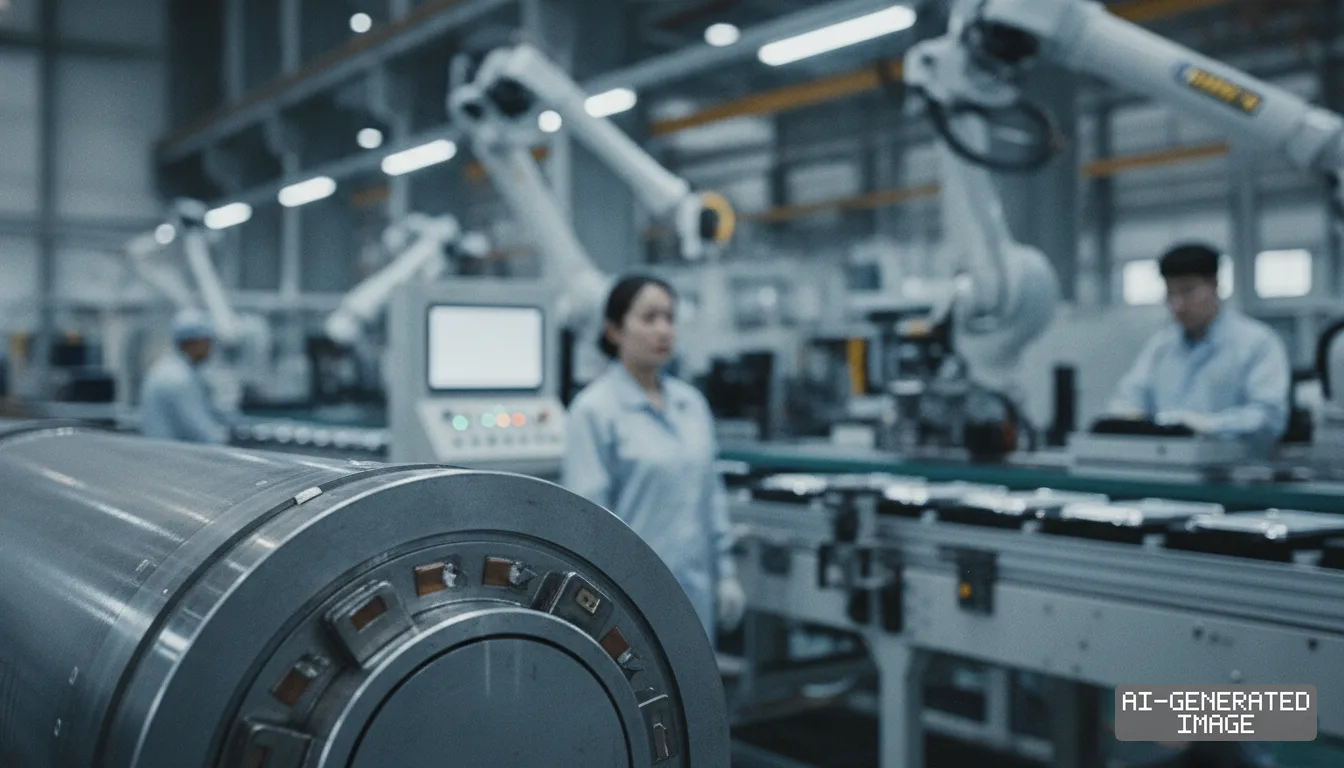
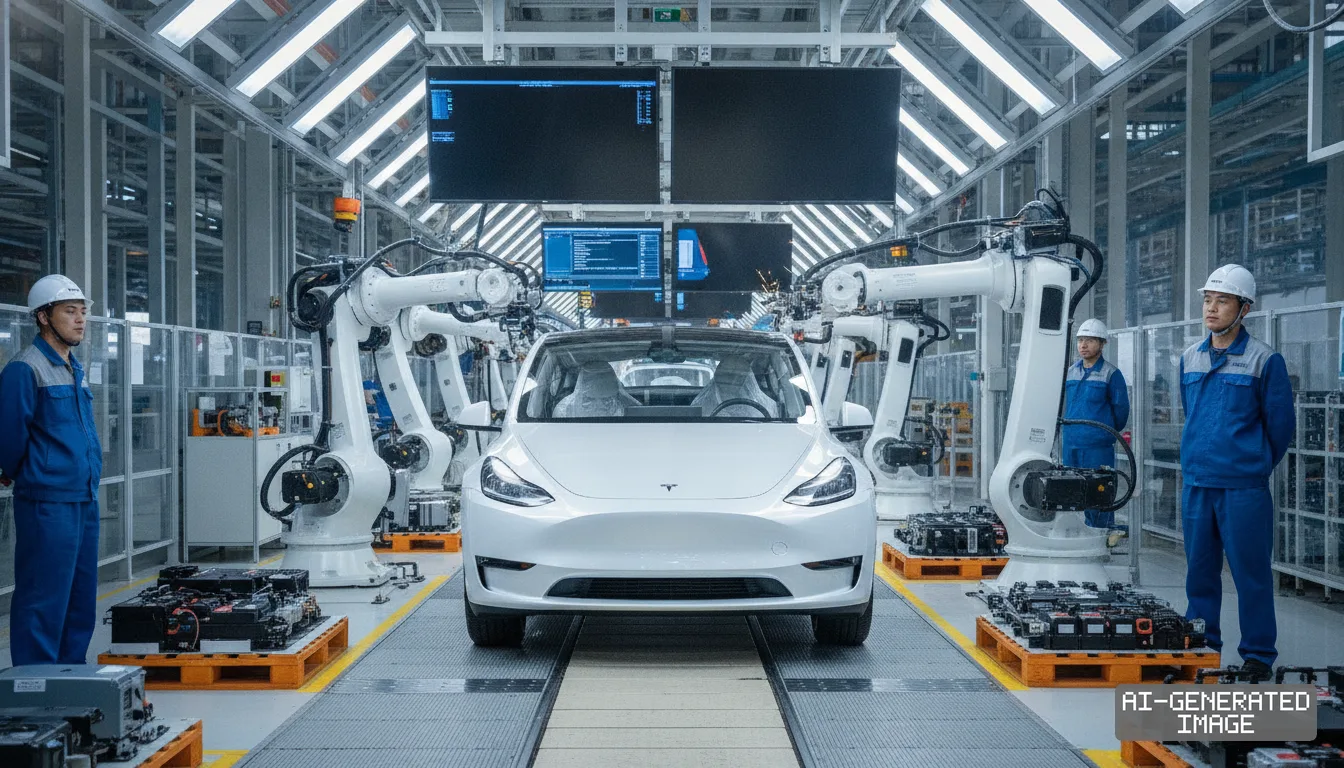
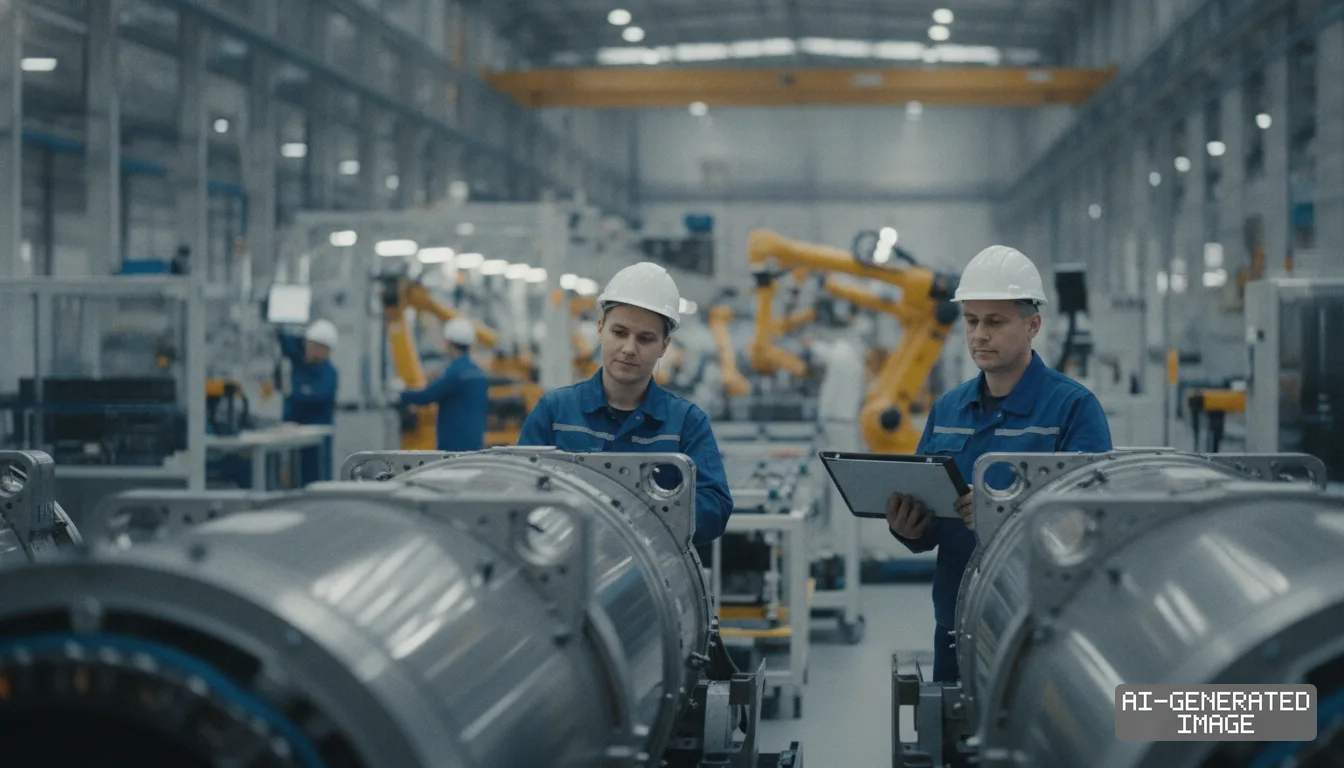
The Polish site operates a fully integrated manufacturing line within Lower Silesia. Operations encompass chemical mixing, electrode coating, pouch cell assembly, module packaging and container integration in one industrial zone.
System packaging at the plant focuses on proprietary DC-Link container architecture. The unit combines lithium-ion battery modules, liquid cooling loops and independent thermal fire barriers into a standard 45-ton enclosure.
Municipal and national utility contracts form the core commercial pipeline for the reconfigured lines. State-owned utility Polska Grupa Energetyczna contracted the Wroclaw factory to supply 981 megawatt-hours of storage hardware.
That equipment will power the Zarnowiec Energy Storage Facility in northern Poland. The site combines 204 DC-Link containers to deliver 262 megawatts of flexible operating reserve for the national electricity grid.
The manufacturer commenced on-site container deliveries in April 2026, completing primary installation work during the third quarter. Commercial operation at the Zarnowiec facility is scheduled to begin in 2027.
Capital funding for the Zarnowiec project relies on non-repayable grants from Poland's National Recovery and Resilience Plan. Warsaw designed the disbursement to reinforce domestic grid flexibility amid expanding wind generation.
Commercial momentum accelerated Oct. 27, when LG Energy Solution concluded a strategic memorandum of understanding with Energix Renewable Energies. The Israeli independent power producer agreed to procure utility storage systems.
The bilateral agreement outlines two gigawatt-hours of total storage supply over the next 24 months. European utility installations will absorb 1.5 gigawatt-hours, with the remaining volume slated for North American projects.
The framework includes contractual provisions to scale aggregate volumes to 4.5 gigawatt-hours through regional subsidiaries. Energix will first deploy 320 megawatt-hours at the Jonava integrated solar and wind project in Lithuania.
The companies established their initial European relationship during the Nowe Czarnowo storage deployment in Poland. That facility incorporated 100 megawatt-hours of capacity across two construction stages completed in 2024 and 2026.
During its third-quarter earnings call Nov. 3, LG Energy Solution confirmed a global target of more than 70 gigawatt-hours of energy storage system capacity to balance automotive volatility.
The group posted consolidated revenue of 9.6 trillion won ($6.9 billion) and operating profit of 756 billion won for the third quarter, supported by storage deployments and high-voltage mid-nickel adoption.
Beyond pouch cells, management confirmed the Polish production hub will add 46-series cylindrical manufacturing capabilities starting in 2029. That investment broadens Wroclaw's product portfolio into standardized cylindrical architectures.
The 46-millimeter format provides higher volumetric efficiency and direct structural integration for electric vehicles. European automotive brands are designing next-generation vehicle platforms around the larger cylindrical cell standard.
The Wroclaw plant will host an open media day Nov. 26 to tour the converted manufacturing floors. Technical executives will present the operational lithium iron phosphate assembly units to European industry delegates.
The announcement does not state the specific gigawatt-hour volume of capacity converted from electric vehicle pouch lines to lithium iron phosphate production. The company has not published line-level investment figures.
South Korea's Ministry of Trade, Industry and Energy has published no regulatory filings concerning the Polish line conversion. Exchange regulators in Seoul received no separate statutory disclosures regarding the milestone.
Impact map
How this development propagates across the region and out to global buyers.
| Event | Korea | China | Japan | Global impact |
|---|---|---|---|---|
| Wroclaw battery fab retooling | LG Energy Solution reallocates idle European pouch lines to higher-margin ESS | Chinese LFP cell makers face direct European manufacturing competition | Japanese separator and materials suppliers maintain pouch component flows | Grid operators secure local containerized storage amid tightening EU content rules |
In this story
- Companies
- LG Energy Solution
- Tickers
- 373220.KS
- Exposed
- Polska Grupa EnergetycznaEnergix Renewable Energies
- Policy
- SubsidiesLocal Content Rules
- Impact
- Supply ChainCapexOrder Book
Track every Subsidies development → Track every Local Content Rules development →
Related briefings
- LG Energy Solution signs 4.5 GWh storage pact with Energix Also on Energix-Renewable Energies, LG Energy Solution, Order Book
- POSCO Future M accelerates LFP cathode output for utility grids Also on Local Content Rules, LG Energy Solution, Subsidies
- LG Energy Solution locks in $4.3 billion Tesla Megapack battery supply Also on Local Content Rules, LG Energy Solution, Subsidies
- L&F builds 60,000-ton LFP cathode plant on rising ESS orders Also on Local Content Rules, LG Energy Solution, Subsidies
Sources
Reporting
Confidence: medium — how we grade this
The documents behind this briefing are linked above. East Asia Brief produces its English text with AI assistance under human editorial review, and does not translate or republish other outlets' articles. See our methodology and AI policy. Spotted an error? Tell us.
The Morning Brief
What changed in Korean, Chinese and Japanese industry overnight — and what it means for your supply chain. One email, weekday mornings, US time. Free.
The Morning Brief is in preparation. Leave your address and we will write to you once — when the first issue is ready. Nothing before that.