LG Energy Solution expands Michigan workforce to 3,300 at $5B hub
Cumulative investment in Holland and Lansing tops $5 billion as commercial manufacturing scales up to 35 gigawatt-hours for grid storage cells.
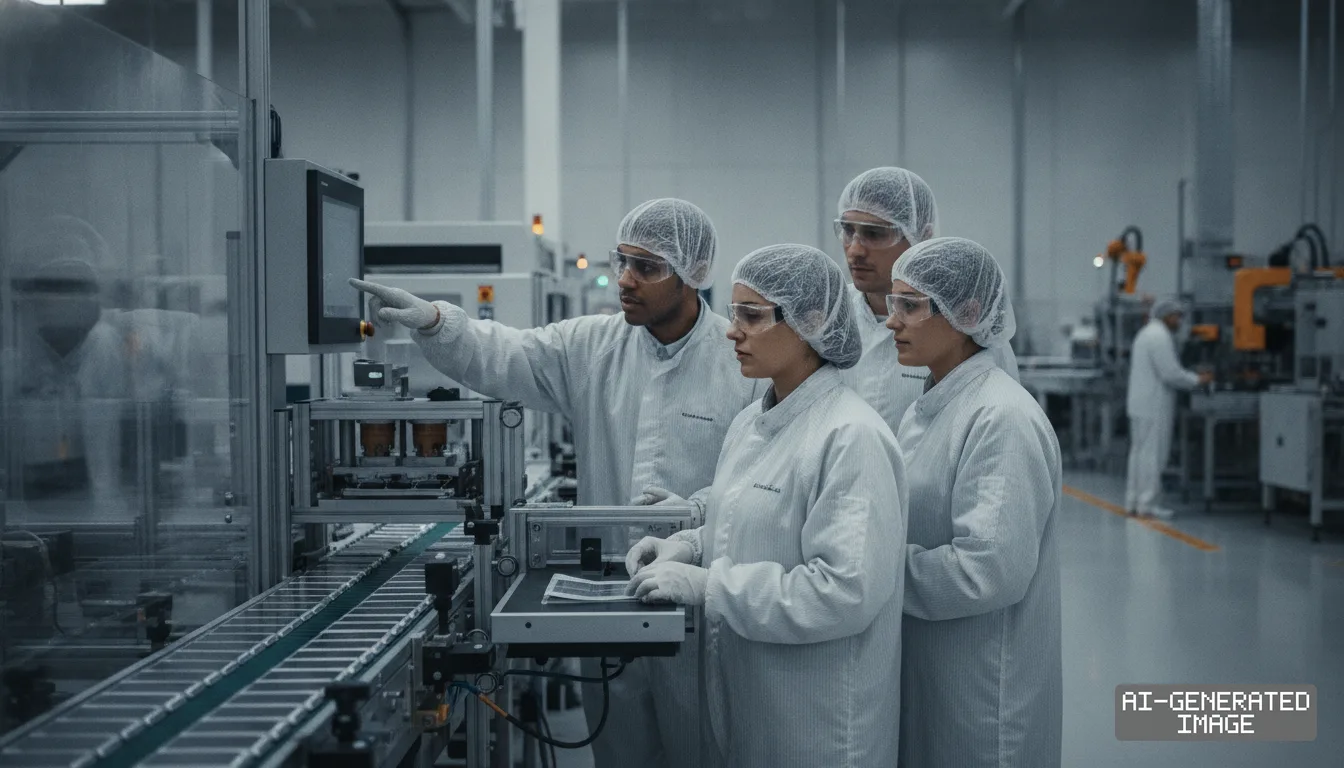
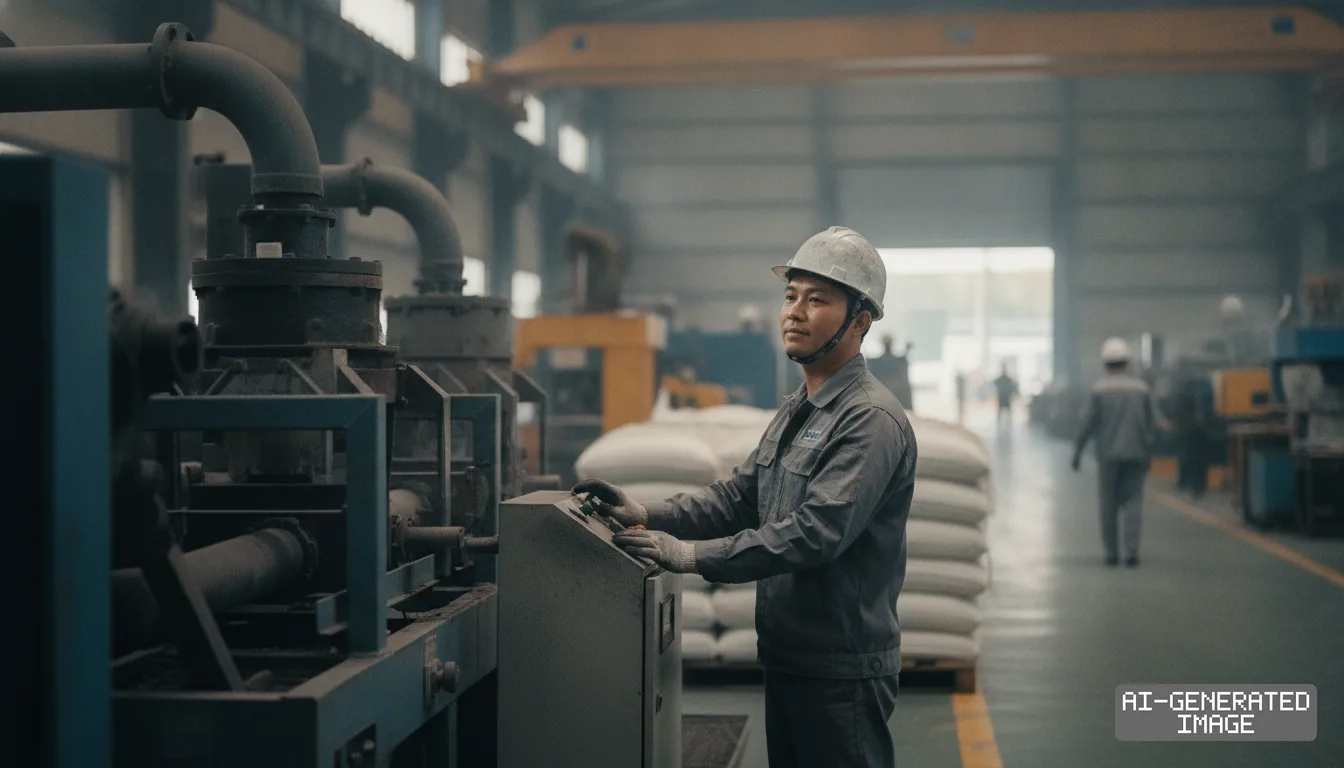
LG Energy Solution said Nov. 13 it is expanding its Michigan manufacturing workforce past 3,300 personnel, consolidating production across two operational factories and a regional technical headquarters.
The expansion brings cumulative capital expenditure by the South Korean battery manufacturer in Michigan to more than $5 billion since 2010. The state footprint includes cell manufacturing plants in Holland and Lansing, alongside research offices in Troy.
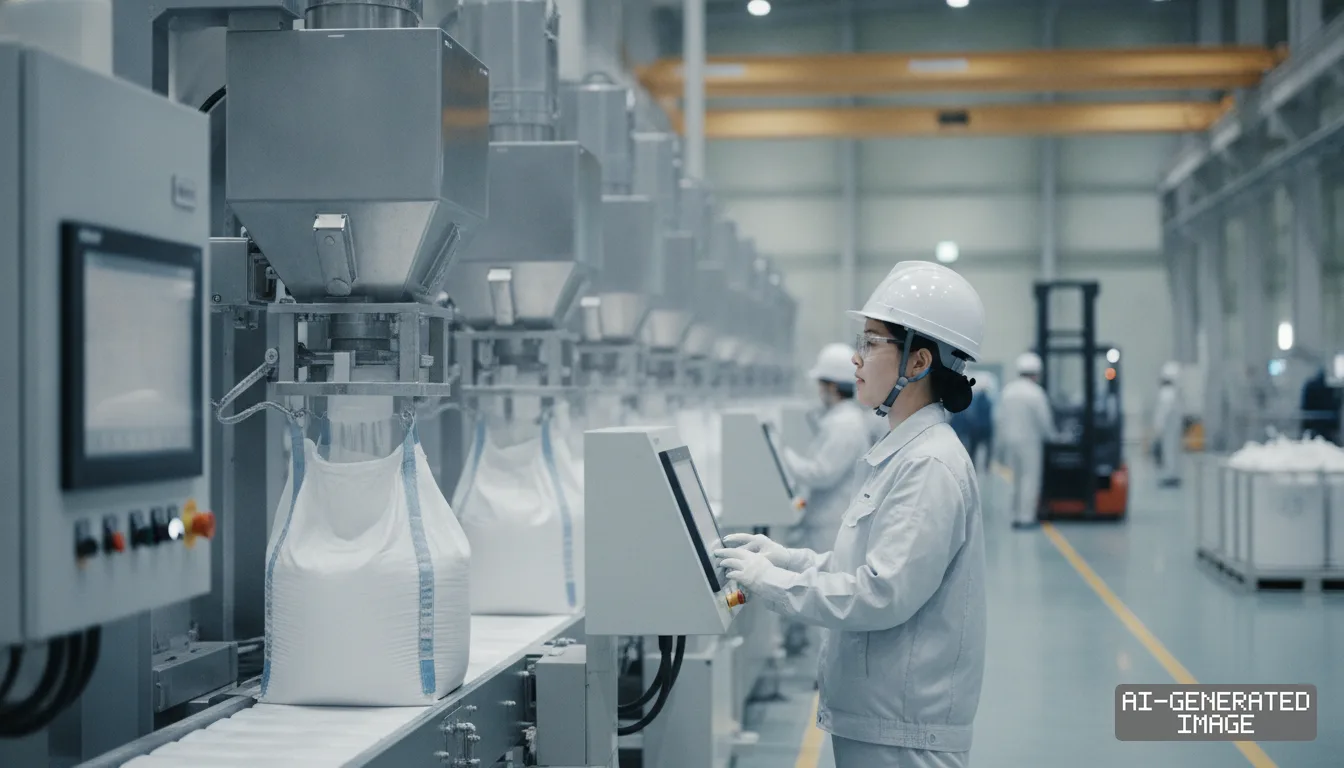
The Lansing facility, which began commercial manufacturing in August 2026, is targeted to exceed 35 gigawatt-hours in annual cell capacity. It produces lithium iron phosphate cells for stationary storage alongside nickel-manganese-cobalt cells for electric passenger vehicles.
In Holland, LG Energy Solution initiated commercial manufacturing of lithium iron phosphate energy storage cells in June 2025. That milestone followed a $1.7 billion expansion program first announced by the company in March 2022.
The projected staffing total will place LG Energy Solution among the 50 largest corporate employers in Michigan by the end of 2026. Headcount additions include 1,700 technical and production workers in Lansing and 1,200 roles in Holland.
To support the operational ramp-up, the company maintains workforce training partnerships with 12 Michigan colleges and vocational institutes. It also operates an internal educational assistance program to train assembly technicians and equipment operators.
The Michigan operations reflect a strategic shift to diversify away from slowing passenger electric vehicle assembly toward grid-scale energy storage systems. Utility buyers in North America face rising electrical demand from industrial facilities and artificial intelligence data centers.
LG Energy Solution acquired full ownership of the Lansing facility in May 2025 from Ultium Cells, its joint venture with General Motors. The plant was originally conceived as the venture's third domestic manufacturing base.
Cells manufactured at the Lansing facility feed directly into LG Energy Solution Vertech, the company's US energy storage integration subsidiary. Vertech supplies turnkey containerized battery systems to American electrical utilities and renewable power developers.
Vertech previously secured a two-year contract with Detroit-based utility DTE Energy to deliver grid storage hardware for eight Michigan battery installations. Lansing and Holland output qualifies projects for domestic manufacturing tax credits under federal subsidy guidelines.
The Lansing site also produces nickel-manganese-cobalt traction cells for Toyota Motor. Output is earmarked for the 2027 Toyota Highlander electric sport utility vehicle assembled at Toyota's vehicle assembly plant in Georgetown, Kentucky.
Michigan forms the operational core of a broader five-site North American energy storage production network. The network includes facilities in Windsor, Ontario; Spring Hill, Tennessee; and a joint venture site in Jeffersonville, Ohio.
LG Energy Solution plans to expand regional energy storage cell production capacity past 50 gigawatt-hours by the end of 2026. North America will account for approximately 80% of the manufacturer's global energy storage production capability.
Upstream material sourcing is being realigned to feed this North American footprint while complying with foreign entity restrictions. On Nov. 3, 2026, battery materials supplier L&F signed a four-year cathode active material agreement with LG Energy Solution.
The agreement is valued at approximately 1.0349 trillion won ($774 million) and runs from 2028 through 2031. The supply volume represents 48.03% of the 2.2 trillion won in consolidated revenue recorded by L&F in 2025.
L&F is expanding cathode manufacturing capacity at its Guji plant to 60,000 metric tons annually to fulfill the contract. The agreement marks the company's first large-scale lithium iron phosphate cathode contract with LG Energy Solution outside China.
The battery maker also secured upstream chemical inputs to supply its North American refining and cell plants. On Oct. 8, 2026, LG Energy Solution signed a four-year offtake contract with Canadian extraction developer Elevra Lithium.
Under the agreement, Elevra Lithium will supply 240,000 metric tons of spodumene concentrate, a lithium-bearing mineral feedstock. The Canadian material will feed North American processing lines to ensure compliant localized content under federal trade rules.
Expanding domestic component procurement and assembly lowers ocean freight overhead and insulates margins from potential tariff hikes on imported cells. Producing cells locally also allows industrial customers to capture clean energy tax credits without regulatory dispute.
The company notice does not state whether the Michigan Economic Development Corporation approved fresh state-level financial subsidies, and the state agency has not published incentive determinations for this operating phase.
The company expects Michigan staffing to cross the 3,300 mark by Dec. 31, 2026. First cathode shipments under the four-year L&F supply agreement are scheduled to begin deliveries to production lines in January 2028.
Impact map
How this development propagates across the region and out to global buyers.
| Event | Korea | China | Japan | Global impact |
|---|---|---|---|---|
| Michigan battery expansion | LG Energy Solution and L&F anchor 1.0349 trillion won non-China cathode channel | Cathode refiners face displacement under North American content rules | Toyota Motor secures Michigan NMC traction cells for 2027 Highlander EV | Non-China ESS cell supply increases as North American LFP capacity hits 50 GWh |
In this story
- Companies
- LG Energy Solution
- Tickers
- 373220.KS
- Exposed
- Toyota MotorGeneral MotorsElevra Lithium
- Policy
- Local Content Rules
- Impact
- Supply ChainCapexCost Structure
Track every Local Content Rules development →
Related briefings
- LG Energy Solution secures 240,000 tons of Canadian lithium from Elevra Also on Elevra Lithium, General Motors, LG Energy Solution
- LG Energy Solution beats profit views on grid battery orders Also on Elevra Lithium, General Motors, LG Energy Solution
- Battery makers widen aerogel sheet adoption as EV thermal propagation rules tighten Also on General Motors, Toyota Motor, Cost Structure
- Japan funds $21 billion GlobalFoundries build in New York Also on General Motors, Toyota Motor
Sources
Reporting
Confidence: medium — how we grade this
The documents behind this briefing are linked above. East Asia Brief produces its English text with AI assistance under human editorial review, and does not translate or republish other outlets' articles. See our methodology and AI policy. Spotted an error? Tell us.
The Morning Brief
What changed in Korean, Chinese and Japanese industry overnight — and what it means for your supply chain. One email, weekday mornings, US time. Free.
The Morning Brief is in preparation. Leave your address and we will write to you once — when the first issue is ready. Nothing before that.