LG Energy Solution Binds $4.3B Tesla Pact to Grid Storage
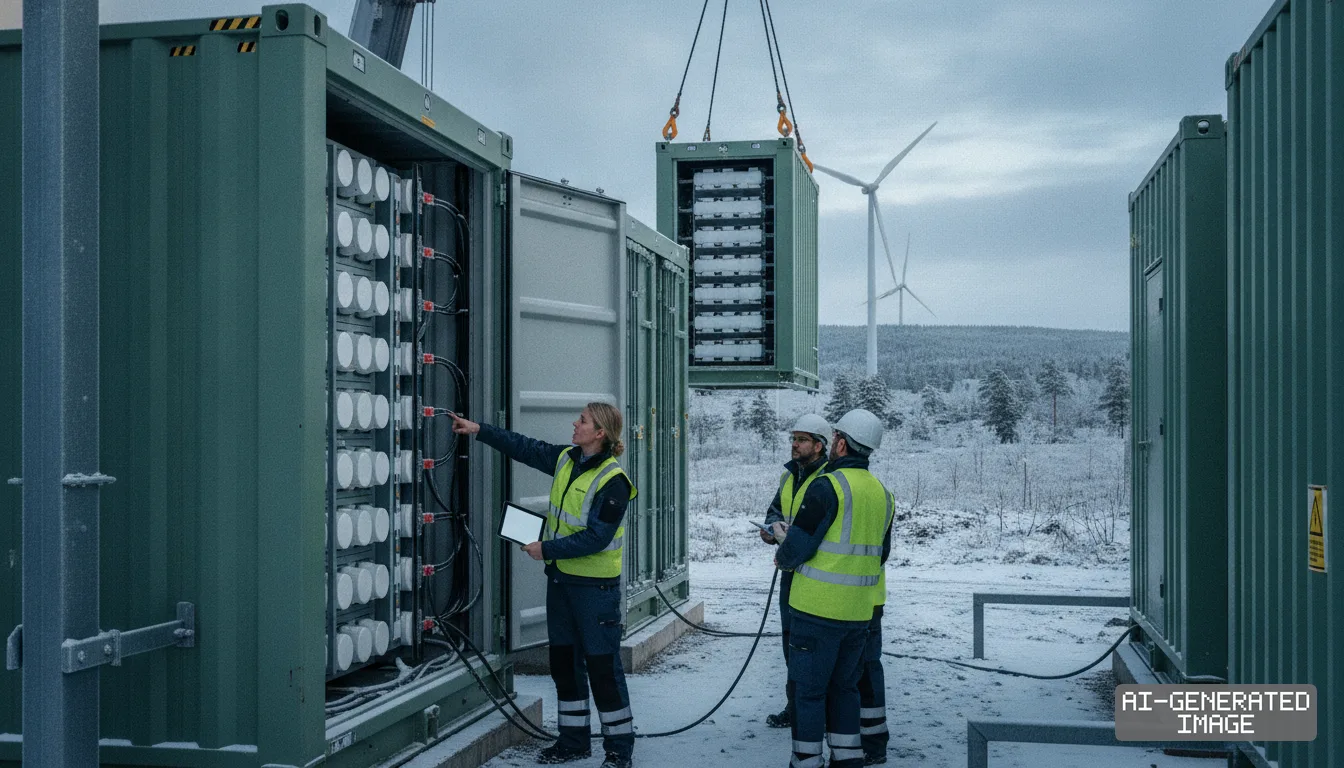
The 5.94 trillion won Michigan contract will supply lithium iron phosphate cells for Megapack units from 2027, with no electric vehicle procurement filed on Korean bourses.
LG Energy Solution had no record of a new electric vehicle battery deal with Tesla on Oct. 10, 2026, keeping its $4.3 billion supply commitment tied to stationary power storage.
The contract, valued at 5.9442 trillion won ($4.309 billion), accounts for 23.2% of the battery maker's 2024 annual revenue. It remains the largest single supply agreement in the company's operating history.
Regulatory filings at the Financial Supervisory Service show LG Energy Solution originally signed the transaction on July 29, 2025. The company posted the initial regulatory disclosure the following day under strict confidentiality terms.
Neither LG Energy Solution nor Tesla disclosed the counterparty during the initial filing. Market participants initially speculated on automotive applications before official government documentation identified the utility-scale energy sector.
The U.S. Department of the Interior confirmed Tesla as the buyer on March 17, 2026. The agency published the project details following the Indo-Pacific Energy Security Forum in Tokyo.
The agreement covers lithium iron phosphate (LFP) cells — a lower-cost battery chemistry using iron instead of nickel — in a prismatic casing. The cells will power Tesla's Megapack 3 commercial storage system.
Tesla plans to assemble the utility batteries at its Megafactory in Brookshire, Texas, near Houston. That manufacturing facility targets an annual assembly throughput of 50 gigawatt-hours of utility energy storage.
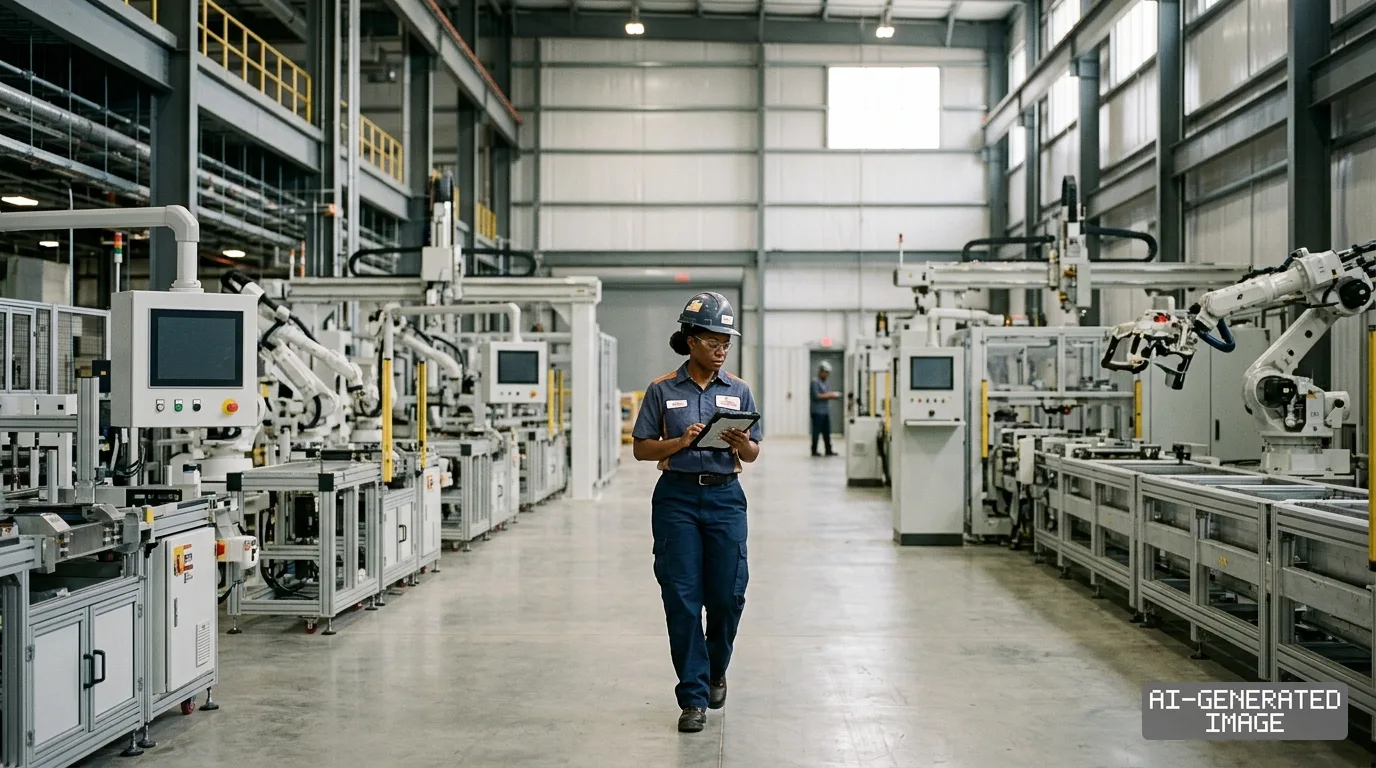
LG Energy Solution is preparing its manufacturing facility in Lansing, Michigan, to manufacture the cells. The plant was originally developed under a joint venture between the Korean battery manufacturer and General Motors.
General Motors sold its equity stake in the Lansing site back to LG Energy Solution in late 2024. The Detroit automaker withdrew from the facility when construction reached roughly 98% completion.
The plant pivot shifted the Michigan factory from electric car pouches to stationary power grids. The move aimed to counter falling utilization rates that touched 48% across earlier automotive cell lines.
LG Energy Solution confirmed the technical specifications on June 16, 2026, on its corporate newsroom. The company stated the Lansing lines would produce prismatic LFP units exclusively for stationary applications.
The company held a completion ceremony for the Lansing facility on Aug. 18, 2026. Michigan Governor Gretchen Whitmer and U.S. Interior Secretary Doug Burgum attended the ribbon-cutting event at the complex.
U.S. power grid developers face tightening domestic-content rules under federal clean energy laws. Equipment containing imported Chinese battery cells faces rising tariff barriers and tax incentive exclusions.
Tesla has pursued a two-track sourcing strategy for its utility-scale stationary systems. The company operates proprietary LFP lines in Nevada while contracting long-term domestic cell output from LG Energy Solution.
The Michigan output allows Tesla to replace Chinese prismatic cells in its Texas-built energy systems. Tesla previously imported vast volumes of stationary storage cells from Chinese battery manufacturers.
Deliveries from the Lansing lines begin on Aug. 1, 2027, according to the regulatory filing. The supply schedule runs through July 31, 2030, with provisions allowing an extension of up to seven years.
The contract terms allow both companies to negotiate expanded volume over the operating window. The initial three-year term covers firm delivery commitments before the potential multi-year extension takes effect.
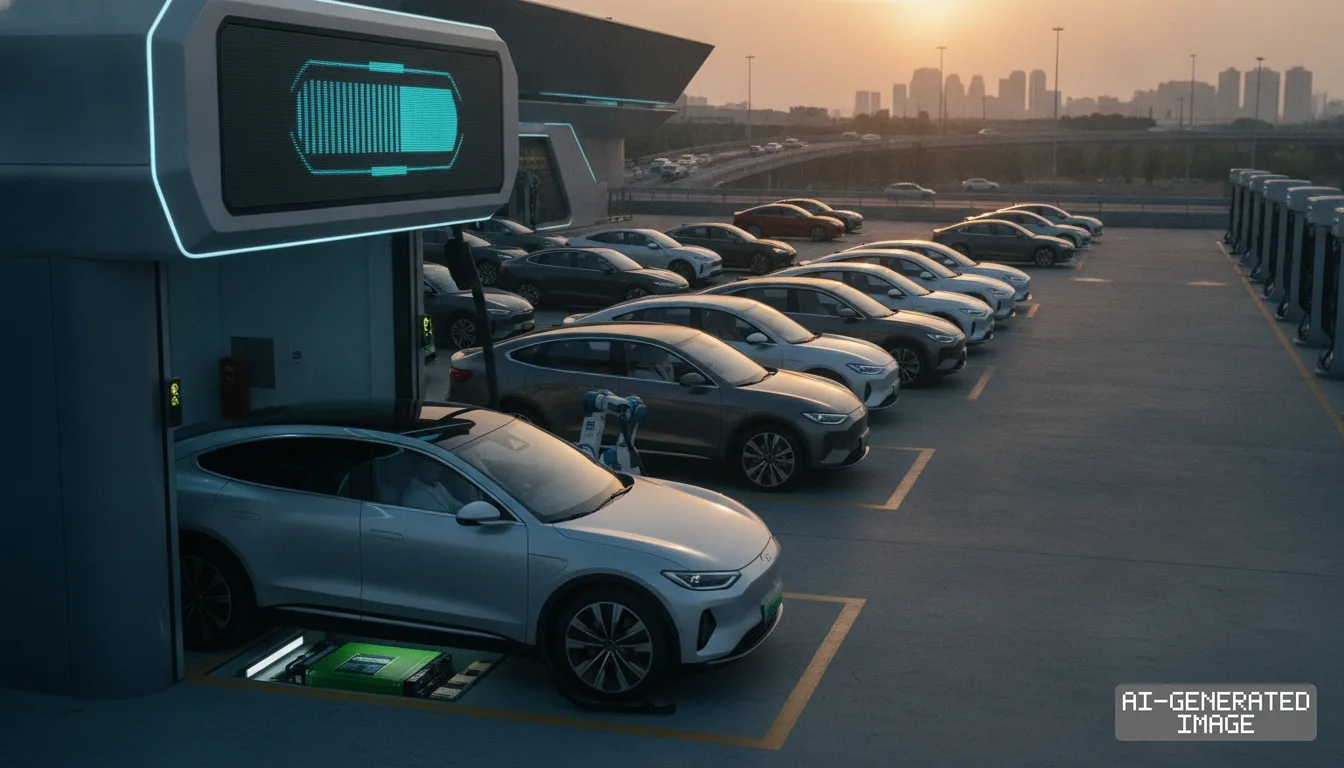
The South Korean regulatory filings do not record any new contract signed on Oct. 10, 2026, and the company has not confirmed any agreement converting the stationary storage volume into electric vehicle cells.
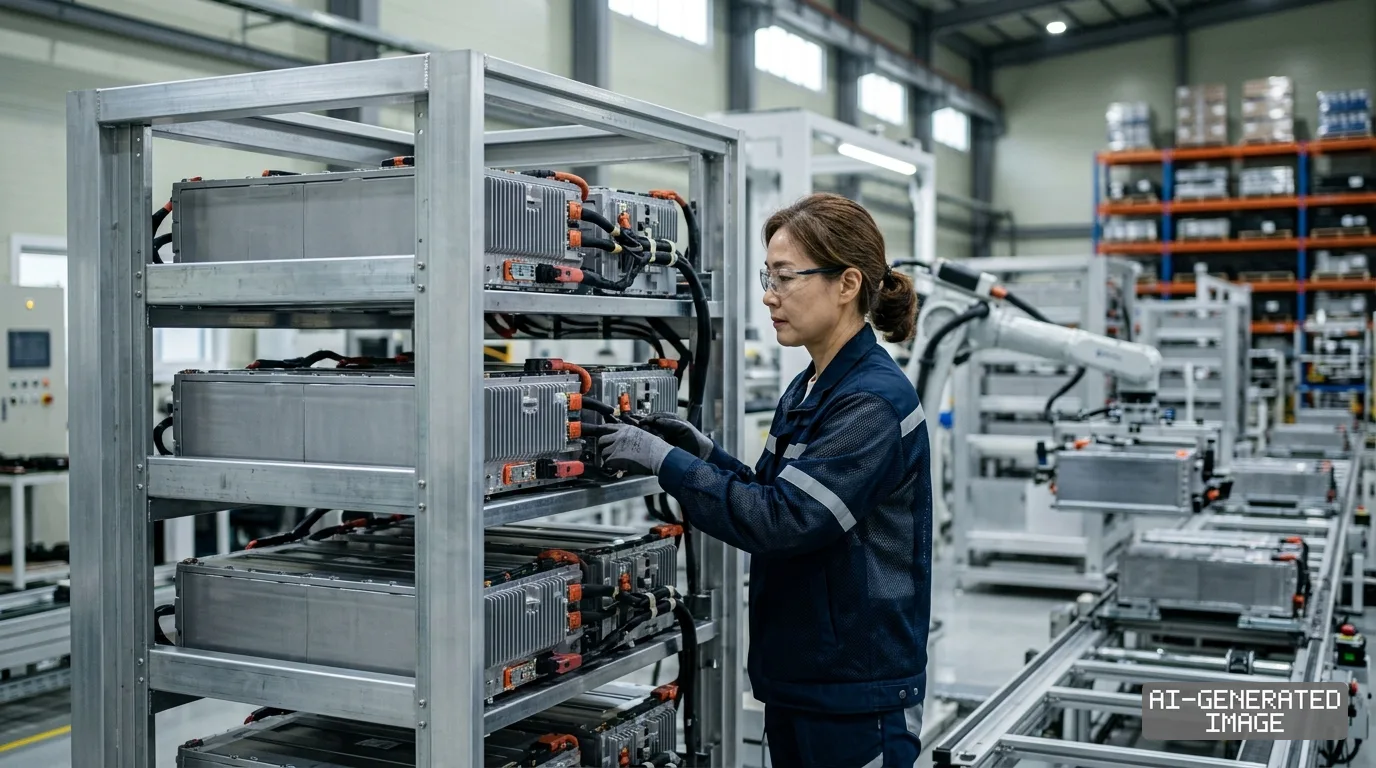
LG Energy Solution continues to develop 4680-format cylindrical cells for passenger vehicles on separate lines. That automotive program remains distinct from the stationary LFP production scheduled for the Lansing manufacturing complex.
The Lansing factory begins tool installation and test production runs in mid-2027. Full commercial shipments to Tesla's Texas energy facility will commence in August of that year.
Reclaiming the former joint-venture site restores production activity across one of Michigan's largest clean-energy investments. LG Energy Solution absorbed full ownership costs after General Motors exited the plant.
The long-term Tesla volume provides guaranteed baseload demand for the Lansing site through 2030. That stability protects the South Korean manufacturer against ongoing passenger vehicle order deferrals.
LG Energy Solution will report its third-quarter earnings on Oct. 28, 2026, when executives will review capital spending plans for the North American factory network.
Impact map
How this development propagates across the region and out to global buyers.
| Event | Korea | China | Japan | Global impact |
|---|---|---|---|---|
| Tesla stationary battery sourcing | LG Energy Solution locks in 5.94T won contract, filling Lansing plant capacity | CATL and domestic LFP cell suppliers face displacement in US Megapack assembly | Panasonic remains focused on 2170 automotive cylindrical cells without US grid share | US Megapack supply chain gains 50 GWh localized LFP manufacturing base |
In this story
- Companies
- LG Energy SolutionTesla
- Tickers
- 373220.KSTSLA
- Exposed
- General Motors
- Policy
- Economic SecuritySubsidies
- Impact
- Supply ChainCapexOrder Book
Track every Economic Security development → Track every Subsidies development →
Related briefings
- LG Energy Solution clarifies $4.3B Tesla energy storage deal Also on General Motors, Tesla, LG Energy Solution
- LG Energy Solution details $4.3B Tesla battery supply for US energy storage Also on General Motors, Tesla, LG Energy Solution
- CATL widens global EV battery lead to 39.4% as Korean share slips Also on General Motors, Tesla, LG Energy Solution
- China Delays Rare Earth Export Controls in U.S. Trade Truce Also on General Motors, Tesla
Sources
Primary documents
Reporting
Confidence: high — how we grade this
The documents behind this briefing are linked above. East Asia Brief produces its English text with AI assistance under human editorial review, and does not translate or republish other outlets' articles. See our methodology and AI policy. Spotted an error? Tell us.
The Morning Brief
What changed in Korean, Chinese and Japanese industry overnight — and what it means for your supply chain. One email, weekday mornings, US time. Free.
The Morning Brief is in preparation. Leave your address and we will write to you once — when the first issue is ready. Nothing before that.