Huawei unit Yinwang joins CATL battery swap network in China
The partnership links Huawei's Qiankun autonomous software to 2,520 Choco Swap stations, aiming for automated 99-second pack exchanges across Chinese electric vehicle brands.
Huawei automotive unit Yinwang signed a strategic agreement with Contemporary Amperex Technology on Oct. 19, 2026, to integrate autonomous driving systems with CATL's Choco Swap battery network across China.
Yinwang Chief Executive Jin Yuzhi signed the agreement in Ningde alongside CATL Chairman Robin Zeng. Contemporary Amperex Energy Service head Yang Jun joined the signing as the battery maker consolidates commercial operations.
CATL operated 2,520 Choco Swap stations across 200 Chinese cities as of Sept. 29, 2026, according to company deployment filings. Those stations manage roughly 20,000 standardized modular battery packs in commercial circulation.
The network aims to reach 3,000 stations across 216 cities by late 2026. The battery manufacturer set a long-term deployment target of 30,000 swap stations across municipal and highway corridors.
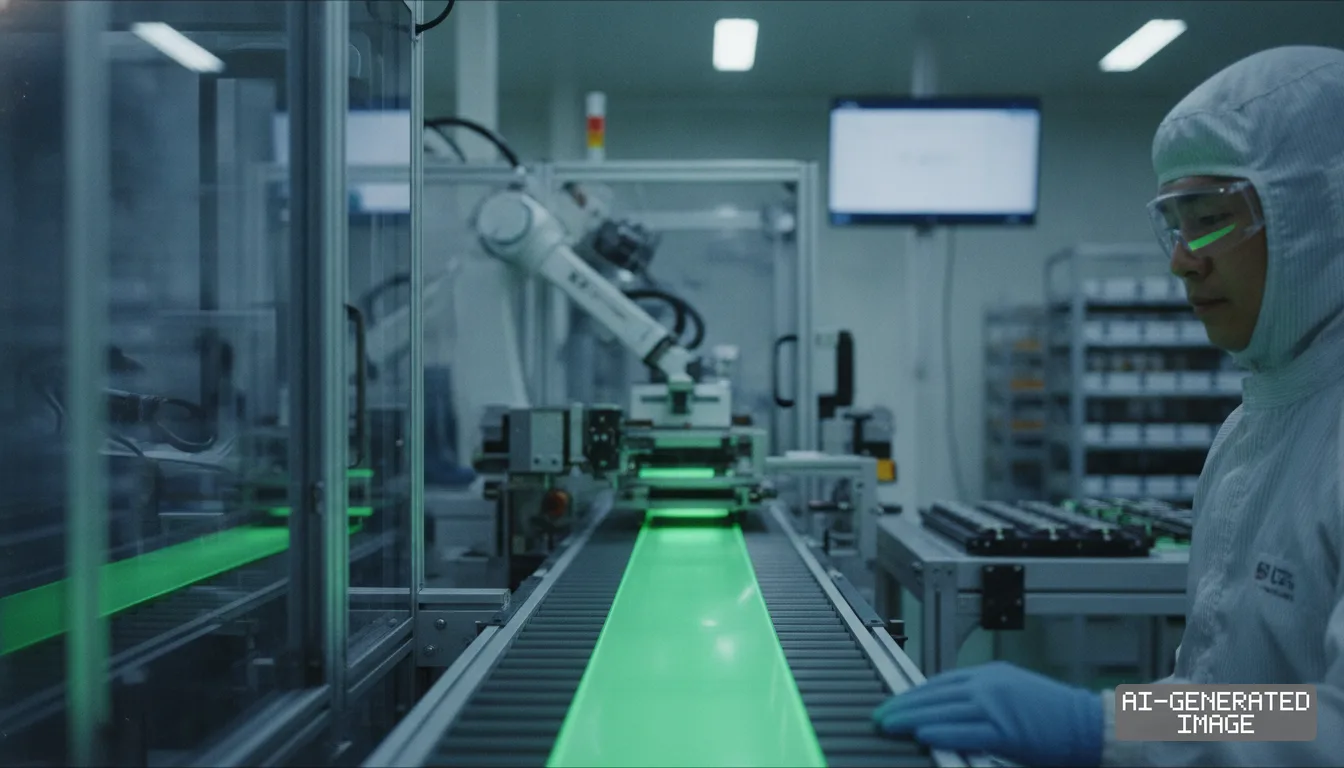
The partnership connects Huawei's Qiankun intelligent driving software directly to station hardware and cloud servers. Vehicles will determine their own energy depletion levels and route toward operational swap terminals autonomously.
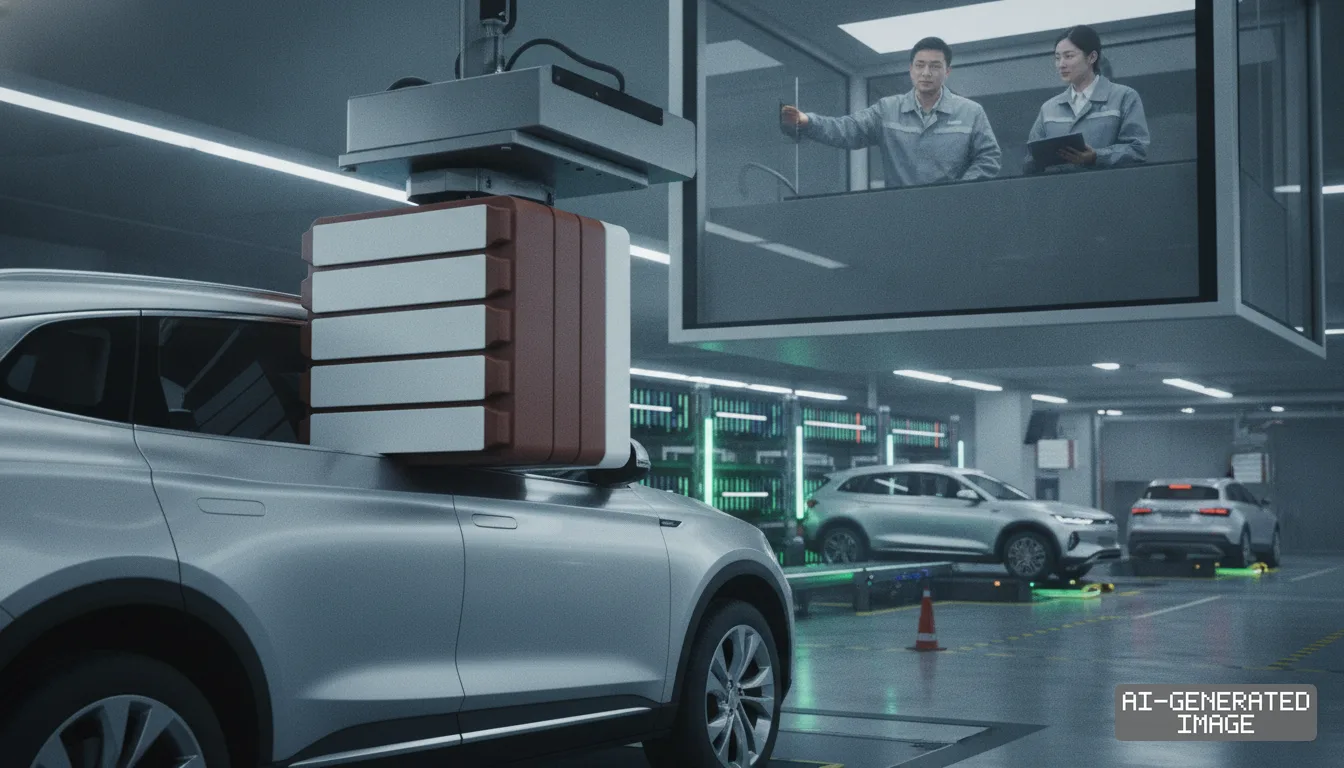
Vehicles dock automatically without driver intervention to complete a full battery pack exchange in 99 seconds. The automated exchange loop allows electric cars to exit service bays immediately after mechanical locking confirms pack alignment.
Huawei has connected its Qiankun software platform to 2 million public charging points and 300,000 parking facilities across China. Adding standardized swap stations creates a dual energy replenishment network for client automakers.
Huawei holds an 80% stake in Yinwang, its separated automotive intelligent solutions subsidiary. Automakers Seres and Avatr each hold 10% stakes following capital injections completed earlier this year.
Yang Jun assumed oversight of CATL's domestic passenger car marketing system alongside his operational role at CAES. The personnel shift aligns factory cell sales directly with swap station infrastructure deployment.
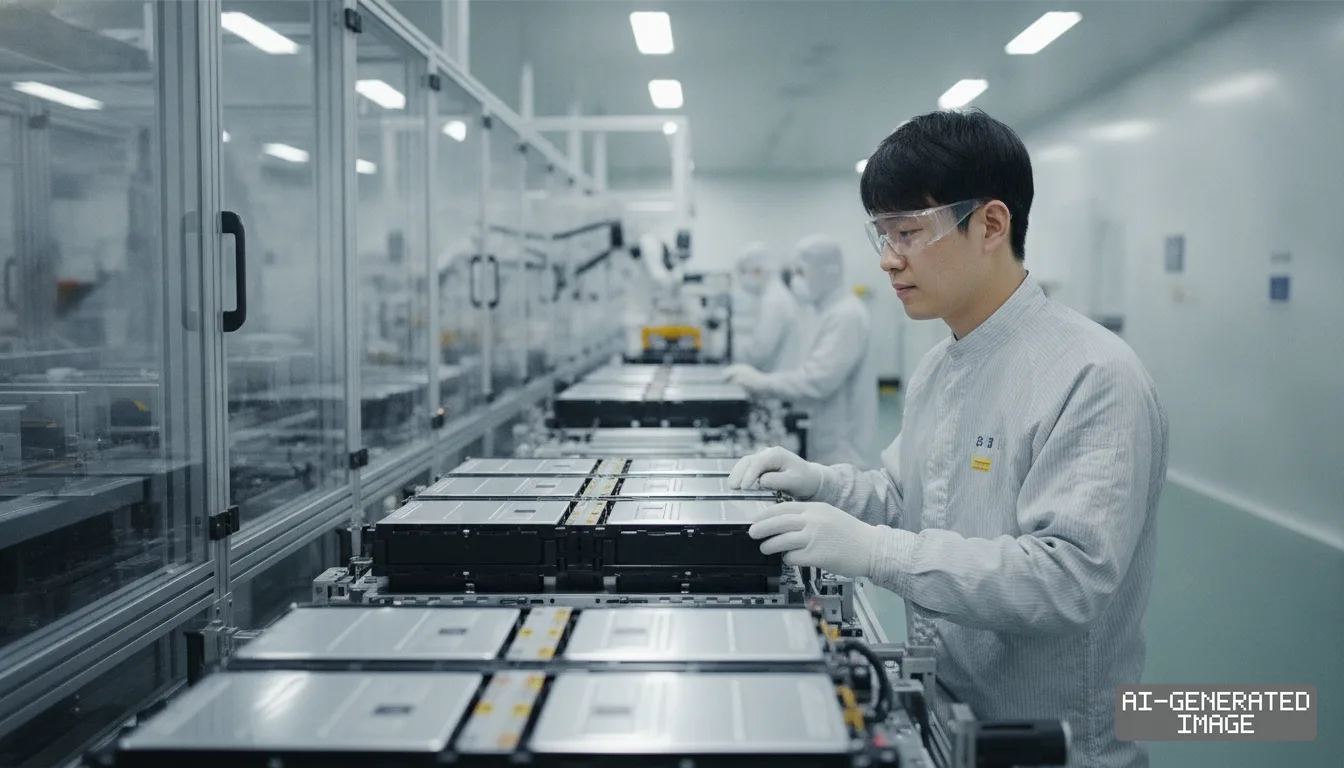
CATL designed its modular Choco-SEB packs to serve multiple passenger vehicle segments from compact sedans to executive sport utility vehicles. The 800-volt high-voltage pack standard allows rapid automated mounting across shared chassis designs.
The Huawei pact establishes an open infrastructure standard to challenge Nio, China's early battery swap leader. Nio operated 4,000 swap stations across the country as of August 2026, company records show.
Nio opened its fifth-generation swap stations to support its Nio, Onvo and Firefly vehicle brands across wheelbases up to 3.5 meters. Those sites remain largely exclusive to Nio's manufacturing partners and allied regional vehicle makers.
Nio added 679 swap stations in 2024 and 681 stations in 2025 as it controlled capital spending, according to industry registration figures. CATL relies on its balance sheet to accelerate construction across municipal hubs.
Battery swap infrastructure decouples the cell pack from vehicle retail pricing under battery-as-a-service commercial leasing models. The mechanism reduces initial showroom sticker prices while shifting chemical asset depreciation onto dedicated network operators.
State-owned Dongfeng Motor evaluates swap-compatible vehicle chassis for Yijing, a collaborative brand developed with Huawei. Connecting factory platforms to CATL stations allows manufacturers to avoid financing dedicated battery replacement sites.
Independent automakers face rising architectural friction between competing proprietary swap standards. Choosing between CATL's modular pack geometry and Nio's standardized battery carriage alters lower floorpan stampings and cooling line routing.
Commercial swap stations function as distributed power reservoirs capable of feeding electricity back into regional municipal grids. Centralized overnight charging inside climate-controlled station racks reduces lithium plating risks and extends cell service life.
CATL plans to build 1,000 highway swap stations by 2027 to establish an 11-vertical and nine-horizontal national transit grid. Intercity arterial corridors require rapid turnarounds to prevent congestion during statutory national holiday travel periods.
Foreign joint venture automakers including Toyota and Honda remain dependent on standard conductive fast-charging plugs in China. Their reliance on fixed onboard battery packs limits exposure to emerging domestic swap infrastructure.
South Korean battery producers LG Energy Solution and SK On face structural lock-out from Chinese standardized pack ecosystems. Both manufacturers lack compatible swap pack form factors tied to domestic cloud operating software.
The partnership agreement does not state the launch timetable for initial production models, the first commercial rollout cities or the consumer pricing structure. The companies have not disclosed hardware retrofitting costs for existing Qiankun models.
CATL reviews quarterly station installation metrics across target municipalities ahead of its 3,000-site operational deadline on Dec. 31, 2026. Yinwang software teams begin vehicle-to-station field calibration trials later this quarter.
Impact map
How this development propagates across the region and out to global buyers.
| Event | Korea | China | Japan | Global impact |
|---|---|---|---|---|
| Huawei-CATL swap alliance | LG Energy Solution and SK On face narrowing room in standard-dependent Chinese EV fleet supply chains | Nio faces open-platform network rivalry as CATL ties 2,520 stations to Huawei's auto clients | Toyota and Honda joint ventures remain tied to conductive charging without swap compatibility | Fleet operators gain standardized battery-as-a-service asset separation to lower upfront EV purchase costs |
In this story
- Companies
- Contemporary Amperex TechnologyYinwang
- Tickers
- 300750.SZ
- Exposed
- NioSeresDongfeng Motor
- Policy
- Standards
- Impact
- Supply ChainOrder Book
Track every Standards development →
Related briefings
- CATL warns China's solid-state battery target faces cost gap Also on Dongfeng Motor, Nio
- Li Auto and EV rivals drop CATL to build in-house batteries Also on Seres
- Nio prepares 60-kWh battery pack for Firefly compact EV brand Also on Nio, Standards
- UBTECH opens humanoid robot plant with 10,000-unit capacity Also on Dongfeng Motor
Sources
Reporting
Confidence: medium — how we grade this
The documents behind this briefing are linked above. East Asia Brief produces its English text with AI assistance under human editorial review, and does not translate or republish other outlets' articles. See our methodology and AI policy. Spotted an error? Tell us.
The Morning Brief
What changed in Korean, Chinese and Japanese industry overnight — and what it means for your supply chain. One email, weekday mornings, US time. Free.
The Morning Brief is in preparation. Leave your address and we will write to you once — when the first issue is ready. Nothing before that.