Korean battery makers win US ESS orders as tariffs hit China
Cumulative 40.9% import duties on Chinese cells pushed landed prices to $87 per kilowatt-hour, driving American utility developers to LG Energy Solution and Samsung SDI.
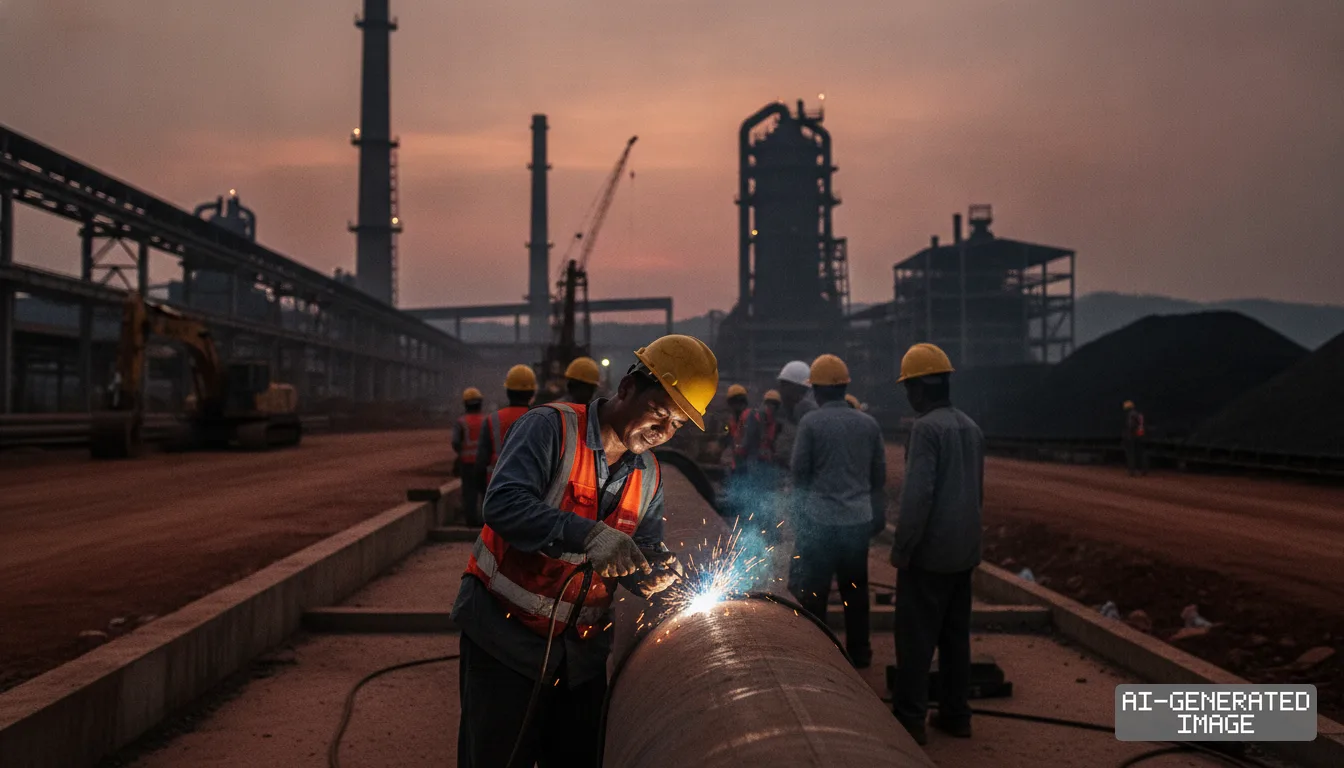
South Korean battery manufacturers expanded their share of the North American energy storage market on Oct. 19, 2026, as compounding Section 301 tariffs priced Chinese competitors out of utility-scale storage procurement tenders.
A cumulative 40.9% tariff on Chinese non-EV cells has altered bid economics across the United States. In contrast, South Korean products face an effective duty rate of 12.5%, according to the Korea Institute for Industrial Economics and Trade.
Landed prices for Chinese 314-ampere-hour lithium iron phosphate cells climbed to roughly $87 per kilowatt-hour in October, according to Benchmark Mineral Intelligence. That level sits 70% above domestic China factory prices of $51.62 per kilowatt-hour.
American power utilities and cloud data center operators have altered procurement schedules to avoid tariff liabilities. Project developers are cancelling Chinese supply allocations for grid deployments scheduled through 2027, according to trade records.
The shift ended two years of dominant Chinese penetration in North American battery storage. Chinese suppliers controlled more than 90% of the market in 2024, but saw that figure drop to 76% in the first half of 2026.
LG Energy Solution and Samsung SDI increased their combined North American storage share to 19.7% over the same interval. That represents a gain of roughly 5 percentage points from the 14% recorded a year earlier.
LG Energy Solution held a 13.6% share of the regional energy storage segment during the six months through June. The manufacturer expects new storage order volumes to reach 70 gigawatt-hours during the second half of 2026.
The order expansion supported corporate earnings. LG Energy Solution reported preliminary third-quarter operating profit of 756 billion won ($566.2 million) on Oct. 8, citing delivery increases for grid-scale systems across North America in its regulatory filing.
Consolidated third-quarter revenue reached 9.64 trillion won ($7.18 billion), an increase of 59% from a year earlier. Operating profit excluding United States production tax credits swung to 339.1 billion won from an operating loss in the prior quarter.
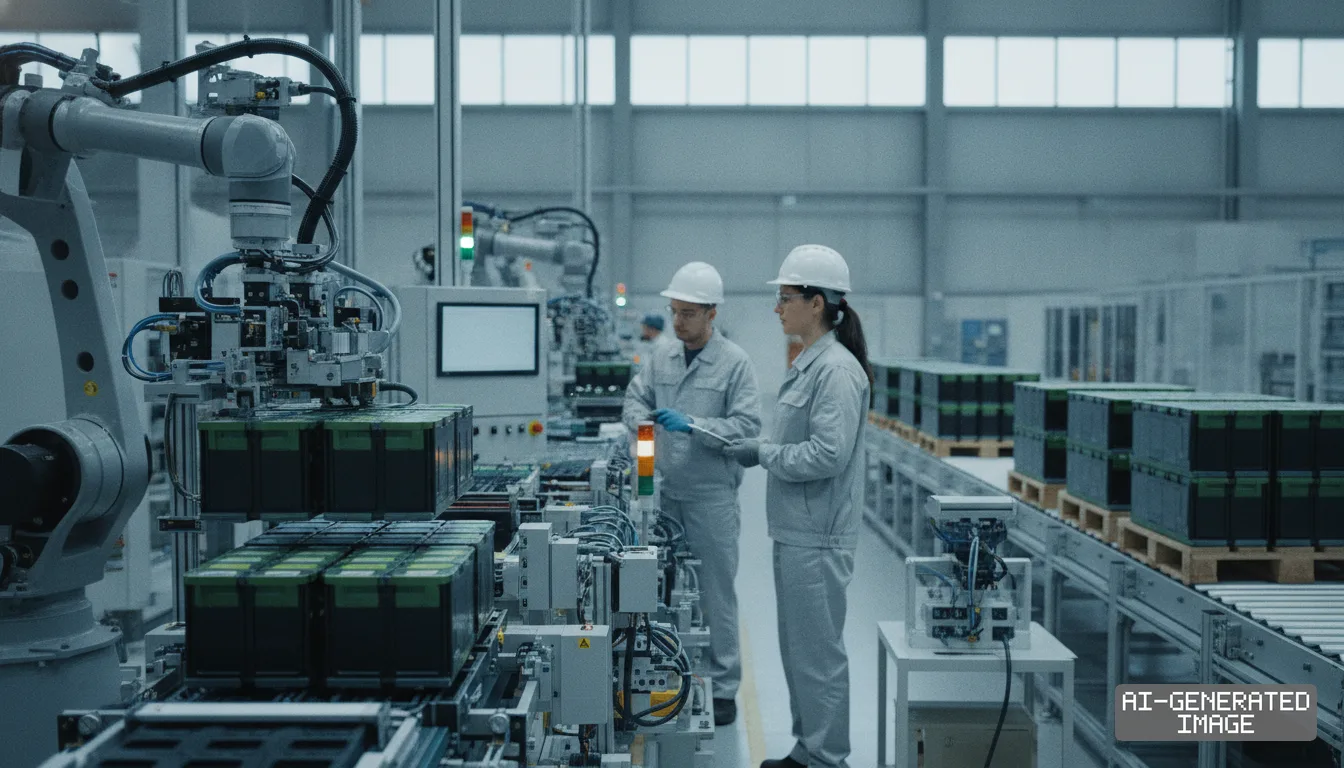
LG Energy Solution is using five manufacturing hubs across North America to meet grid demand. The plants include its Holland site in Michigan and joint facilities in Ohio, Tennessee, Michigan and Ontario, Canadian corporate records show.
The company plans to establish more than 50 gigawatt-hours of domestic energy storage manufacturing capacity by December. Converting underutilized automotive cell lines has allowed the manufacturer to bypass import barriers and delivery delays, company officials said.
Samsung SDI secured a 6.1% share of the North American storage installation market in the first half of 2026. Analysts project the company will increase storage sales by more than 30% sequentially in the third quarter.
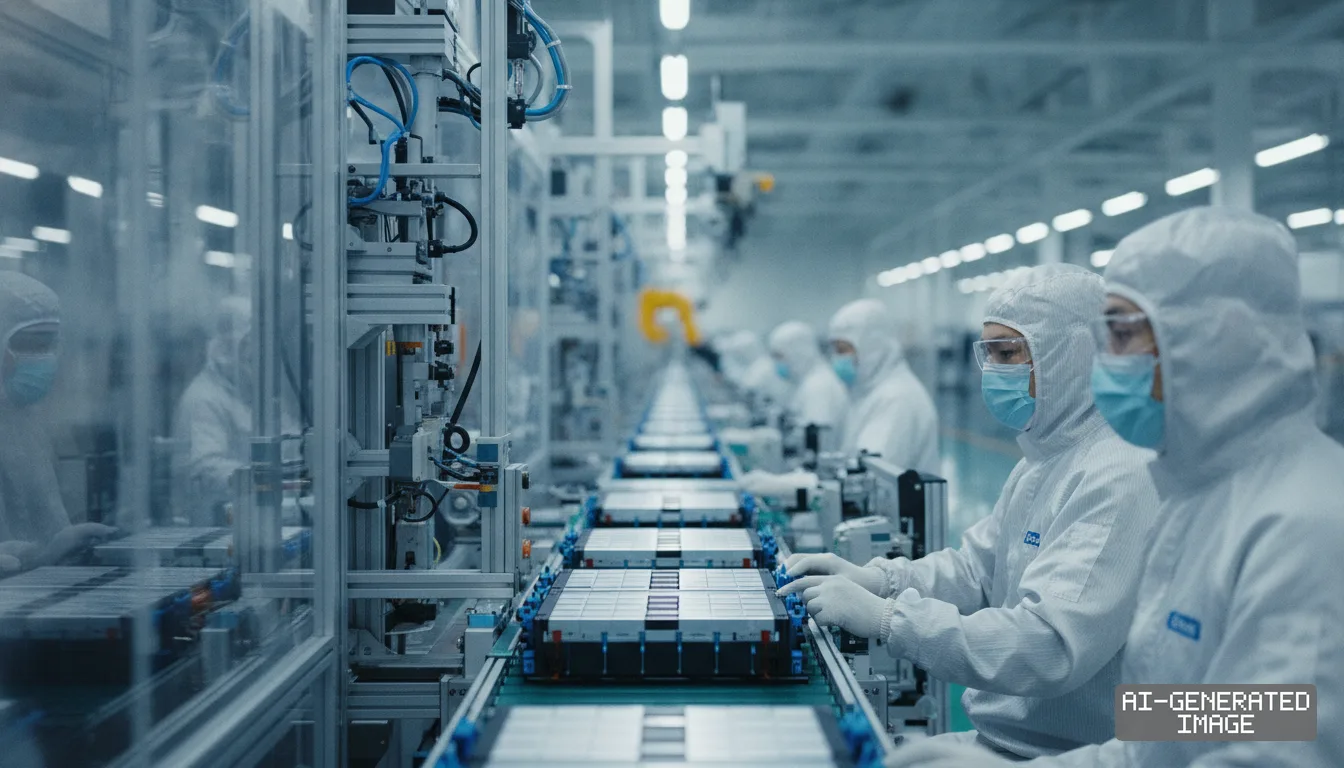
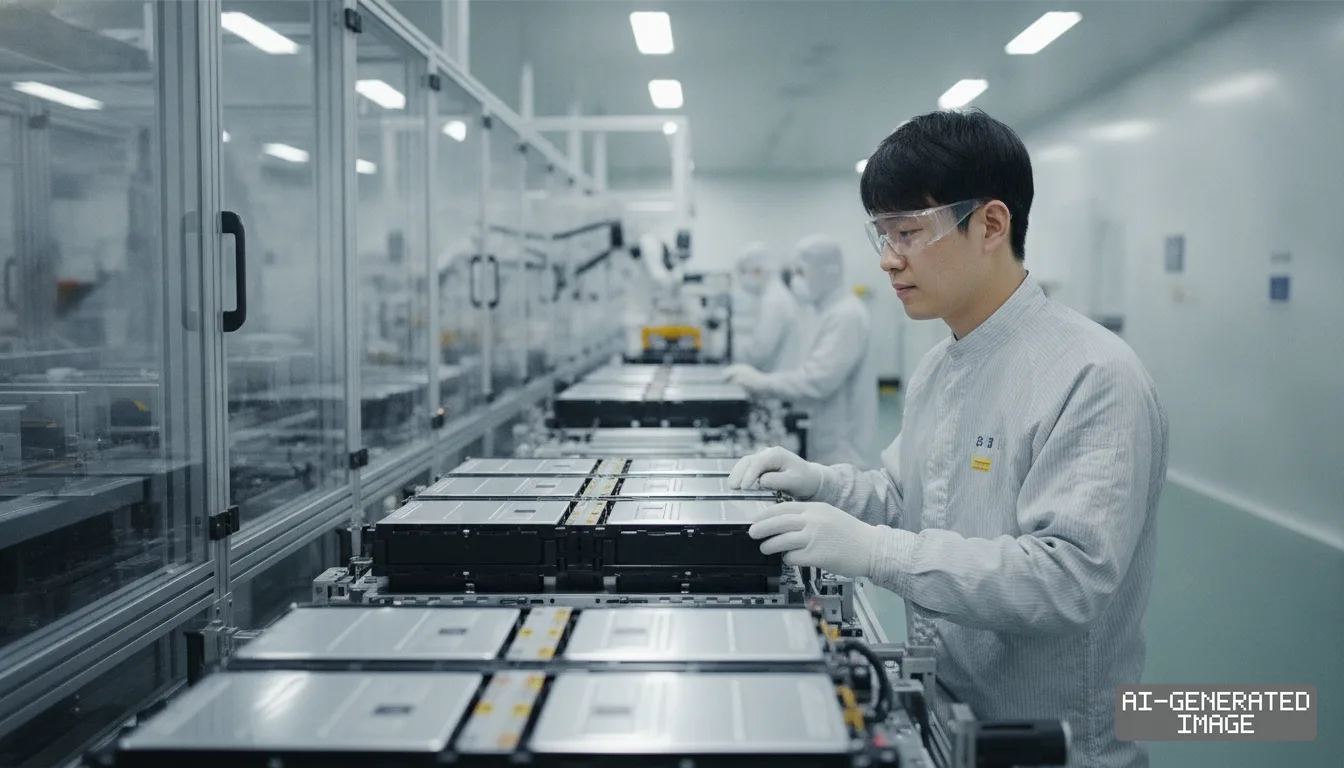
Samsung SDI converted part of an automotive assembly line at its joint venture with Stellantis in Kokomo, Indiana. The converted facility began commercial mass production of lithium iron phosphate storage cells earlier this month, according to company statements.
Third-ranked SK On also diversified into stationary storage systems to offset weakness in passenger vehicle contracts. The company secured a five-year agreement to supply 9 gigawatt-hours of storage cells, deploying capacity from its factory in Commerce, Georgia.
The shift triggered capital flows into Seoul battery equities. The KODEX Secondary Battery Industry Leverage ETF surged 19.94% month-to-date through Oct. 9, according to data published by the Korea Exchange.
Mirae Asset's TIGER KRX Secondary Battery Top 10 Leverage ETF advanced 18.45% over the same trading window. Institutional investors directed capital toward Korean cell fabricators as Chinese supply chain friction worsened, KRX trading desk data showed.
The cost disadvantage facing Chinese suppliers stems from consecutive federal regulatory interventions. The Office of the United States Trade Representative scheduled the Section 301 statutory tariff increase on non-EV batteries from 7.5% to 25% in May 2024.
Trade authorities introduced a second duty layer of 12.5% on July 24, 2026, targeting supply chains linked to forced-labor investigations. The combination established the 40.9% cumulative effective tariff on Chinese storage products calculated by KIET researchers.
Ocean freight increases compounded the tariff burden. Benchmark reported that September cost-insurance-and-freight prices for Chinese cells reached $61.99 per kilowatt-hour at North American ports, up 3.3% month-on-month before statutory duties were applied.
American renewable developers face domestic procurement mandates under clean energy tax provisions. Projects breaking ground this year cannot source more than 45% of critical equipment costs from designated foreign entities without forfeiting federal credits, Internal Revenue Service guidelines specify.
Executive Order 14420 expanded regulatory oversight of bulk-power grid equipment, classifying large-scale battery storage as critical infrastructure. Federal agencies restricted the deployment of foreign utility controllers, creating installation barriers for Chinese turnkey providers.
Corporate registries in Beijing and trade dockets in Washington do not show any formal withdrawal filings from Chinese suppliers such as Contemporary Amperex Technology. The slowdown in Chinese deployment reflects contract attrition rather than an official market departure.
The Section 301 non-EV battery tariff is codified in the Federal Register, and federal compliance audits under grid security directives take effect Dec. 31, 2026.
Impact map
How this development propagates across the region and out to global buyers.
| Event | Korea | China | Japan | Global impact |
|---|---|---|---|---|
| US ESS tariff barrier | LG Energy Solution and Samsung SDI expand combined US ESS market share to 19.7% | CATL and BYD direct imports face 40.9% cumulative tariffs, raising landed costs to $87/kWh | Panasonic maintains primary automotive cell focus, capturing limited grid-scale utility orders | US utility storage capital expenditure increases roughly 15% as procurement pivots to domestic plants |
In this story
- Companies
- LG Energy SolutionSamsung SDI
- Tickers
- 373220.KS006400.KS
- Exposed
- Contemporary Amperex Technology
- Policy
- TariffsLocal Content Rules
- Impact
- Supply ChainPricingOrder Book
Track every Tariffs development → Track every Local Content Rules development →
Related briefings
- France and Germany back subsidy curbs on Chinese hybrid cars in 2026 Also on Local Content Rules, Contemporary Amperex Technology, Samsung SDI
- India Rebukes China on Trade Barriers as Deficit Hits $100B Also on Local Content Rules, Contemporary Amperex Technology
- Korea and Canada advance critical mineral and battery pacts Also on Local Content Rules, LG Energy Solution
- Kioxia sheds two-thirds of market value as Chinese NAND rivals surge Also on Local Content Rules, Pricing, Order Book
Sources
Primary documents
Reporting
Confidence: high — how we grade this
The documents behind this briefing are linked above. East Asia Brief produces its English text with AI assistance under human editorial review, and does not translate or republish other outlets' articles. See our methodology and AI policy. Spotted an error? Tell us.
The Morning Brief
What changed in Korean, Chinese and Japanese industry overnight — and what it means for your supply chain. One email, weekday mornings, US time. Free.
The Morning Brief is in preparation. Leave your address and we will write to you once — when the first issue is ready. Nothing before that.