China battery installations hit 99.4 GWh as LFP takes 86.9% share
October volumes expanded 18.2% year on year to set a monthly record, while ternary nickel chemistry dropped 22.8% to 12.8 gigawatt-hours.
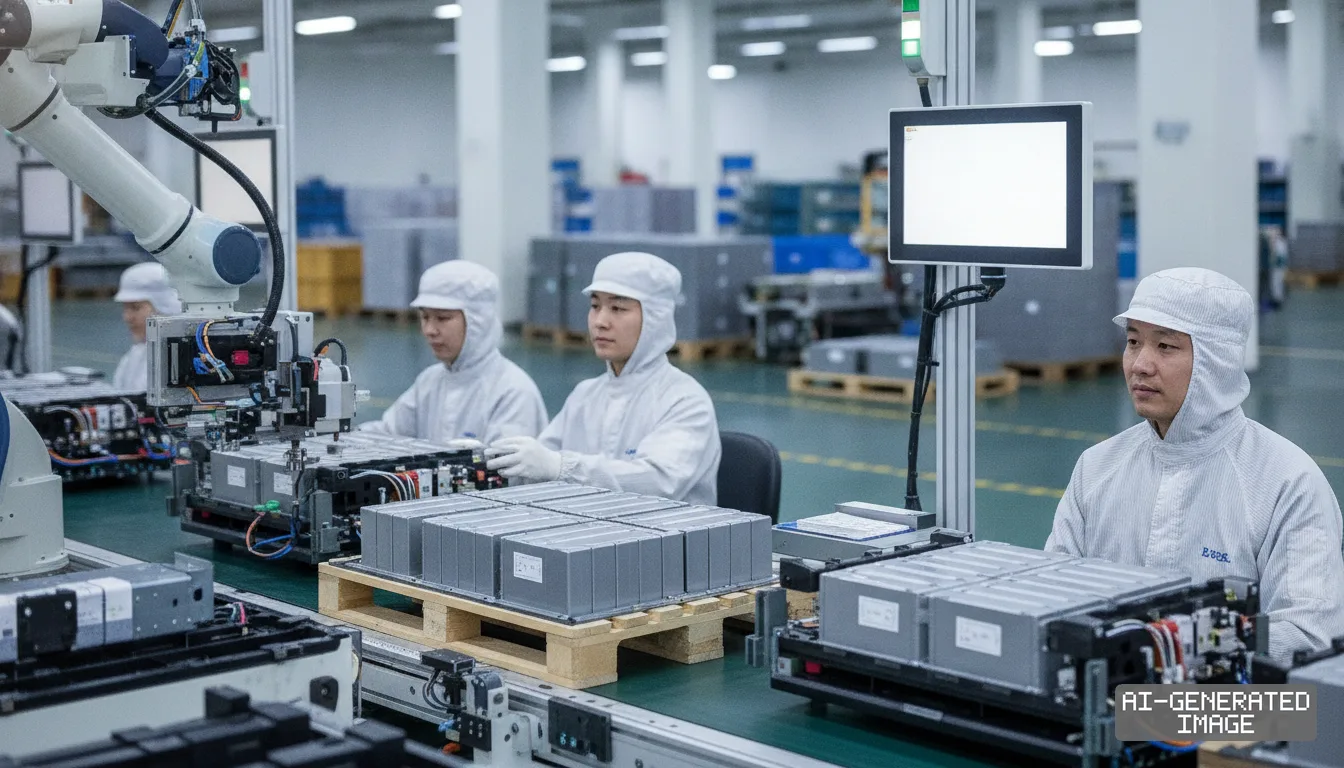
The China Automotive Battery Innovation Alliance said Nov. 19 that domestic power battery installations reached an all-time monthly high of 99.4 gigawatt-hours in October, driven by record demand for cheaper cells.
Lithium iron phosphate packs accounted for 86.3 gigawatt-hours of the total. That gave the chemistry an 86.9% market share, breaking the previous record of 85.6% set in August.
Deployments of ternary nickel-cobalt-manganese cells fell 22.8% from a year earlier to 12.8 gigawatt-hours. The nickel-rich chemistry retained a 12.9% share of October installations.
Total domestic installations increased 14.0% month on month and 18.2% year on year. The October expansion ended a two-month deceleration in domestic pack growth, according to the alliance data.
Cumulative battery installations in China reached 675.6 gigawatt-hours during the first 10 months of 2026. That represented a 16.9% increase compared to the same period in 2025.
Lithium iron phosphate chemistry accounted for 563.5 gigawatt-hours of ten-month installations, or 83.4% of the volume. Ternary cells totaled 110.6 gigawatt-hours, rising 2.7% over the period.
Contemporary Amperex Technology Co. Limited retained the top supplier position in October. CATL delivered 39.60 gigawatt-hours to domestic vehicle plants, securing a 40.00% market share.
BYD Company finished second with 21.14 gigawatt-hours of installations, capturing a 21.36% domestic share. The automaker and battery manufacturer drew all of its domestic installation volume from lithium iron phosphate packs.
CALB took third place among battery manufacturers in October with 8.55 gigawatt-hours. That output gave the supplier an 8.64% share of domestic vehicle pack installations.
Gotion High-tech finished fourth, delivering 5.99 gigawatt-hours for a 6.05% market share. Eve Energy followed in fifth place, logging 5.44 gigawatt-hours in installations.
The widening gap between cell chemistries reflects vehicle makers moving mass-market models onto iron-based cells. Lithium iron phosphate cathodes eliminate cobalt and nickel costs, lowering pack overhead by roughly 20%.
Automakers in China now restrict ternary chemistries largely to premium sport-utility vehicles and long-range sedans. High-nickel cells struggle to compete on cost below the 200,000 yuan ($27,600) retail threshold.
That shift limits the addressable domestic volume for foreign battery manufacturers. LG Energy Solution held 9.62% of China's ternary installation volume through October, but operates minimal domestic capacity for iron-based cells.
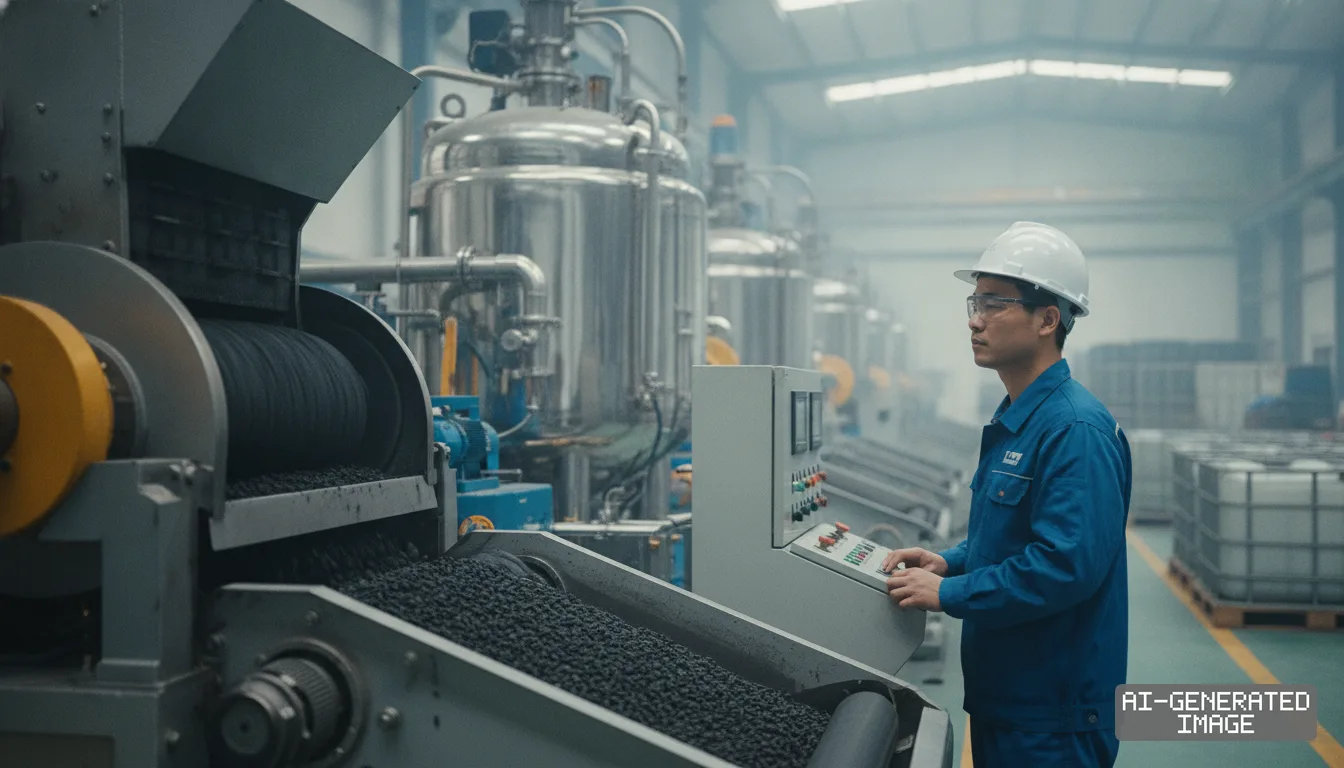
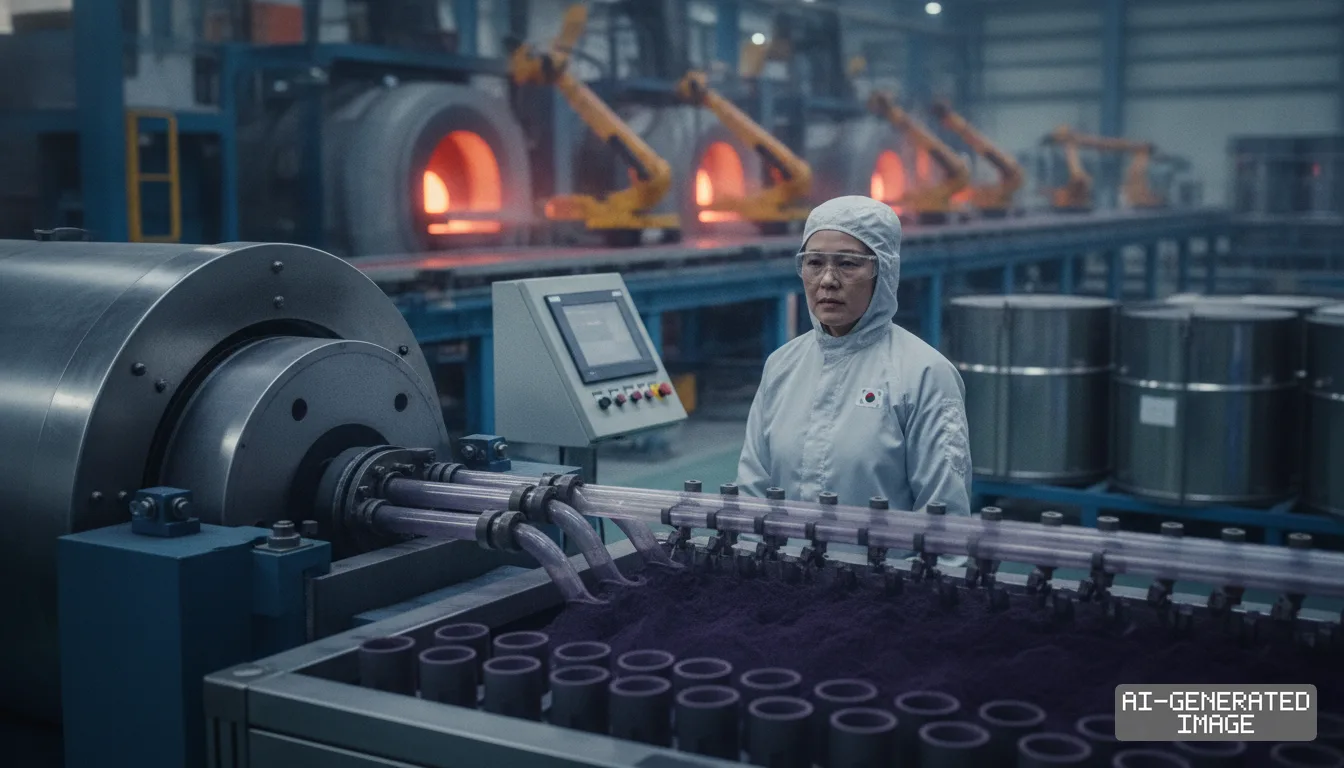
Domestic cathode material processors face divergent utilization rates. Iron phosphate precursor lines ran near capacity during October, while ternary cathode plants lowered output runs to balance inventory.
Total Chinese battery output across automotive and energy storage formats reached 245.1 gigawatt-hours in October. That represented a 43.6% increase from the prior year, the alliance reported.
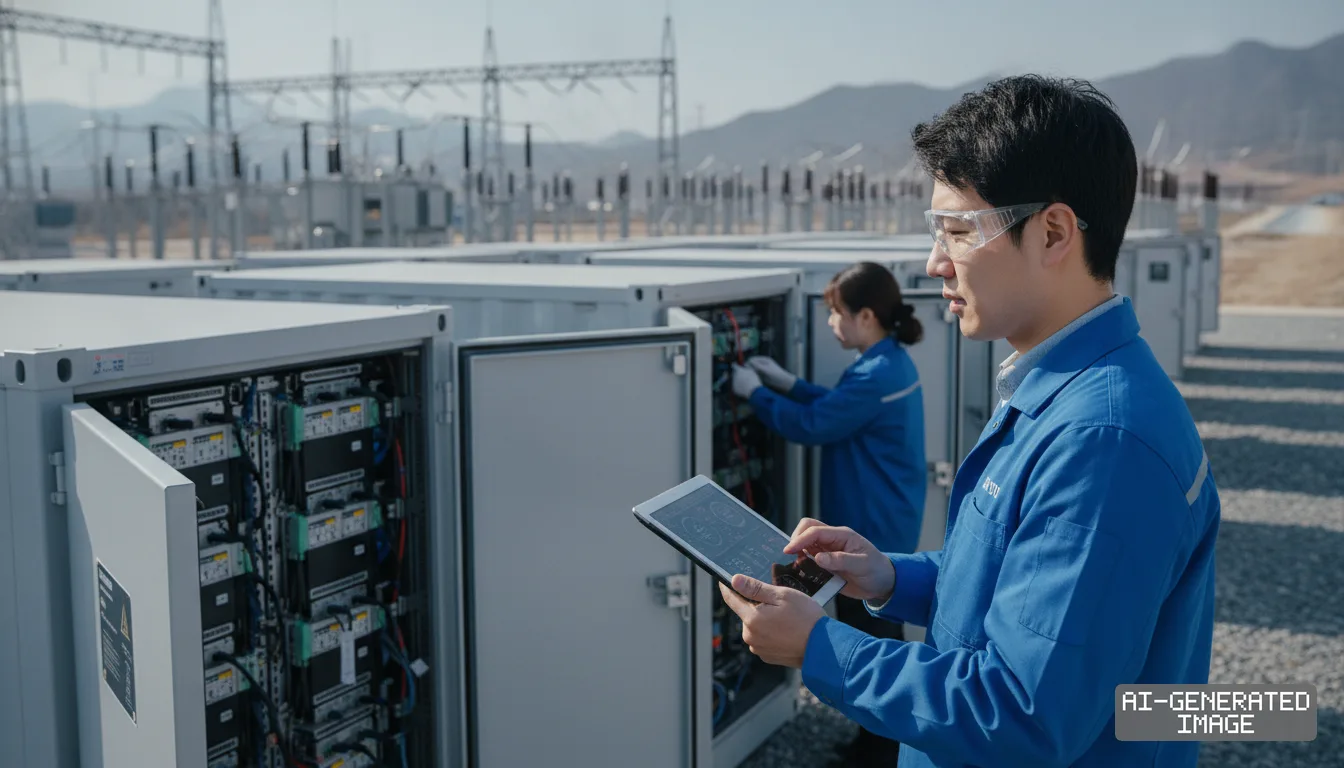
Manufacturers produced 2,078.1 gigawatt-hours of total battery cells between January and October. Output grew 60.8% year on year as producers fed rising grid storage and overseas shipments, the data showed.
Combined battery sales across automotive and stationary sectors reached 230.4 gigawatt-hours in October. Power cells for vehicles accounted for 159.3 gigawatt-hours, up 28.1% from a year earlier.
Overseas shipments absorbed an increasing portion of factory production. Chinese manufacturers exported 46.1 gigawatt-hours of automotive and storage batteries in October, up 63.4% year on year.
Power packs for electric vehicles made up 29.0 gigawatt-hours of October exports. Year-to-date power battery exports reached 228.7 gigawatt-hours, rising 54.0% over the ten-month period.
Automakers outside China increasingly adopt Chinese lithium iron phosphate packs for affordable export models. Pack assembly contracts with CATL and BYD allow overseas brands to trim vehicle bill-of-materials costs.
Cell pack prices for Chinese lithium iron phosphate fell below $60 per kilowatt-hour this autumn. That price floor widens the operating margin advantage of Chinese electric vehicle assemblers.
The alliance did not publish vehicle-model delivery breakdowns in its monthly summary, leaving model-specific battery allocations across passenger car lines unconfirmed.
The alliance will publish November installation figures and manufacturer rankings on Dec. 15, 2026.
Impact map
How this development propagates across the region and out to global buyers.
| Event | Korea | China | Japan | Global impact |
|---|---|---|---|---|
| China LFP battery installation surge | LG Energy Solution faces demand squeeze as China ternary volume shrinks 22.8% YoY | CATL and BYD cement 61.36% domestic hold via 86.3 GWh LFP installations | Panasonic EV cell lines face price pressure from sub-$60 per kWh Chinese LFP packs | Automakers standardize entry-level EV platforms on Chinese LFP packs to reduce BOM cost |
In this story
- Companies
- Contemporary Amperex TechnologyBYD CompanyCALBGotion High-techLG Energy Solution
- Tickers
- 300750.SZ002594.SZ3931.HK002074.SZ373220.KS
- Exposed
- Eve Energy
- Impact
- Supply ChainPricingCost Structure
Related briefings
- Chinese battery makers take 73% share as Korean trio falls Also on CALB, Gotion High-tech, EVE Energy
- CATL tops 15 Chinese automakers combined in first-half profits Also on Gotion High-Tech, EVE Energy, Contemporary Amperex Technology
- CATL warns EV price war compromises battery safety standards Also on CALB, Gotion High-tech, Contemporary Amperex Technology
- CATL and Seres Expand Dedicated Battery Capacity to 20 GWh Also on CALB, Gotion High-tech, Contemporary Amperex Technology
Sources
Reporting
Confidence: medium — how we grade this
The documents behind this briefing are linked above. East Asia Brief produces its English text with AI assistance under human editorial review, and does not translate or republish other outlets' articles. See our methodology and AI policy. Spotted an error? Tell us.
The Morning Brief
What changed in Korean, Chinese and Japanese industry overnight — and what it means for your supply chain. One email, weekday mornings, US time. Free.
The Morning Brief is in preparation. Leave your address and we will write to you once — when the first issue is ready. Nothing before that.