CATL Licenses Battery Pack Tech to Egypt's BME in Cairo Deal
The Chinese cellmaker agreed to license commercial electric vehicle pack assembly and supply cells to a $39 million facility backed by MCV and Auto D.
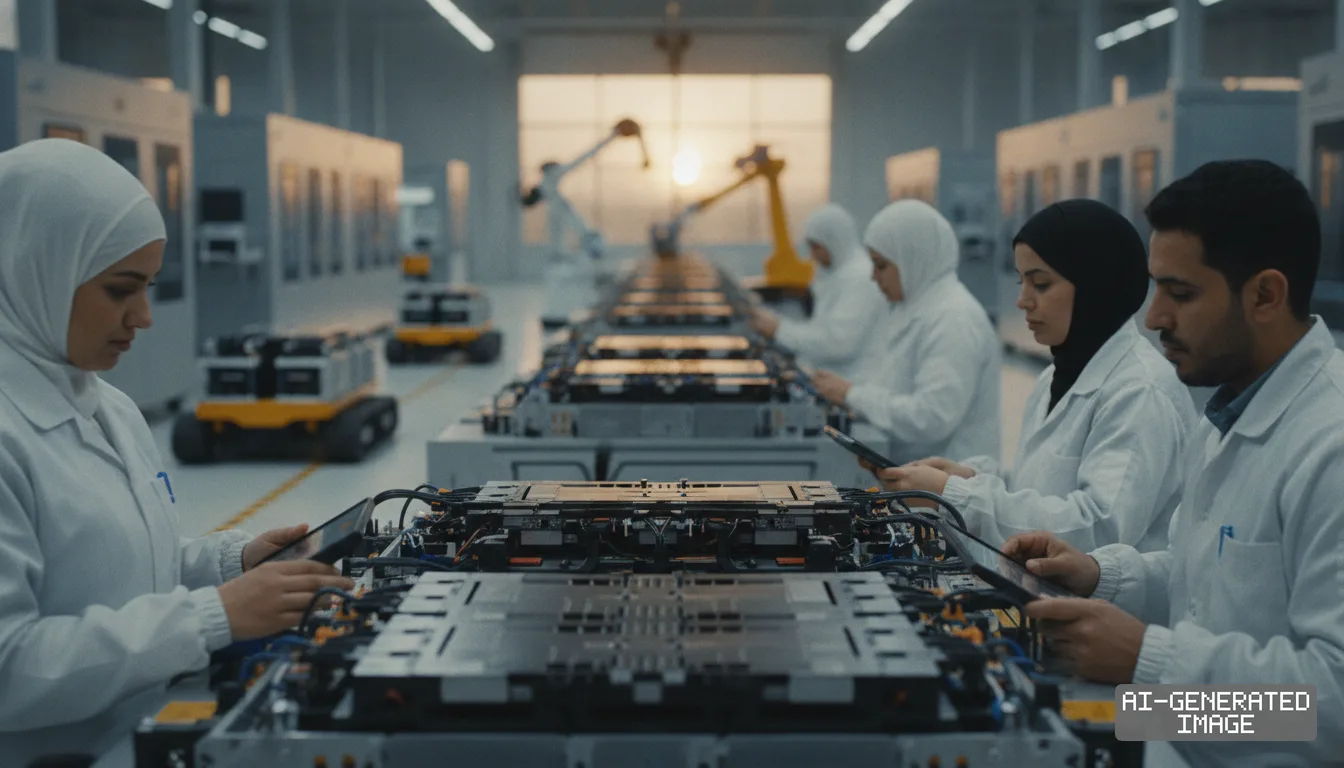
Contemporary Amperex Technology finalized terms Sept. 29 to license its battery pack production framework to Egyptian manufacturer BME, opening the Chinese cellmaker's first localized pack licensing facility in Africa.
The contract covers an initial capital commitment exceeding 2 billion Egyptian pounds ($39 million) to construct an assembly facility in Egypt. BME will fully finance, construct and operate the physical plant.
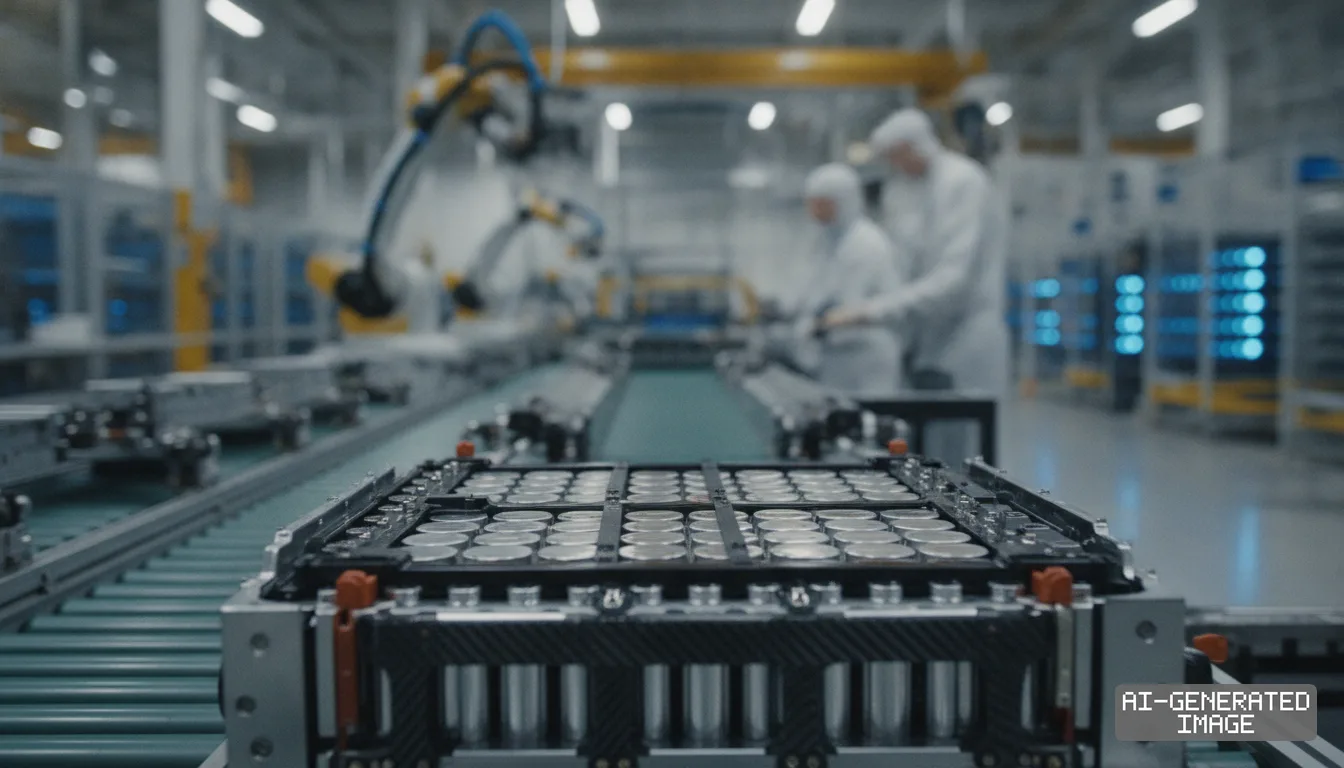
The facility will launch with an annual production capacity of 1 GWh during its first phase. Output will concentrate exclusively on battery packs engineered for heavy-duty commercial electric vehicles.
Egyptian Prime Minister Mostafa Madbouly witnessed the formal signing ceremony in Cairo alongside Egyptian Industry Minister Khaled Hashem. The ceremony established state backing for domestic electric vehicle component manufacturing.
Luo Haining, director of international investment at CATL, signed the agreement for the Chinese company. Maged Wahib, chairman of BME, signed on behalf of the Egyptian joint venture.
BME was established as a dedicated joint venture between Egyptian commercial vehicle manufacturer MCV and automotive supplier Auto D. The venture combines local commercial vehicle assembly with Tier-1 component manufacturing.
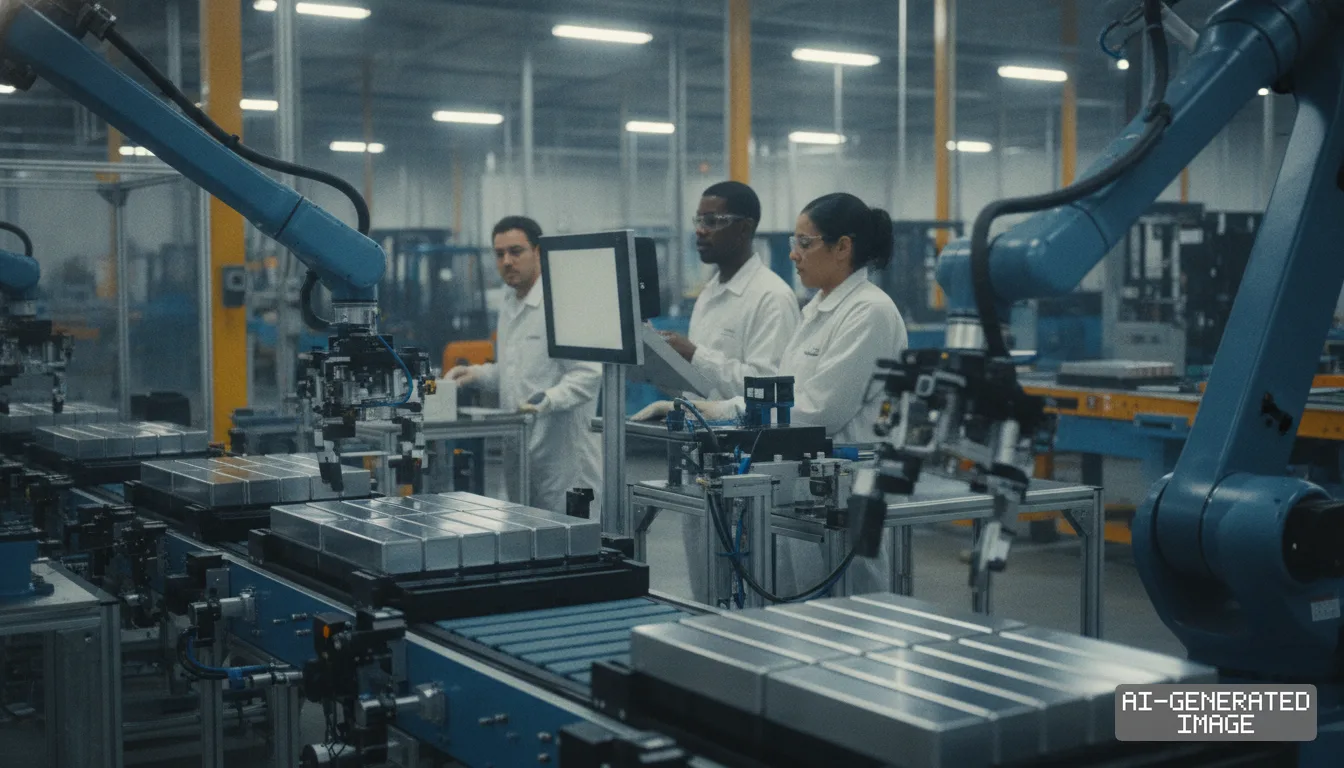
Under the contract, CATL will deliver proprietary battery pack technology licenses, advanced assembly equipment and technical workforce training. Egyptian technicians will handle daily pack manufacturing operations under CATL technical protocols.
BME plans to procure lithium-ion battery cells directly from CATL factories in China. The supply pipeline guarantees steady export volume for CATL cell manufacturing lines without overseas equity exposure.
The agreement marks CATL's first overseas technology license applied specifically to battery pack assembly. Previous licensing partnerships focused on high-capex cell gigafactories, such as cell manufacturing facilities in North America.
Egyptian industrial regulators mandated a domestic component content ratio of 40% for the finished battery packs. The threshold requires local sourcing for structural pack housings, wiring systems and thermal insulation components.
MCV will serve as an immediate domestic buyer for the assembled heavy-duty packs. The Egyptian manufacturer produces electric buses and commercial utility trucks for municipal transport operators in North Africa.
Auto D will produce structural stamped enclosures and internal mounting hardware within Egypt. Supplying those heavy mechanical parts locally helps the venture satisfy the 40% domestic industrial threshold.
The Egyptian Cabinet confirmed that a planned second phase will expand total facility capacity to 5 GWh annually, according to an official government release. That long-term expansion will broaden output beyond commercial buses and trucks.
Phase 2 production lines will manufacture lighter battery packs designed for passenger electric vehicles. The expanded facility will also assemble stationary energy storage packs for utility-scale solar and wind projects.
Egypt plans to deploy stationary energy storage systems to stabilize its regional electricity transmission network. High-capacity battery storage allows national grid operators to balance intermittent renewable power generation along the Nile valley.
The technology licensing structure allows CATL to enter the Middle East and North Africa with minimal financial liability. BME absorbs all facility construction costs, real estate expenses and local labor overhead.
Licensing assembly technology also protects CATL from rising tariffs and logistics expenses. Shipping modular cells to Egypt for local pack integration proves far cheaper than transporting heavy, fully assembled battery enclosures.
For Egyptian industrial authorities, domestic pack assembly advances state plans to develop local automotive manufacturing. Cairo has introduced automotive manufacturing incentives to attract foreign component technology while curbing import expenditures.
BME will import cell modules through Red Sea maritime ports before transporting them inland. Localizing pack integration in Egypt provides direct maritime and overland transport access to commercial fleet buyers across EMEA.
CATL has increasingly prioritized technology licensing agreements over wholly owned foreign subsidiaries in volatile overseas markets. The model generates recurring technology royalty fees while securing steady cell export contracts from Chinese manufacturing hubs.
Neither company disclosed the exact plant location, the project groundbreaking date, or the targeted commercial completion timeline. The Egyptian Cabinet has not published an equipment delivery schedule for the initial lines.
Industrial regulators in Cairo will review local content certification guidelines before production machinery departs China. Initial equipment installation will begin once municipal construction and environmental permits receive final ministry signoff.
Impact map
How this development propagates across the region and out to global buyers.
| Event | Korea | China | Japan | Global impact |
|---|---|---|---|---|
| CATL Egypt pack licensing agreement | LG Energy Solution and Samsung SDI face displaced cell demand in North African commercial fleets | CATL secures captive cell export channel without overseas capex liabilities | Commercial vehicle assemblers face local pack content barriers under Egypt's 40% rule | Commercial EV battery pack manufacturing shifts toward regional asset-light assembly hubs |
In this story
- Companies
- Contemporary Amperex TechnologyBME
- Tickers
- 300750.SZ
- Exposed
- MCVAuto D
- Policy
- SubsidiesEconomic Security
- Impact
- Supply ChainCapexCompliance
Track every Subsidies development → Track every Economic Security development →
Related briefings
- CATL licenses battery pack technology to Egypt's BME on 1 GWh plant Also on BME, MCV, Auto D
- Stellantis shifts Leapmotor electric car assembly to Spain Also on Contemporary Amperex Technology, Compliance
- SK On signs $118 million LFP cathode supply deal with L&F Also on Contemporary Amperex Technology, Compliance
- Korea Cuts EV Subsidies on Low Energy Density Cells, Squeezing LFP Imports Also on Contemporary Amperex Technology, Compliance
Sources
Reporting
Confidence: medium — how we grade this
The documents behind this briefing are linked above. East Asia Brief produces its English text with AI assistance under human editorial review, and does not translate or republish other outlets' articles. See our methodology and AI policy. Spotted an error? Tell us.
The Morning Brief
What changed in Korean, Chinese and Japanese industry overnight — and what it means for your supply chain. One email, weekday mornings, US time. Free.
The Morning Brief is in preparation. Leave your address and we will write to you once — when the first issue is ready. Nothing before that.