Ultium Cells to build first prismatic LMR battery line in US
The $1 billion joint venture upgrade in Tennessee pivots LG Energy Solution and General Motors toward high-manganese cells to challenge low-cost Chinese competition.
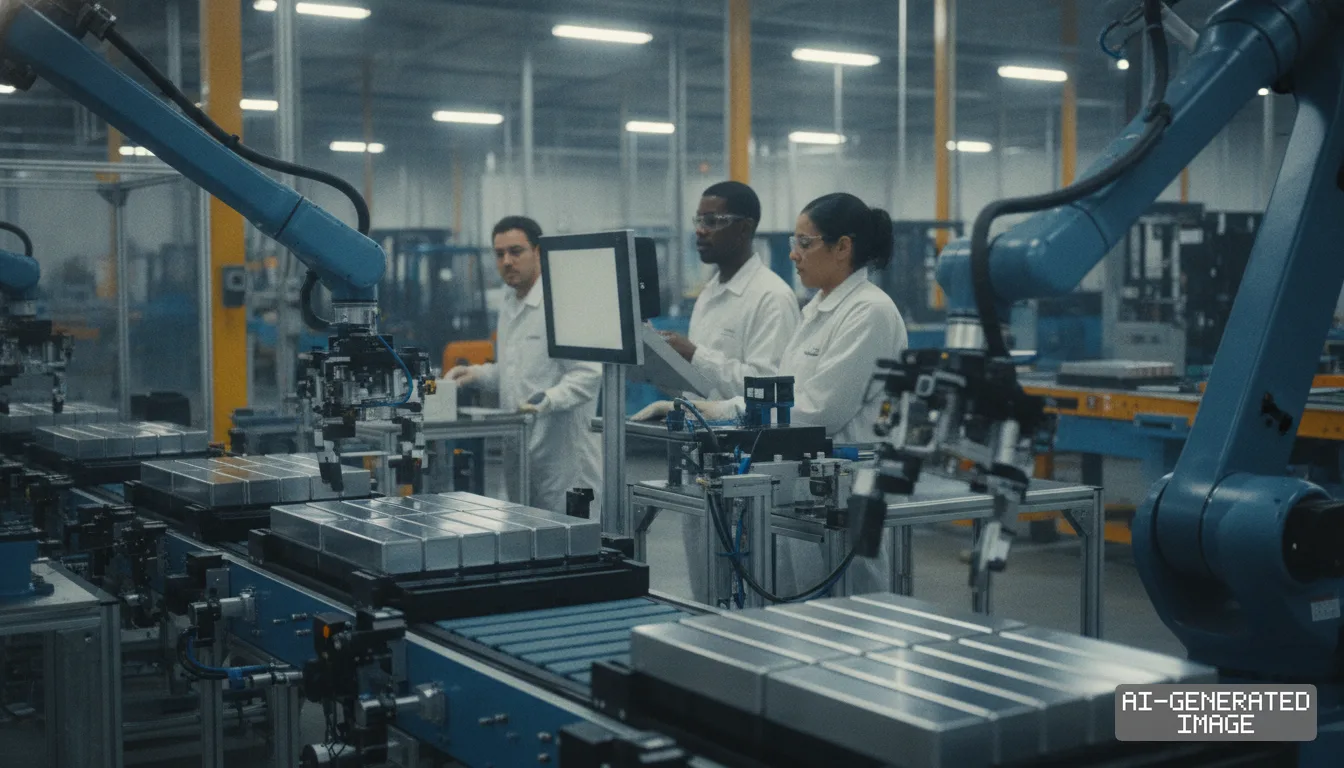
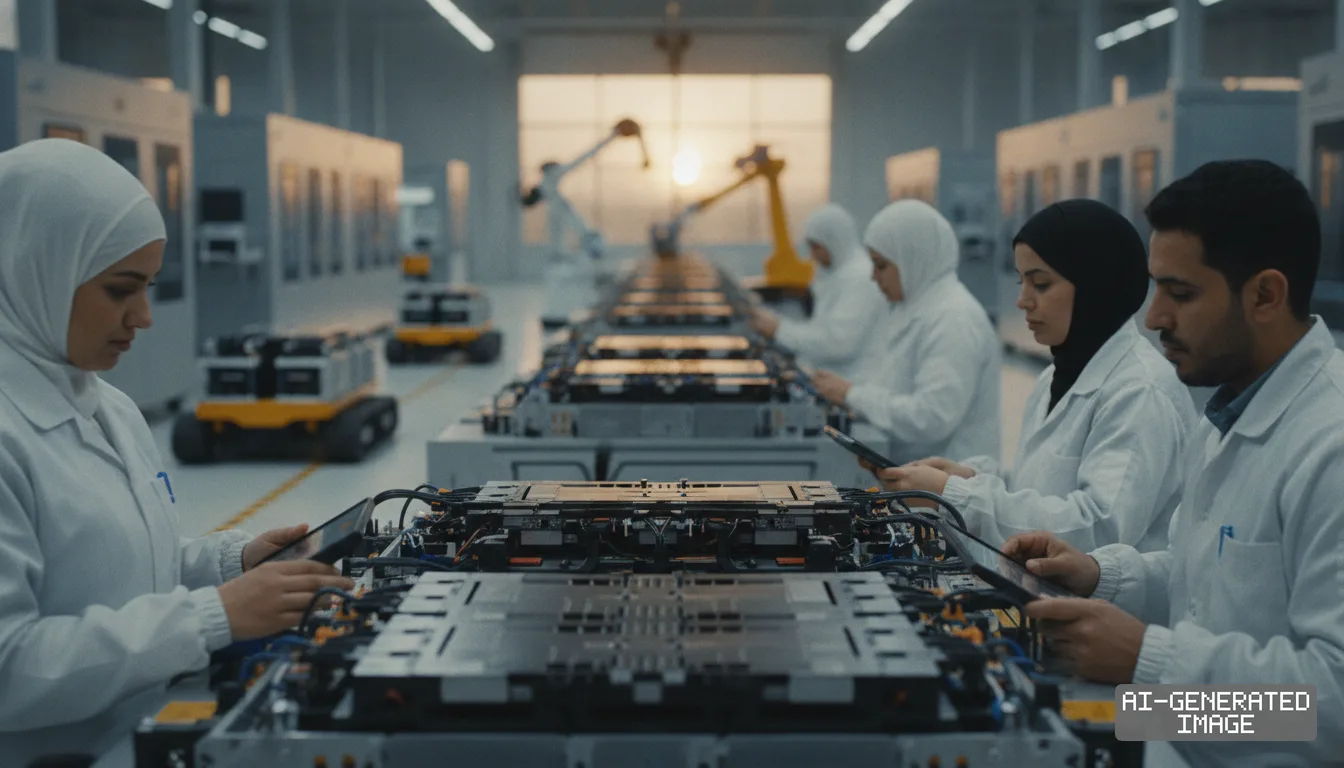
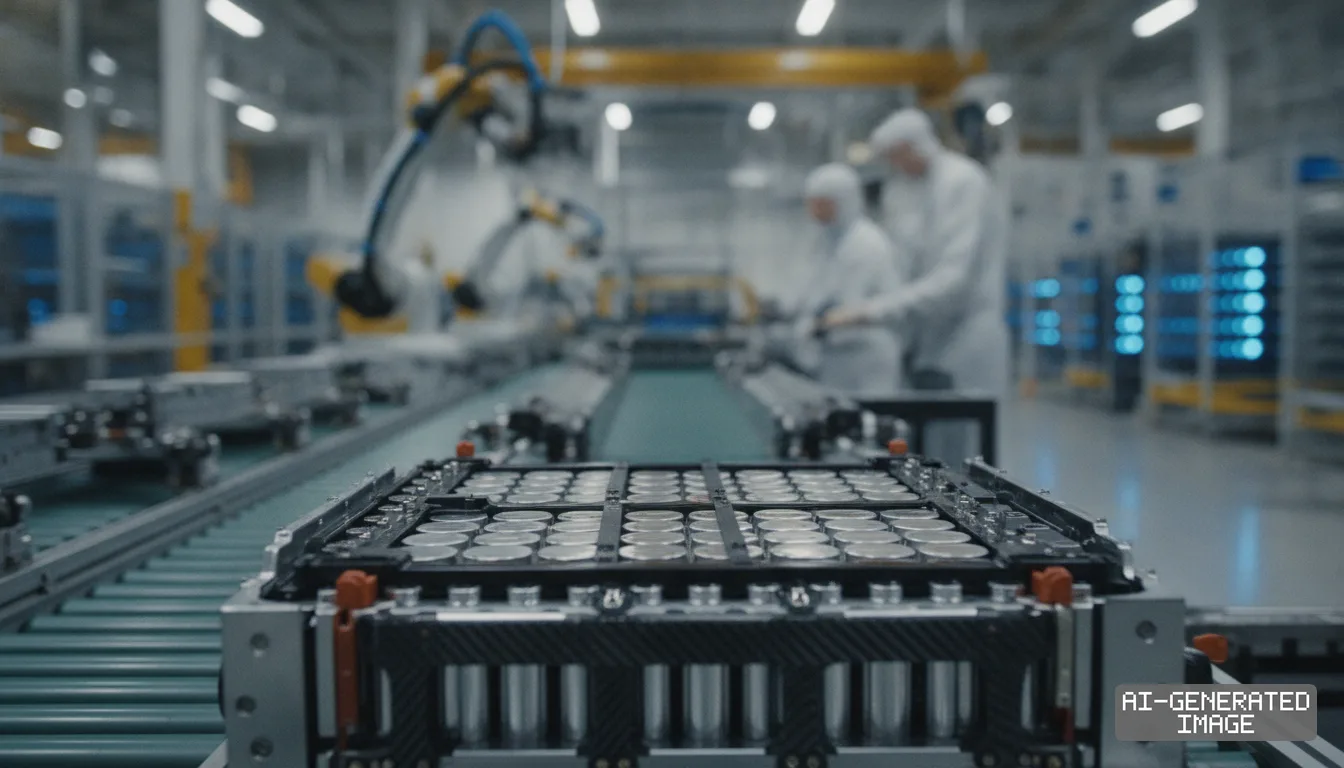
Ultium Cells said Sept. 30 it will retool its battery manufacturing complex in Spring Hill, Tennessee, to install the world's first mass-production line for prismatic lithium manganese-rich cells.
The joint venture between LG Energy Solution and General Motors will direct a combined $1 billion (about 1.36 trillion won) into the site by 2030. That sum covers the new lithium manganese-rich (LMR) assembly lines, an earlier lithium iron phosphate (LFP) conversion and facility modifications across the complex.
The expansion will add 500 manufacturing jobs to the site, lifting total employment from approximately 1,200 to 1,700 workers. Plant retrofitting and machinery installation will begin in late 2026, with commercial production scheduled to start in 2028.
Spring Hill becomes the first Western battery manufacturing hub designed to deliver multiple cell chemistries and structural formats in one location. The factory already produces high-nickel nickel-cobalt-manganese-aluminum (NCMA) pouch cells for GM electric vehicles. It also began shipping LFP pouch cells in June 2026 for containerized energy storage units sold by LG Energy Solution Vertech.
Adding prismatic LMR cells marks a major tactical pivot for both parent companies as they counter low-cost Chinese battery makers. Lithium iron phosphate cells supplied by Contemporary Amperex Technology Co. Ltd. (CATL) and BYD currently dominate mass-market electric cars because they avoid expensive cobalt and nickel.
LMR cathodes change that dynamic by raising manganese content to between 60% and 65% of the cathode mix while sharply curtailing or entirely removing cobalt. Manganese trades at a fraction of the cost of refined cobalt and battery-grade nickel, insulating battery bill-of-materials from volatile upstream pricing.
Ultium Cells said the prismatic LMR design generates roughly 33% higher volumetric energy density than standard LFP cells at comparable manufacturing costs. That density advantage allows GM to target driving ranges above 400 miles (640 kilometers) in full-size electric pickups and sport utility vehicles without swelling battery pack weight.
The move also represents LG Energy Solution’s first North American mass-production footprint for prismatic cells, a rigid aluminum can enclosure favored by European and American carmakers for structural safety and automation efficiency. LG Energy Solution historically built its automotive business on flexible pouch formats.
The two companies laid the groundwork for the shift in December 2024, when LG Energy Solution and GM signed a joint development agreement focused on prismatic cell architectures. In May 2025, they announced plans to commercialize prismatic LMR technology before designating Spring Hill as the target manufacturing site.
LG Energy Solution holds more than 300 patents covering high-manganese and LMR cathode formulations, having initiated commercial research into the material in 2010. Retooling Spring Hill allows the Korean cell manufacturer to commercialize that proprietary intellectual property within a protected North American trade perimeter.
For General Motors, the multi-chemistry footprint addresses a persistent pricing dilemma in its North American electrification roadmap. High-nickel batteries will remain reserved for premium, heavy-towing trims, while prismatic LMR cells will power mainstream trucks and large sport utility vehicles where pack economics dictate floor pricing.
The Tennessee project also reshapes procurement flows across the joint venture’s North American supply web. Increasing manganese throughput reduces aggregate cobalt intake, blunting exposure to central African mining bottlenecks and Chinese refining concentration.
Equipment suppliers are already preparing delivery schedules for the conversion. Prismatic cell assembly requires dedicated winding or stacking equipment, rigid can-insertion machinery and automated laser welding systems distinct from existing pouch-packaging lines.
The transition comes amid wider capacity recalibrations across the global battery sector as electric vehicle adoption rates moderate and automakers demand cheaper cell platforms. Rather than breaking ground on uncommitted greenfield campuses, manufacturers are converting existing shell space to maximize capital efficiency.
Commercial risks remain tied to chemical stability and cycle life. High-manganese chemistries historically suffered from manganese dissolution into the liquid electrolyte during extended cycling, causing capacity fade and impedance spikes at elevated operating temperatures.
Ultium Cells and GM battery engineers in Warren, Michigan, have spent three years refining specialized electrolyte additives and surface coatings to prevent cathode degradation. The Spring Hill line will serve as the testing ground for whether those laboratory coatings hold tolerances under continuous high-speed roll-to-roll manufacturing.
Competitors in East Asia are tracing identical chemistry pathways. Chinese battery makers, including SVOLT Energy Technology and CATL, have demonstrated manganese-rich blends, but none have established a commercial prismatic LMR production line inside the United States.
Automotive battery pack designers view the prismatic enclosure as an enabler for cell-to-pack engineering, which removes intermediate modules to pack more active material into a vehicle chassis. Combining cell-to-pack integration with 33% denser LMR cells could lower electric truck pack costs toward parity with internal combustion engine drivetrains.
The companies have not published the dedicated gigawatt-hour nameplate capacity of the new prismatic line, and regulatory filings from LG Energy Solution and GM do not disclose the exact capital-expenditure split between the joint-venture partners.
Factory conversions in Spring Hill will begin before the end of December 2026, with commercial cell deliveries to GM assembly plants scheduled to begin in mid-2028.
Impact map
How this development propagates across the region and out to global buyers.
| Event | Korea | China | Japan | Global impact |
|---|---|---|---|---|
| Prismatic LMR commercialization | LG Energy Solution diversifies from pouch into prismatic format, lowering cobalt input risk | CATL and BYD face direct North American cost competition against dominant LFP chemistries | Panasonic faces heightened pressure in US automotive cells as GM diversifies form factors | Full-size EV trucks gain 400-mile range at lower BOM costs without Chinese cathode supply |
| Prismatic LMR commercialization | LG Energy Solution diversifies from pouch into prismatic format, lowering cobalt input risk | CATL and BYD face direct North American cost competition against dominant LFP chemistries | Panasonic faces heightened pressure in US automotive cells as GM diversifies form factors | Full-size EV trucks gain 400-mile range at lower BOM costs without Chinese cathode supply |
In this story
- Companies
- LG Energy SolutionGeneral MotorsUltium Cells
- Tickers
- 373220.KSGM
- Exposed
- CATLBYD
- Policy
- SubsidiesTrade & Industrial Policy
- Impact
- CapexSupply ChainCost Structure
Track every Subsidies development →
Related briefings
- LG Energy Solution curbs gas in LMR cells for 2028 vehicles Also on Ultium Cells, General Motors, LG Energy Solution
- Korean cathode makers automate single-crystal calcination lines to secure yields Also on Ultium Cells, General Motors, LG Energy Solution
- BYD Commits Over $1B to Brazil EV Manufacturing Also on Trade & Industrial Policy, BYD
- Strong Won Cuts Samsung and SK hynix Profit Views by 21T Won Also on Trade & Industrial Policy, Cost Structure
Sources
Reporting
Confidence: medium — how we grade this
The documents behind this briefing are linked above. East Asia Brief produces its English text with AI assistance under human editorial review, and does not translate or republish other outlets' articles. See our methodology and AI policy. Spotted an error? Tell us.
The Morning Brief
What changed in Korean, Chinese and Japanese industry overnight — and what it means for your supply chain. One email, weekday mornings, US time. Free.
The Morning Brief is in preparation. Leave your address and we will write to you once — when the first issue is ready. Nothing before that.