CATL Backs Egypt Battery Factory for Commercial Vehicles
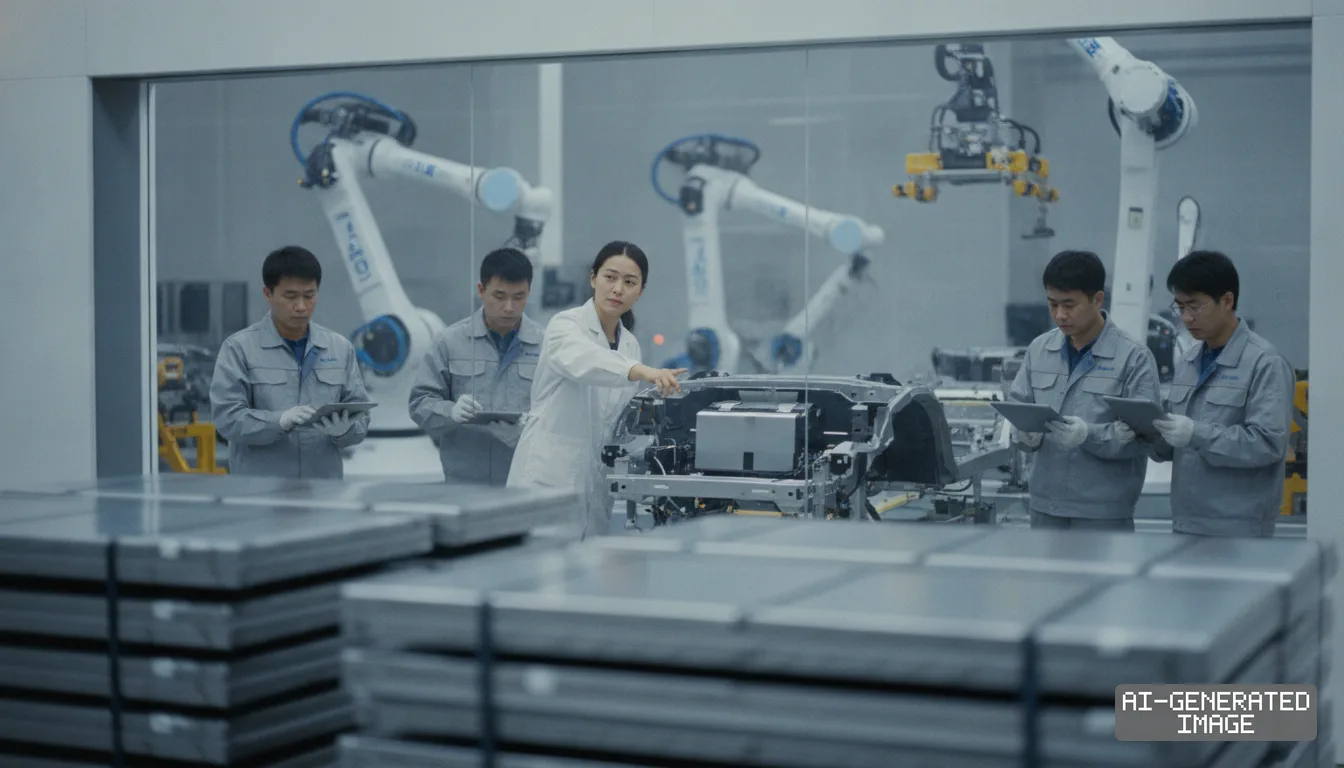
The Chinese cell producer partnered with BME on a 2 billion Egyptian pound plant to assemble commercial vehicle packs before scaling output to 5 GWh.
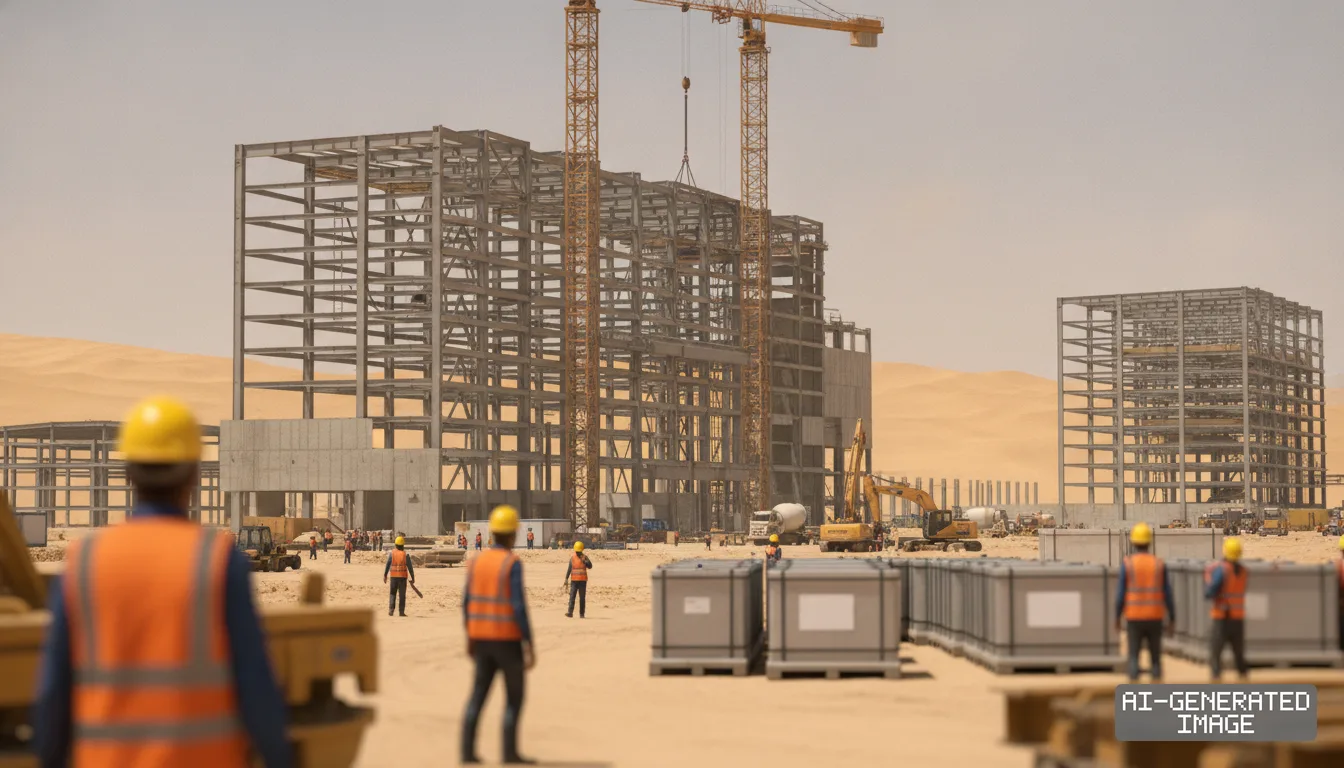
Egypt's BME signed an agreement with Contemporary Amperex Technology on Sept. 13, 2026, to construct an electric vehicle battery manufacturing facility worth more than 2 billion Egyptian pounds ($39 million).
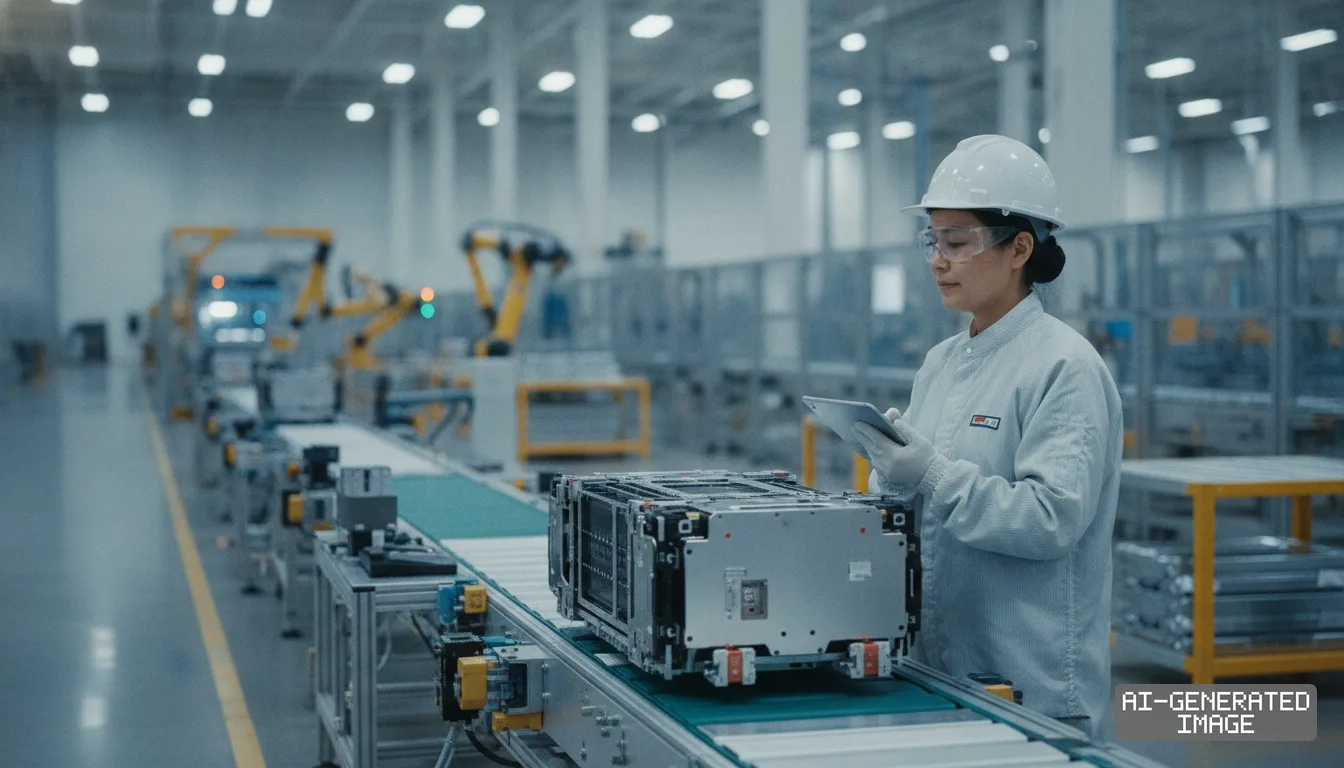
Initial construction will deliver 1 GWh of annual capacity focused on battery systems for heavy commercial vehicles, according to an official statement released by the Egyptian Cabinet.
A planned second phase will lift total annual output to 5 GWh, adding battery packs for passenger electric cars and energy storage systems for solar and wind power installations.
The project targets a 40% domestic content ratio across its assembly lines, qualifying the venture for regional manufacturing incentives and reducing foreign exchange outlays for imported cell assemblies.
BME Chairman Maged Wahib and CATL Director of International Investment Luo Haining executed the contract during an official ceremony in Cairo witnessed by Prime Minister Mostafa Madbouly.
Industry Minister Khaled Hashem attended the signing alongside BME project manager Amin Karim Ghabbour and board member Lotfy Tadros, the Egyptian Cabinet statement said.
BME operates as a manufacturing joint venture established by Egyptian commercial transport producer Manufacturing Commercial Vehicles, known as MCV, and industrial supplier Auto D for Industry, Trade and Supplies.
MCV builds transit buses and heavy trucks at its primary industrial base in El Salheya El Gedida near Cairo, producing about 6,000 buses and 1,200 trucks annually.
The Egyptian bus maker exports battery-electric transit vehicles to municipal transit authorities in Britain and operates an active sales and service subsidiary inside Germany.
Contemporary Amperex Technology, the world's largest traction battery manufacturer by volume, will supply cell architecture, automated manufacturing machinery and engineering support to the Egyptian plant.
Locating pack assembly lines in Egypt eliminates long maritime transit windows for heavy lithium-ion modules previously shipped from East Asian manufacturing hubs to Mediterranean body plants.
Direct access to local battery integration allows Egyptian bus builders to modify pack formats rapidly while avoiding import duties assessed on fully finished battery packs entering North African territories.
The production hub positions CATL inside a tariff-sheltered corridor connecting Middle Eastern transport tenders with European markets through Egyptian preferential trade agreements and Suez maritime logistics.
The project's stationary storage capacity links directly to Egypt's statutory power mandate, which requires renewable installations to generate 45% of national electricity supply by 2028.
Egyptian state utilities plan to deploy 1.1 GW of grid-scale battery storage capacity to stabilize transmission corridors handling intermittent output from utility-scale solar and wind developments.
The factory forms an anchor investment within Egypt's National Industrial Strategy running through 2030, a program targeting $100 billion in non-oil merchandise exports by expanding local engineering output.
Assembling battery systems locally reduces hard-currency purchase requirements for domestic transport operators, shielding state fleet procurement budgets from foreign exchange fluctuations against the Egyptian pound.
Chinese battery producers face elevated customs duties and supply chain scrutiny across North America and Europe, prompting suppliers to establish intermediate pack facilities in neighboring trade zones.
The Egyptian Cabinet notice does not state the equity breakdown between BME and CATL, and CATL has not published a Shenzhen regulatory filing disclosing the factory's municipal location.
Prime Minister Mostafa Madbouly directed executive agencies to expedite building permits and utility hookups, scheduling a progress review on site preparations for late 2026.
CATL equity trades on the Shenzhen Stock Exchange under ticker 300750.SZ, closing the previous trading session at 248.50 yuan ($35.10) per share.
Impact map
How this development propagates across the region and out to global buyers.
| Event | Korea | China | Japan | Global impact |
|---|---|---|---|---|
| Egypt battery manufacturing facility | LG Energy Solution and SK On face Chinese-backed pack competition in Mediterranean export tenders | CATL establishes North African manufacturing base bypassing maritime tariffs on finished packs | Panasonic Energy sees European bus pack buyers gain low-cost Middle Eastern alternatives | Commercial fleet electrification costs fall as localized battery systems cut container freight charges |
In this story
- Companies
- Contemporary Amperex Technology
- Tickers
- 300750.SZ
- Exposed
- Manufacturing Commercial VehiclesAuto D for Industry Trade and Supplies
- Policy
- SubsidiesEconomic Security
- Impact
- Supply ChainCapexOrder Book
Track every Subsidies development → Track every Economic Security development →
Related briefings
- BYD and Geely expand Southeast Asian assembly lines to build regional export hubs Also on Contemporary Amperex Technology, Order Book
- LG Energy Solution converts EV lines to accelerate ESS LFP pouch cell output Also on Contemporary Amperex Technology, Order Book
- BYD expands Blade batteries to industrial rail locomotives Also on Contemporary Amperex Technology, Order Book
- CATL expands EV battery swap grid to 3,000 stations in China Also on Contemporary Amperex Technology
Sources
Reporting
Confidence: medium — how we grade this
The documents behind this briefing are linked above. East Asia Brief produces its English text with AI assistance under human editorial review, and does not translate or republish other outlets' articles. See our methodology and AI policy. Spotted an error? Tell us.
The Morning Brief
What changed in Korean, Chinese and Japanese industry overnight — and what it means for your supply chain. One email, weekday mornings, US time. Free.
The first issue goes out shortly. Sign up now and you will not miss it.