CATL acquires Geely battery plant after antitrust clearance
The transaction transfers an 8.5 billion yuan plant in Chongqing to the battery giant as Beijing limits new permits and carmakers scale back in-house cell production.
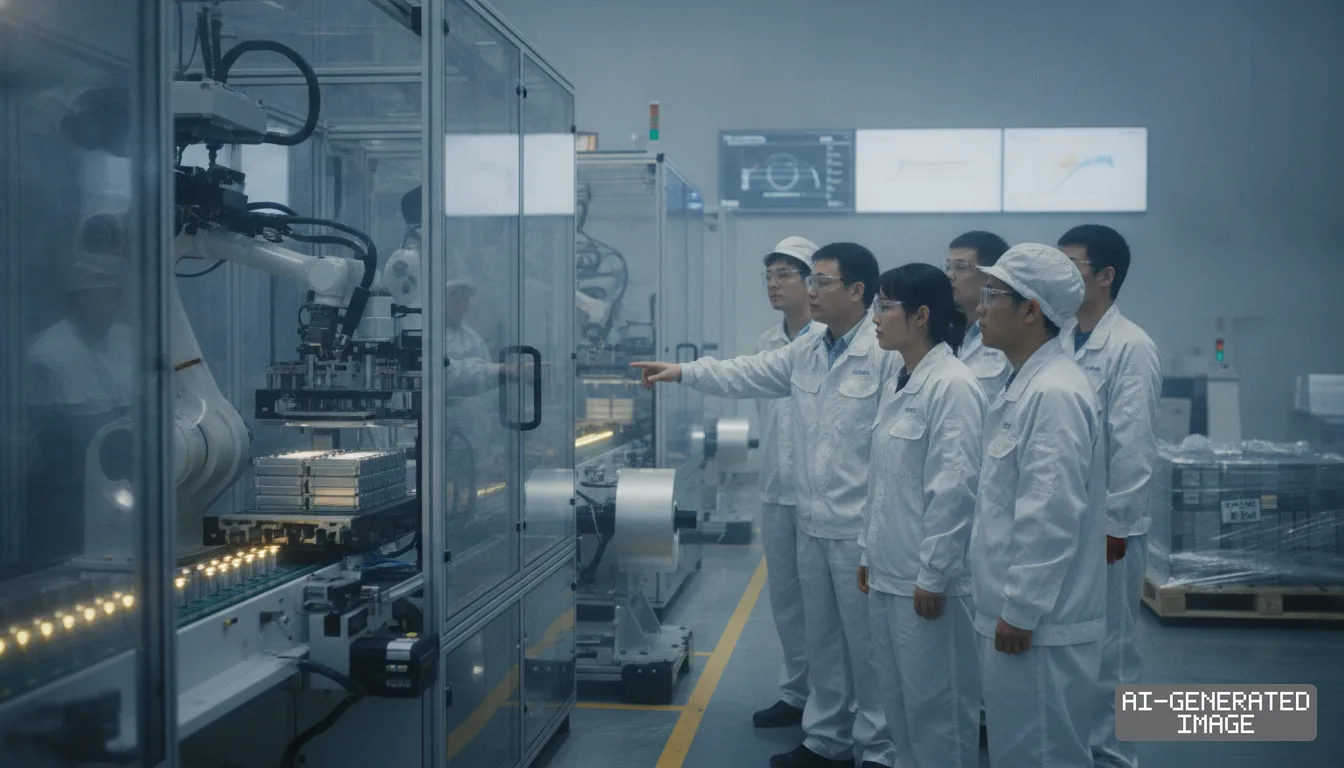
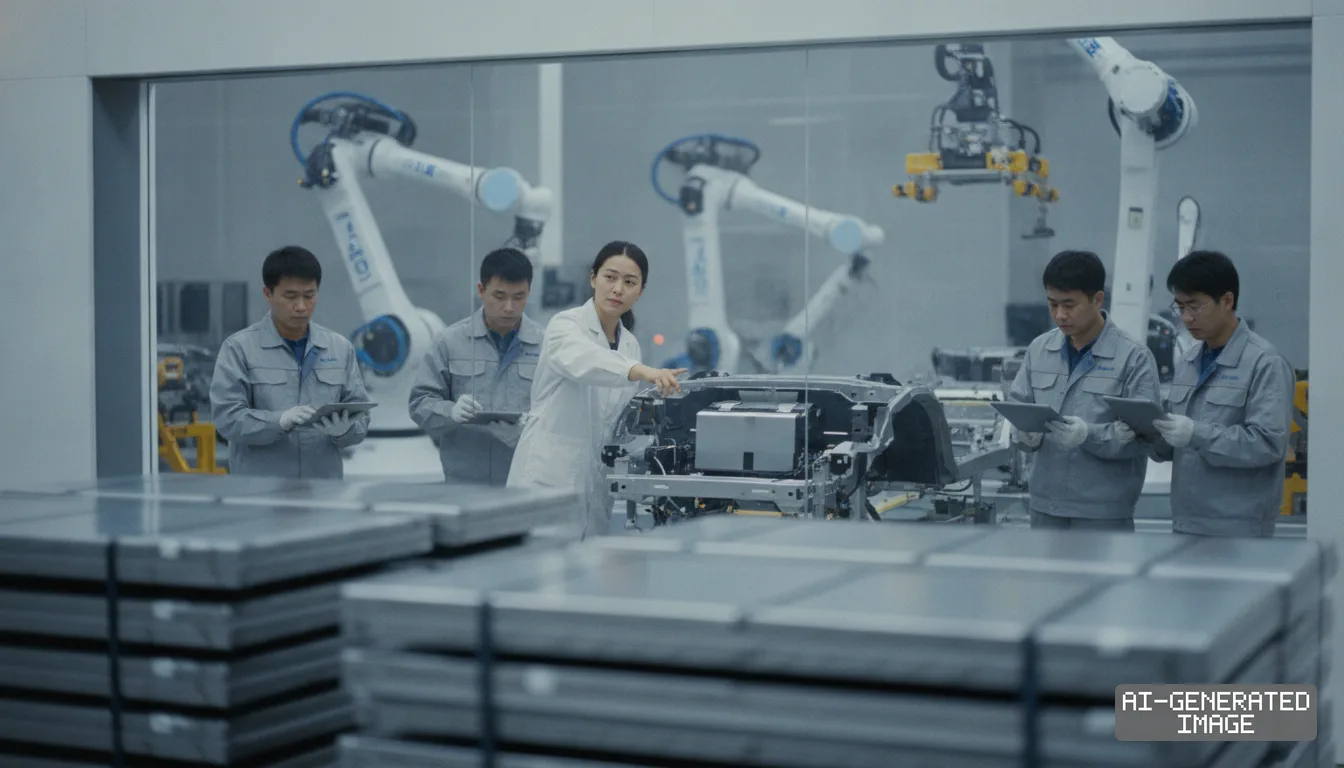
Contemporary Amperex Technology Co. Limited moved to absorb a Geely-affiliated battery manufacturing facility in southwestern China on Sept. 15, 2026, following unconditional merger approval from national antitrust regulators.
The transaction gives CATL full operating control over Chongqing Yaoning New Energy Technology Co., Ltd. China's State Administration for Market Regulation published the clearance on Sept. 11 after concluding its review on Sept. 3.
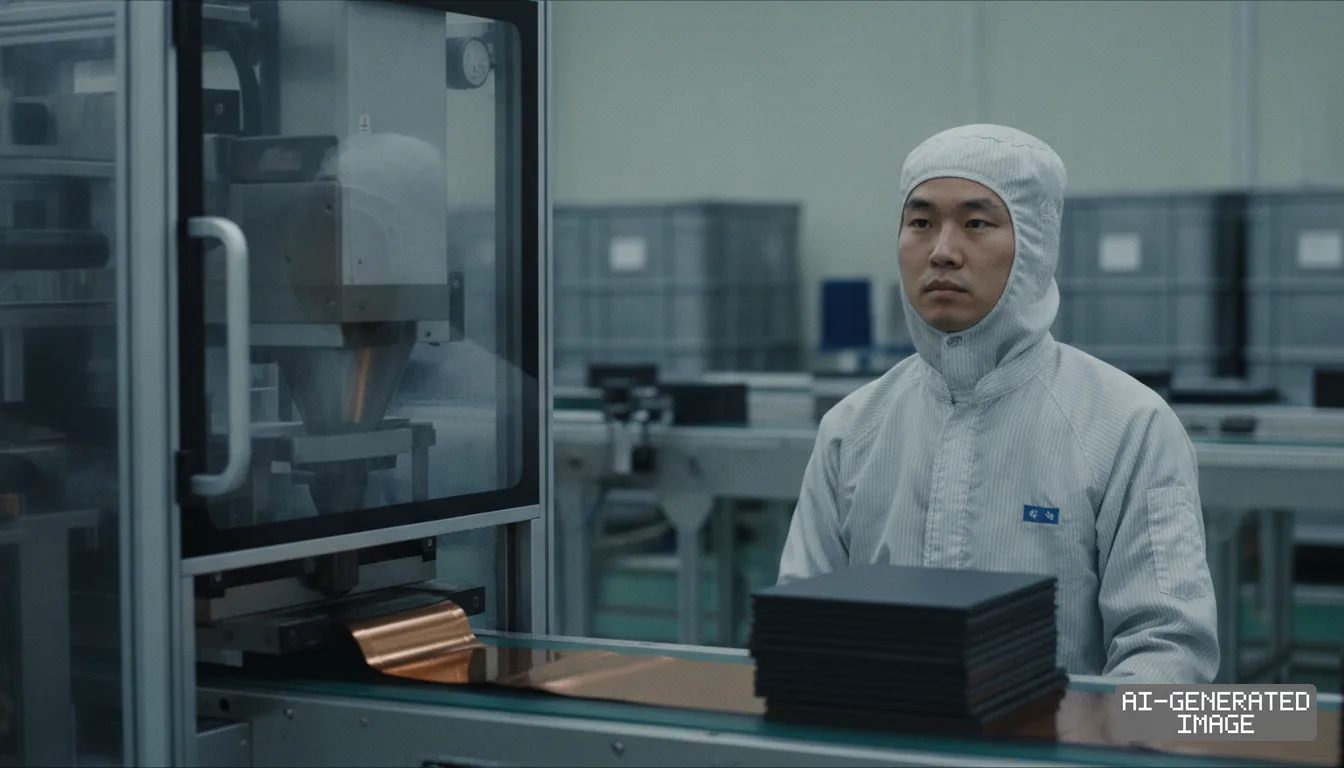
The target facility in Chongqing's Fuling District carries a total planned investment of 8.5 billion yuan ($1.2 billion). The factory represents annual planned manufacturing capacity of up to 30 gigawatt-hours.
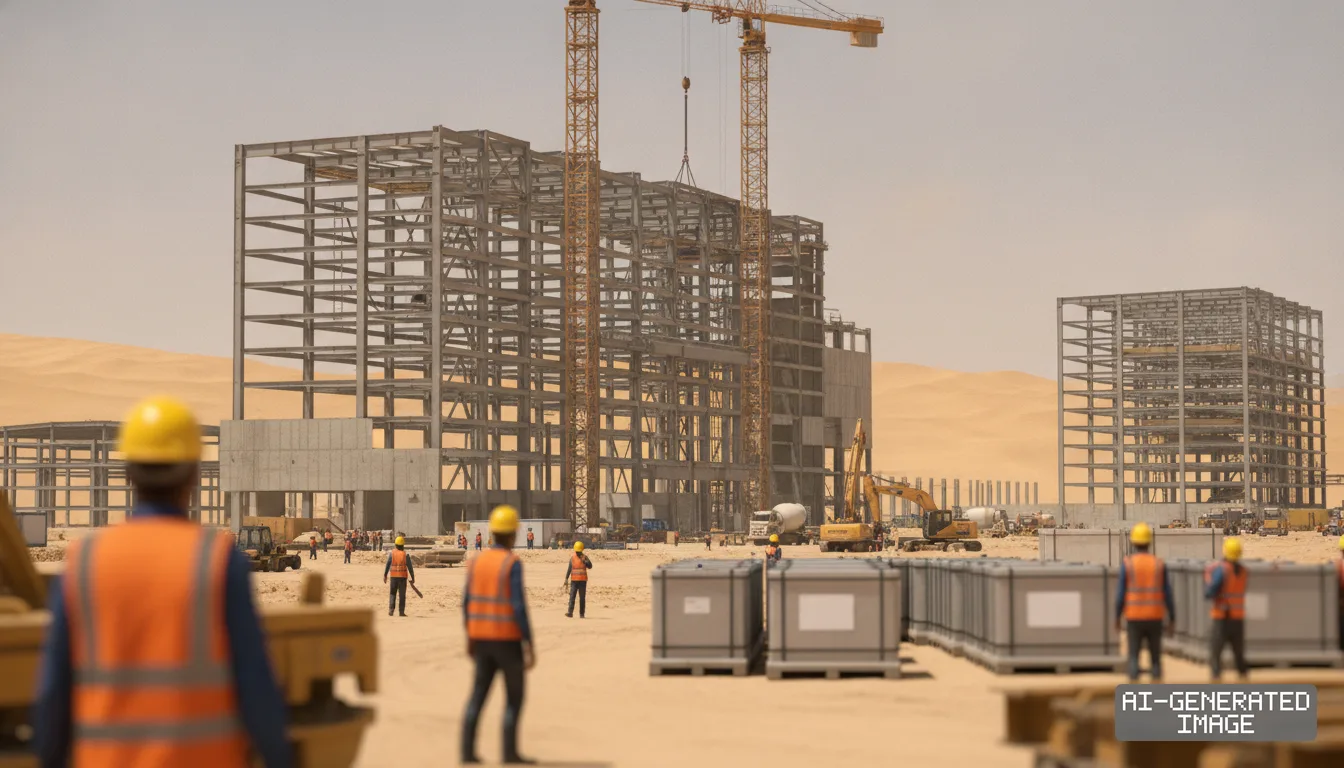
The approved first phase covers 18 gigawatt-hours of lithium-ion cell and pack production lines. Construction crews finished structural topping-out of the main factory building in June 2026.
Trial production will begin in Dec. 2026, according to municipal development filings. Commercial mass production remains scheduled to start during the first quarter of 2027.
Zeekr Automobile (Shanghai) Co., Ltd. appears alongside CATL as the joint participant in the concentration filing. Zeekr functions as the premium electric vehicle subsidiary of Zhejiang Geely Holding Group.
Chongqing Yaoning originated in December 2021 as Chihang New Energy, a joint venture between Geely Technology Group and Farasis Energy. Farasis Energy later exited the partnership, leaving Geely in control of the 480-acre site.
Geely reorganized its proprietary battery assets in 2025 under Zhejiang Jiyaotongxing Energy Technology Co., Ltd. The group operates production bases across six provinces to assemble proprietary lithium iron phosphate batteries.
The automaker has adjusted its battery procurement strategy to control capital spending. Geely plans to source roughly 40% of its cells internally, buy 40% from CATL and assign the remaining 20% to second-tier suppliers.
Transferring the Fuling factory enables Geely to trim manufacturing commitments while locking in long-term cell supplies from the market leader. Automotive manufacturers across China have faced rising losses attempting to develop battery cells in-house.
The deal marks CATL's first outright acquisition of an under-construction battery manufacturing base. The supplier previously expanded its domestic footprint through wholly owned greenfield complexes or joint venture production lines with automakers.
The acquisition bypasses regulatory constraints imposed by central government authorities. China's Ministry of Industry and Information Technology has tightened approvals for new battery projects to curb manufacturing overcapacity.
Regulators have implemented a capacity early-warning system that halts projects that have not yet broken ground. Plants already under construction are permitted to proceed, turning permitted industrial sites into valuable assets.
By acquiring Chongqing Yaoning, CATL secures pre-approved manufacturing capacity without filing new construction permits. The transaction shortens project delivery schedules by approximately two years.
CATL operated 525 gigawatt-hours of battery system capacity during the first half of 2026. Its factory utilization rate averaged 94.86% over that period, according to the company's interim report.
First-half battery system revenue at CATL climbed 46% year on year to 192.13 billion yuan. The supplier held a 41.5% share of China's domestic power battery installations through August.
Total domestic battery installations in China reached 335.6 gigawatt-hours in the first six months of 2026. That represented a 12% increase compared to the same period in 2025.
Market consolidation has accelerated as overall EV demand growth slows. The top 10 battery manufacturers captured 93.7% of all installations in China during the first half of the year.
The number of active battery suppliers fell to 40 companies in the first half of 2026. That represented a decline of nine manufacturers from a year earlier, the China Automotive Battery Innovation Alliance said.
Automakers that invested in cell production lines are running into steep cost hurdles. Equipment costs, raw material procurement scales and multi-year cell qualification cycles favor established battery giants.
Small and mid-sized battery makers face dwindling factory utilization. Second-tier producers have absorbed heavy price cuts as automotive clients demand lower battery pack costs.
The Fuling acquisition addresses a geographical weakness in CATL's production grid. While CATL operates large gigafactories in Sichuan and Guizhou, it lacked dedicated cell manufacturing lines inside Chongqing.
The company previously relied on module packaging lines located inside vehicle assembly plants operated by Seres Group. The Chongqing factory provides cell production near major assembly plants run by Geely and Changan Automobile.
The plant will produce both lithium iron phosphate cells and integrated battery packs. Annual output value is projected to reach approximately 10 billion yuan once the site operates at full scale.
The State Administration for Market Regulation notice does not state the transaction price or the exact equity percentage acquired. Neither CATL nor Geely had published stock exchange disclosures detailing financial terms as of Sept. 16, 2026.
Crews at the Fuling site continue electrical and dry room installations inside the finished superstructure. Equipment calibration begins in November ahead of the scheduled December trial runs.
Impact map
How this development propagates across the region and out to global buyers.
| Event | Korea | China | Japan | Global impact |
|---|---|---|---|---|
| Chinese battery capacity consolidation | LG Energy Solution and SK On face wider scale gaps as China's market leader locks in domestic OEM share | CATL absorbs 30 GWh southwest hub, pushing second-tier cell makers out of Geely's procurement pool | Panasonic Energy sees tighter pricing competition in global utility and automotive export markets | EV cell manufacturing concentrates among top three producers as greenfield capacity approvals stall |
In this story
- Companies
- Contemporary Amperex TechnologyZhejiang Geely Holding Group
- Tickers
- 300750.SZ0175.HK
- Exposed
- Zeekr Intelligent TechnologyFarasis EnergyChangan Automobile
- Policy
- Economic SecuritySubsidies
- Impact
- CapexSupply ChainPricing
Track every Economic Security development → Track every Subsidies development →
Related briefings
- Chinese battery makers commission 400 Wh/kg pouch cell lines for aviation Also on Farasis Energy
- CATL tops 15 Chinese automakers combined in first-half profits Also on Changan Automobile, Contemporary Amperex Technology, Pricing
- BYD and Geely expand Southeast Asian assembly lines to build regional export hubs Also on Zhejiang Geely Holding Group, Contemporary Amperex Technology, Pricing
- Tesla sweeps Canada EV import quota as Chinese makers wait Also on Zhejiang Geely Holding Group, Pricing
Sources
Reporting
Confidence: medium — how we grade this
The documents behind this briefing are linked above. East Asia Brief produces its English text with AI assistance under human editorial review, and does not translate or republish other outlets' articles. See our methodology and AI policy. Spotted an error? Tell us.
The Morning Brief
What changed in Korean, Chinese and Japanese industry overnight — and what it means for your supply chain. One email, weekday mornings, US time. Free.
The first issue goes out shortly. Sign up now and you will not miss it.