BYD launches Atto 8 electric SUV with nine-minute flash charging
The seven-seat SUV carries a 115-kilowatt-hour Blade Battery delivering 653 kilometers of range and pairs with a planned 3,000-station European network for 2027 delivery.
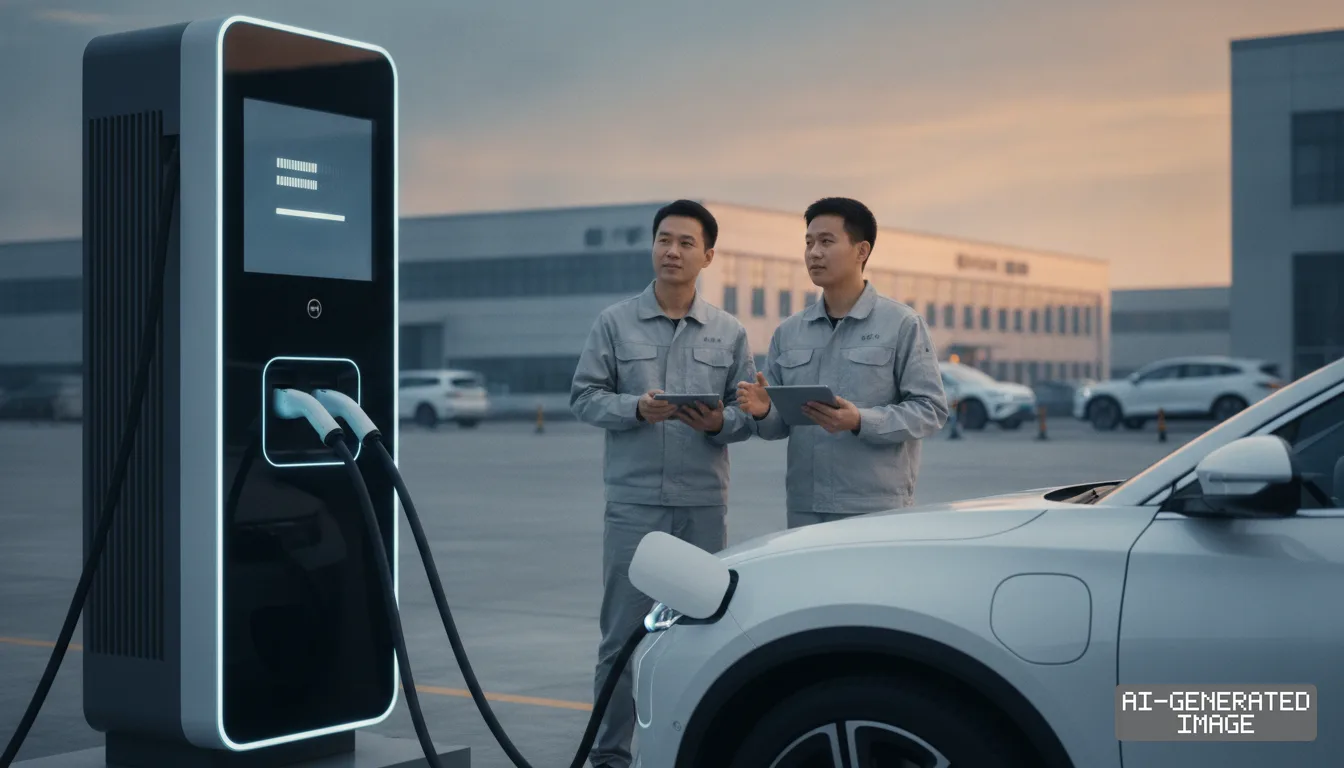
BYD advanced commercialization plans on Nov. 7, 2026, for its Atto 8 electric sport utility vehicle, deploying an ultra-fast charging architecture capable of replenishing a 115-kilowatt-hour battery from 10% to 97% in nine minutes.
The 115-kilowatt-hour pack provides up to 653 kilometers (405 miles) of driving range under European testing rules. The second-generation Blade system increases cell energy density by 5% over earlier units, the company said.
The charging architecture draws high current to lift the battery from 10% to 70% in five minutes under standard ambient conditions. That pace cuts standard passenger car charging intervals down toward traditional gasoline fueling times.
Sub-zero conditions add three minutes to the charging curve. At minus 30 degrees Celsius, replenishing the pack from 20% to 97% takes 12 minutes, according to technical data released by the automaker.
The rear-wheel-drive Design variant pairs the battery with a single electric motor generating 340 kilowatts (462 metric horsepower) and 365 newton-meters of torque. That model reaches 100 kilometers per hour in 8.0 seconds.
The dual-motor Excellence all-wheel-drive trim raises peak system output to 570 kilowatts (775 metric horsepower) and 775 newton-meters of torque. It accelerates from zero to 100 kilometers per hour in 4.6 seconds, with a 602-kilometer range.
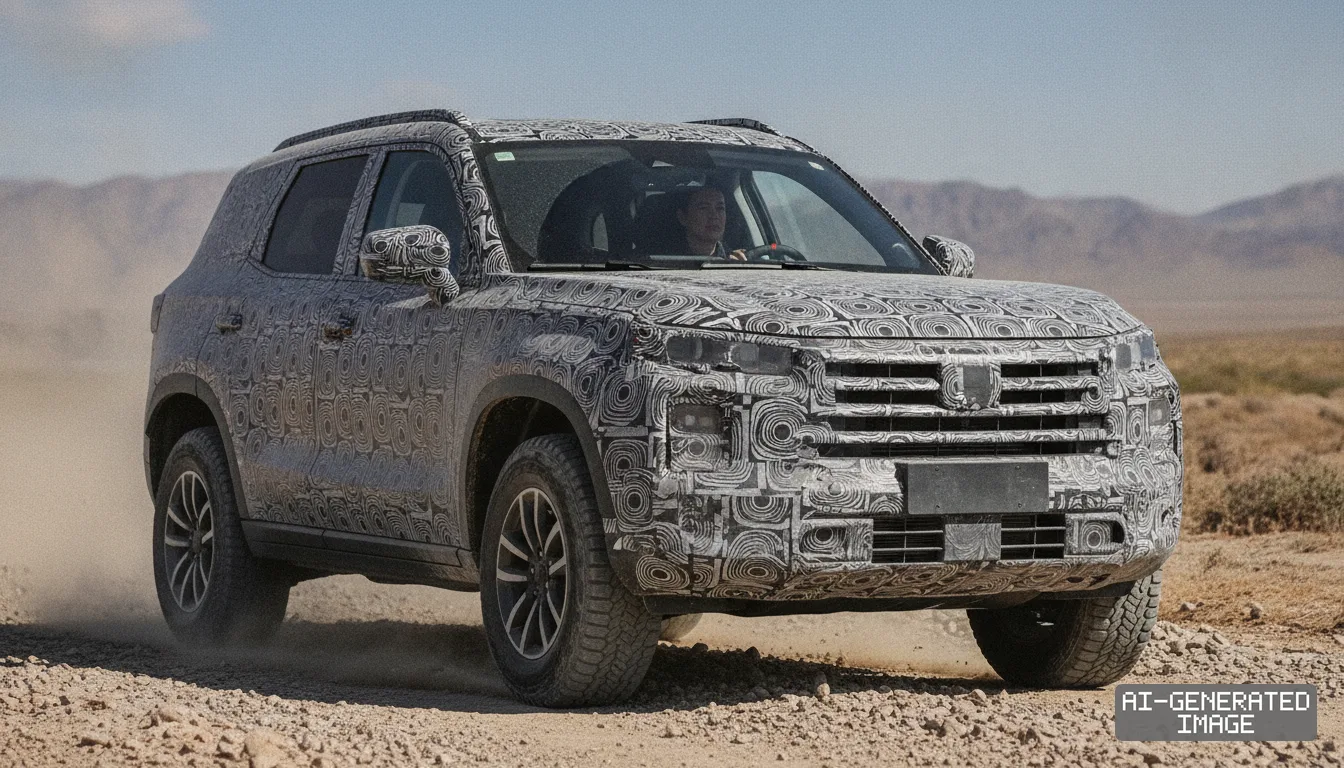
The vehicle measures 5,040 millimeters in length, 1,996 millimeters in width and 1,760 millimeters in height on a 2,950-millimeter wheelbase. The footprint places the seven-seat model in the full-size sport utility class.
Cabin storage includes a 136-liter front compartment accessible through a sensor-activated hood mechanism. Rear cargo capacity expands from 270 liters behind the third row to 1,960 liters when folding the rear seats flat.
BYD uses lithium iron phosphate chemistry across the pack, resisting thermal runaway without relying on cobalt or nickel. Structural cell-to-pack integration allows the large battery to fit within the floor without sacrificing cabin clearance.
The vehicle runs on a 1,000-volt electrical platform designed to manage the high thermal loads generated during rapid power transfer. The platform uses silicon carbide power modules to cut conduction losses during high-draw cycles, the company said.
The vehicle uses a single charging connector rated to deliver up to 1.5 megawatts of electrical power during peak replenishment phases. Liquid-cooled cabling and internal busbars prevent thermal build-up inside the vehicle during maximum current intake.
Interior controls center on a 15.6-inch rotating touchscreen display paired with a 10.25-inch digital driver cluster. A 26-inch head-up display projects driving telemetry and navigation directions directly onto the windshield.
The cabin includes dual 50-watt actively cooled wireless charging pads on the center console. Climate equipment features twin cooling and heating compartments capable of maintaining internal temperatures between minus six and 50 degrees Celsius.
Achieving the nine-minute charging cycle requires dedicated high-output hardware that exceeds the capacity of standard European highway stations. BYD plans to install 3,000 proprietary charging stations across Europe by the end of 2027.
The commercial rollout represents the company's first deployment of second-generation Blade packs in European passenger cars. First customer deliveries in the region are scheduled to begin in the first quarter of 2027, the company said.
The vehicle adapts the Tang L architecture developed for the Chinese domestic market to European passenger vehicle safety standards. Body reinforcements and chassis tuning were revised to meet regional crash testing protocols.
Battery cells for the Atto 8 come from BYD's battery manufacturing division, which produces Blade cells at facilities across mainland China. In-house cell production gives the company direct control over pack costs and cell supply timelines.
BYD generated more than 804 billion yuan ($112 billion) in total corporate revenue in 2025 across its vehicle and battery divisions. The company manufactures its own battery packs and electric motors in-house, limiting reliance on external component suppliers.
European deliveries begin in the first quarter of 2027, while regional charging installation contracts open for construction bids in early 2027. Regulators in individual member states must approve local grid connection permits before charging stations can activate.
The company has not published retail pricing for individual European markets, and launch announcements did not specify country-by-country delivery targets. Disclosures also did not confirm whether grid-scale battery storage will buffer the planned high-output charging sites.
Impact map
How this development propagates across the region and out to global buyers.
| Event | Korea | China | Japan | Global impact |
|---|---|---|---|---|
| Nine-minute EV flash charging rollout | Korean battery makers face LFP competition in European large SUV segment | BYD scales 1,000-volt architecture and in-house Blade battery production | Japanese carmakers trail on high-voltage charging speed benchmarks | European charging networks face pressure to upgrade substation power capacity |
In this story
- Companies
- BYD
- Tickers
- 1211.HK002594.SZ
- Impact
- Supply ChainCapexPricing
Related briefings
- BYD Denza N8 debuts Nov. 12 with 1,003-kilometer battery range Also on BYD, Pricing
- CATL validates 20Ah solid-state battery for 2027 pilot run Also on BYD, Pricing
- CATL splits six-minute charging cells from 1,000-km platform Also on BYD, Pricing
- Chinese battery makers take 73% share as Korean trio falls Also on BYD, Pricing
Sources
Primary documents
Reporting
Confidence: high — how we grade this
The documents behind this briefing are linked above. East Asia Brief produces its English text with AI assistance under human editorial review, and does not translate or republish other outlets' articles. See our methodology and AI policy. Spotted an error? Tell us.
The Morning Brief
What changed in Korean, Chinese and Japanese industry overnight — and what it means for your supply chain. One email, weekday mornings, US time. Free.
The Morning Brief is in preparation. Leave your address and we will write to you once — when the first issue is ready. Nothing before that.