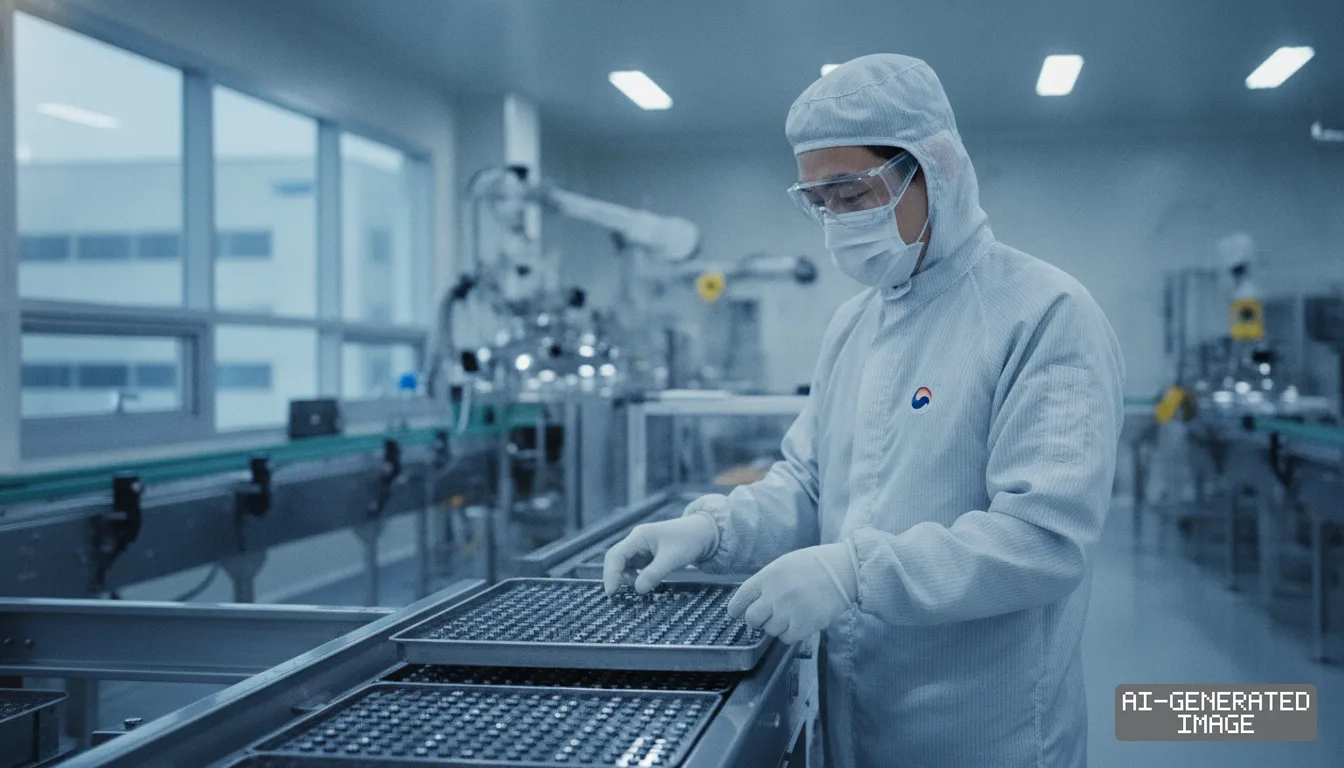
CATL splits six-minute charging cells from 1,000-km platform
Official filings confirm Shenxing lithium iron phosphate cells deliver a 10C charge rate, while extreme driving range remains exclusive to Qilin packs.
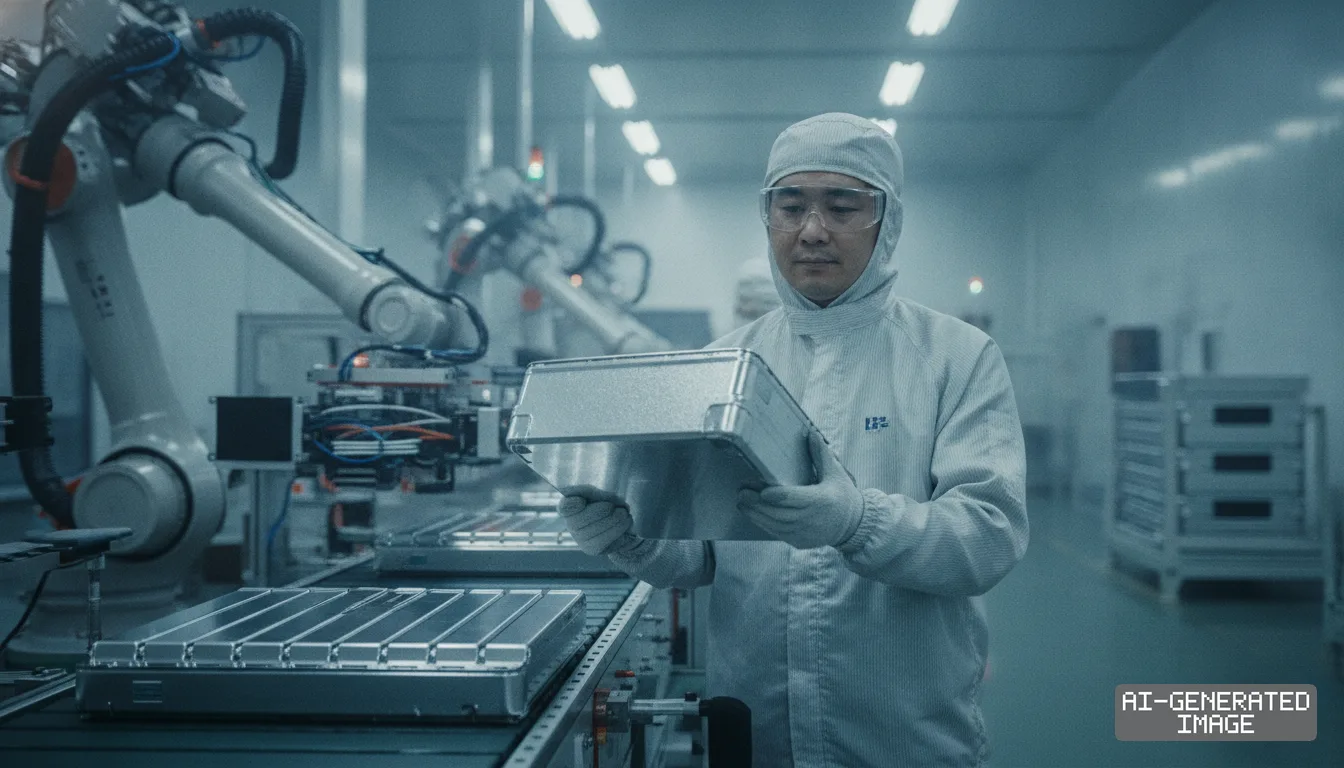
Contemporary Amperex Technology Co. saw commercial specifications circulated on Nov. 4, 2026, that conflate its six-minute fast-charging chemistry with a separate 1,000-kilometer battery architecture.
The Chinese manufacturer holds roughly 37% of global electric-vehicle battery supply. Its official corporate filings divide extreme charging rates and maximum driving range between two distinct battery platforms.
CATL verified that its third-generation Shenxing lithium iron phosphate cell achieves a 10% to 98% state of charge — the percentage of usable battery capacity — in 6 minutes and 27 seconds, supported by an equivalent 10C charging rate.
A 10C charging rate delivers electrical current at 10 times the rated hourly capacity of the pack. Under peak conditions, the cell accepts a 15C current burst, reaching a 35% state of charge within 60 seconds and 80% in 3 minutes and 44 seconds.
That rapid-charge LFP cell delivers an 800-kilometer vehicle driving range rather than 1,000 kilometers. At temperatures of minus 30 degrees Celsius, charging from 20% to 98% requires about nine minutes, the company said.
The Shenxing chemistry maintains over 90% capacity retention across 1,000 full charging cycles. The company engineered the product for mass-market passenger vehicles where quick charging turnaround matters more than maximum energy density.
The 1,000-kilometer driving range belongs exclusively to the third-generation Qilin nickel cobalt manganese pack. That system integrates a 125-kilowatt-hour battery pack weighing 625 kilograms to achieve extended vehicle range between stops.
Qilin cells reach an energy density of 280 watt-hours per kilogram and a volumetric density of 600 watt-hours per liter. The pack supports a peak electrical output of 3 megawatts under 10C charging conditions.
Dr. Wu Kai, chief scientist at CATL, said lithium iron phosphate approaches theoretical density limits. That dynamic requires manufacturers to pursue extreme charging speeds rather than packing additional weight into cell compartments.
High-nickel chemistries retain the highest energy density in global manufacturing. CATL positions Qilin against premium long-range vehicles while using Shenxing to capture high-turnover consumer and fleet demand, Wu said.
Rival battery maker BYD holds about 16% of the global market. BYD pairs its proprietary Blade cells with high-voltage architectures operating near 1,000 volts, prompting CATL to defend its commercial passenger footprint.
Global automakers deploying CATL packs face distinct vehicle engineering trade-offs. Integrating a six-minute LFP pack demands intense liquid cooling, while 1,000-kilometer nickel packs increase vehicle curb weight and curb overall vehicle efficiency.
Automakers must upgrade thermal management hardware to support sustained 10C current without triggering runaway heating. High-current charging generates thermal stress that forces vehicle designers to expand onboard chiller capacity, adding mass and system cost.
CATL also drew consumer attention in South Korea on Nov. 4. The Consumer Dispute Settlement Commission under the Korea Consumer Agency ordered Mercedes-Benz Korea to pay 400,000 won ($2,900) each to 142 vehicle owners after misidentifying Farasis Energy cells as CATL packs.
Official corporate announcements published by CATL on Nov. 4 focused elsewhere. CATL and its subsidiary Ampace signed an agreement with British energy supplier Octopus Energy to supply residential energy storage systems across European markets.
The company also completed a commercial supply contract on Nov. 2 with Blue Vector. That agreement provides aviation-grade battery cells for the developer's electric vertical takeoff and landing aircraft.
Grid capability represents the primary obstacle to widespread adoption of six-minute charging. CATL designed both third-generation platforms to operate on 800-volt architectures and integrate with its Choco-Swap modular battery swapping infrastructure.
CATL plans to deploy 4,000 integrated fast-charging and battery-swapping stations across 190 Chinese cities by Dec. 31, 2026. The network aims to mitigate peak local grid stress from simultaneous megawatt-scale charging sessions.
Drawing 10C to 15C peak charging rates demands dedicated battery-buffered roadside substations. Without stationary storage, multi-stall highway charging plazas risk overloading regional distribution transformers during peak holiday travel periods, electrical engineers said.
Charging standards also diverge across key export jurisdictions. While Chinese installations expand high-current liquid-cooled connections, European and North American charging networks remain bound to lower current ceilings that lengthen real-world charging times for imported cells.
Corporate filings and regulatory registries do not record any newly enacted high-voltage cell standard on Nov. 4, 2026, and CATL has published no documentation establishing a 1,000-volt standalone cell protocol.
CATL continues commercial deliveries of both battery chemistries from its primary production hubs in Fujian province, maintaining separate manufacturing lines for high-nickel and lithium iron phosphate formats.
Impact map
How this development propagates across the region and out to global buyers.
| Event | Korea | China | Japan | Global impact |
|---|---|---|---|---|
| EV fast-charging cell divergence | LG Energy Solution and SK on face pricing pressure from Chinese 10C LFP cells | CATL defends its 37% market share against BYD high-voltage platforms | Toyota and Panasonic slow high-C cell adoption over thermal degradation risks | Automakers must choose between 800V fast-turnaround LFP packs and costly 1,000-km NCM systems |
In this story
- Companies
- Contemporary Amperex Technology Co.
- Tickers
- 300750.SZ
- Exposed
- BYDMercedes-Benz Group
- Policy
- Standards
- Impact
- Supply ChainCapexPricing
Track every Standards development →
Related briefings
- CATL Expands Energy Storage Share as Profit Growth Slows to 15% Also on Contemporary Amperex Technology Co., Pricing
- CATL says 14-year-old LFP cells retain 85% capacity after tests Also on Contemporary Amperex Technology Co.
- CATL overtakes LG Energy Solution in global battery patents Also on Contemporary Amperex Technology Co.
- CATL opens 8,000-square-meter battery service hub in Oslo Also on Contemporary Amperex Technology Co.
Sources
Reporting
Confidence: medium — how we grade this
The documents behind this briefing are linked above. East Asia Brief produces its English text with AI assistance under human editorial review, and does not translate or republish other outlets' articles. See our methodology and AI policy. Spotted an error? Tell us.
The Morning Brief
What changed in Korean, Chinese and Japanese industry overnight — and what it means for your supply chain. One email, weekday mornings, US time. Free.
The Morning Brief is in preparation. Leave your address and we will write to you once — when the first issue is ready. Nothing before that.