USTR limits US-China tariff relief to $60B in consumer goods
A bilateral agreement easing duties on $60 billion in trade excludes intermediate electronics and leaves procurement costs elevated for East Asian manufacturers.
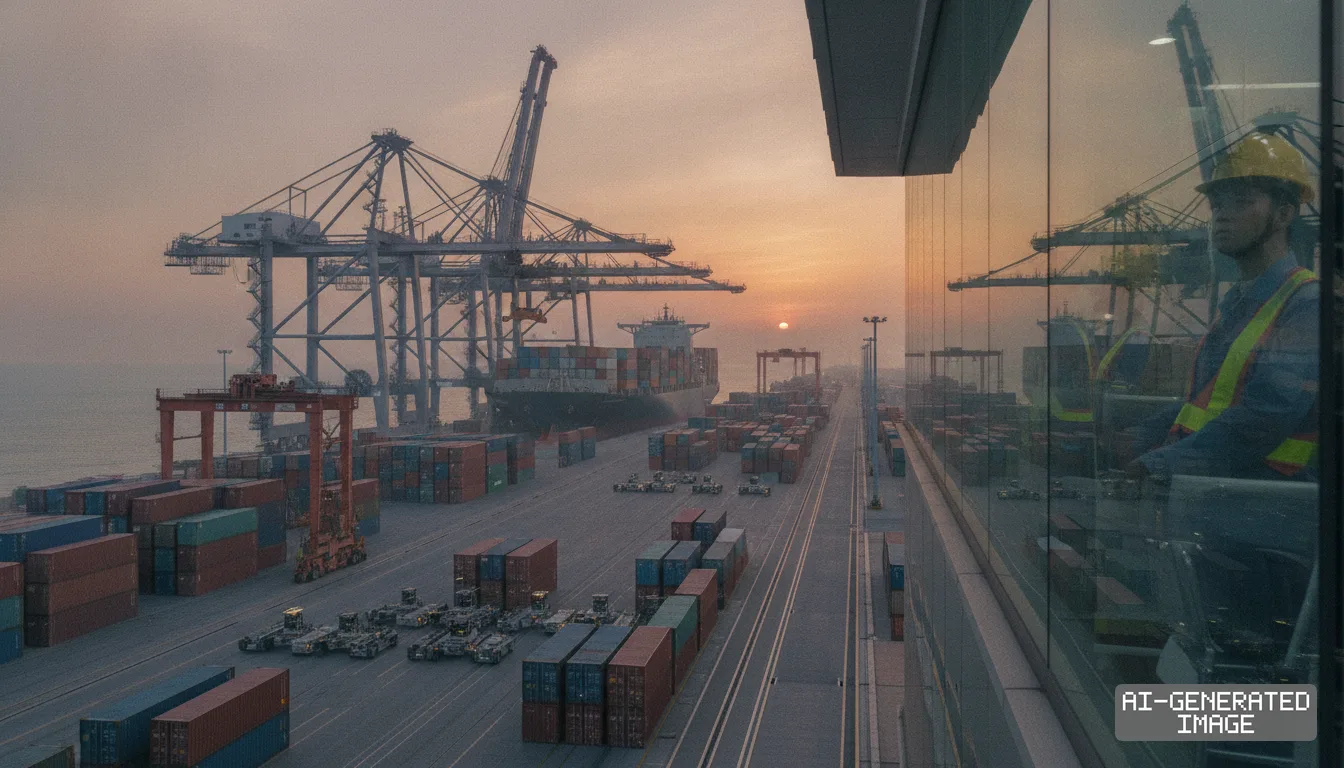
The Office of the United States Trade Representative concluded bilateral tariff consultations on Oct. 31, 2026, leaving selective tariff reductions confined to non-sensitive consumer goods and agricultural products.
The bilateral scope covers $30 billion of non-sensitive imports on each side, representing approximately 30% of United States goods exports to China based on 2024 customs values.
China's Ministry of Commerce confirmed that the agreed product lists encompass roughly $60 billion in combined two-way trade, restoring Most-Favored-Nation tariff rates to more than 90% of the designated categories.
The reciprocal framework originated from bilateral meetings held in Washington in late September 2026, where negotiators established terms of reference for the so-called 30-for-30 framework.
United States Trade Representative Jamieson Greer said the recommendations unlock export access for American farm goods while lowering consumer costs on imported household articles.
The United States import relief list designates 77 Harmonized Tariff Schedule product categories, concentrating almost entirely on finished consumer goods.
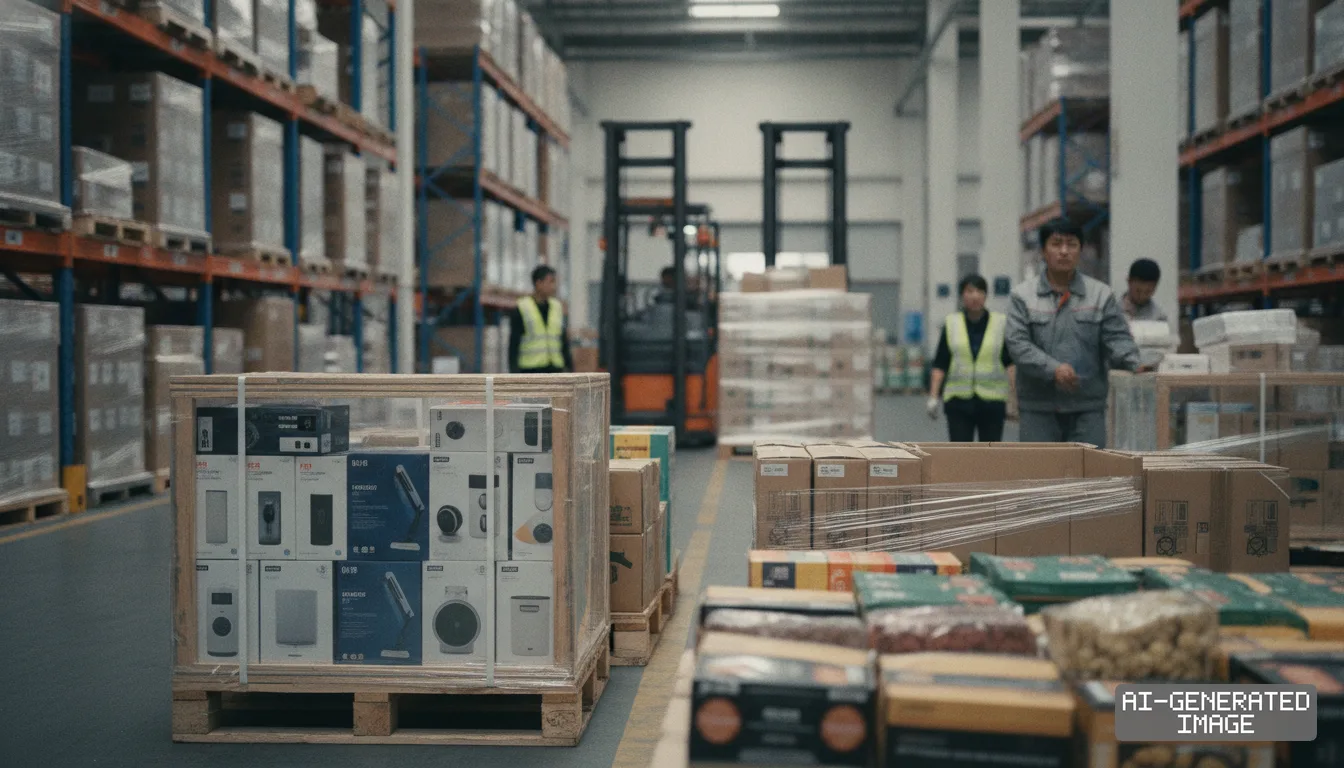
Eligible products for reduced American duties include small kitchen appliances, electric toys, festive decorations, outdoor sporting gear and child safety seats.
China's reciprocal import relief schedule covers more than 1,600 tariff lines, targeting primary commodities, energy inputs and standard commercial equipment.
Chinese customs authorities will lower import duties on United States metallurgical coal, coking coal, industrial timber, bulk agricultural commodities and basic medical devices.
Both lists exclude intermediate electronic components, lithium-ion battery cells, active chemical precursors and semiconductor manufacturing tools.
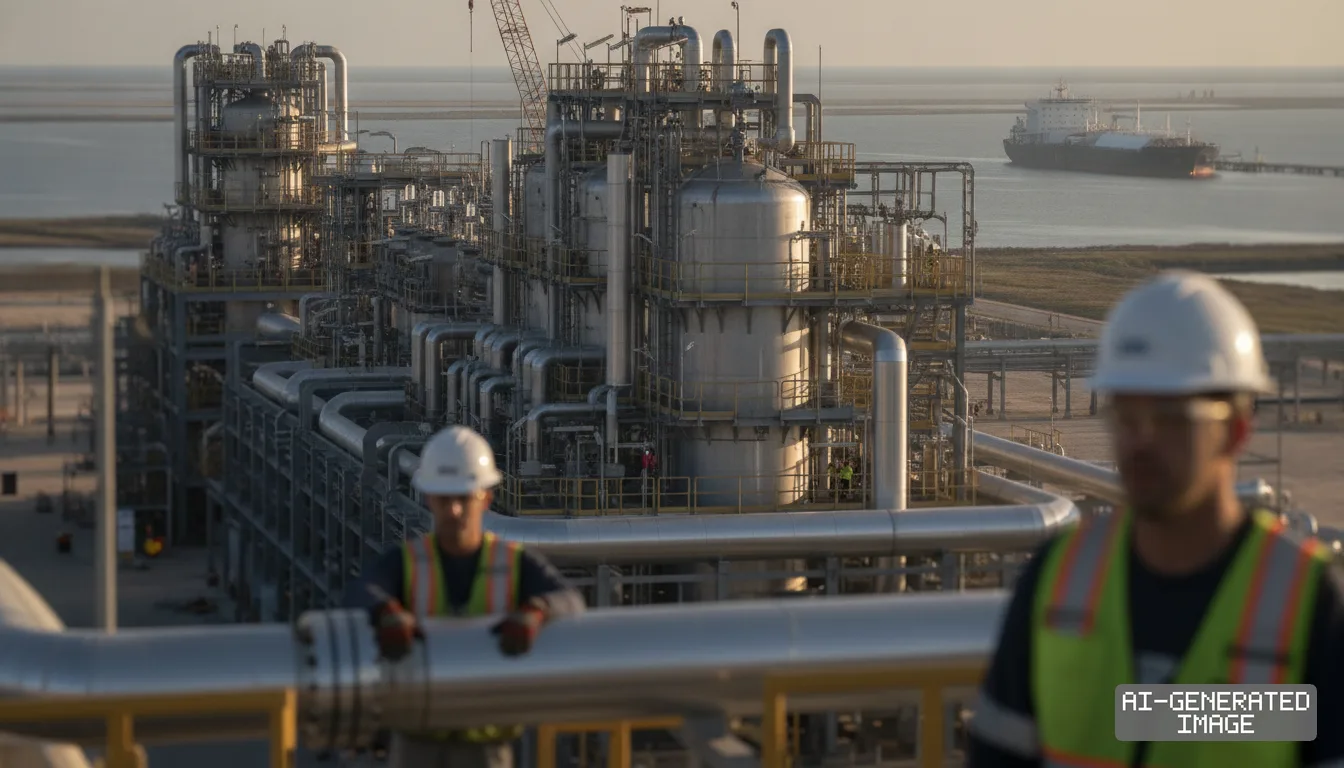
Industrial procurement costs for high-technology hardware remain elevated across trans-Pacific freight corridors because neither government granted relief to raw industrial materials.
Manufacturers in South Korea, Japan and Taiwan operating processing hubs in China receive zero direct duty exemptions on subassemblies destined for American assembly plants.
Regional component suppliers continue to pay full Section 301 tariffs on printed circuit assemblies, discrete semiconductors and passive electronics shipped to United States ports of entry.
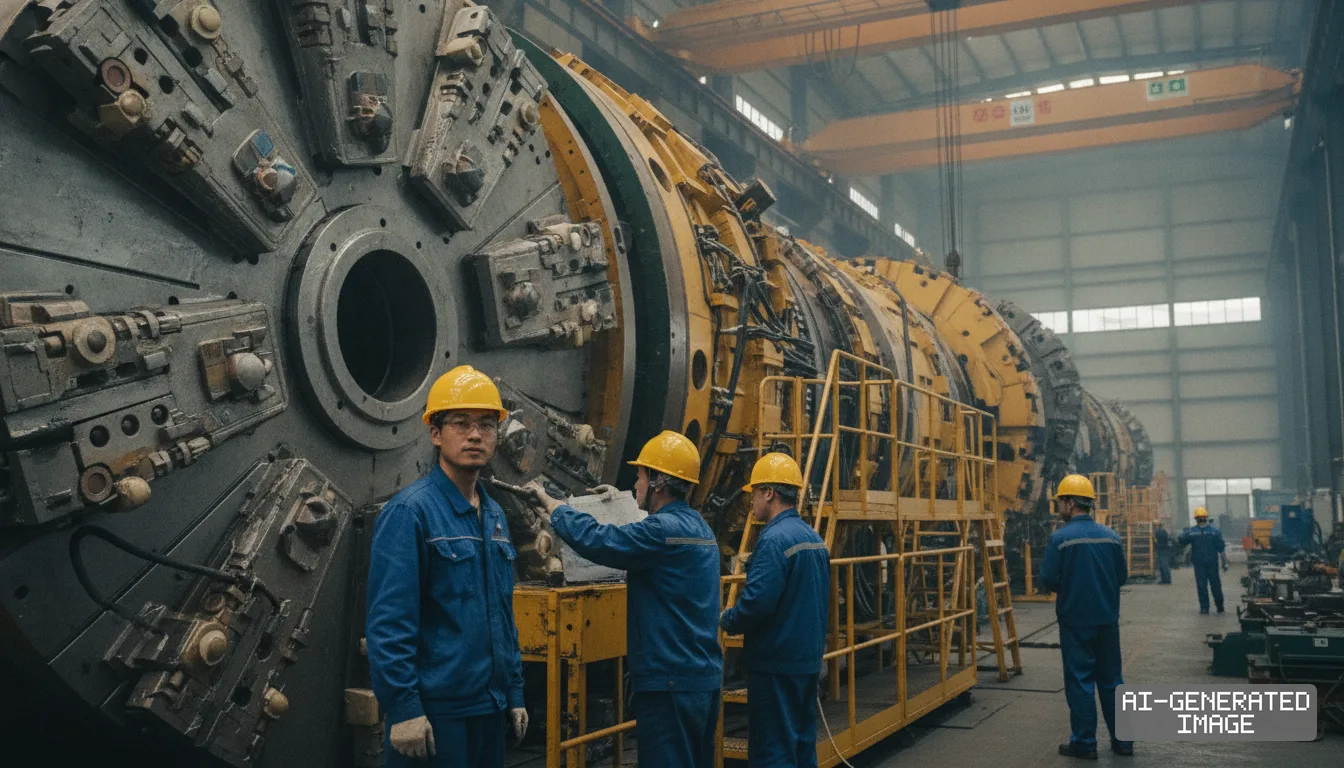
Industrial machinery imports remain excluded from the reciprocal consumer list, operating instead under a separate administrative waiver program managed in Washington.
Temporary Section 301 tariff exclusions covering 178 industrial equipment categories expire on Nov. 10, 2026 unless extended by the United States Trade Representative.
Failure to renew the machinery exclusions would raise entry duties back to statutory Section 301 punitive levels across factory automation equipment, power tools and packaging lines.
Bilateral trade disputes remain governed by the broader truce negotiated in late 2025, which both governments extended through Jan. 10, 2027 during late-September talks.
The two-month truce extension prevents retaliatory escalations while technical committees draft administrative mechanisms for the 30-for-30 program.
Negotiations operate under the United States-China Board of Trade, an intergovernmental body established during bilateral head-of-state meetings in Beijing in May 2026.
United States Treasury Secretary Scott Bessent and Trade Representative Jamieson Greer lead the American contingent on the board.
Chinese Vice Premier He Lifeng oversees the Chinese delegation, coordinating implementation alongside trade and customs officials in Beijing.
The Board of Trade carries a strict mandate to manage non-sensitive commerce, deliberately cordoning off strategic manufacturing, advanced computing and critical mineral supply chains.
Neither government has established an operational implementation date for the tariff reductions, leaving border customs posts operating under standard schedules.
Both sides must complete domestic administrative and legal procedures before publishing binding tariff modifications in their official gazettes, officials from both governments said.
United States importers must continue paying assessed reciprocal duties until customs authorities issue automated broker directives and formal Federal Register instructions.
Technical guidelines adopted by negotiators require rigorous verification of origin, barring transshipped third-country components from claiming tariff reductions under the 77 designated consumer categories.
The bilateral lists provide temporary margin relief for retail brands and import distributors while keeping heavy industrial supply chains locked under baseline tariff schedules.
Procurement planners in the electronics and automotive sectors must continue absorbing tariff overhead on cross-border shipments between mainland production hubs and North American distributors.
Technical discussions concluded through Oct. 31, 2026 produced no documentation expanding tariff exemptions into manufacturing inputs, industrial chemicals or energy storage equipment.
The Office of the United States Trade Representative has not published an executive proclamation or Federal Register notice enacting tariff reductions signed on Oct. 31, and neither government has published a schedule lowering duties on industrial electronics or battery intermediates.
The regulatory deadline governing Section 301 industrial machinery exclusions arrives on Nov. 10, 2026, while the broader bilateral trade truce runs through Jan. 10, 2027.
Impact map
How this development propagates across the region and out to global buyers.
| Event | Korea | China | Japan | Global impact |
|---|---|---|---|---|
| US-China 30-for-30 tariff framework | Component exporters face sustained Section 301 duties on printed circuits assembled in China | Consumer exporters gain MFN access across 77 tariff lines; coal and timber import costs decline | Machine tool builders face Nov. 10 expiry on 178 Section 301 exclusions | Trans-Pacific retail goods absorb lower duties while hardware manufacturing cost structures stay flat |
In this story
- Policy
- Tariffs
- Impact
- Cost StructureSupply ChainCompliance
Track every Tariffs development →
Related briefings
- China waives tariffs on African trade with no political terms Also on Tariffs, Compliance, Cost Structure
- Trump 100% China tariff threats hit Asian intermediate hubs Also on Tariffs, Compliance, Cost Structure
- Stellantis pushes Leapmotor European parts past 40% in Spain Also on Tariffs, Compliance, Cost Structure
- Commerce locks in Korean steel duties as mills press quota review Also on Tariffs, Compliance, Cost Structure
Sources
Primary documents
Reporting
Confidence: high — how we grade this
The documents behind this briefing are linked above. East Asia Brief produces its English text with AI assistance under human editorial review, and does not translate or republish other outlets' articles. See our methodology and AI policy. Spotted an error? Tell us.
The Morning Brief
What changed in Korean, Chinese and Japanese industry overnight — and what it means for your supply chain. One email, weekday mornings, US time. Free.
The Morning Brief is in preparation. Leave your address and we will write to you once — when the first issue is ready. Nothing before that.