USTR extends Section 301 tariff relief on 178 Chinese product lines
The determination keeps exclusions in place through Jan. 9, 2027, shielding printed circuit boards and solar machinery from duties up to 25%.
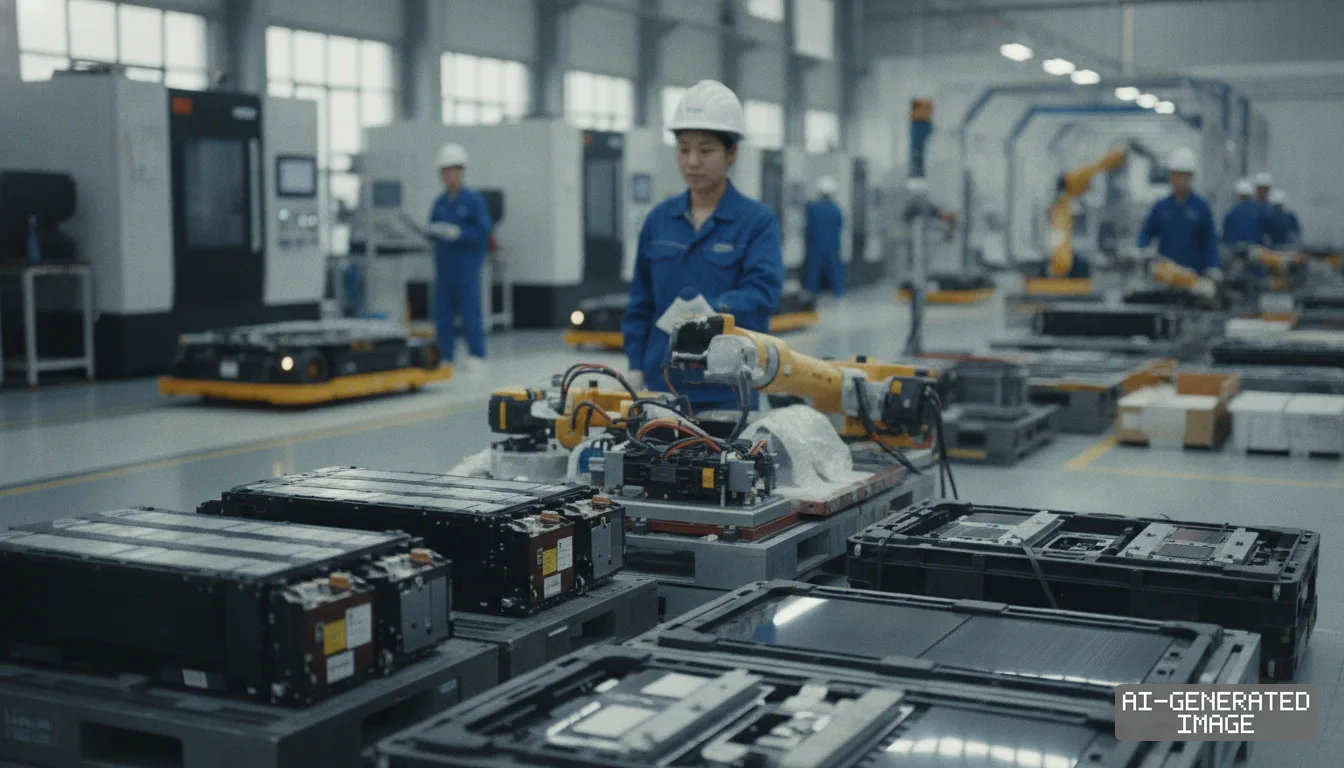
The Office of the United States Trade Representative confirmed Nov. 11, 2026, that tariff exclusions on 178 Chinese industrial product categories will remain in force through Jan. 9, 2027.
The agency published the formal extension under document number FR Doc. 2026-22925 in the Federal Register. The measure continues temporary relief that was scheduled to expire at the end of Nov. 9.
The decision covers 164 industrial items under heading 9903.88.69 and 14 solar machinery codes under heading 9903.88.70. Those categories face Section 301 tariffs running up to 25% without the exclusion.
U.S. Customs and Border Protection collected $35.6 billion in Section 301 duties on Chinese goods in fiscal 2025. That accounted for roughly 16% of total agency duty collections of $216.7 billion.
The waiver applies to eligible goods entered for consumption or withdrawn from warehouse facilities on or after Nov. 10. The covered window runs until 11:59 p.m. Eastern time on Jan. 9, 2027.
Trade Representative Jamieson Greer ordered the extension following bilateral discussions with Chinese commerce officials on Nov. 6. The administration cited ongoing bilateral trade negotiations as the primary rationale for the extension.
China's Ministry of Transport and Ministry of Commerce implemented matching extensions through Jan. 10, 2027. Beijing agreed to prolong the suspension of its 24% retaliatory tariff and port fee investigations.
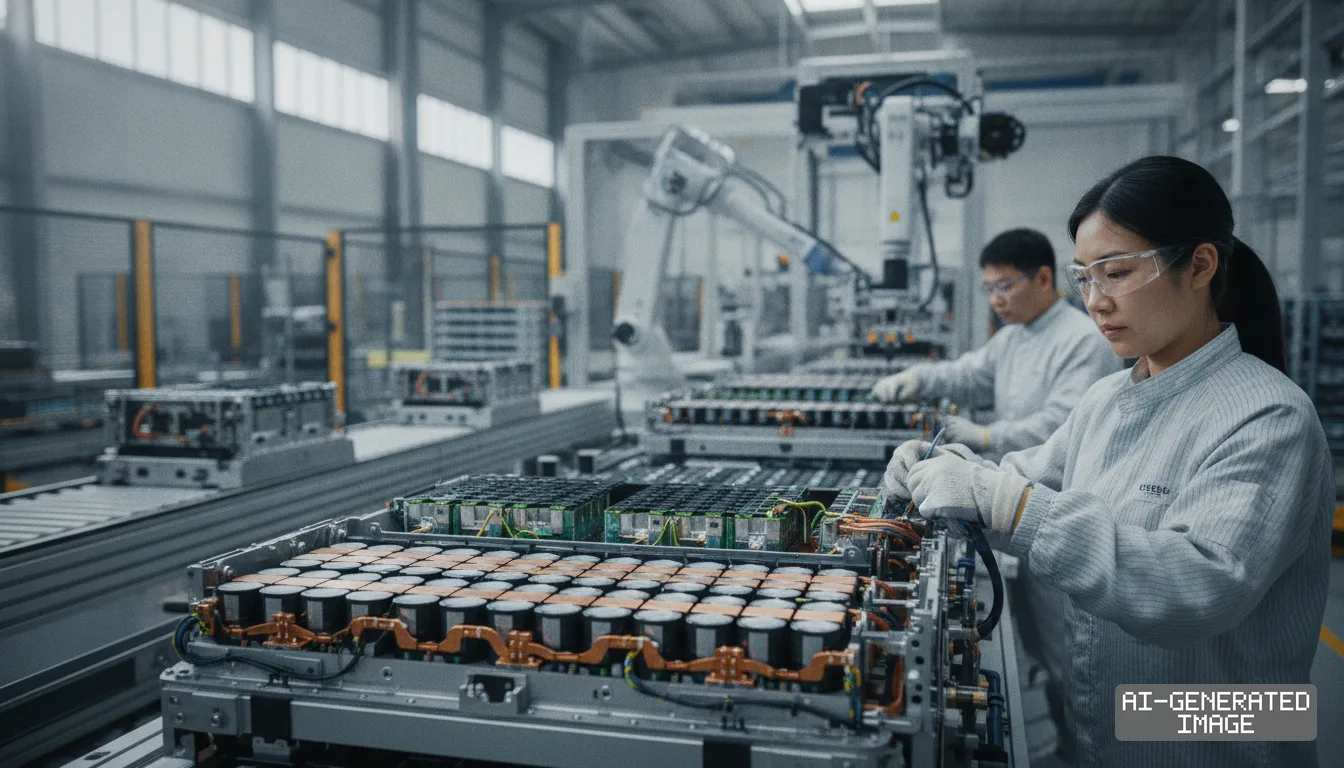
The 164 categories under heading 9903.88.69 consist primarily of capital goods and intermediate components. These include printed circuit boards, electric motors, industrial pump parts and specialized medical diagnostic devices.
In previous administrative reviews, 147 of the 178 product categories received formal corporate comments supporting extensions. Domestic manufacturers documented that equivalent components remain unavailable in required volumes outside China.
U.S. capital goods manufacturers face direct operational exposure to the tariff decision. Industrial equipment makers Emerson Electric and GE Vernova purchase fractional-horsepower electric motors and pump parts covered under the tariff waivers.
For Emerson Electric, Chinese subcomponents feed industrial automation lines that generate approximately 8% of segment revenue. A snapback to 25% tariffs would increase landed bill-of-materials costs on affected product assemblies.
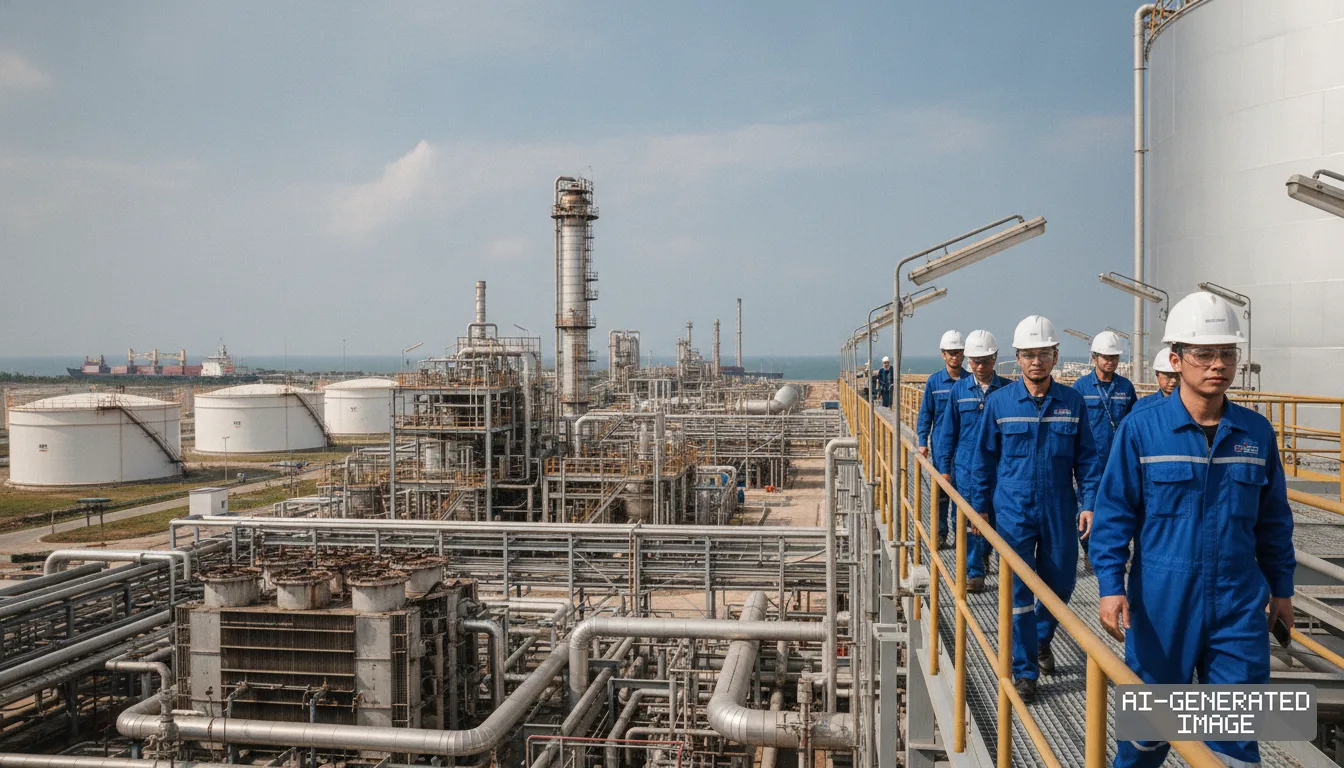
The 14 exclusions under heading 9903.88.70 target precision machinery used in photovoltaic cell manufacturing. These include silicon ingot growth furnaces, high-speed wafer slicing equipment and chemical vapor deposition tools.
Solar manufacturer Hanwha Qcells relies on the machinery waivers for equipment arriving at its $2.5 billion factory in Cartersville, Georgia. The facility has an annual production capacity of 3.3 gigawatts.
U.S. solar factories currently source more than 85% of advanced silicon ingot and wafer slicing tools from Chinese suppliers. Domestic machine builders do not produce commercial-scale equivalents for high-volume factories.
Finished consumer goods remain entirely outside the relief schedule. Completed solar panels, consumer electronics, apparel and toys continue to incur standard Section 301 tariffs ranging from 7.5% to 25%.
Importers must match exact 10-digit tariff codes and narrow technical descriptions set out in tariff notes 20(vvv) and 20(www). Goods that fail single dimensional or performance specifications pay full duty rates.
U.S. Customs and Border Protection said entry filers must claim the specific chapter 99 headings at entry summary. Importers cannot claim exclusions based solely on general commercial invoices or broader subheadings.
The trade office also extended a parallel freeze on punitive maritime fees and port equipment surcharges. That suspension shields Chinese-built ship-to-shore cranes and ocean carriers calling at major American container ports.
The short 60-day duration keeps commercial pressure on trade negotiators in Washington and Beijing. The brief window forces purchasing managers to manage supply chain contracts on rolling two-month planning cycles.
Japanese robotics builders and South Korean electronic parts suppliers face indirect demand shifts. While non-Chinese assemblers gain time to adjust supply lines, prolonged waivers reduce immediate pressure to contract alternative regional suppliers.
Exclusions under both tariff headings expire at 11:59 p.m. Eastern time on Jan. 9, 2027. Corporate compliance officers must file post-summary corrections or liquidation protests within 180 days to recover duties on eligible past entries.
The notice does not state whether USTR will consider renewals beyond Jan. 9, 2027, and the agency has not published volume quotas or domestic production benchmarks for any of the covered tariff lines.
Impact map
How this development propagates across the region and out to global buyers.
| Event | Korea | China | Japan | Global impact |
|---|---|---|---|---|
| Section 301 tariff exclusion extension | Hanwha Qcells preserves duty-free tool imports for 3.3-gigawatt Georgia plant | Component exporters maintain tariff-free US access for electric motors and pump parts | Precision motion and machinery suppliers see US reshoring orders deferred | Industrial equipment makers avert immediate 25% tariff surcharge on 178 product lines |
In this story
- Companies
- Hanwha QcellsEmerson ElectricGE Vernova
- Tickers
- 009830.KSEMRGEV
- Policy
- Tariffs
- Impact
- Supply ChainCost StructureCompliance
Track every Tariffs development →
Related briefings
- Trump 100% China tariff threats hit Asian intermediate hubs Also on Hanwha Qcells, Tariffs, Compliance
- China leads global energy capex with $940 billion grid outlay Also on GE Vernova
- USTR limits US-China tariff relief to $60B in consumer goods Also on Tariffs, Compliance, Cost Structure
- China waives tariffs on African trade with no political terms Also on Tariffs, Compliance, Cost Structure
Sources
Primary documents
Reporting
Confidence: high — how we grade this
The documents behind this briefing are linked above. East Asia Brief produces its English text with AI assistance under human editorial review, and does not translate or republish other outlets' articles. See our methodology and AI policy. Spotted an error? Tell us.
The Morning Brief
What changed in Korean, Chinese and Japanese industry overnight — and what it means for your supply chain. One email, weekday mornings, US time. Free.
The Morning Brief is in preparation. Leave your address and we will write to you once — when the first issue is ready. Nothing before that.