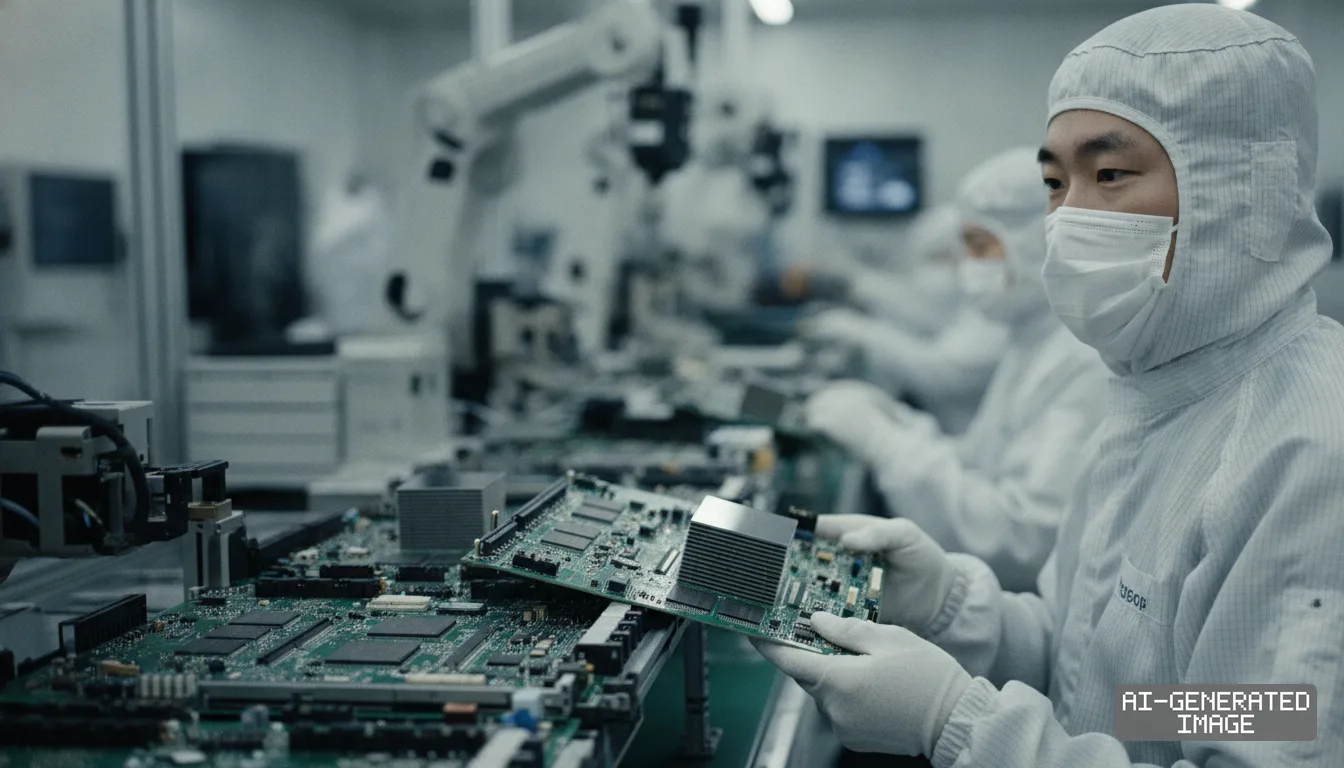
Korea eases factory closure rules for high-tech reshoring
A cabinet decree approved Nov. 3 grants ten-year tax relief to manufacturers expanding domestic mother factories without forcing them to liquidate foreign sites.
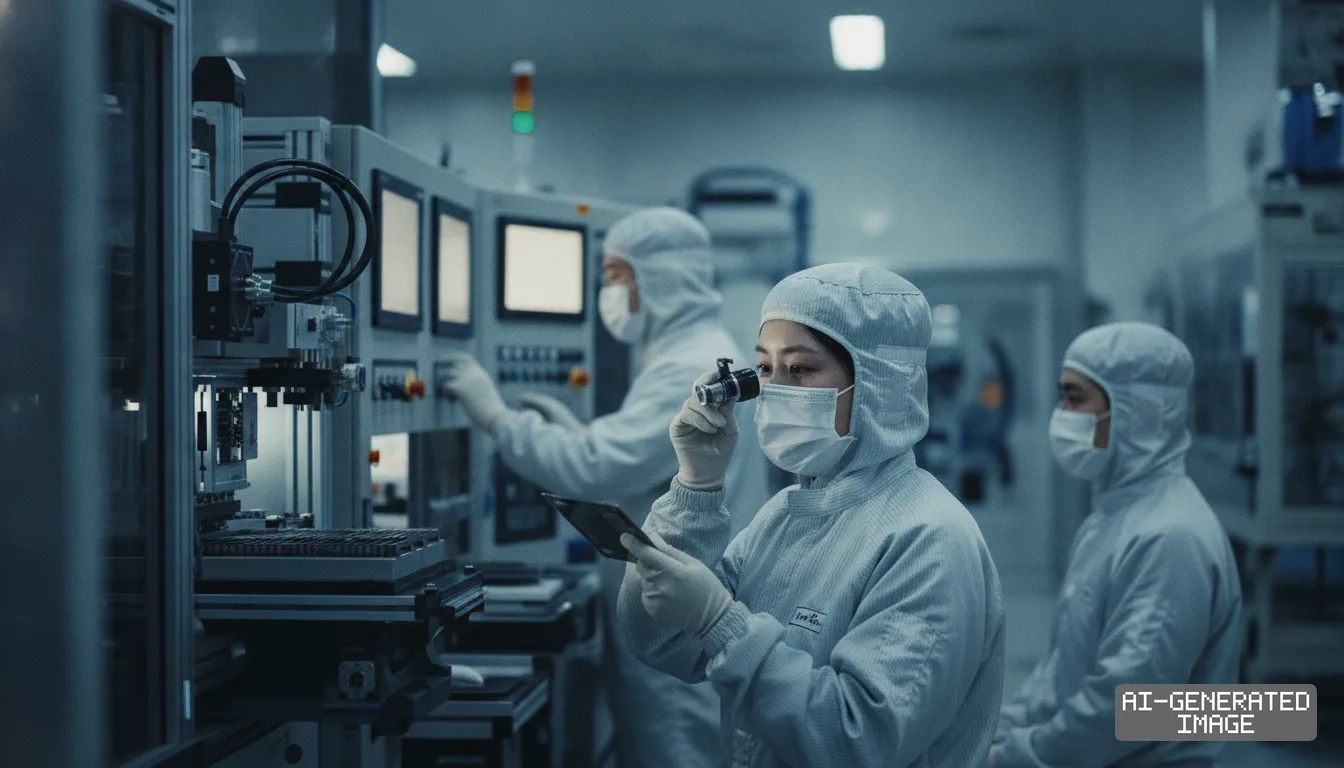
South Korea approved revisions to its industrial reshoring enforcement decree on Nov. 3, 2026, lifting factory closure requirements for advanced manufacturers that expand domestic production.
Under the amended decree, qualifying manufacturers can secure corporate income tax exemptions of 100% for seven years and 50% for the following three years.
South Korea's Ministry of Trade, Industry and Energy scheduled the changes to take effect on Nov. 23, 2026, implementing policy blueprints unveiled during an economic ministers meeting on May 29.
The previous statutory system, enacted under the Act on Support for Reshoring Companies in 2013, required returning firms to liquidate, transfer or downsize their foreign manufacturing plants.
That restructuring requirement discouraged leading memory and battery producers from applying for state benefits, industry officials said. Multinationals had to maintain foreign plants to supply automobile and consumer electronics assembly lines.
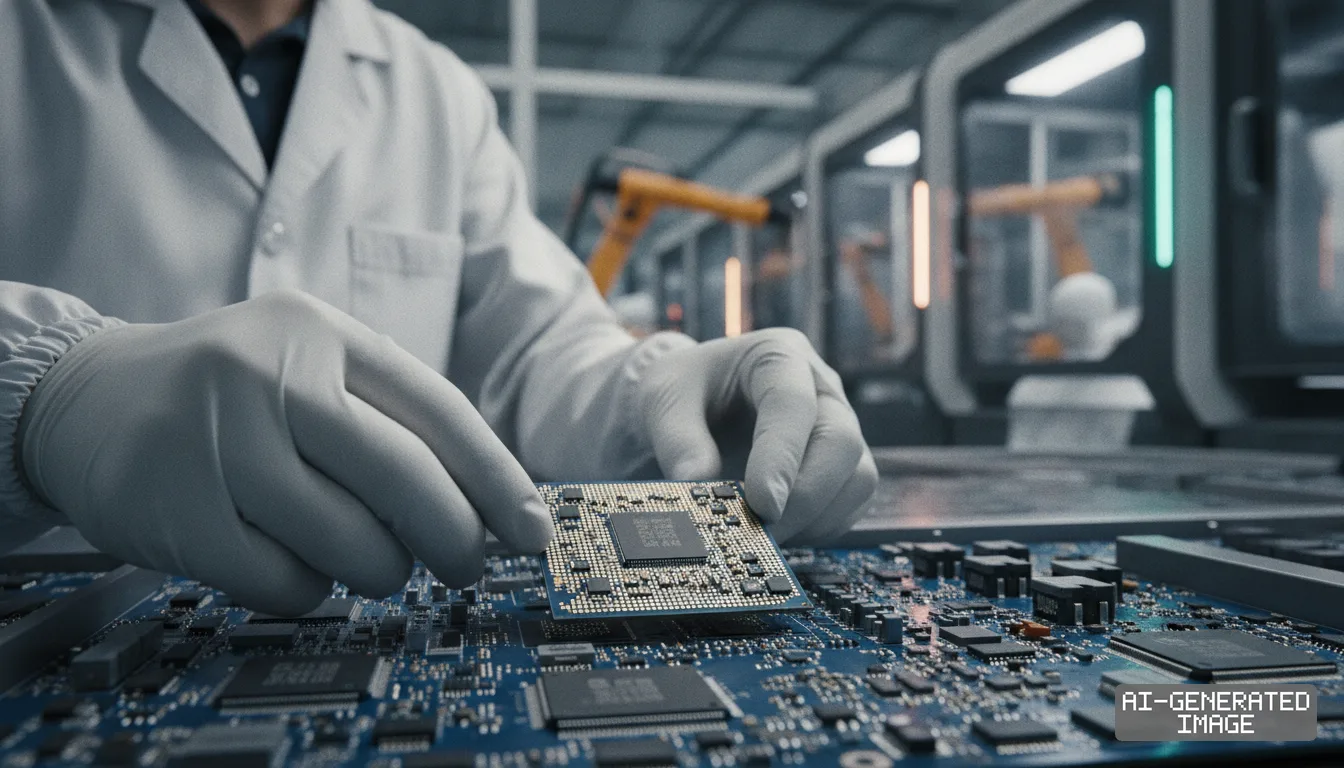
The amended enforcement decree waives the overseas downsizing rule for enterprises establishing or expanding high-technology facilities, termed mother factories, within South Korean borders.
Applicants previously had to obtain specific technology confirmation certificates to bypass plant closures. The new framework waives that certificate requirement, evaluating projects through expert review panels instead.
The policy shift directly touches South Korea's leading memory and battery producers, which operate substantial manufacturing complexes across China, North America and Europe.
Samsung Electronics produces roughly 40% of its global NAND flash memory supply at its fabrication facility in Xi'an, China. Under the old rules, claiming domestic subsidies required downsizing those lines.
SK hynix manufactures approximately 45% of its dynamic random-access memory wafers in Wuxi, China. The firm is currently deploying capital into advanced packaging lines and wafer fabs in Yongin, South Korea.
Battery producer LG Energy Solution generates more than 85% of its total cell output outside South Korea, maintaining gigafactories in Poland, China and the United States.
By eliminating the overseas downsizing rule, Seoul allows these manufacturers to retain operational foreign lines while claiming tax relief for cutting-edge pilot lines at home, the trade ministry said.
The revised decree also eases strict product similarity rules that previously governed qualification. Authorities earlier demanded identical raw materials, manufacturing components and factory assembly lines between sites.
Government evaluators will now verify eligibility based on shared core technologies, practical functions and supply-chain linkages, even when domestic and foreign factories manufacture different finished goods.
That technical flexibility accommodates hardware makers that upgrade production lines, letting them shift domestic sites toward high-margin chips and cells while legacy foreign facilities run standard components.
The amended decree also permits companies to claim reshoring status by opening or enlarging corporate research and development centers inside South Korea, according to the ministry.
Foreign manufacturing firms that relocate design laboratories, testing hubs or advanced engineering centers back to domestic soil can now secure fiscal support without transferring physical production.
To supervise candidate screening and subsidy awards, the government established a specialized advisory committee under the industrial ministry, according to the cabinet filing. The panel includes independent industrial experts.
The advisory committee will evaluate applicants by reviewing investment scales, regional economic impacts and the strategic necessity of the domestic facility, the trade ministry said.
The regulatory adjustment aligns South Korean industrial policy with intensifying international competition for advanced fabrication capacity. Major manufacturing economies are committing massive public budgets to repatriate supply chains.
The United States provides direct factory subsidies through the 2022 CHIPS and Science Act, pairing manufacturing grants with strict restrictions on Chinese fab expansion.
Japan's Ministry of Economy, Trade and Industry has funded up to one-third of capital expenditures for domestic semiconductor facilities, backing foreign and domestic foundries.
Seoul aims to build domestic mother factories that develop cutting-edge manufacturing processes before lines scale abroad, trade ministry officials said. The strategy guards intellectual property from geopolitical trade friction.
The cabinet notice does not identify which semiconductor or battery manufacturers have applied for mother factory status. The trade ministry also refrained from publishing company-specific capital subsidy allocations.
Subordinate ministerial notices and operational guidelines will take effect on Nov. 23, 2026, establishing the official evaluation procedures when the amended decree enters into legal force.
Impact map
How this development propagates across the region and out to global buyers.
| Event | Korea | China | Japan | Global impact |
|---|---|---|---|---|
| Korea mother factory reshoring decree | Samsung and SK hynix can claim tax relief for domestic fab expansion without closing China sites | Legacy memory fabs in Wuxi and Xi'an remain open, averting sudden divestment | Tool suppliers see sustained dual-hub equipment demand across Korea and regional fabs | Eased rules lower supply-chain transition costs for advanced hardware makers |
In this story
- Companies
- Samsung ElectronicsSK hynixLG Energy Solution
- Tickers
- 005930.KS000660.KS373220.KS
- Policy
- SubsidiesTax Credits
- Impact
- CapexSupply Chain
Track every Subsidies development → Track every Tax Credits development →
Related briefings
- SK hynix starts $4 billion packaging plant in Indiana to feed US AI Also on Tax Credits, SK hynix, Samsung Electronics
- South Korea funds advanced chip packaging and backside power pilot lines Also on Tax Credits, SK hynix, Samsung Electronics
- Comparing East Asia Fab Subsidies Across Japan, Korea, and China Also on Tax Credits, SK hynix, Samsung Electronics
- Solidigm $45 Billion Fab Speculation Collides With SK hynix Financing Limits Also on Tax Credits, SK hynix, Subsidies
Sources
Primary documents
Reporting
Confidence: high — how we grade this
The documents behind this briefing are linked above. East Asia Brief produces its English text with AI assistance under human editorial review, and does not translate or republish other outlets' articles. See our methodology and AI policy. Spotted an error? Tell us.
The Morning Brief
What changed in Korean, Chinese and Japanese industry overnight — and what it means for your supply chain. One email, weekday mornings, US time. Free.
The Morning Brief is in preparation. Leave your address and we will write to you once — when the first issue is ready. Nothing before that.