European CEOs rebuff local content quotas to guard Asian supplies
Over 60% of 54 surveyed corporate leaders chose trade pacts over public procurement quotas to protect battery cell and mineral imports from East Asia.
European corporate chiefs pushed back Nov. 27, 2026 against proposed European Union local content rules, saying supply diversification across trusted trade partners is critical to maintaining industrial cost competitiveness.
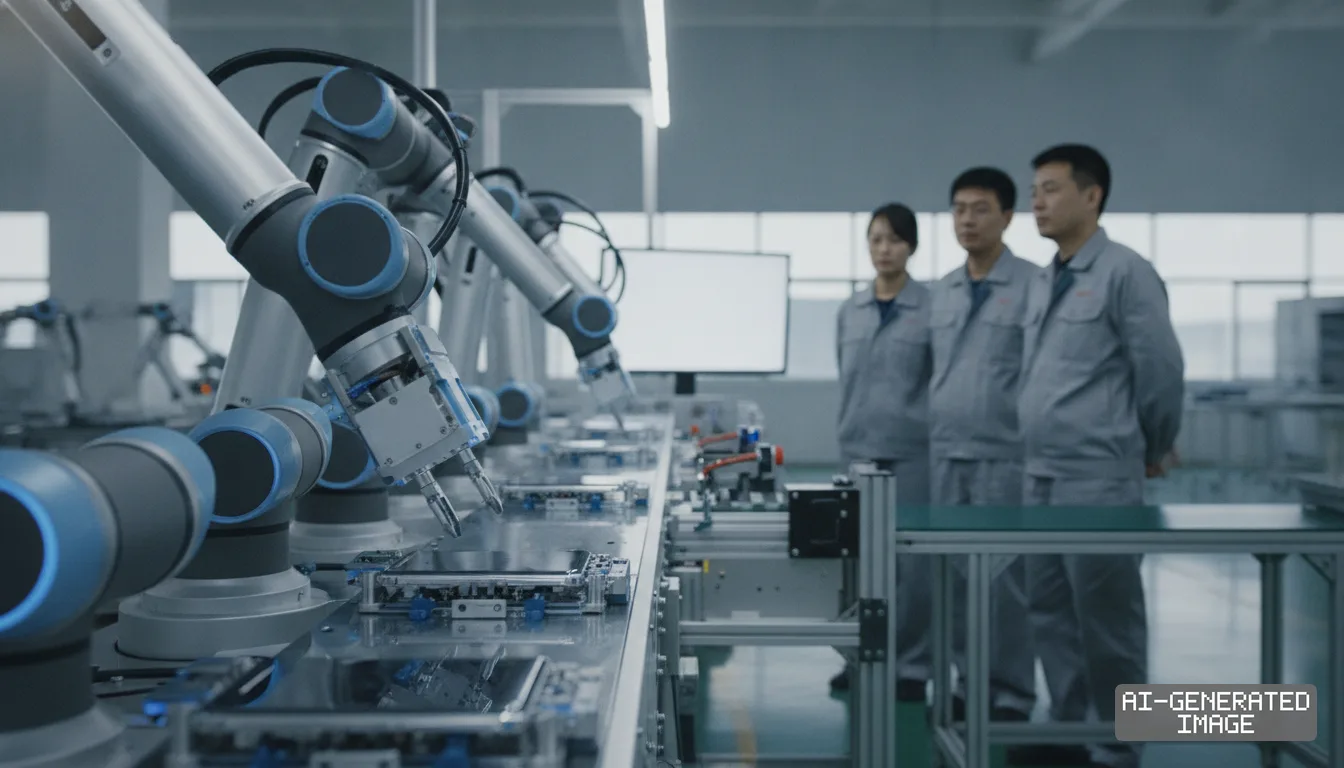
The stance creates direct friction with Brussels policymakers seeking to ring-fence public subsidies. European manufacturers remain structurally reliant on advanced battery cells, power semiconductors and processed minerals sourced from South Korea, Japan, Taiwan and China.
More than 60% of the 54 corporate leaders surveyed by the European Round Table for Industry chose free-trade agreements and deeper ties with external partners as their primary diversification tool. Only 30% endorsed "Made in Europe" preference rules in public procurement.
The findings reflect a semi-annual executive confidence survey conducted jointly with The Conference Board between Oct. 19 and Oct. 30, 2026. The group represents multinational manufacturers generating combined annual revenues exceeding 3 trillion euros ($3.15 trillion).
The pushback targets the draft Industrial Accelerator Act presented by the European Commission on March 4, 2026. That regulation seeks to lift manufacturing to 20% of European gross domestic product by 2035, up from 14.3% in 2024.
Under the Commission's initial draft, public procurement contracts and state-supported subsidy schemes would impose domestic content thresholds of 50% to 70% across strategic clean-technology sectors. The quotas cover electric vehicles, grid-scale batteries, heat pumps and low-carbon steel.
Industrial leaders argue that rigid domestic mandates ignore existing cost disparities and supply bottlenecks. Restricting procurement to EU-manufactured equipment would inflate capital expenditure for power generation, automotive assembly and grid modernizations, executives said.
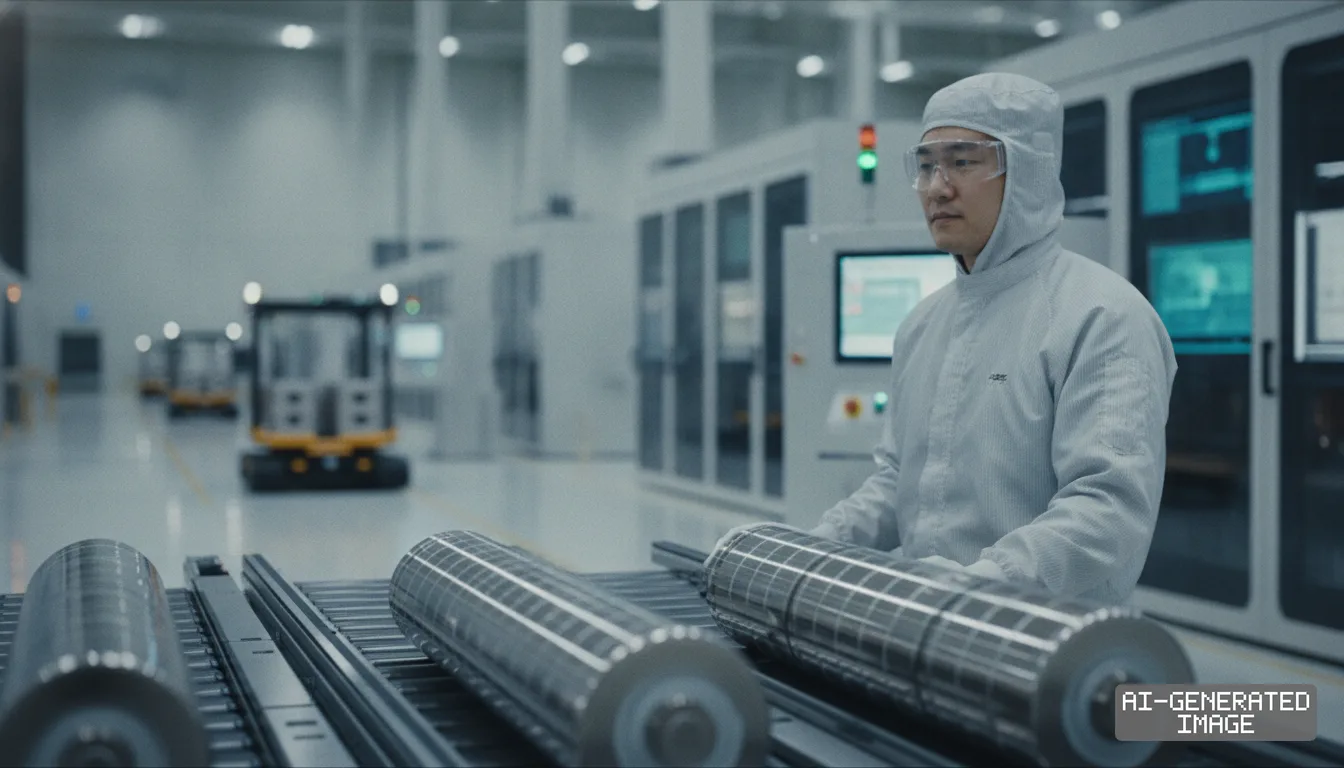
European manufacturers face acute component dependencies in electrification. While European carmakers produce chassis and electric motors domestically, they depend on external suppliers for over 70% of lithium-ion cell inputs and cathode active materials.
South Korean cell producers LG Energy Solution, Samsung SDI and SK On operate European production facilities in Poland and Hungary, yet they continue to import specialized separators, precursor chemicals and high-nickel cathode active materials from factories in East Asia.
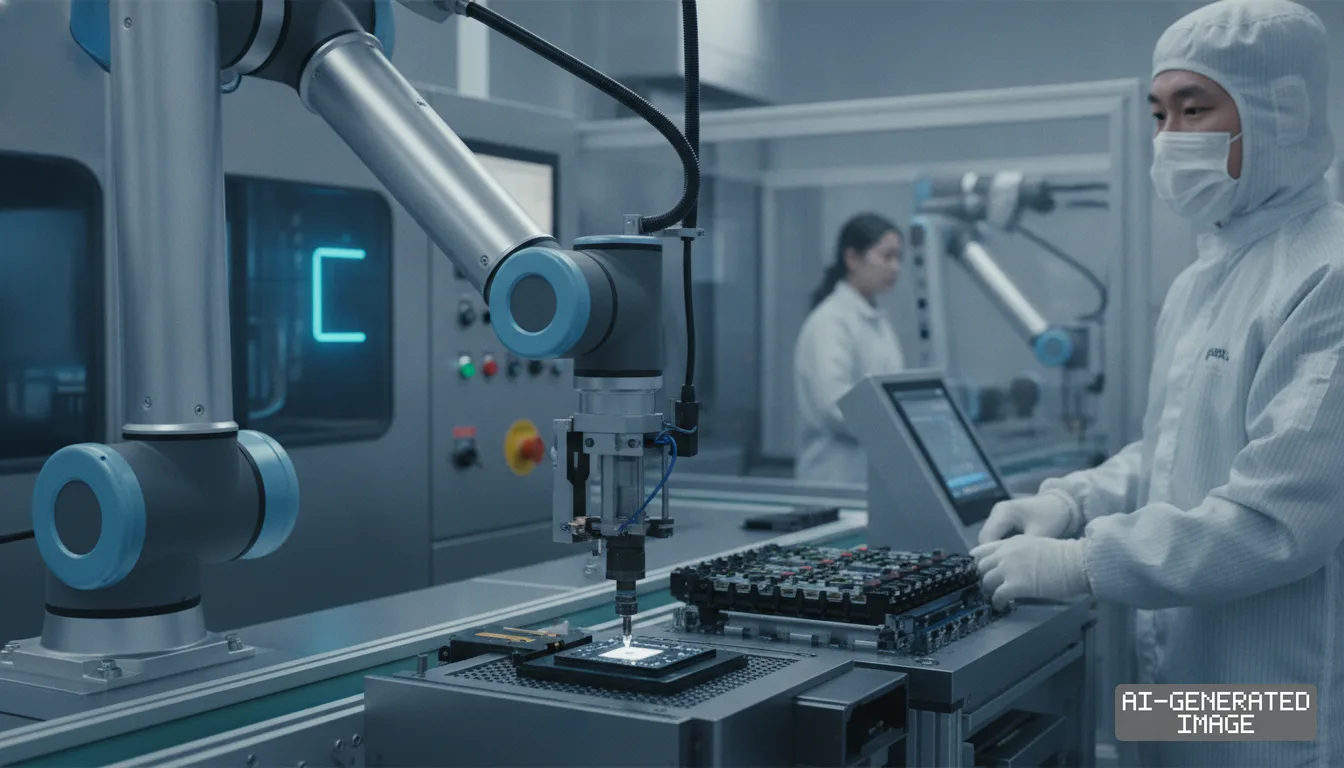
Similarly, Taiwanese foundry capacity supplies the vast majority of advanced logic microcontrollers used by European tier-one automotive suppliers. Sourcing those precision microcontrollers exclusively within Europe remains technically impossible over the next decade.
Investment patterns highlighted in the survey underscore the widening geographical shift. More than 50% of surveyed chief executives confirmed they revised their corporate investment strategies this year to allocate additional capital to the United States and India over the next three years.
Offshore spending is already outpacing domestic industrial capital outlays. Survey data showed 60% of respondents intend to direct general business expansion capital outside Europe, driven by lower energy tariffs, capital subsidies and flexible supply networks abroad.
European industrial groups are preserving domestic spending only in high-value intellectual property. Survey respondents indicated that 57% of their research and development budgets will remain in Europe, with 46% concentrated in the 27 EU member states.
The survey revealed a slight improvement in broader business sentiment, with the CEO confidence index rising to 47 from 40 six months ago. Even with that rebound, the reading remains below the neutral 50 threshold for a fifth consecutive half-year period.
Executive willingness to expand investment within Europe rose to 23%, up from 8% in 2025. Sentiment toward capital deployment in China showed a parallel recovery to 19%, up from 8% a year earlier, despite ongoing supply de-risking efforts.
Trade friction with Washington has also complicated European supply calculations. Corporate leaders view reciprocal open trade with Asian partners as an essential hedge against protectionist shifts in both the United States and the European internal market.
Automakers such as Volkswagen, BMW and Renault have repeatedly cautioned that strict local content requirements would trigger reciprocal trade penalties from Asian partners. Those retaliation risks threaten export channels for high-margin European luxury vehicles and industrial machinery.
The pushback from major industrial employers has triggered intense diplomatic maneuvering inside the Council of the European Union. Member states with heavy manufacturing dependencies have sought exemptions to prevent project delays in renewable power and automotive assembly.
Ireland, which holds the rotating presidency of the Council of the European Union, circulated a compromise legislative text Nov. 24, 2026. The compromise seeks to avert an open clash between regulatory goals and industrial operating realities.
Under the Irish presidency draft, goods and assemblies sourced from nations that maintain bilateral free-trade pacts with the European Union would qualify for treatment equivalent to European origin. The provision explicitly accommodates advanced automotive and battery components originating in South Korea and Japan.
The revised compromise also extends origin equivalence to vehicles assembled in the United Kingdom containing East Asian inputs. That modification resolves critical supply chain frictions for continental manufacturers operating integrated cross-Channel supply lines.
The survey report does not publish an East Asia-specific procurement share broken down by component type, and the European Commission has not finalized the list of partner countries granted origin equivalence. The lack of specific component breakdowns leaves tier-one suppliers without definitive guidance on compliant sub-assemblies.
The legislative trajectory now shifts to inter-governmental negotiations in Brussels. EU competitiveness ministers will debate the Irish presidency compromise text at the formal Competitiveness Council meeting scheduled for Dec. 3, 2026.
Impact map
How this development propagates across the region and out to global buyers.
| Event | Korea | China | Japan | Global impact |
|---|---|---|---|---|
| Industrial Accelerator Act origin rules | LG Energy Solution and Samsung SDI gain origin equivalence for battery parts under FTA clause | Chinese EV and cell makers face tightened procurement barriers under high-risk exclusions | Japanese power component suppliers maintain access to EU public procurement projects | Multinational automakers avoid supply rupture by preserving cross-border East Asian sourcing |
In this story
- Companies
- VolkswagenBMWRenaultLG Energy SolutionSamsung SDISK On
- Tickers
- VOW3.DEBMW.DERNO.PA373220.KS006400.KS
- Exposed
- Taiwan Semiconductor Manufacturing Co
- Policy
- Local Content RulesProcurement Rules
- Impact
- Supply ChainCost StructureCompliance
Track every Local Content Rules development → Track every Procurement Rules development →
Related briefings
- Desay SV opens €26M Spanish plant to build car cockpit controllers Also on Renault, Volkswagen, Local Content Rules
- EU and UK enforce 2027 EV origin rules, risking 10% battery tariffs Also on Renault, BMW, Local Content Rules
- BYD replaces Dolphin hatchback abroad with larger Seagull EV Also on Renault, Volkswagen
- BYD plans three European car plants to counter EU tariffs Also on Renault, Volkswagen
Sources
Primary documents
Reporting
Confidence: high — how we grade this
The documents behind this briefing are linked above. East Asia Brief produces its English text with AI assistance under human editorial review, and does not translate or republish other outlets' articles. See our methodology and AI policy. Spotted an error? Tell us.
The Morning Brief
What changed in Korean, Chinese and Japanese industry overnight — and what it means for your supply chain. One email, weekday mornings, US time. Free.
The Morning Brief is in preparation. Leave your address and we will write to you once — when the first issue is ready. Nothing before that.