China curbs dredger component exports under dual-use control
The Ministry of Commerce and customs authorities imposed export licensing on high-capacity mud pumps, dragheads and cutterheads to secure heavy marine engineering gear.
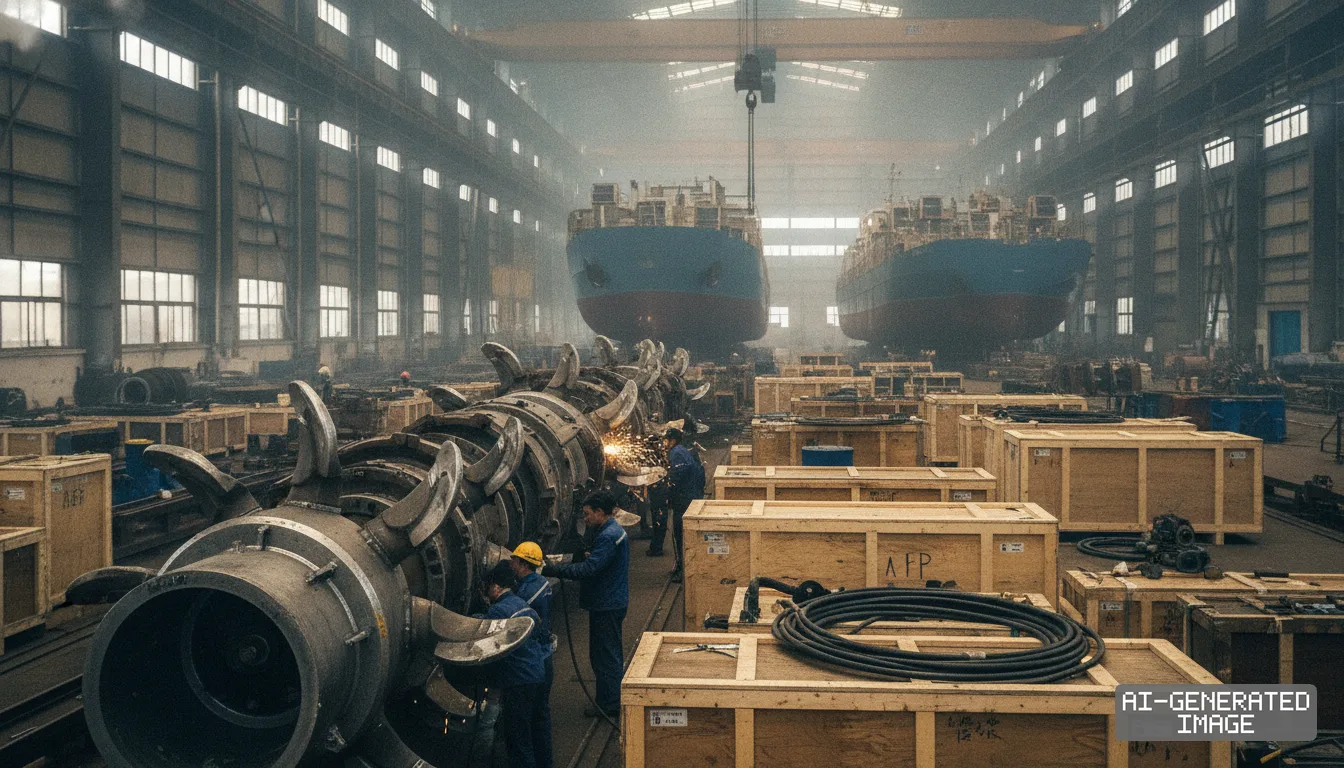
China's Ministry of Commerce restricted exports of specialized dredging vessel equipment on Oct. 19, 2026, expanding strategic controls over machinery used for artificial island building and deepwater harbor construction.
The joint directive with the General Administration of Customs requires exporters to secure dual-use permits before shipping critical dredging components abroad. The policy takes effect on Nov. 18, 2026.
The order targets heavy mud pumps with suction intake diameters of at least 0.55 meters, which power vessels moving more than 1,200 cubic meters of sediment per hour.
The equipment carries strategic utility in both civil dredging and expeditionary island creation. China previously restricted whole-vessel dredger exports in 2017, and the latest update extends state oversight directly to modular components.
Regulators placed the hardware under export code 8A901 in the updated dual-use catalogue. The list includes specialized mud pumps with rotational speeds at or below 400 revolutions per minute.
The rule also restricts key pump subcomponents, according to the ministry notice. Pump casings with internal diameters of 1.3 meters or wider and pump impellers measuring 1.3 meters across now require ministerial review.
Cutter suction dredger tools face identical export barriers. The notice captures rotary cutterheads — the revolving steel cutting crowns used to break hard coral reefs and bedrock — with ring diameters of 2.1 meters or more.
Trailing suction hopper equipment faces tighter borders as well. Regulators restricted dragheads designed for suction pipes with internal discharge diameters of at least 0.55 meters.
Exporters must submit end-user documentation and detailed technical datasheets to provincial commerce bureaus before filing customs declarations. Customs officials will halt cargo when component dimensions approach the regulatory thresholds without permits.
The measures land squarely on state-owned marine engineering contractors that market high-capacity dredging components overseas. China Communications Construction Company runs the largest dredging operation in Asia through its subsidiary CCCC Dredging.
CCCC Dredging manages an active fleet of more than 700 vessels, accounting for roughly 60% of China's coastal dredging and land-reclamation capacity. The subsidiary relies on domestic fabricators for high-wear cutterheads and pumps.
Shanghai Zhenhua Heavy Industries, known as ZPMC, builds heavy offshore engineering equipment, including machinery for super-sized cutter suction dredgers like the Tian Kun Hao.
ZPMC books approximately 15% of its marine engineering revenue from overseas port construction and custom vessel component fabrication. The new licensing checks will subject those deliveries to direct government scrutiny.
The restrictions limit the ability of rival maritime powers to purchase or maintain Chinese-made dredging machinery. Southeast Asian nations have expanded their own reclamation work to reinforce forward outposts across contested waterways.
Reclamation projects require high-durability replacement impellers and cutter teeth every three to six months during intensive rock cutting. Denying spare parts can sideline a multi-million-dollar dredge within weeks.
Western dredging giants hold alternative supply networks. Royal Boskalis Westminster and Jan De Nul fabricate proprietary pump systems and cast alloy cutterheads primarily within European foundries.
European contractors hold roughly 75% of the high-end open-market dredging fleet outside China. Those firms will face less price competition from Chinese equipment vendors in neutral markets like the Persian Gulf and Latin America.
Regional port developers that hired Chinese sub-contractors face schedule delays. Transferring wear-resistant impellers or replacement dragheads to foreign-flagged vessels will require distinct export authorization for each port call.
Chinese customs officers will apply mandatory hold procedures for undeclared marine machinery. Border agents will detain shipments for administrative assessment if equipment specifications sit near the restricted metrics.
Shipping agents must label all covered items under designated tariff codes, including heading 8413 for centrifugal pumps and 8479 for specialized sea-floor mechanical excavators.
Exporters submitting inaccurate technical metrics face administrative penalties and potential criminal prosecution under the Export Control Law. Foreign consignees that re-export Chinese dredging parts without authorization face placement on Beijing's export-control control list.
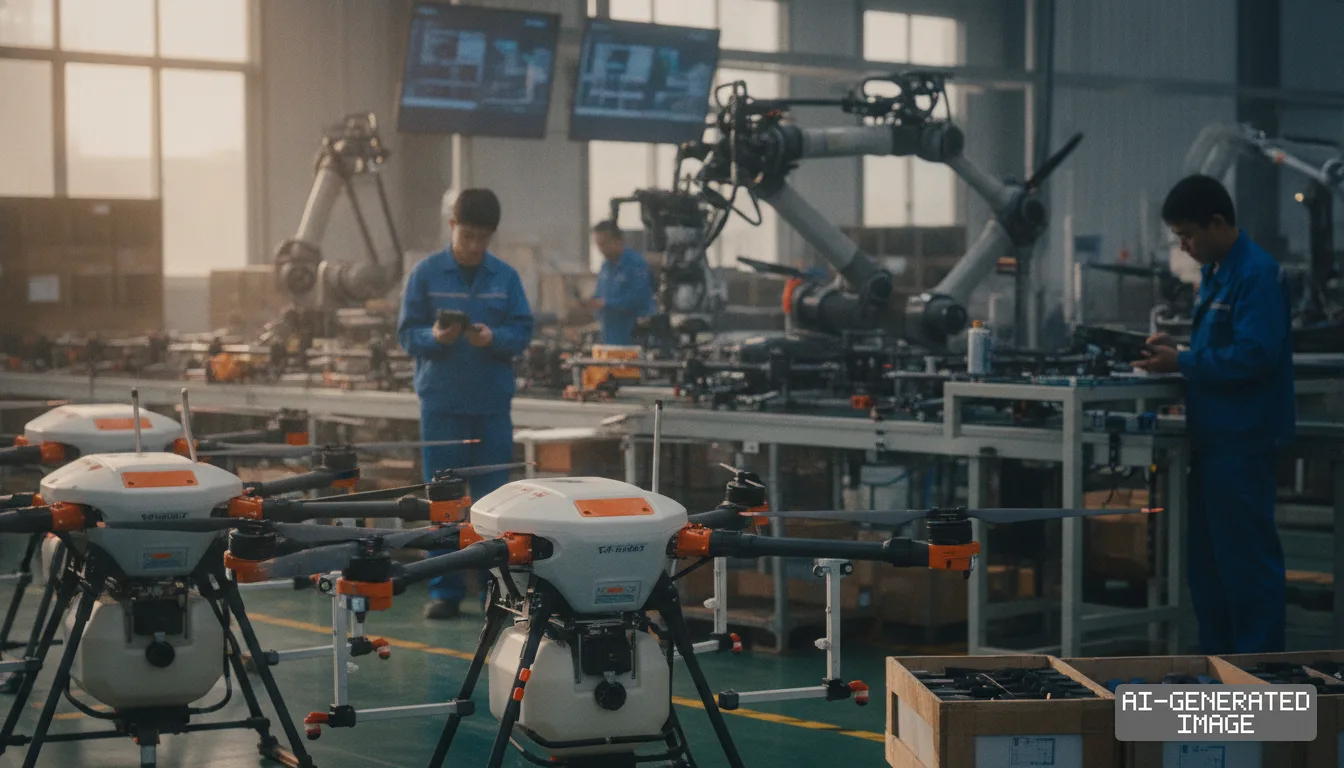
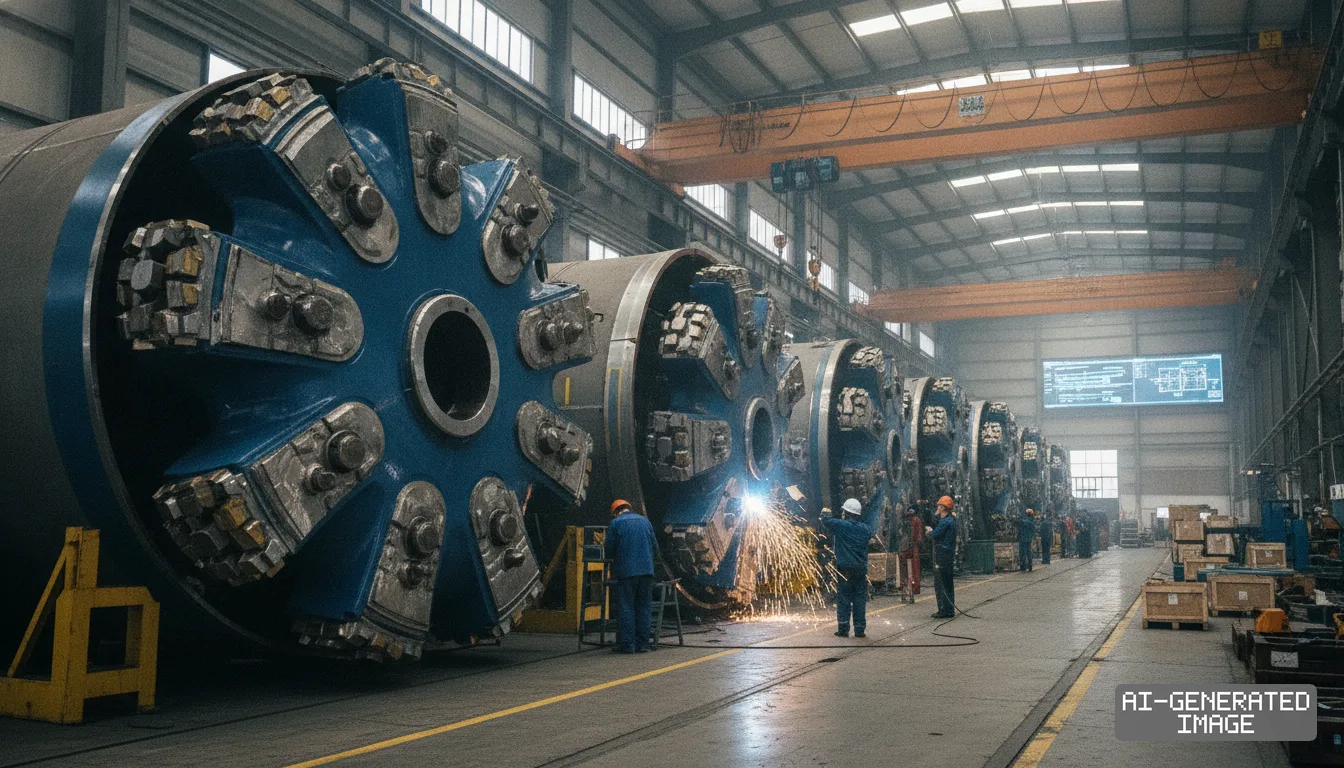
The equipment rules mirror earlier trade actions on heavy machinery. The commerce ministry introduced parallel export controls on full-face tunnel boring machines and all-terrain heavy walking excavators on the same day.
Beijing framed the intervention as an effort to protect national security and uphold non-proliferation responsibilities. The designated items possess dual-use traits that serve both civilian shipping lanes and naval basing infrastructure, ministry spokesperson He Yadong said.
Exporters must align their shipping documentation with the updated Dual-Use Items Export Control Catalogue before the Nov. 18, 2026 effective date. Uncertified shipments arriving at border ports on or after that date will be turned back.
The notice does not state whether existing offshore lease contracts for dredging gear operating outside Chinese waters require retroactive export approvals, and the ministry has not published standard application processing windows.
Impact map
How this development propagates across the region and out to global buyers.
| Event | Korea | China | Japan | Global impact |
|---|---|---|---|---|
| Dredging equipment export controls | Domestic marine builders see no equipment loss, rely on domestic and European components | CCCC Dredging and ZPMC must clear licensing hurdles for foreign component transfers | Marine contractors face reduced charter competition from Chinese-built equipment in regional tenders | Marine infrastructure developers face component lead-time extensions up to 12 weeks |
In this story
- Companies
- China Communications Construction CompanyShanghai Zhenhua Heavy Industries
- Tickers
- 601800.SS600320.SS
- Exposed
- BoskalisJan De Nul
- Policy
- Export Controls
- Impact
- Supply ChainComplianceCapex
Track every Export Controls development →
Related briefings
- SK hynix seeks US export clearance for Wuxi memory equipment Also on Export Controls, Compliance
- GraniteShares files ex-China critical minerals fund with SEC Also on Export Controls, Compliance
- China curbs exports of 40 AI, solar and biotech technologies Also on Export Controls, Compliance
- Malaysia links rare earth export permits to technology deals Also on Export Controls, Compliance
Sources
Primary documents
Reporting
Confidence: high — how we grade this
The documents behind this briefing are linked above. East Asia Brief produces its English text with AI assistance under human editorial review, and does not translate or republish other outlets' articles. See our methodology and AI policy. Spotted an error? Tell us.
The Morning Brief
What changed in Korean, Chinese and Japanese industry overnight — and what it means for your supply chain. One email, weekday mornings, US time. Free.
The Morning Brief is in preparation. Leave your address and we will write to you once — when the first issue is ready. Nothing before that.