Yasa Holding signs $160M gas carrier pact with HD Hyundai
The letter of intent covers two 45,000-cubic-meter dual-fuel gas carriers for delivery in early 2029, marking the Turkish owner's LPG entry.
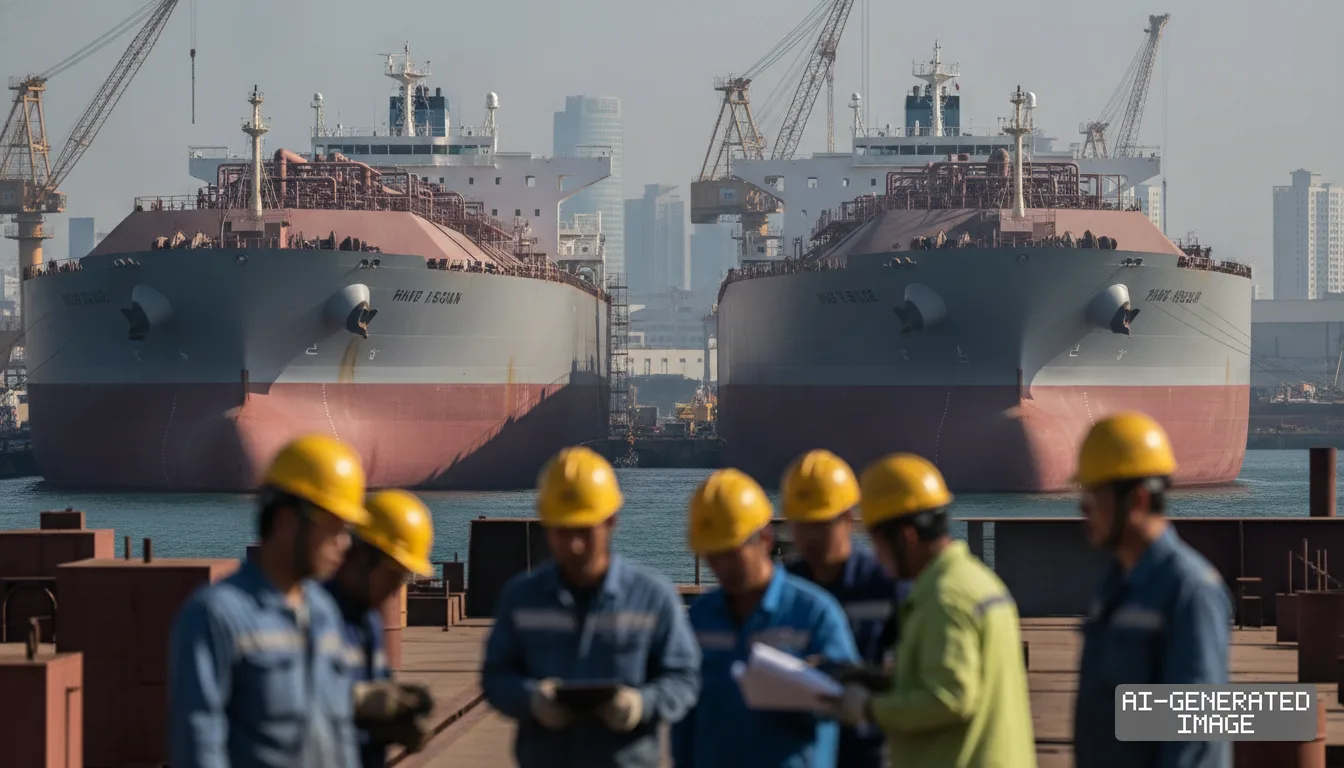
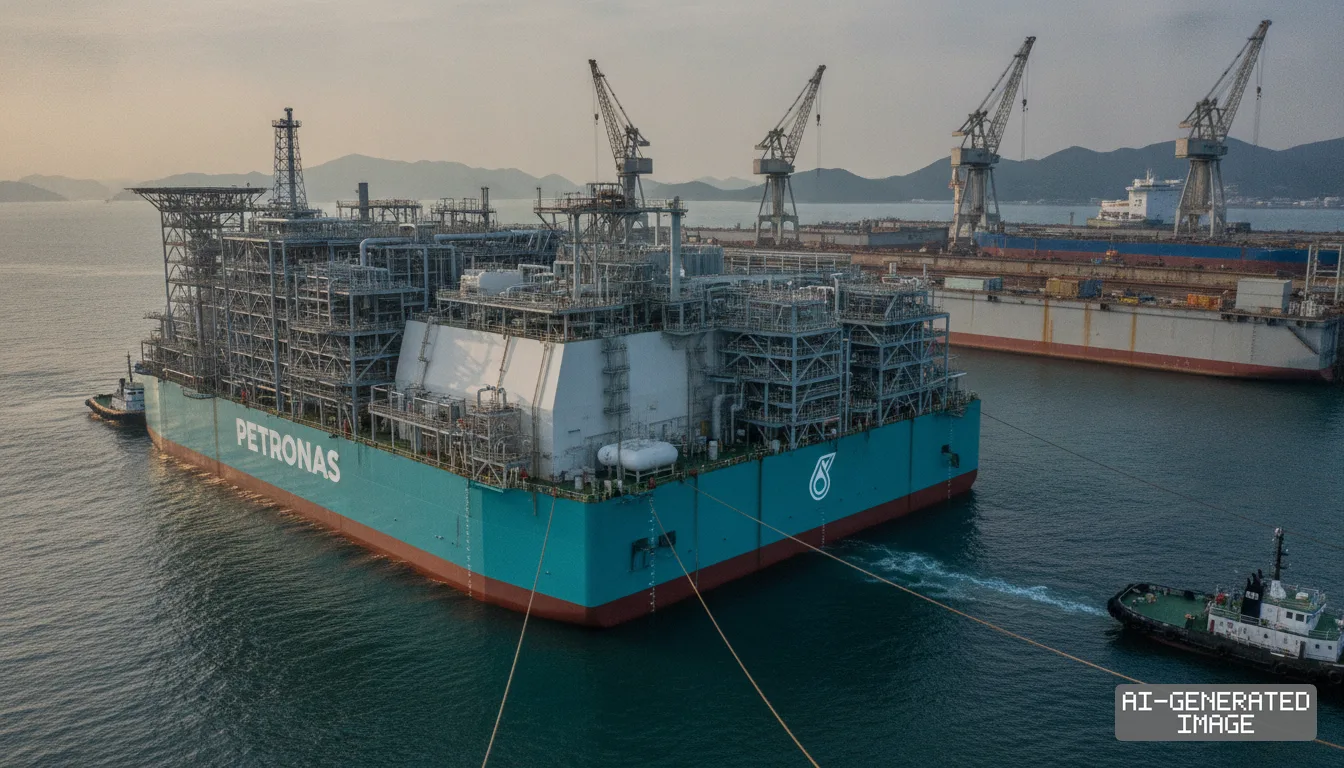
Turkish shipowner Yasa Holding signed a letter of intent on Nov. 25, 2026 to build two dual-fuel midsize liquefied petroleum gas carriers at South Korea’s HD Hyundai.
The preliminary agreement covers two 45,000-cubic-meter vessels valued at approximately $80 million each. Total contract value reaches about $160 million.
Delivery of the two vessels is scheduled for the first quarter of 2029. The timeline reflects tight berth availability across major South Korean shipyards through 2028.
The commitment marks the first entry into the liquefied gas shipping sector for Yasa Holding. The Istanbul-based company currently operates a fleet of 66 commercial vessels.
Yasa Holding controls 42 dry bulk carriers totaling more than 3 million deadweight tonnes. The shipping company also operates 24 crude oil and product tankers totaling 2.4 million deadweight tonnes.
The company has concentrated prior fleet expansion in the bulk and tanker segments. It maintains 12 firm newbuilding contracts and four optional slots across several Chinese shipyards.
Those pending orders include four very large crude carriers and four Suezmax tankers in China. The owner also booked its first four container feeder ships at Jinglu Shipyard this year.
Ordering midsize gas carriers allows Yasa Holding to diversify into industrial gas logistics. Expanding seaborne trade in liquefied petroleum gas and ammonia is creating sustained demand for flexible vessels.
Midsize gas carriers typically range from 40,000 to 50,000 cubic meters in cargo capacity. The segment bridges regional trade routes between shallow-draft import terminals and large export hubs.
Very large gas carriers exceeding 88,000 cubic meters handle long-distance voyages from the United States and the Middle East. Midsize carriers redistribute those volumes to smaller coastal receiving facilities.
The new ships will carry independent cargo tanks engineered to hold refrigerated cargo at minus 50 degrees Celsius. The containment design accommodates commercial propane, butane and chemical ammonia cargoes.
Both vessels will feature dual-fuel propulsion machinery capable of burning liquefied petroleum gas. Using LPG fuel reduces carbon dioxide emissions by roughly 20% compared to standard heavy fuel oil.
The engines also eliminate sulfur oxide emissions and lower nitrogen oxide output without exhaust scrubbers. Ship operators increasingly select dual-fuel systems to satisfy International Maritime Organization decarbonization benchmarks.
For HD Hyundai, the transaction adds to an extensive orderbook dominated by high-specification gas tonnage. Group holding firm HD Korea Shipbuilding & Offshore Engineering has sustained elevated contracting volumes throughout 2026.
HD Korea Shipbuilding & Offshore Engineering has secured 201 vessel orders valued at $22.13 billion this year. That intake accounts for 94.9% of the shipbuilder's annual target of $23.31 billion.
Gas carrier contracts represent 68 of those 201 vessels across group yards. The portfolio includes liquefied petroleum gas, liquefied natural gas, ammonia and liquefied carbon dioxide carriers.
HD Hyundai Mipo has historically constructed the majority of the group's midsize gas carriers. The Ulsan shipyard holds extensive engineering experience in installing specialized Type A prismatic gas tanks.
HD Hyundai Samho and HD Hyundai Heavy Industries focus primarily on very large gas carriers. The group allocates specific hull designs depending on dock dimensions and series production schedules.
The negotiated price of $80 million per vessel demonstrates firm newbuilding prices in South Korea. Shipbuilders have raised contract quotes as dock slots fill through the end of the decade.
South Korean shipbuilders have avoided low-margin bulk vessels to focus on premium gas and container tonnage. This disciplined commercial approach has kept newbuilding prices at multi-year highs across Asian yards.
The letter of intent serves as a preliminary accord before binding contract execution. The agreement establishes price, principal technical parameters and targeted delivery dates between the buyer and builder.
Converting the commitment into a firm order will require finalized technical specifications and refund guarantee arrangements. Commercial banks provide refund guarantees to secure owner progress payments during construction.
HD Hyundai and Yasa Holding have not published regulatory filings or formal statements confirming the agreement, and HD Hyundai has not disclosed which subsidiary shipyard will build the vessels.
South Korean securities rules do not require exchange filings for non-binding letters of intent. HD Korea Shipbuilding & Offshore Engineering publishes regulatory filings only after executing definitive shipbuilding contracts.
Separately, HD Korea Shipbuilding & Offshore Engineering announced a firm contract Nov. 23 for two large gas carriers worth 308.4 billion won ($228.6 million).
Those two vessels will be built by HD Hyundai Samho for delivery in June 2030 to an Asian shipowner. That transaction remains entirely distinct from the Yasa Holding negotiations.
Shipyard managers anticipate formal contract execution in early 2027 to protect scheduled dock slots. Detailed engineering work will begin approximately 14 months prior to first vessel delivery.
Impact map
How this development propagates across the region and out to global buyers.
| Event | Korea | China | Japan | Global impact |
|---|---|---|---|---|
| Yasa Holding dual-fuel LPG carrier LOI | HD Hyundai reserves $160 million in high-margin midsize gas berths for early 2029 | Chinese yards see existing client Yasa divert gas investment to South Korea | Japanese gas shipowners face firm slot pricing for regional tonnage renewals | Midsize dual-fuel gas fleet expands to handle regional LPG and ammonia logistics |
| Yasa Holding dual-fuel LPG carrier LOI | HD Hyundai reserves | — | — | — |
| Yasa Holding dual-fuel LPG carrier LOI | HD Hyundai reserves $160 million in high-margin midsize gas berths for early 2029 | Chinese yards see existing client Yasa divert gas investment to South Korea | Japanese gas shipowners face firm slot pricing for regional tonnage renewals | Midsize dual-fuel gas fleet expands to handle regional LPG and ammonia logistics |
In this story
- Companies
- HD Korea Shipbuilding & Offshore EngineeringYasa Holding
- Tickers
- 009540.KS
- Exposed
- HD Hyundai MipoHD Hyundai SamhoHD Hyundai Heavy Industries
- Impact
- Order BookCapex
Related briefings
- HD Hyundai Marine Engine inks WinGD pact for dual-fuel units Also on HD Hyundai Mipo, HD Hyundai Samho, HD Hyundai Heavy Industries
- HD Hyundai cuts steel for Philippine frigate ahead of 2029 Also on HD Hyundai Mipo, HD Hyundai Heavy Industries, Order Book
- Guangzhou Shipyard lands $1 billion dual-fuel car carrier order from Ray Also on HD Hyundai Mipo, HD Hyundai Heavy Industries, Order Book
- HD Hyundai Heavy union votes down wage deal, reopening talks Also on HD Hyundai Mipo, HD Hyundai Heavy Industries, Order Book
Sources
Reporting
Confidence: high — how we grade this
The documents behind this briefing are linked above. East Asia Brief produces its English text with AI assistance under human editorial review, and does not translate or republish other outlets' articles. See our methodology and AI policy. Spotted an error? Tell us.
The Morning Brief
What changed in Korean, Chinese and Japanese industry overnight — and what it means for your supply chain. One email, weekday mornings, US time. Free.
The Morning Brief is in preparation. Leave your address and we will write to you once — when the first issue is ready. Nothing before that.