Korea directs 464 billion won to deploy uncrewed ships by 2032
The seven-year initiative aligns HD Hyundai, Samsung and Hanwha to build marine artificial intelligence and vessel automation ahead of mandatory IMO standards.
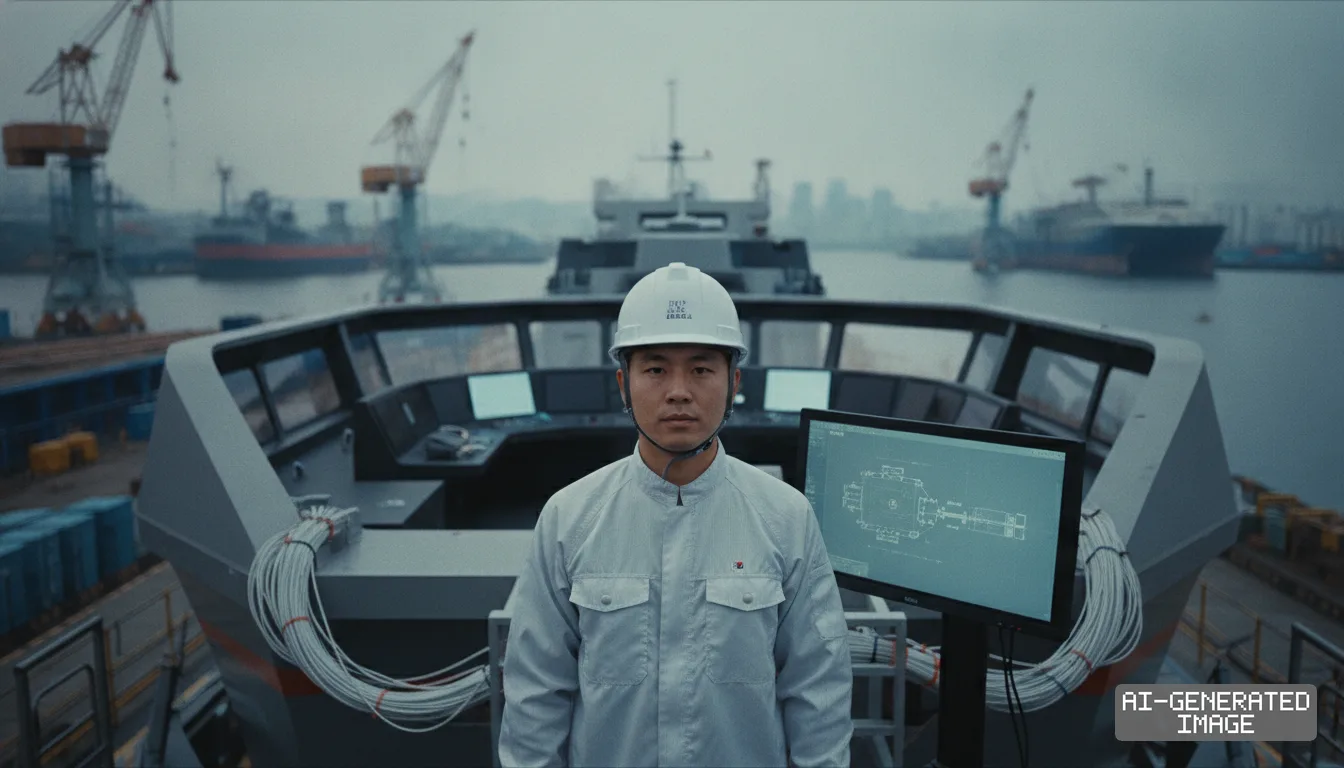
South Korea's Ministry of Trade, Industry and Energy aligned program timelines on Nov. 27 to commercialize fully autonomous uncrewed vessels by 2032, directing 464 billion won ($334 million) toward marine artificial intelligence.
The initiative coordinates maritime software, satellite communications and vessel automation across South Korea's three major shipyards. The policy targets severe crew shortages on ocean-going fleets and aims to prevent cargo bottlenecks across transpacific corridors.
State funding covers seven years of development through 2032. The allocation represents roughly a third of planned public-private digital shipyard spending and targets International Maritime Organization (IMO) Level 4 autonomy, where vessels navigate without onboard crew.
The government expects the global autonomous surface vessel market to expand to $180.5 billion by 2032 and $200 billion by 2035. Seoul aims to secure a leading 50% share of high-autonomy ship orders by the middle of the next decade.
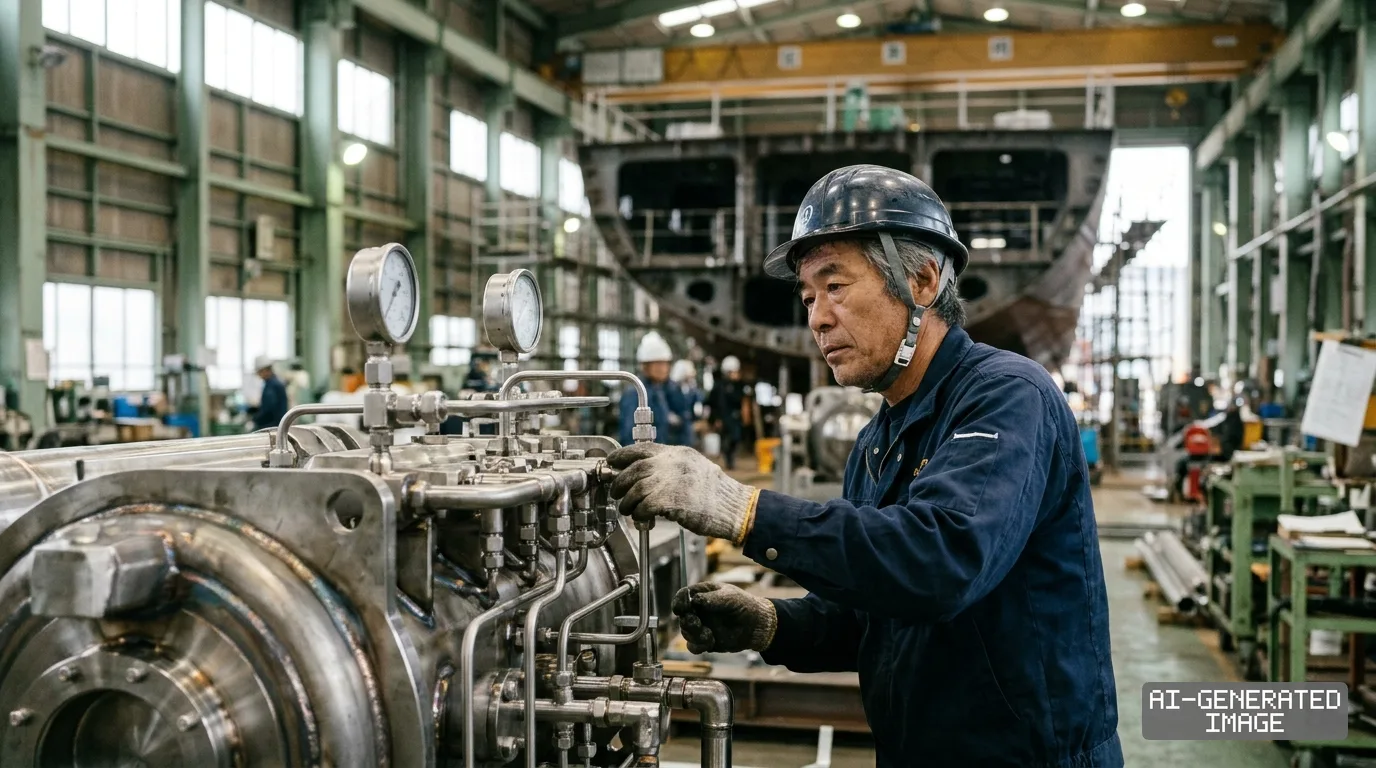
HD Korea Shipbuilding & Offshore Engineering is channeling automation hardware through its specialized navigation subsidiary, Avikus. Avikus holds commercial orders to equip over 500 commercial vessels with its HiNAS situational-awareness software.
Flagship container carrier HMM contracted Avikus to install Level 2 navigation packages on 40 container vessels. Hyundai Glovis also deployed the system across seven specialized vehicle carriers, helping Avikus target 200 billion won ($144 million) in annual revenue.
Samsung Heavy Industries completed a 10,000-kilometer uncrewed transpacific test on a 15,000-twenty-foot-equivalent-unit (TEU) container vessel. Its proprietary Samsung Autonomous Ship (SAS) platform executed 224 automated course adjustments without human intervention during the transit.
Hanwha Ocean is testing its HS4 autonomous navigation package on commercial cargo vessels while transferring algorithms to defense programs. The shipbuilder partnered with US-based HavocAI to develop 200-foot autonomous surface vessels for naval surveillance and mine countermeasures.
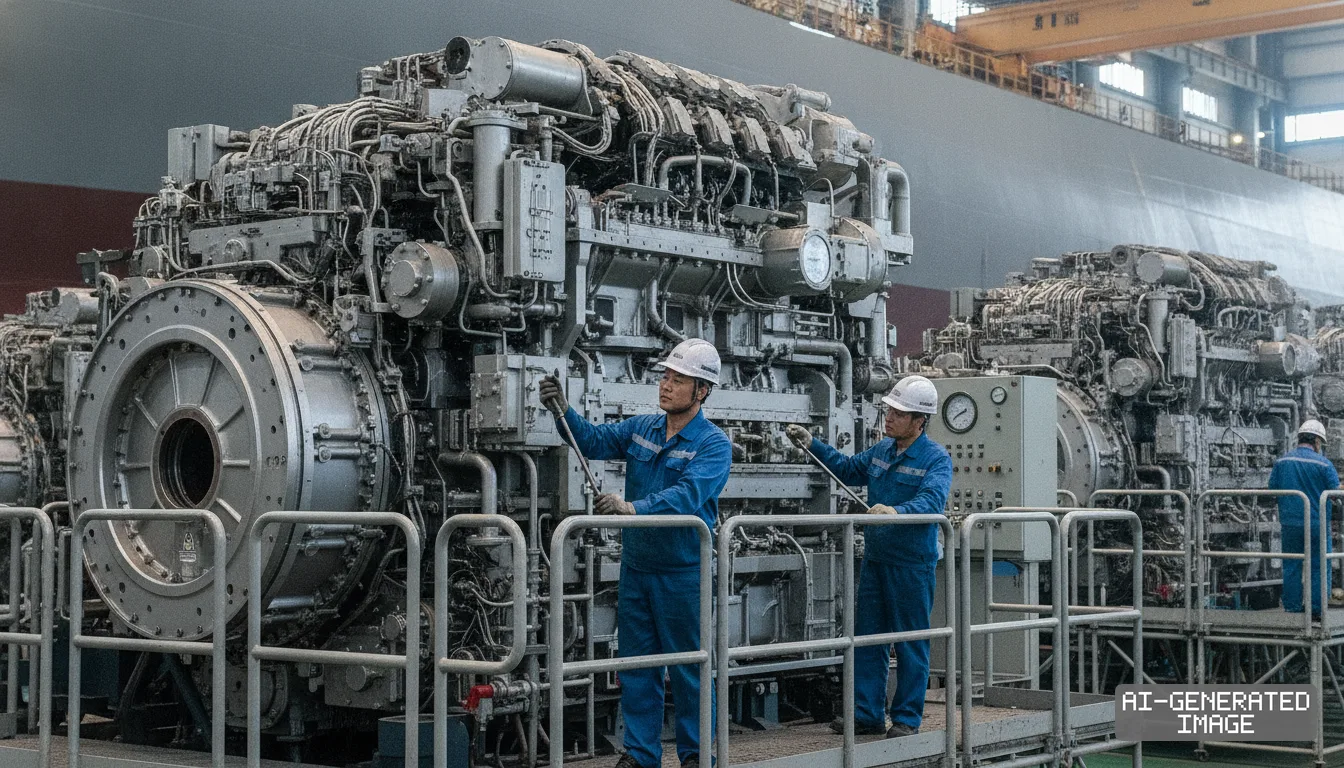
Marine equipment manufacturers face rigorous qualification hurdles to integrate hardware with autonomous bridge software. Engine builders such as Hanwha Engine are installing digital twin monitoring modules that stream real-time machinery vibration data directly to onshore monitoring stations.
Component reliability dictates whether uncrewed hulls can legally operate in international shipping lanes. The Korea Marine Equipment Research Institute is investing 20 billion won ($14.4 million) through 2028 to build an integrated test platform for smart ship components.
The legal framework rests on South Korea's Act on Promotion of the Development and Commercialization of Autonomous Ships, which took effect in January 2025. The statute grants regulatory exemptions from mandatory seafarer staffing quotas inside designated coastal proving zones.
Ulsan port established the country's first autonomous navigation testing zone under the act. The maritime ministry plans to evaluate operational safety metrics in these waters beginning in 2027 to prepare national certification protocols.
South Korean yards rely heavily on European suppliers for critical navigational radars and gyrocompasses. State funding subsidizes domestic sensor developers to raise the domestic production ratio of Level 4 navigation gear from 30% to over 70% by 2030.
The technological roadmap directly mirrors the IMO legislative calendar. The international body intends to adopt the mandatory Maritime Autonomous Surface Ships (MASS) Code on Jan. 1, 2032, requiring standardized cyber resilience and remote takeover fail-safes.
The administrative framework sets strict performance deadlines for shipyards seeking state research subsidies. The ministry notice does not state whether foreign vessel operators qualifying under coastal cabotage waivers can access matching development grants.
Government records for Nov. 27 show no newly gazetted ministerial decree or separate cabinet enactment modifying the statutory roadmap, which remains governed by the joint October framework.
Impact map
How this development propagates across the region and out to global buyers.
| Event | Korea | China | Japan | Global impact |
|---|---|---|---|---|
| Korea 2032 autonomous ship roadmap | Shipbuilders secure 464 billion won R&D backstop to lift sensor localization to 70% | State shipyards accelerate uncrewed bulk trials in Zhuhai test waters | ClassNK and domestic yards expand automated coastal container feeder tests | Commercial lines prepare fleet procurement against the mandatory Jan. 1, 2032 IMO MASS Code |
In this story
- Companies
- HD Korea Shipbuilding & Offshore EngineeringSamsung Heavy IndustriesHanwha Ocean
- Tickers
- 009540.KS010140.KS042660.KS
- Exposed
- HMMHanwha Engine
- Policy
- StandardsSubsidies
- Impact
- Order BookCapexSupply Chain
Track every Standards development → Track every Subsidies development →
Related briefings
- Hanwha Engine signs $99M engine order with Samsung Heavy Also on Hanwha Engine, Samsung Heavy Industries, Hanwha Ocean
- HD Hyundai Marine Engine wins $26.6m Samsung Heavy supply contract Also on Hanwha Engine, Samsung Heavy Industries, Order Book
- South Korea engine builders expand methanol test benches for 2027 ship handoffs Also on Hanwha Engine, Subsidies, Order Book
- HD Hyundai and Hanwha win China dual-fuel engine contracts Also on Hanwha Engine, Subsidies, Order Book
Sources
Primary documents
Reporting
Confidence: high — how we grade this
The documents behind this briefing are linked above. East Asia Brief produces its English text with AI assistance under human editorial review, and does not translate or republish other outlets' articles. See our methodology and AI policy. Spotted an error? Tell us.
The Morning Brief
What changed in Korean, Chinese and Japanese industry overnight — and what it means for your supply chain. One email, weekday mornings, US time. Free.
The Morning Brief is in preparation. Leave your address and we will write to you once — when the first issue is ready. Nothing before that.