US and Japan coordinate on yttrium to counter China chip bottleneck
Bilateral talks target alternative refining and recycling channels after Chinese export curbs sent high-purity oxide prices from $6 to $850 a kilogram.
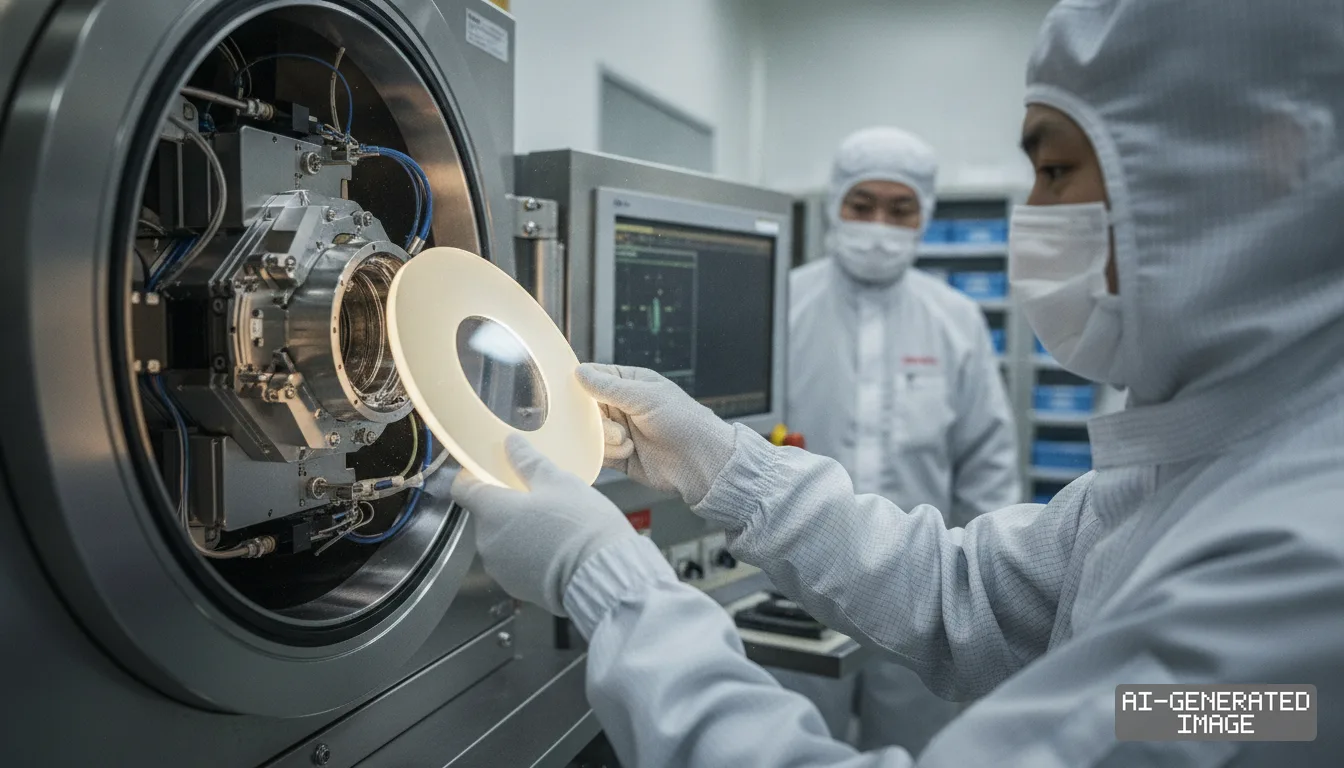
The United States and Japan advanced bilateral coordination on Sept. 25 to establish alternative yttrium supply channels, countering Chinese export controls that disrupted critical semiconductor materials.
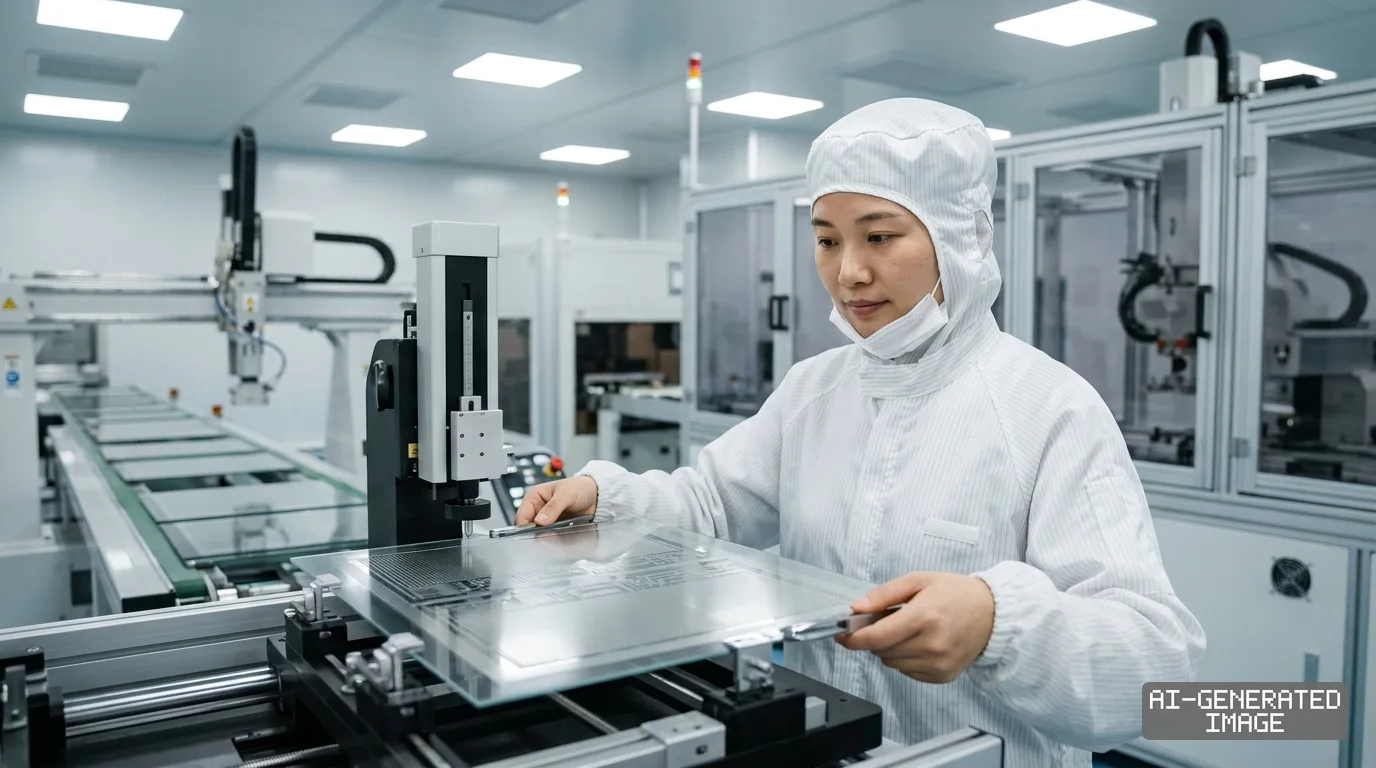
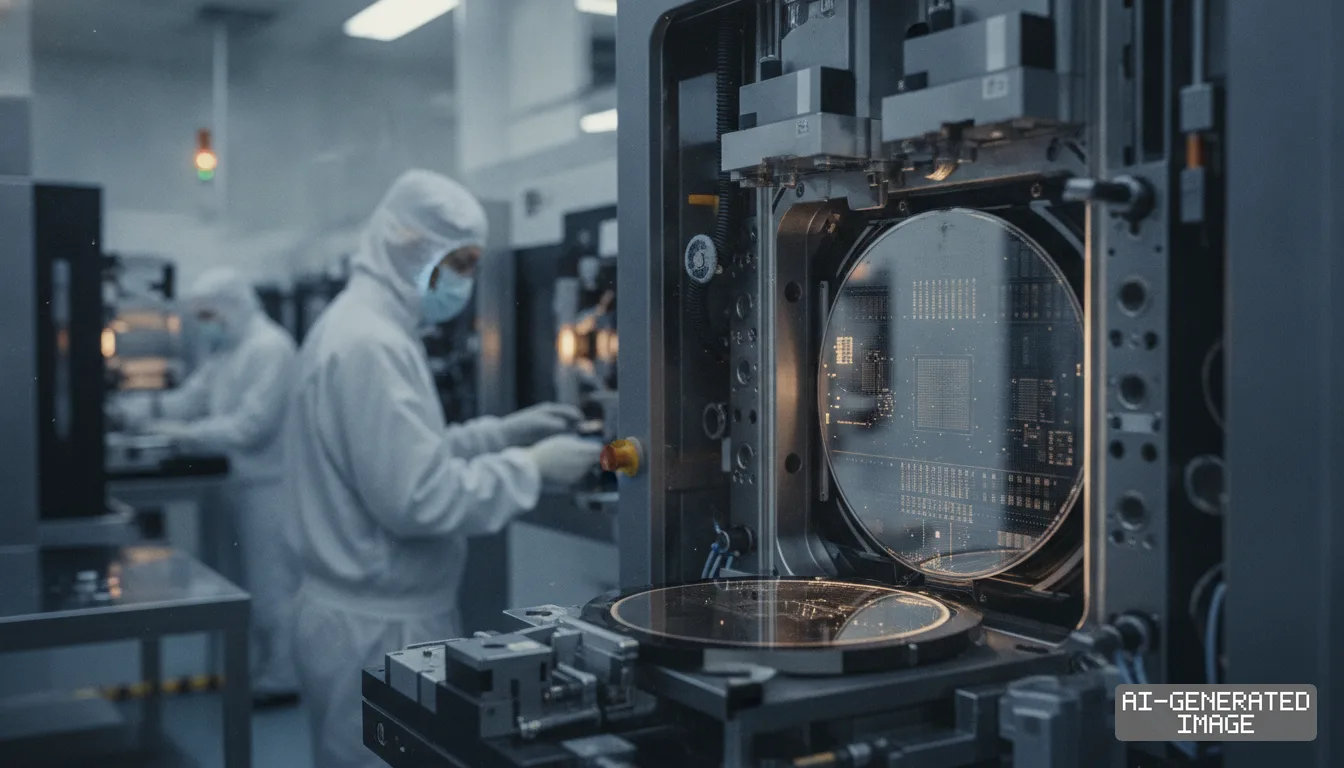
The effort targets yttrium — a heavy rare earth element used to coat semiconductor etch chambers against corrosive plasma erosion — where China controls global refining output.
Japan saw its yttrium oxide imports plunge 74% year-on-year in the first half of 2026 to 204 metric tons, according to Ministry of Finance trade statistics.
The United States maintains a 100% net import reliance on foreign yttrium sources, according to data from the U.S. Geological Survey.
Direct imports from China account for roughly 70% of U.S. yttrium consumption, while total exposure reaches 93% through intermediate processed compounds.
Prices for 5N and 6N high-purity yttrium oxide surged from $6 a kilogram before export controls to a peak of $850 a kilogram in 2026.
That 140-fold price surge hit semiconductor equipment manufacturers that require ultra-dense yttrium coatings to prevent contamination during silicon wafer processing.
The bilateral initiative follows an emailed invitation issued by the U.S. Department of Energy to Japan's Ministry of Economy, Trade and Industry and industry executives.
The document convened a closed-door summit held Sept. 10 to address persistent bottlenecks in permanent magnets and yttrium supply lines.
The session focused on expanding refining capacity and building recycling facilities outside Chinese jurisdiction, according to people familiar with the invitation.
Chinese trade authorities curbed supply on April 4, 2025, when the Ministry of Commerce and the General Administration of Customs issued Announcement No. 18.
The decree placed export licensing restrictions on yttrium oxides, chemical compounds and alloys alongside samarium and dysprosium.
Shipments slowed immediately as Chinese customs authorities scrutinized end-user declarations from foreign chipmaking and defense suppliers.
Subsequent diplomatic arrangements failed to restore market flows for the specialty ceramic feedstocks.
A one-year bilateral export control truce that took effect Nov. 10, 2025 under China's Announcement No. 70 omitted yttrium from its tariff relief schedule.
Excluding the mineral preserved Beijing's regulatory leverage over global semiconductor packaging and fabrication facilities.
Japanese materials manufacturers have begun deploying domestic capital to rebuild local heavy rare earth separation capacity.
Shin-Etsu Chemical approved a 35 billion yen ($240 million) investment on June 10, 2026 to build a rare earth separation and refining plant in Fukui Prefecture.
The facility represents the company's first domestic rare earth processing expansion in 18 years, targeting electronic materials and specialty compounds.
Japan's Ministry of Economy, Trade and Industry agreed to fund approximately 17.5 billion yen ($120 million) of the project, covering 50% of the total capital outlay.
The facility aims to process feedstock from allied mining ventures and extract recycled oxides from spent semiconductor chamber components.
U.S. defense and chipmakers remain vulnerable to supply interruptions because domestic separation capacity for heavy rare earths remains undeveloped.
Commercial etching chambers used in leading-edge logic fabrication require yttria spray coatings every few hundred process hours to maintain yields.
A prolonged feedstock freeze threatens production lines at advanced wafer fabs across North America, Japan and Europe.
The Department of Energy and METI have not published a joint statement or disclosed the commercial terms agreed upon during the closed-door proceedings.
Industrial buyers face ongoing licensing delays under Announcement No. 18, with Chinese customs reviewing individual yttrium cargo applications on indefinite timelines.
Impact map
How this development propagates across the region and out to global buyers.
| Event | Korea | China | Japan | Global impact |
|---|---|---|---|---|
| Chinese yttrium export curbs | Samsung and SK hynix face rising chamber component costs as 5N yttrium oxide hits $850 a kilogram | MOFCOM maintains licensing leverage under Announcement No. 18 while processing domestic alloy demand | Shin-Etsu Chemical commits 35 billion yen to Fukui refinery backed by 17.5 billion yen METI subsidy | U.S. fabs face 100% net import exposure as chip etch chamber coating lead times double |
In this story
- Companies
- Shin-Etsu Chemical
- Tickers
- 4063.T
- Policy
- Export ControlsSubsidies
- Impact
- Supply ChainPricingCapex
Track every Export Controls development → Track every Subsidies development →
Related briefings
- China mandates digital tracking codes for heavy rare earth shipments to tighten export control Also on Shin-Etsu Chemical, Export Controls, Pricing
- Japan tenders economic security subsidies for synthetic graphite anode substitutes Also on Shin-Etsu Chemical, Export Controls
- China expands 300mm silicon wafer capacity to cut reliance on Japanese suppliers Also on Shin-Etsu Chemical, Pricing
- Tesla drops rare earths in Cybercab motor to cut China risk Also on Shin-Etsu Chemical, Export Controls
Sources
Primary documents
Reporting
Confidence: high — how we grade this
The documents behind this briefing are linked above. East Asia Brief produces its English text with AI assistance under human editorial review, and does not translate or republish other outlets' articles. See our methodology and AI policy. Spotted an error? Tell us.
The Morning Brief
What changed in Korean, Chinese and Japanese industry overnight — and what it means for your supply chain. One email, weekday mornings, US time. Free.
The Morning Brief is in preparation. Leave your address and we will write to you once — when the first issue is ready. Nothing before that.