China curbs rare earth exports to Japan under dual-use military rules
Extended customs holds on dysprosium leave magnet suppliers Shin-Etsu and Proterial short of heavy oxides as monthly magnet shipments fall 25% to 171 tonnes.
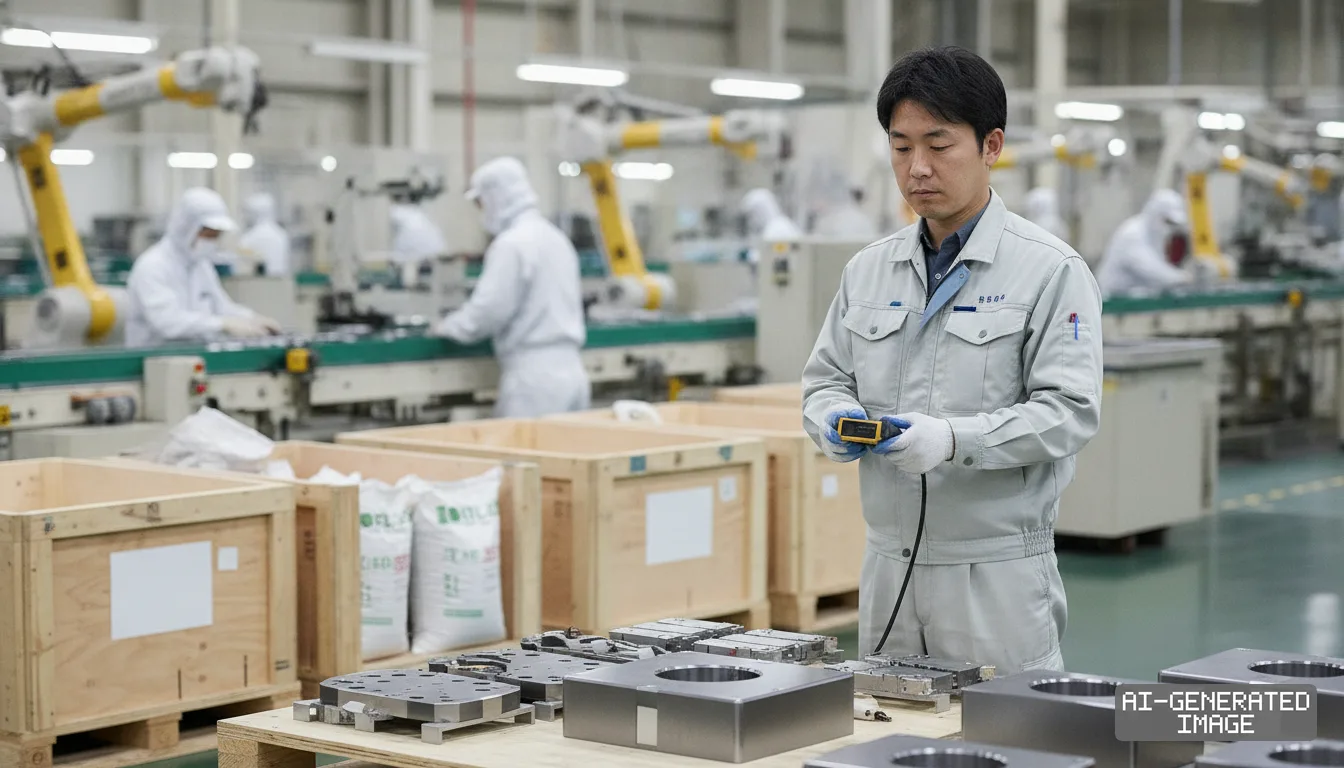
Chinese customs authorities extended clearance holds on rare earth shipments to Japan on Nov. 5, 2026, leaving Japanese magnet manufacturers without fresh dysprosium and terbium deliveries.
The border inspections stem from dual-use export curbs enacted earlier this year, according to trade notices from China's Ministry of Commerce. Under those rules, shipments face scrutiny for potential military end-use.
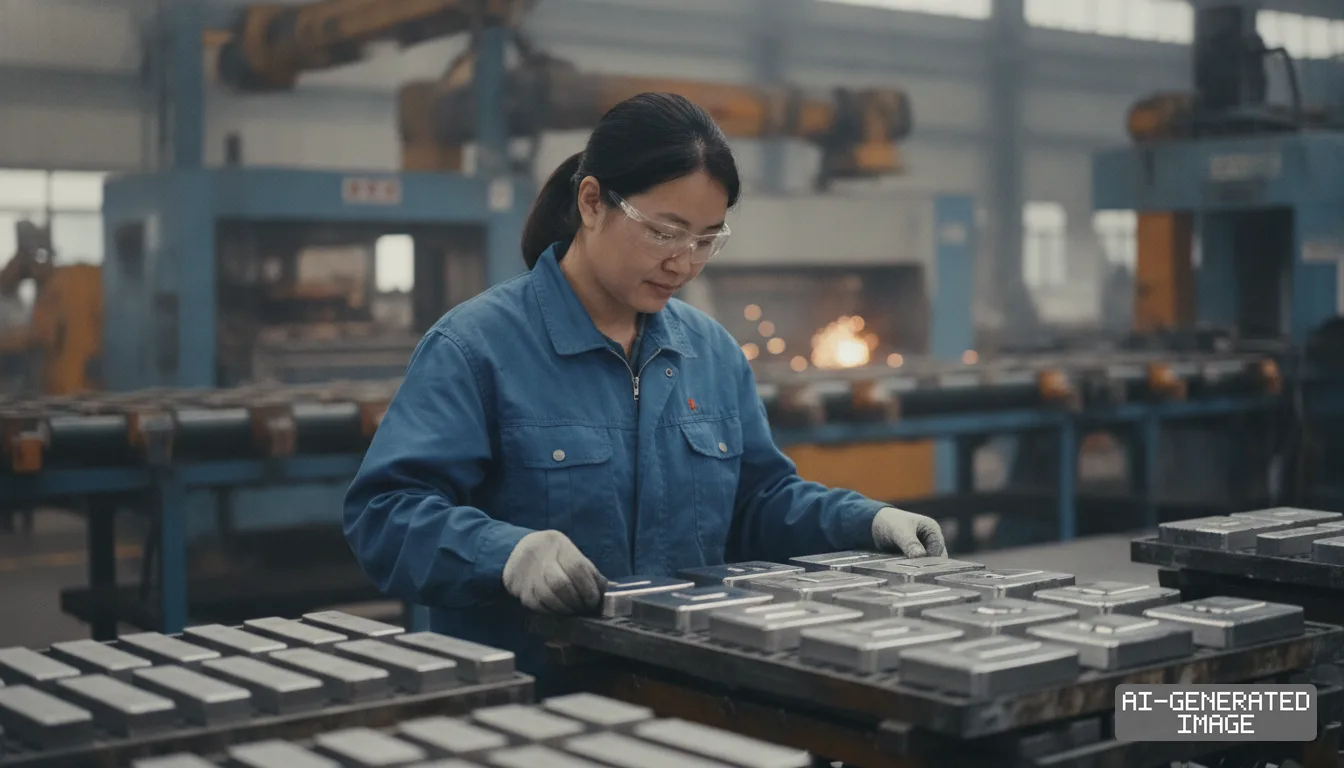
China shipped 171 tonnes of rare earth permanent magnets to Japan in September, down 25% from a year earlier, according to Chinese customs data. The monthly figure marked the second drop below 200 tonnes in three months.
Shipments of separated heavy rare earth oxides fell even faster. Chinese customs registered zero exports of dysprosium oxide and terbium oxide to Japan from November through May, maintaining negligible flows through the summer.
Heavy rare earths provide thermal stability in sintered neodymium magnets. Those magnets power traction motors in electric vehicles and servos in factory automation equipment.
China controls roughly 90% of global heavy rare earth separation capacity and 85% of refined magnet-material processing. Japan relies on Chinese refineries for approximately 60% of its overall rare earth imports and nearly all its heavy rare earth feedstock.
The legal framework behind the inspections took effect on Jan. 6, 2026. Ministry of Commerce Announcement No. 1 prohibited dual-use transfers to Japanese entities linked to military development.
Enforcement expanded in late February, when Beijing placed 20 Japanese entities on an export control blacklist and 20 others on a watch list. Listed firms lost access to general export licences and must submit detailed end-use declarations.
Customs officials added formal inspection hurdles under Announcement No. 52, published jointly by the commerce ministry and customs authorities on Oct. 19. That notice directs border posts to hold cargo while verifying technical specifications and end-users.
The resulting bottlenecks now disrupt operations across Japan's permanent magnet sector. Japanese suppliers produce high-grade magnets for hybrid and electric vehicle drive units globally.
Shin-Etsu Chemical stopped accepting new commercial orders for magnets requiring dysprosium, a customer representative said. The company manufactures neodymium magnets at its Takefu plant in Fukui prefecture.
Proterial, formerly Hitachi Metals, received no export licences for Chinese dysprosium through the summer, according to industry disclosures. The magnet producer continues to draw from existing stockpiles at its domestic facilities.
Automakers face upstream supply friction as magnet inventories shrink. Subaru was placed on China's export control watch list on Feb. 24, requiring individual licence reviews for every dual-use mineral input.
Automotive procurement leads have begun testing magnet formulas that lower dysprosium content. Removing heavy rare earths entirely reduces heat resistance, limiting motor performance under high loads.
The diplomatic friction driving the controls intensified following Japanese political statements regarding Taiwan late last year. Chinese trade officials then tied dual-use trade clearances to national security reviews.
Japanese trade officials have warned that mineral stockpiles cannot bridge extended supply halts indefinitely. Ministry of Economy, Trade and Industry officials held bilateral talks in Beijing earlier this year without securing a blanket clearance mechanism.
Alternative processing facilities outside China remain limited in scale. While light rare earth mining has expanded in Australia and the United States, heavy rare earth separation remains concentrated in southern Chinese provinces.
What happens next turns on an administrative deadline. A temporary suspension of China's broader October 2025 rare earth equipment and technical control rules expires on Nov. 10, 2026, under commerce ministry Announcement No. 70.
The Ministry of Commerce has not stated whether it will extend that suspension or allow the wider equipment and value-threshold curbs to take effect. Chinese customs has also not published port-by-port clearance volumes for October shipments.
Japanese magnet producers remain dependent on stored inventories as border inspections continue under Announcement No. 52.
Impact map
How this development propagates across the region and out to global buyers.
| Event | Korea | China | Japan | Global impact |
|---|---|---|---|---|
| China dual-use customs clearance holds on rare earths | POSCO International and domestic motor makers secure non-China light rare earths but face heavy rare earth pricing pressure | China Northern Rare Earth and southern state refiners retain domestic output while export revenue to Japan drops | Shin-Etsu Chemical halts dysprosium-grade orders, Proterial burns inventory, Subaru faces individual licence screening | Automotive traction motor costs rise 8-12% on tight heavy rare earth alloy supply |
In this story
- Companies
- Shin-Etsu ChemicalProterialSubaru
- Tickers
- 4063.T7270.T
- Policy
- Export Controls
- Impact
- Supply ChainPricing
Track every Export Controls development →
Related briefings
- China curbs Japan dual-use exports citing military buildup Also on Subaru, Export Controls
- Philippines seeks zero Japan tariffs on farm and tobacco goods Also on Subaru, Pricing
- Japan asks US for rare earth aid as China halts metal exports Also on Proterial, Shin-Etsu Chemical, Export Controls
- China Delays Rare Earth Export Controls in U.S. Trade Truce Also on Proterial, Shin-Etsu Chemical, Export Controls
Sources
Primary documents
Reporting
Confidence: high — how we grade this
The documents behind this briefing are linked above. East Asia Brief produces its English text with AI assistance under human editorial review, and does not translate or republish other outlets' articles. See our methodology and AI policy. Spotted an error? Tell us.
The Morning Brief
What changed in Korean, Chinese and Japanese industry overnight — and what it means for your supply chain. One email, weekday mornings, US time. Free.
The Morning Brief is in preparation. Leave your address and we will write to you once — when the first issue is ready. Nothing before that.