Japan revives rare earth refining to counter China curbs
October trade data showed Japanese buyers drew 65% of their permanent magnets from China, prompting domestic smelters to expand non-Chinese processing.
Japanese manufacturers accelerated independent rare earth refining and procurement initiatives on Nov. 22, 2026, countering Beijing's mineral export controls as fresh trade data showed persistent dependency on Chinese magnet supplies.
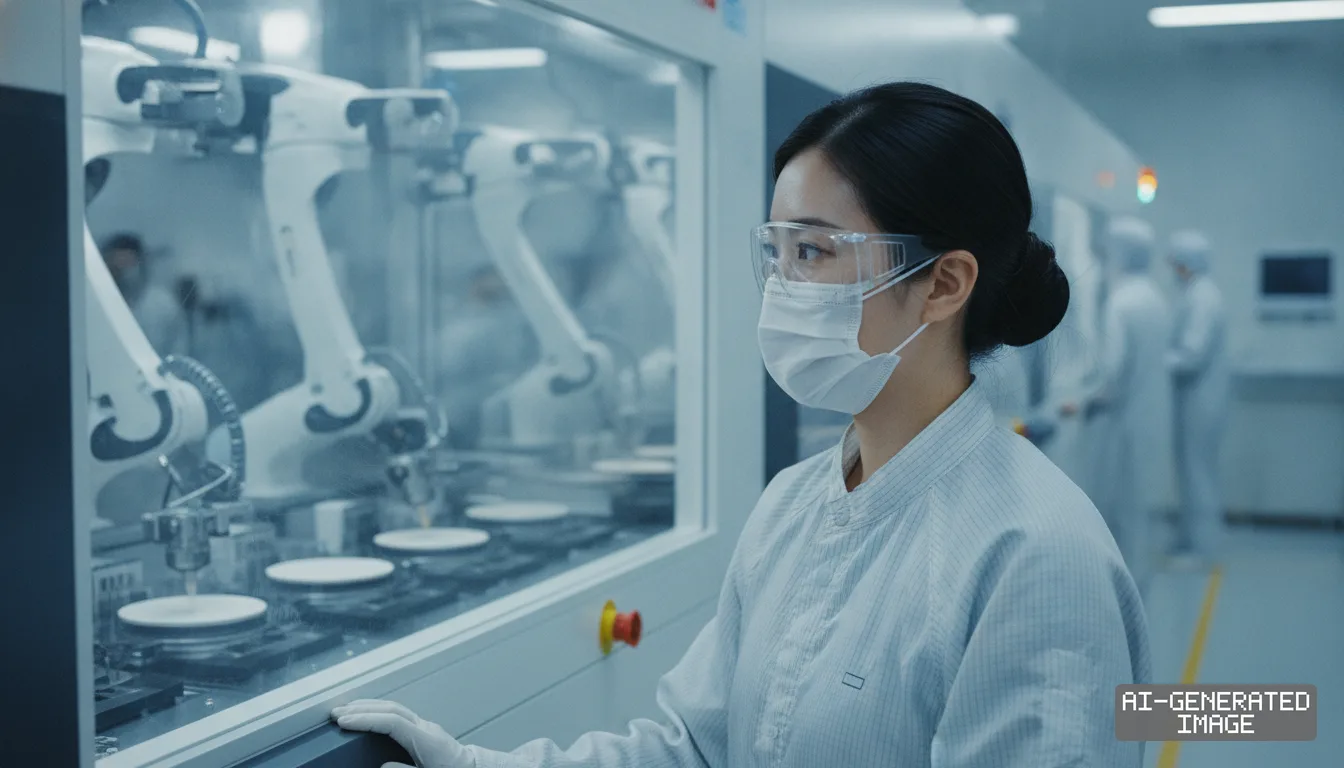
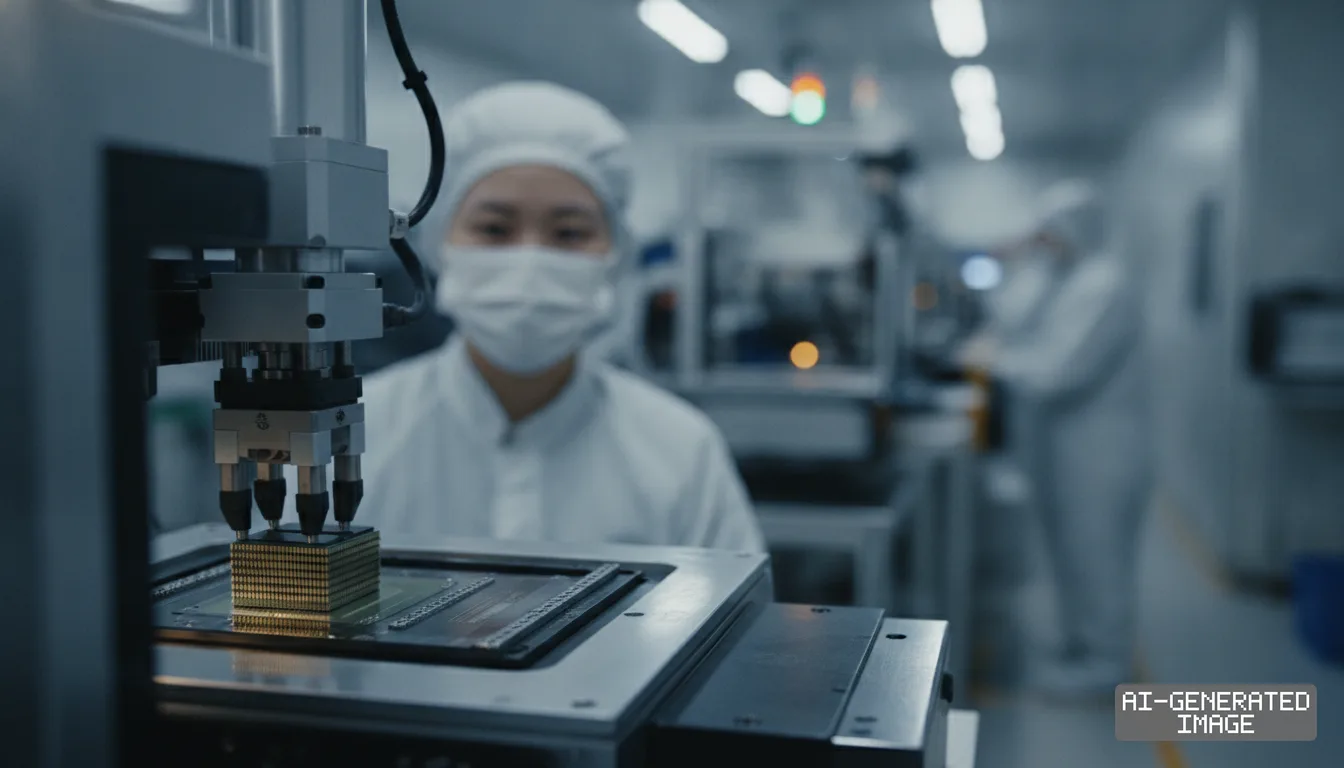
The effort targets permanent magnets used in hybrid vehicles, wind turbines and factory automation equipment. Japanese industrial groups are shifting smelting and separation steps back to domestic plants after decades of reliance on Chinese processors.
Customs figures released Nov. 22 showed Chinese exports of rare earth permanent magnets to Japan rose 25.1% month-on-month to 214.6 metric tons in October. The volume accounts for roughly 65% of Japan's monthly magnet imports.
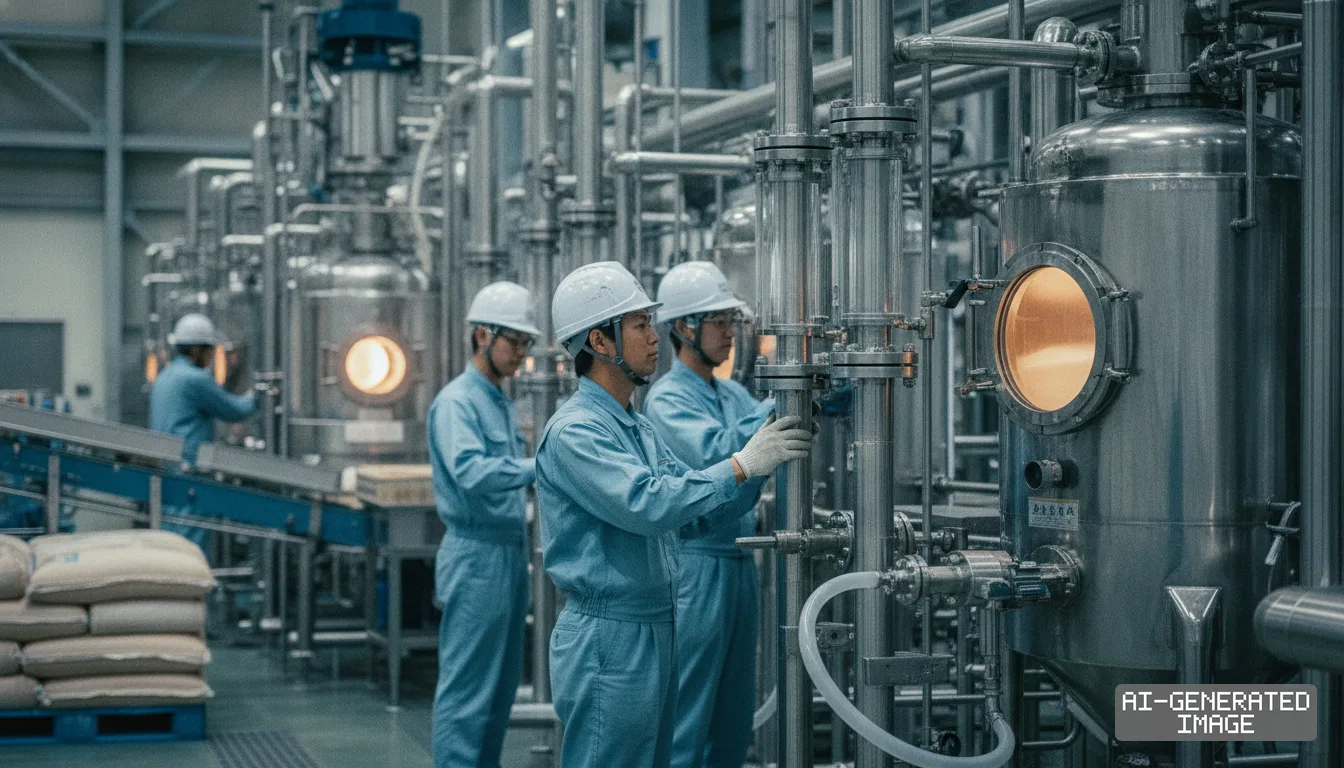
To eliminate this vulnerability, the Ministry of Economy, Trade and Industry approved a ¥17.5 billion ($115 million) grant for Shin-Etsu Chemical. The subsidy covers half of a ¥35 billion ($230 million) domestic smelting facility in Fukui Prefecture.
Shin-Etsu Chemical produces roughly 20% of the world's high-performance neodymium magnets. The Tokyo-based materials producer is establishing integrated separation and smelting operations to process unrefined ores directly at its Takefu industrial complex.
Under the Economic Security Promotion Act, trade officials designated rare earths as critical supplies requiring capital backing. The Fukui facility will separate light and heavy rare earth elements without using Chinese tolling contractors, ministry officials said.
Alloy specialist Santoku also secured state approval for domestic rare earth reduction capacity. Santoku supplies magnetic alloy ingots to major Japanese motor builders, providing roughly 15% of the alloy volume used in Japanese electric traction motors.
Trading house Sojitz Corporation is securing the upstream ore feedstocks needed to feed these domestic plants. The trading group expanded its supply agreement with Australia's Lynas Rare Earths through their joint venture, Japan Australia Rare Earth.
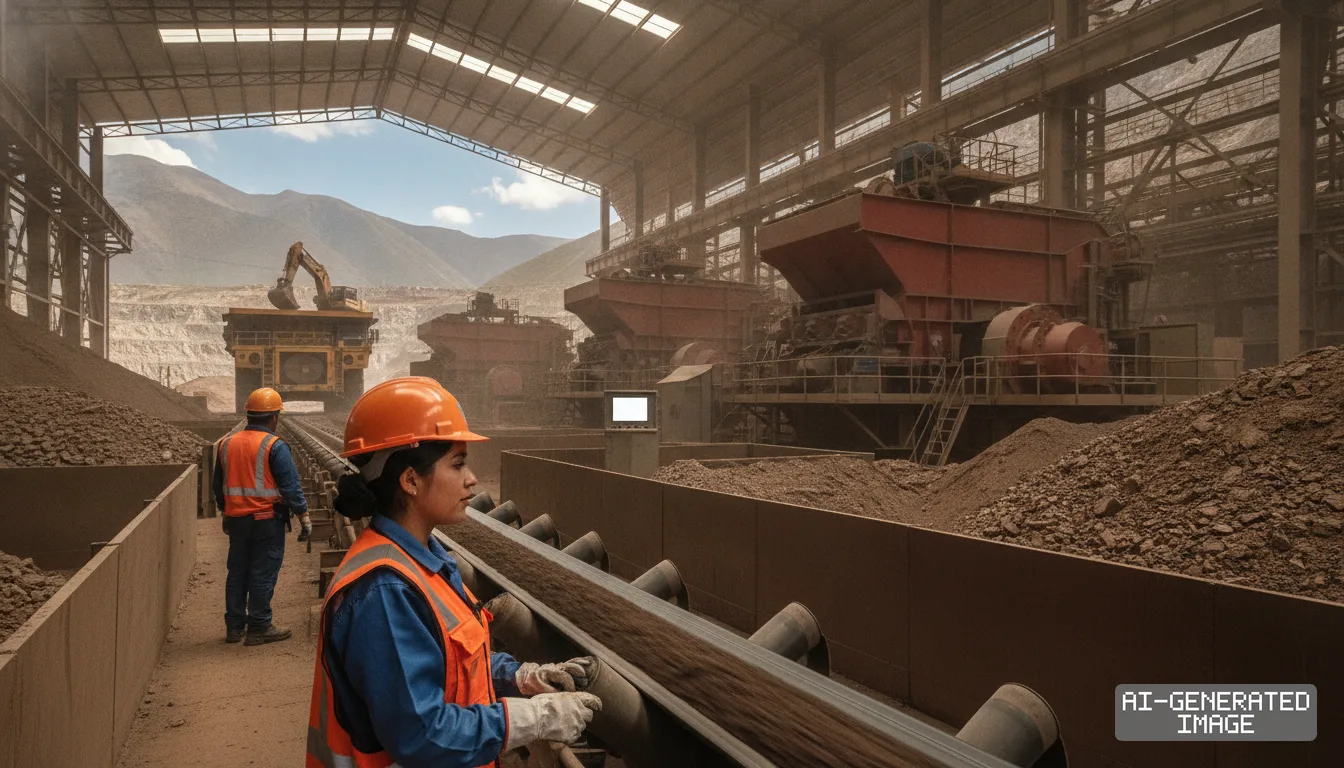
Under the revised multi-year contract, Lynas will allocate 75% of its medium and heavy rare earth production to Japan. The arrangement includes dedicated quotas for dysprosium and terbium mined at Mt. Weld in Western Australia.
These two heavy rare earth elements provide thermal stability to electric vehicle drive motors. Japanese automakers require dysprosium to prevent permanent magnets from demagnetizing under operating temperatures exceeding 180 degrees Celsius.
Toyota Motor consumes an estimated 30% of Japan's automotive magnet supply across its global hybrid vehicle lines. The automaker has tested reduced-dysprosium magnet formulas, but high-torque powertrains still depend on secure heavy rare earth inputs.
Transporting and refining non-Chinese minerals carries substantial financial penalties for Japanese manufacturers. Unrefined ores mined in Western Australia must travel to Malaysia for cracked cracking before refined oxides enter smelting lines in Japan.
Industry executives estimate this diversified processing corridor costs between 20% and 35% more than purchasing Chinese refined oxides. Energy and chemical disposal costs in Japan remain far higher than state-backed processing hubs in Inner Mongolia.
Japanese end users accept the cost differential to hedge against sudden border closures. Chinese authorities previously restricted critical mineral shipments during maritime territorial standoffs, demonstrating the operational vulnerability of zero-inventory supply chains.
Domestic recycling operations provide a secondary hedge against import disruptions. Shin-Etsu Chemical recovers dysprosium and neodymium from scrapped automotive motors and air conditioner compressors, supplying roughly 10% of its internal feedstock demand.
Automotive parts makers are redesigning motor geometries to lower overall rare earth intensity. Denso and other Tier-1 suppliers have reduced terbium content by more than 40% across selected vehicle platforms since 2024.
International partnerships reinforce the domestic refining buildout. Japanese officials signed critical mineral pacts with the United States and European governments to coordinate minimum price floors for non-Chinese refined minerals.
These floor mechanisms aim to prevent state-backed Chinese producers from undercutting new private processing infrastructure. Japanese refiners cannot sustain multi-billion-yen capital expenditure if mineral prices collapse to marginal production costs.
Shin-Etsu Chemical plans to conclude equipment installations in Fukui and begin initial test separation runs in March 2027. Sojitz and Lynas expect expanded commercial shipments of heavy rare earth oxides to reach Japanese ports by the following month.
The Ministry of Economy, Trade and Industry has not published the annual output capacity for the Fukui facility, and the agency withheld the specific volume threshold required to trigger emergency stockpiling distributions.
Impact map
How this development propagates across the region and out to global buyers.
| Event | Korea | China | Japan | Global impact |
|---|---|---|---|---|
| Japan rare earth supply chain rebuilding | domestic magnet producers face cost competition as Japan locks in non-Chinese upstream capacity | export controls face diminishing leverage as Japanese buyers establish alternative refining routes | Shin-Etsu and Santoku build domestic smelting capacity supported by 50% METI capex subsidies | automotive motor supply chains bifurcate into Chinese and higher-cost allied critical mineral corridors |
| Japan rare earth supply chain rebuilding | domestic magnet producers face cost competition as Japan locks in non-Chinese upstream capacity | export controls face diminishing leverage as Japanese buyers establish alternative refining routes | Shin-Etsu and Santoku build domestic smelting capacity supported by 50% METI capex subsidies | automotive motor supply chains bifurcate into Chinese and higher-cost allied critical mineral corridors |
In this story
- Companies
- Shin-Etsu ChemicalSojitzSantoku
- Tickers
- 4063.T2768.T
- Exposed
- Lynas Rare EarthsToyota Motor
- Policy
- SubsidiesExport Controls
- Impact
- Supply ChainCapexCost Structure
Track every Subsidies development → Track every Export Controls development →
Related briefings
- Japan accelerates grants for rare-earth-reduced robot motor magnets under economic security act Also on Santoku, Shin-Etsu Chemical, Subsidies
- Lynas expands rare earth refining as China export curbs hold Also on Sojitz, Lynas Rare Earths, Export Controls
- METI expands Western rare earth alliances as China chokes yttrium Also on Sojitz, Lynas Rare Earths, Export Controls
- Japan and Australia advance critical minerals security pact Also on Sojitz, Lynas Rare Earths, Subsidies
Sources
Primary documents
Reporting
Confidence: high — how we grade this
The documents behind this briefing are linked above. East Asia Brief produces its English text with AI assistance under human editorial review, and does not translate or republish other outlets' articles. See our methodology and AI policy. Spotted an error? Tell us.
The Morning Brief
What changed in Korean, Chinese and Japanese industry overnight — and what it means for your supply chain. One email, weekday mornings, US time. Free.
The Morning Brief is in preparation. Leave your address and we will write to you once — when the first issue is ready. Nothing before that.