Hyundai WIA equips flagship Genesis GV90 EV with dual e-LSD systems
The Changwon-built driveline hardware engages within 0.2 seconds across both axles to redistribute propulsion torque before tires lose surface grip.
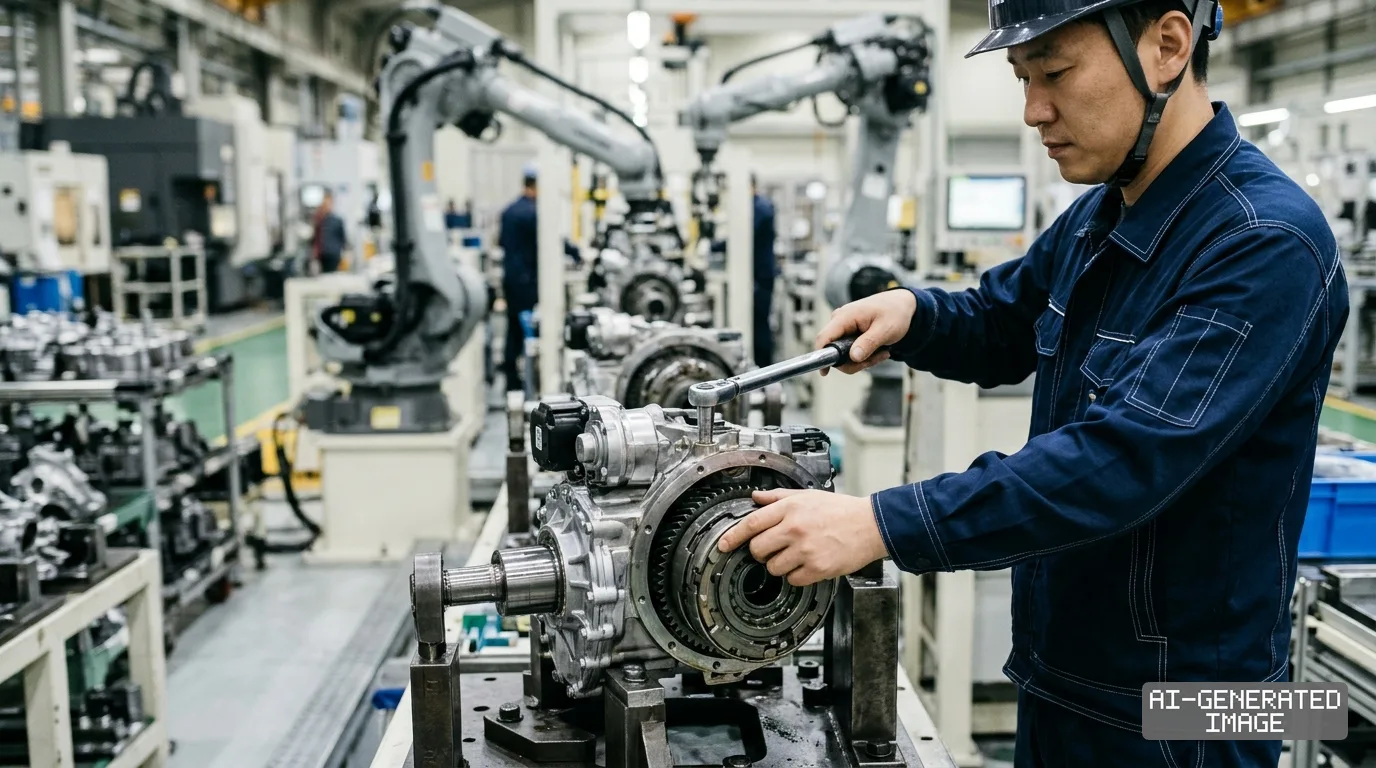
Hyundai WIA commercialized South Korea's first dual electronic limited-slip differential for electric vehicles on Nov. 24, securing an initial production award for the Genesis GV90 sport utility vehicle.
The chassis affiliate of Hyundai Motor Group manufactures driveline systems and industrial machinery. It builds automotive differentials, axles and driveline modules at its primary production complex in Changwon, South Gyeongsang Province.
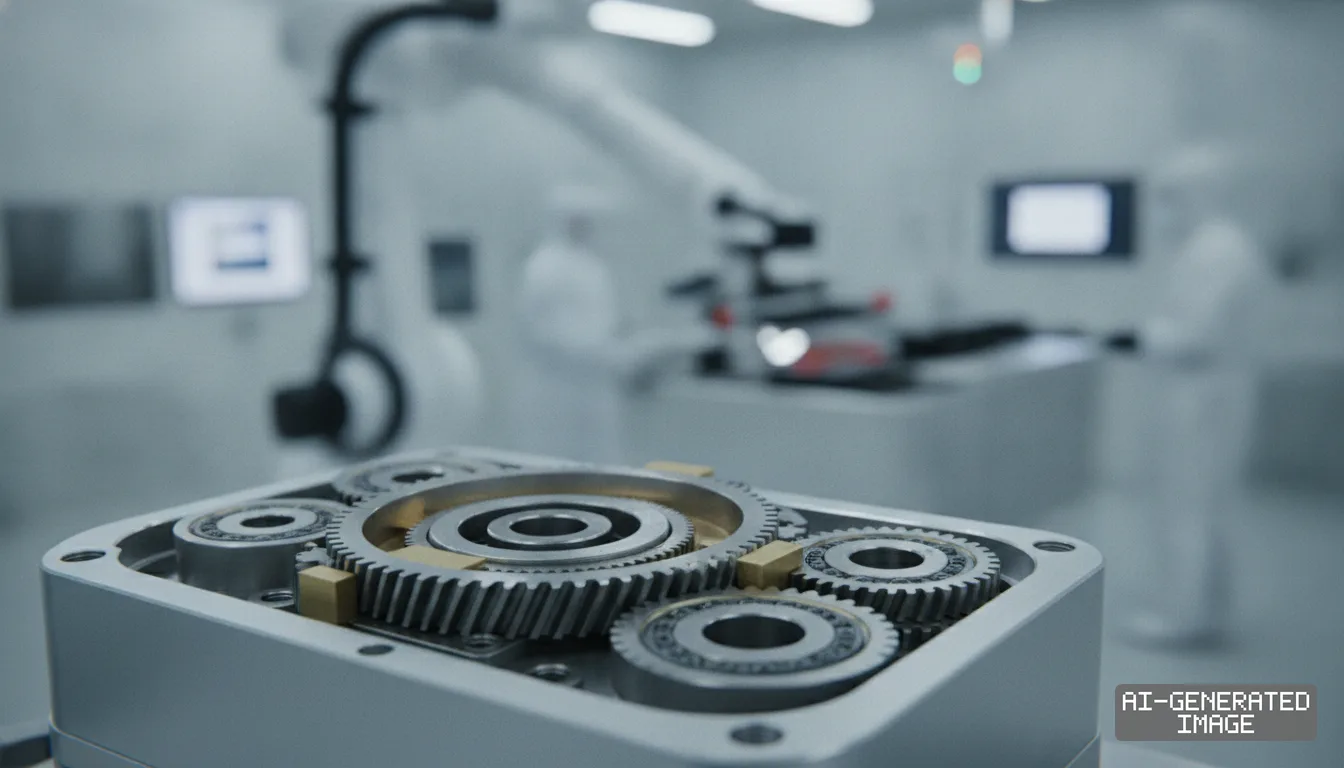
Internal multi-plate clutches inside each differential engage and disengage within 0.2 seconds. That actuation speed allows the mechanical system to redistribute propulsion torque across all four wheels before slipping tires lose surface grip.
Conventional electronic differentials operate across a single driven axle, usually regulating torque between the two rear wheels. Hyundai WIA mounted independently actuated differential units at both the front and rear axles of the vehicle chassis.
An electronic limited-slip differential actively modulates drive torque between the left and right wheels on a common axle. When one tire hits ice or standing water, the unit redirects rotational force to the wheel with traction.
Hyundai WIA developed proprietary integrated control logic that governs both differential units using a single electronic control unit. The processor analyzes steering input, wheel speeds and chassis yaw in real time to coordinate left-to-right torque transfers.
Electric vehicles carry heavy high-voltage battery enclosures that raise total curb weight substantially above combustion vehicles. Heavy sport utility platforms generate large inertial forces that complicate directional control and tire adhesion during sharp cornering.
Distributing drive torque independently across all four wheels suppresses vehicle understeer, where front tires push wide of an intended curve. The active differential units also eliminate oversteer by stabilizing the rear axle during aggressive turn-in.
The project marks the third technical generation of Hyundai WIA's limited-slip differential program. The supplier launched mass production of front-wheel electronic differentials in September 2017, targeting high-performance front-wheel-drive passenger cars.
Hyundai WIA expanded the technology in January 2020 by commercializing rear-wheel electronic differentials for rear-wheel-drive platforms. That system launched on the Genesis GV80, creating the domestic manufacturing base for active driveline differentials.
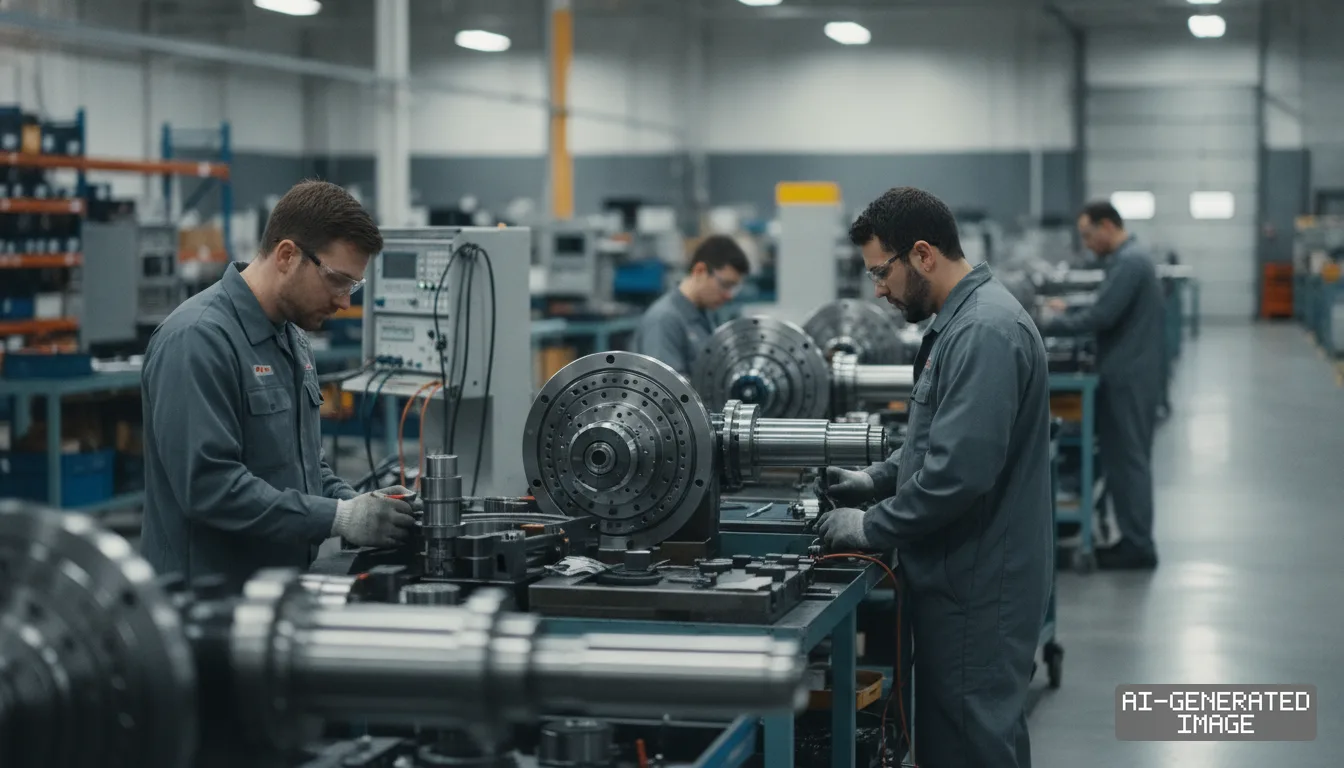
Changwon Plant 2 serves as the manufacturing center for Hyundai WIA's passenger car drivetrain components. The facility operates dedicated production lines for drive axles, electronic transfer cases and limited-slip differentials alongside defense equipment.
Plant 2 previously established an annual operating output of 60,000 rear-wheel differential units for the GV80 program. Supplying front and rear units for the GV90 doubles the mechanical differential hardware installed on each vehicle chassis.
The commercialization supports Hyundai WIA's long-term transition from mechanical four-wheel-drive hardware toward electrified chassis systems. The company manufactured more than 10 million power transfer units for combustion engines while expanding its electronic coupling portfolio.
Electric driveline architectures present distinct engineering constraints due to instant motor torque delivery. Electric drive units reach maximum rotational force at zero revolutions per minute, requiring clutches to modulate torque without driveline vibration.
Genesis confirmed the inclusion of dual electronic limited-slip differentials during technical disclosures for the GV90 on Nov. 10. The full-size electric sport utility vehicle serves as the top-tier luxury utility model for Hyundai Motor Group.
Global automakers previously relied on specialized European tier-one engineering suppliers for electronic torque-vectoring differentials. Hyundai WIA developed the dual mechanical differential units and associated software algorithms using its domestic research and development workforce.
Engineering teams tuned the integrated differential controller using cold-weather testing on low-friction road surfaces. Testing focused on split-friction transitions, where left tires travel on glare ice while right tires maintain contact with dry asphalt.
Hyundai WIA did not disclose the contract value, unit pricing or annual delivery targets for the GV90 program. The company has not published revenue projections or dedicated capital expenditure figures for the dual differential line.
The manufacturer has not specified whether dual electronic differentials will appear as standard equipment or optional packages on production models. Genesis has not published final curb weight figures or battery pack specifications for the GV90.
Genesis will establish final assembly dates and market introduction schedules for the GV90 in upcoming commercial releases. Hyundai WIA plans to use the commercialized system to market four-wheel torque-vectoring hardware to external vehicle manufacturers.
Impact map
How this development propagates across the region and out to global buyers.
| Event | Korea | China | Japan | Global impact |
|---|---|---|---|---|
| Genesis GV90 dual e-LSD adoption | Hyundai WIA expands Changwon Plant 2 production from single-axle to dual-axle differential hardware | Premium EV manufacturers rely on dual-motor inverter control rather than dual mechanical differentials | Drivetrain suppliers face direct competition in premium all-wheel-drive torque management systems | Heavy battery-electric SUV architectures adopt multi-axle mechanical differentials to manage high-speed lateral mass |
In this story
- Companies
- Hyundai WIAHyundai Motor Company
- Tickers
- 011210.KS005380.KS
- Exposed
- Genesis
- Impact
- Order BookSupply Chain
Related briefings
- Hyundai accelerates Ulsan EV conversion to balance export lines with global demand Also on Hyundai WIA, Hyundai Motor Company, Order Book
- Hyundai Wia logs 54.7 billion won Q3 operating profit on robotics Also on Hyundai Wia, Order Book
- Samsung convenes 170 Hyundai executives for auto chip summit Also on Hyundai Motor Company, Order Book
- EcoPro targets humanoid robot batteries for 2027 production Also on Hyundai Motor Company, Order Book
Sources
Reporting
Confidence: medium — how we grade this
The documents behind this briefing are linked above. East Asia Brief produces its English text with AI assistance under human editorial review, and does not translate or republish other outlets' articles. See our methodology and AI policy. Spotted an error? Tell us.
The Morning Brief
What changed in Korean, Chinese and Japanese industry overnight — and what it means for your supply chain. One email, weekday mornings, US time. Free.
The Morning Brief is in preparation. Leave your address and we will write to you once — when the first issue is ready. Nothing before that.