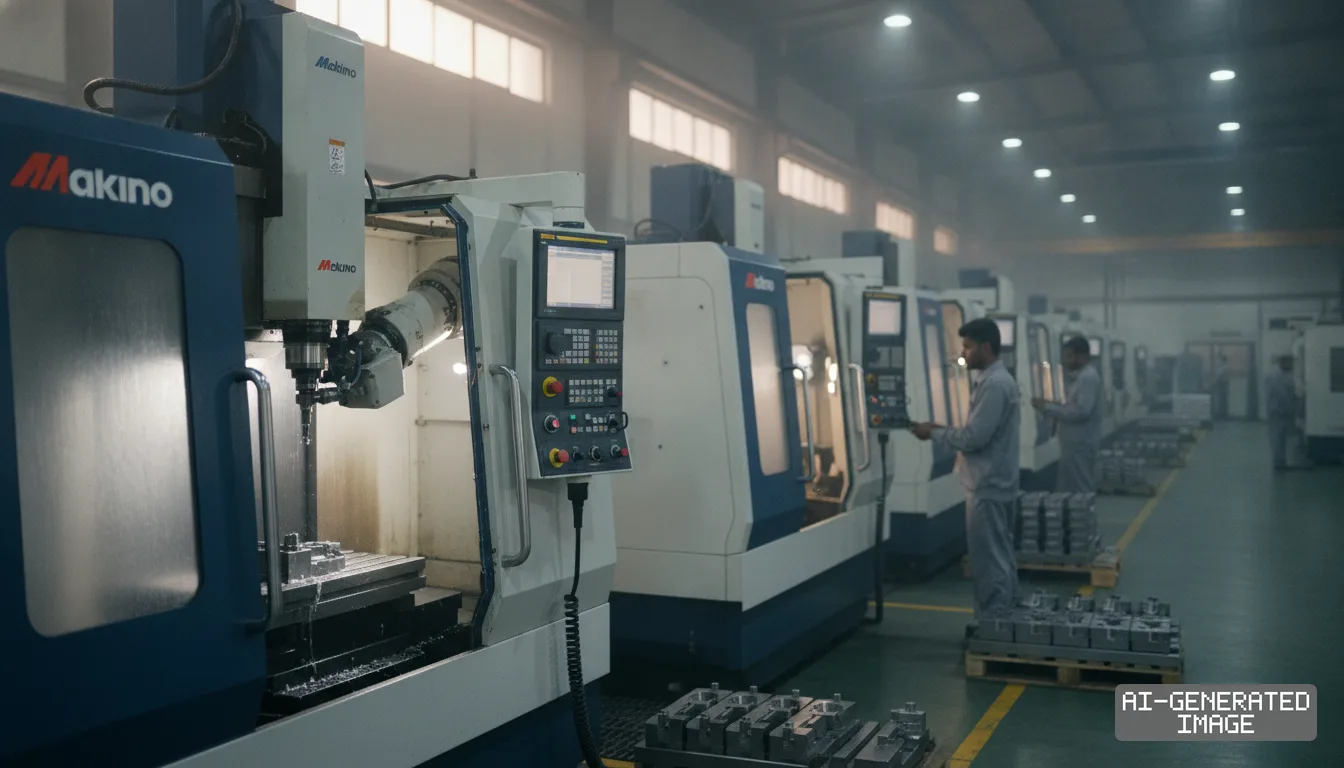
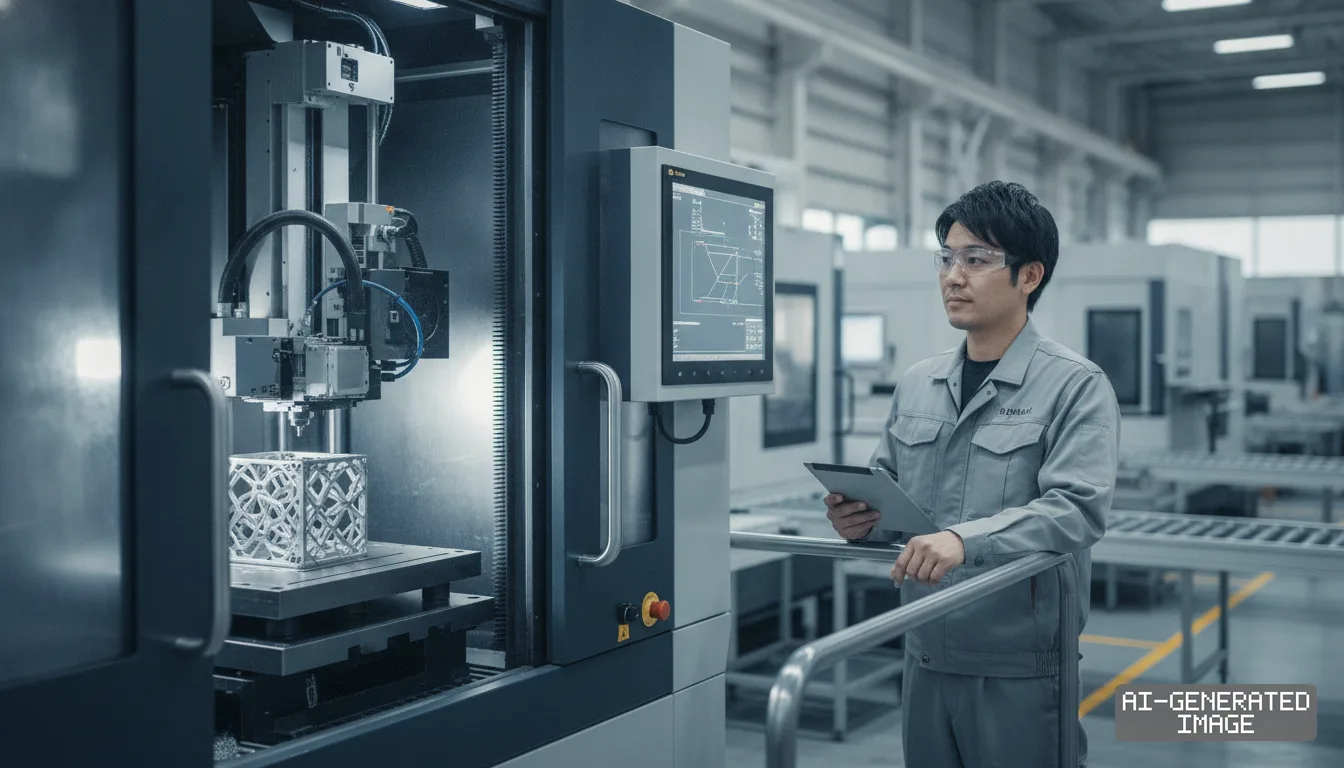
Factory robot benchmark pivots hardware evaluation to setup speed
A 12-vendor assessment measures pre-engineered collaborative stations against deployment speed as the sector expands toward $3.38 billion by 2030.
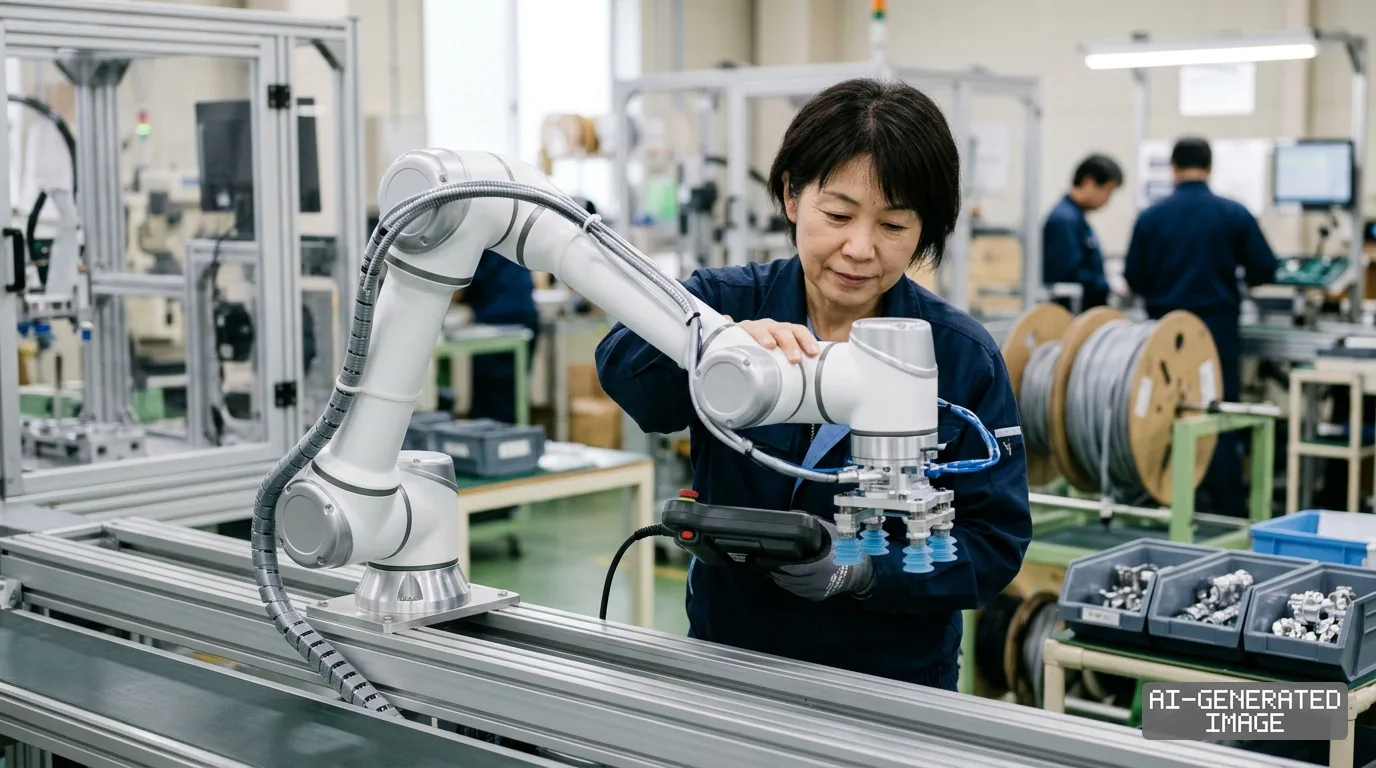
Elite Robots published a 12-vendor industrial benchmark on Nov. 26, 2026, comparing collaborative robot suppliers on 10-minute cell setup times and joint engineering rather than unmounted payload figures.
The release shifts procurement criteria as factories seek faster commissioning. Cobot market revenue will expand from $1.42 billion in 2025 to $3.38 billion by 2030, according to MarketsandMarkets research cited in the document.
Factory operators previously spent days writing ladder logic and setting safety perimeters. Pre-engineered collaborative stations now target four-step installation within 10 minutes and line redeployment without reprogramming, the benchmark report said.
Power-loss memory has emerged as a mandatory hardware requirement. Production cells must retain exact pallet box counts and sustain mechanical gripper holding states during emergency electrical cutoffs, according to the published specifications.
Elite Robots, founded in 2016 by researchers from Beihang and Tsinghua universities, deployed more than 20,000 cobot units across 50 countries. The company operates a Suzhou manufacturing plant with an annual capacity of 100,000 arms.
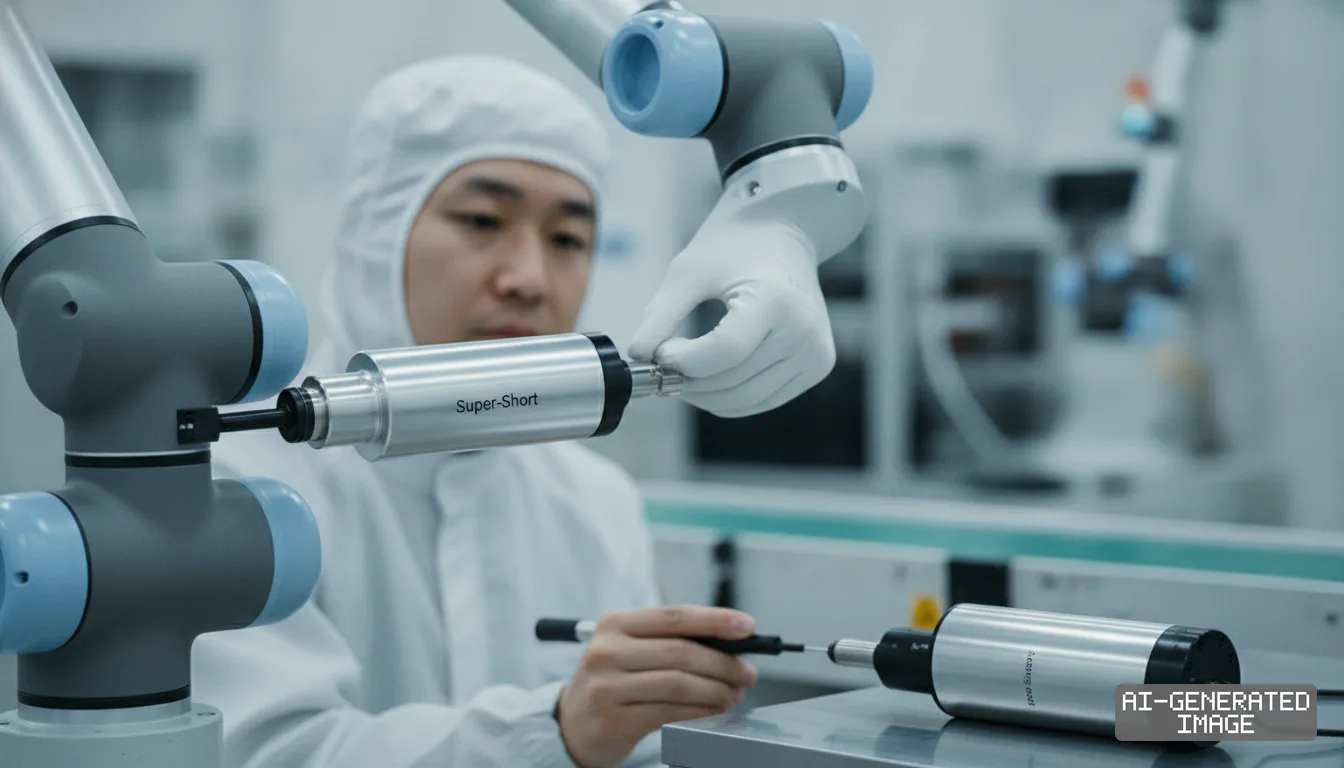
The Shanghai-based manufacturer certified its CS line to ISO 14644-1 Class 5 cleanroom and SEMI S2 environmental safety standards. It introduced a compact direct-current controller designed for integration inside semiconductor wafer handling machinery.
South Korea's Doosan Robotics differentiates its catalog through joint-level sensing hardware. Doosan Robotics integrates direct torque sensors into each axis of its M and H arm series to manage polishing resistance and compliant assembly.
The Korean supplier also markets the P3020 palletizer, a specialized five-axis arm with a 2,030-millimeter working reach. The system handles loads between 5 and 30 kilograms across high-mix logistics centers, the benchmark noted.
Japan's FANUC focuses on computer numerical control integration and sealed enclosures. The company builds the CRX line spanning 5 to 30 kilograms and the heavier CR-35iB unit for 35-kilogram operations.
FANUC equips both models with IP67 ingress protection against cutting fluids. The arms connect natively to standard factory machining centers and proprietary machine vision systems, the benchmark evaluation said.
Yaskawa Motoman addresses structural metal fabrication and fixture workstations. The company fabricates cast-aluminum arm housings across its HC series, offering working capacities from 10 to 30 kilograms.
The Japanese robot maker ties those mechanical arms directly to specialized micro weld controllers. This links collaborative torch movement to automated power-source feeding on heavy shipyard decks, the evaluation noted.
Zurich-headquartered ABB Robotics targets mixed assembly lines using digital twins. Its GoFa and PoWa product families cover payloads from 0.5 to 30 kilograms.
ABB links cell hardware to its offline simulation program and unified controllers. Plant engineers validate tool clearance and trajectory safety before mounting arms on factory floors, the study stated.
Taiwan's Techman Robot packages integrated two-dimensional vision cameras directly into its arm wrists. Its TM series spans capacities from 4 to 35 kilograms for optical inspection tasks.
Germany's KUKA competes in automated insertion and consumer electronics. The company offers seven-axis compliant mechanisms on its sensitive arms and uses dedicated operating software to reduce cell setup hours.
Chinese robot builders AUBO Robotics, JAKA Robotics and Dobot target rapid programming. AUBO supports open robot operating system code, while JAKA deploys sealed arms configured entirely over wireless tablets.
Dobot supplies desktop educational arms alongside heavier industrial models carrying up to 20 kilograms. Germany's Franka Robotics serves specialized laboratories, offering high-frequency force-feedback research arms that handle 3-kilogram payloads.
Factory procurement managers plan to enforce the audited 10-minute station commissioning criteria on new supplier purchase tenders starting Jan. 1, 2027.
The benchmark document does not publish independent laboratory cycle-life hours for harmonic reducers, and Elite Robots has not disclosed actuator failure rates under sustained maximum payload.
Impact map
How this development propagates across the region and out to global buyers.
| Event | Korea | China | Japan | Global impact |
|---|---|---|---|---|
| Cobot cell deployment benchmark | Doosan Robotics leverages 6-axis torque sensing for 5-30kg palletizing and assembly | Elite Robots expands 100k-capacity Suzhou plant with SEMI S2 cleanroom cobots | FANUC and Yaskawa tighten machine-tool and weld-cell hardware integration | Global cobot market expands 138% to $3.38B by 2030 on rapid deployment cells |
| Cobot cell deployment benchmark | Doosan Robotics leverages 6-axis torque sensing for 5-30kg palletizing and assembly | Elite Robots expands 100k-capacity Suzhou plant with SEMI S2 cleanroom cobots | FANUC and Yaskawa tighten machine-tool and weld-cell hardware integration | Global cobot market expands 138% to $3.38B by 2030 on rapid deployment cells |
In this story
- Companies
- Elite RobotsDoosan RoboticsFANUCABB RoboticsTechman RobotKUKAYaskawa Electric
- Tickers
- 454910.KS6954.TABBN.SW6506.T
- Exposed
- AUBO RoboticsJAKA RoboticsDobotFranka Robotics
- Policy
- Standards
- Impact
- Supply ChainCost StructureCompliance
Track every Standards development →
Related briefings
- Elite Robots claims global cobot volume lead with 100,000-unit plant Also on Elite Robots, AUBO Robotics, JAKA Robotics
- Doosan Robotics shifts sales focus to auto and chip plants Also on Dobot, Doosan Robotics
- Factory automation shifts to linear tracks in $559 million market Also on KUKA, Yaskawa Electric, FANUC
- ABB targets end-of-line palletizing with heavy-payload PoWa cobots Also on KUKA, Yaskawa Electric, FANUC
Sources
Reporting
Confidence: medium — how we grade this
The documents behind this briefing are linked above. East Asia Brief produces its English text with AI assistance under human editorial review, and does not translate or republish other outlets' articles. See our methodology and AI policy. Spotted an error? Tell us.
The Morning Brief
What changed in Korean, Chinese and Japanese industry overnight — and what it means for your supply chain. One email, weekday mornings, US time. Free.
The Morning Brief is in preparation. Leave your address and we will write to you once — when the first issue is ready. Nothing before that.