Chinese automation makers deploy TSN controllers to replace imported hardware in auto lines
Domestic motion control suppliers standardise on deterministic Ethernet protocols to capture automotive stamping and welding lines from European vendors.
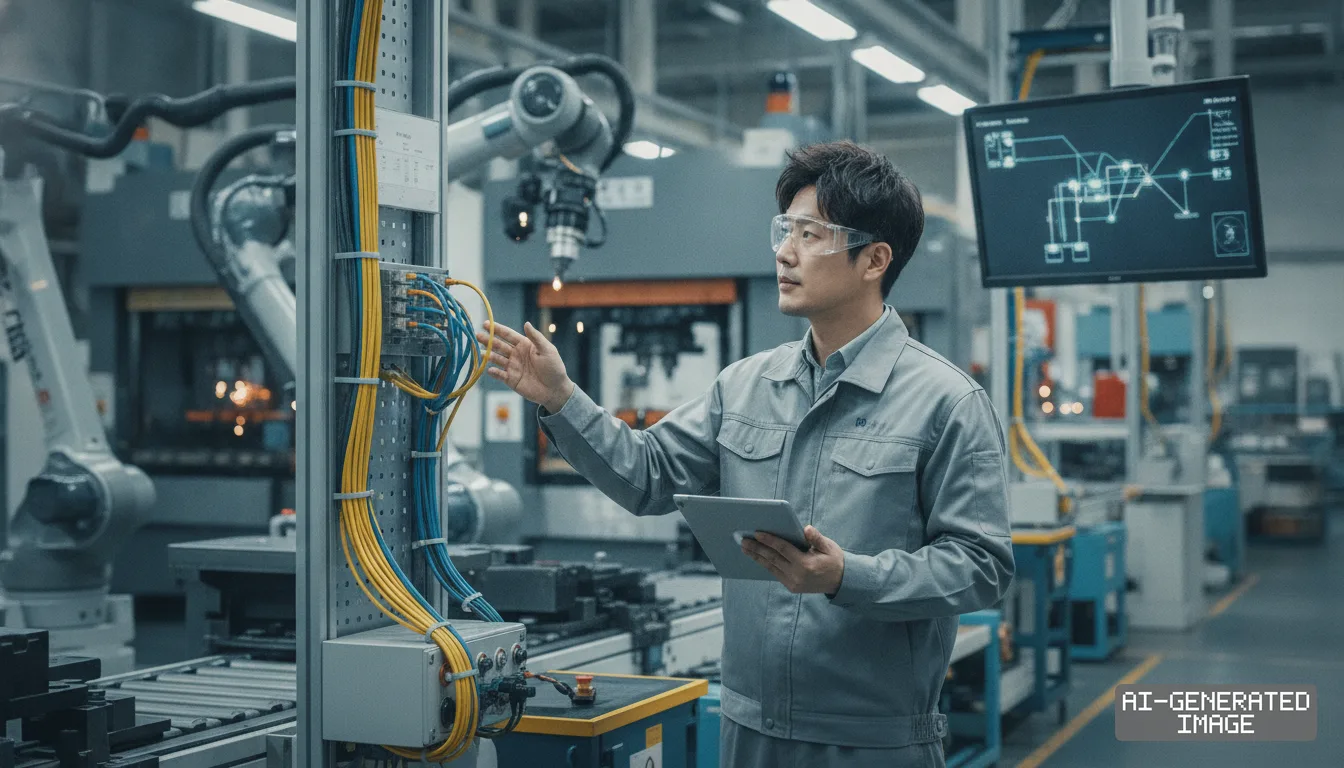
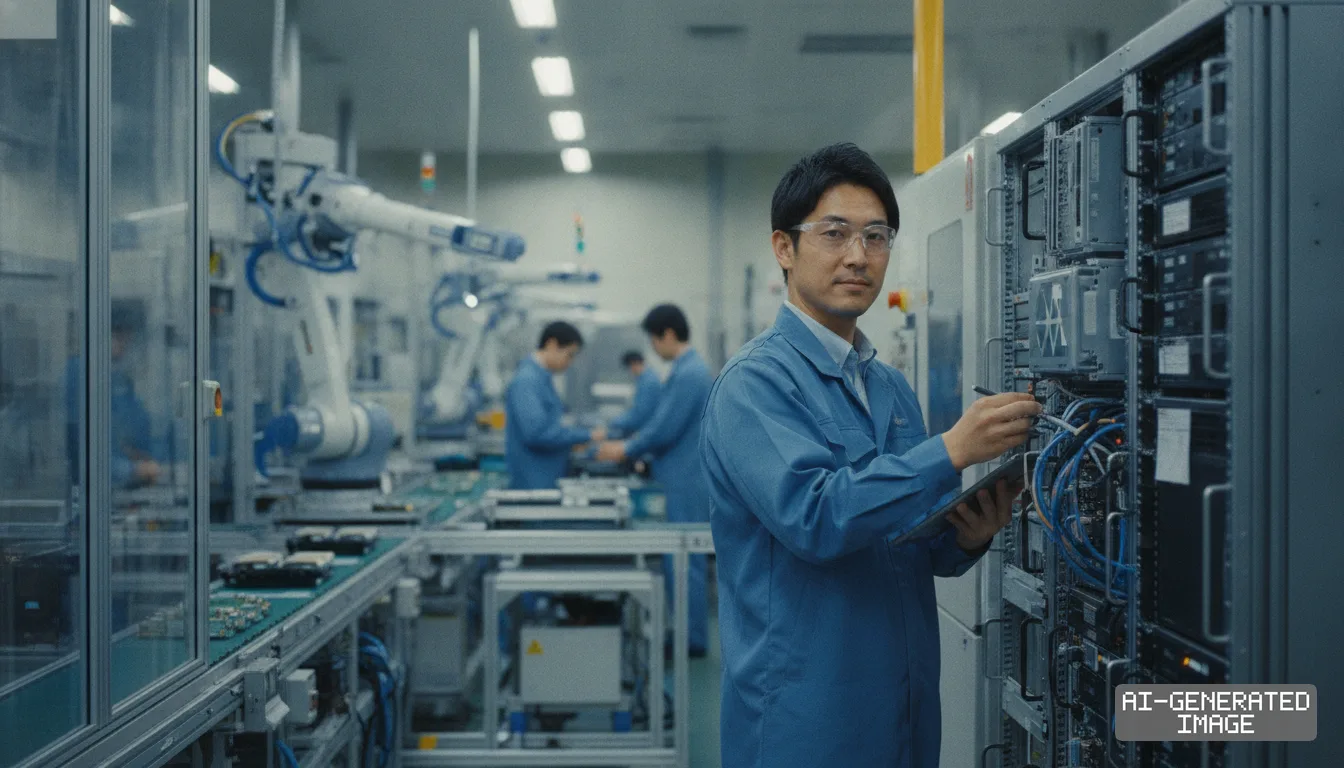
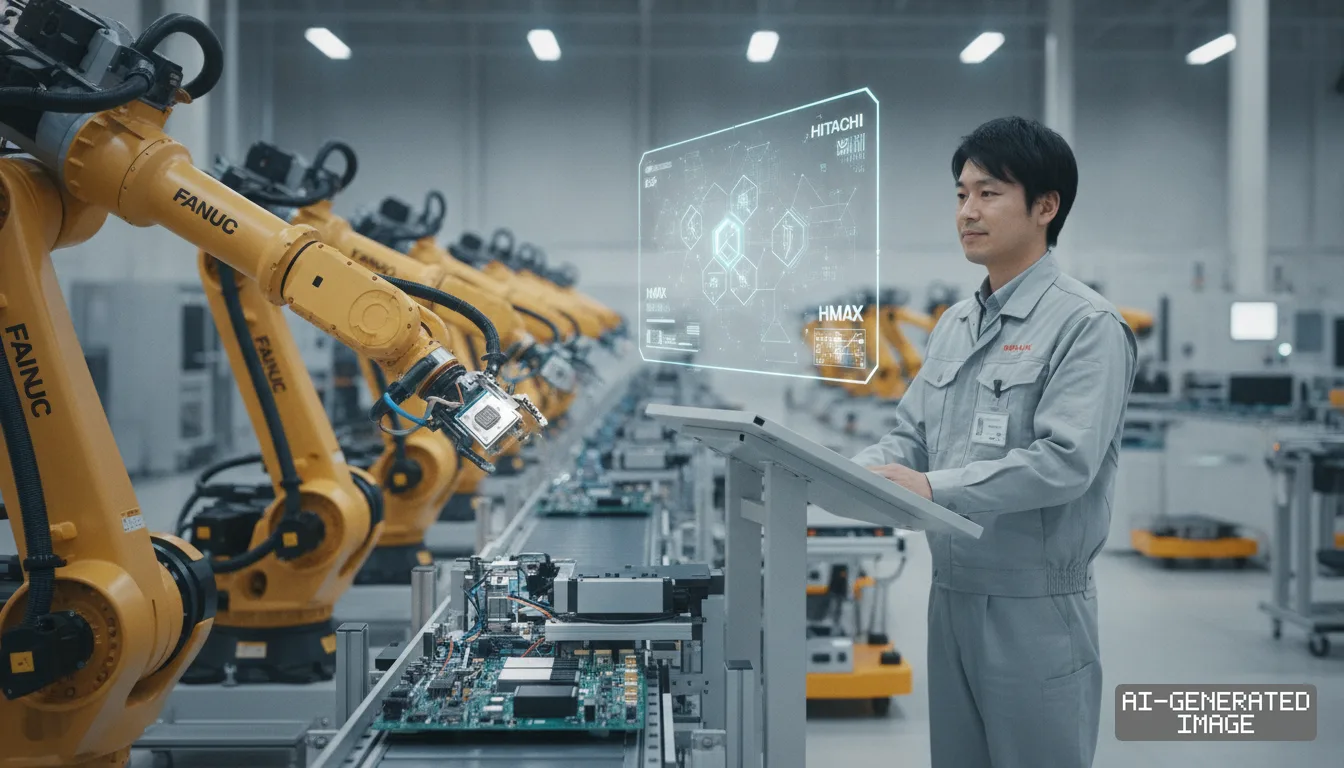
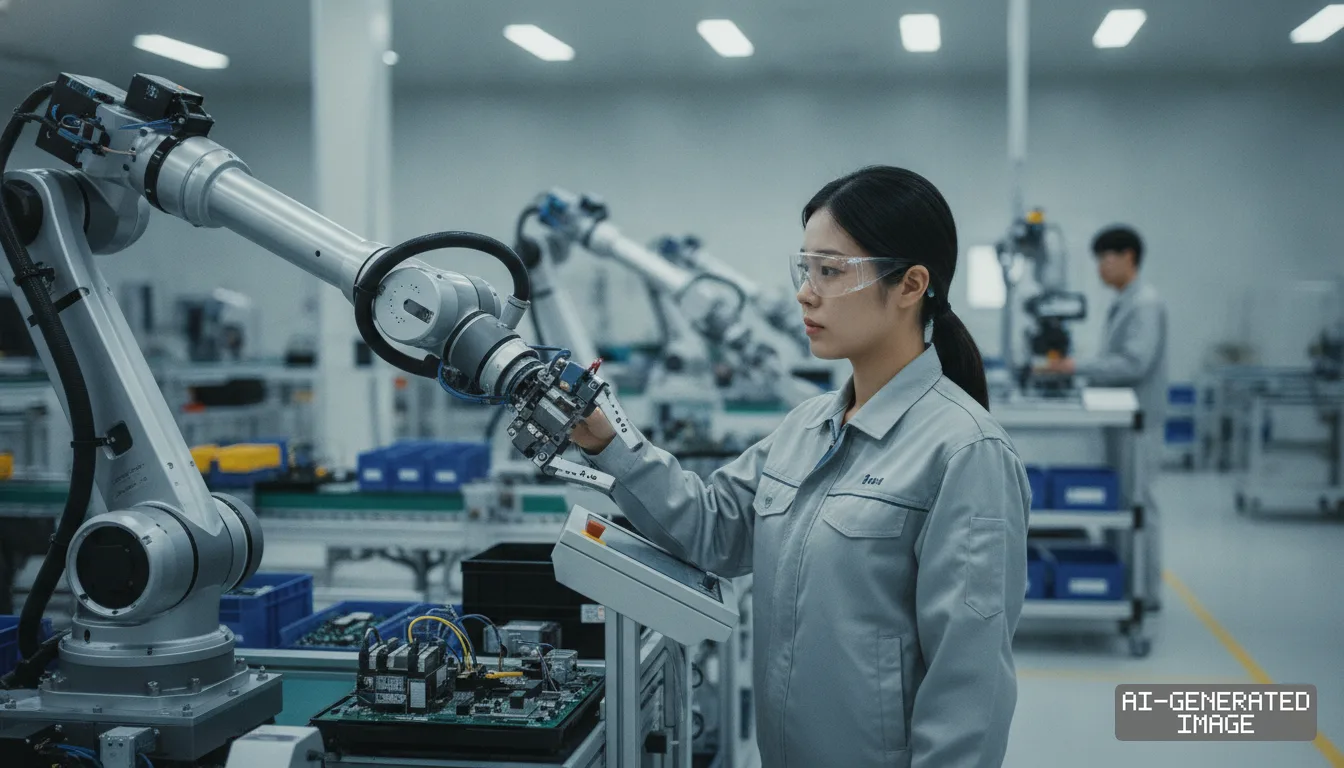
Chinese industrial automation manufacturers are deploying Time-Sensitive Networking motion controllers across automotive stamping and welding shops, accelerating efforts to displace established European and Japanese hardware in high-precision assembly lines. Domestic motion-control suppliers are standardizing their multi-axis programmable logic controllers and servo systems on open deterministic Ethernet architectures to handle time-critical machine synchronization and high-bandwidth vision data on a single network line.
The shift directly targets the core processing workshops of automotive original equipment manufacturers, where mechanical presses, robotic transfer arms, and optical inspection cameras demand microsecond-level synchronization. For factory automation directors and network architects, moving to vendor-neutral deterministic networking reduces reliance on closed proprietary fieldbuses that have historically locked production lines into single-vendor hardware ecosystems.
Policy directives from industrial authorities have formalized this network transition. China's Ministry of Industry and Information Technology and the Standardization Administration of China jointly published the National Smart Manufacturing Standard System Construction Guidelines (2024 Edition) in April 2025 under official notice MIIT Joint Science No. 60 (2025). The regulatory document explicitly establishes Time-Sensitive Networking, deterministic Internet Protocol, and operational-technology-to-information-technology convergence as priority standards across discrete manufacturing sectors, naming automotive stamping, welding, painting, and final assembly as primary deployment targets.
International standard alignment has reinforced this domestic engineering pivot. The formal publication of the IEC/IEEE 60802-2026 Time-Sensitive Networking Profile for Industrial Automation in June 2026 established an internationally recognized baseline for Layer 2 traffic scheduling and clock synchronization. The joint standard by the International Electrotechnical Commission and the Institute of Electrical and Electronics Engineers provides Chinese hardware vendors with a common technical rulebook to build deterministic equipment capable of operating across heterogeneous industrial networks.
Domestic automation leaders have expanded their motion hardware portfolios to align with these open standards. Shenzhen Inovance Technology Co., Ltd. and China Leadshine Technology Co., Ltd. have certified motion controllers, programmable logic controllers, and digital servo drives supporting open deterministic profiles, including CC-Link IE TSN and EtherCAT-compatible architectures. These domestic controllers execute coordinated multi-axis trajectories with communication cycle times below one millisecond, performing deterministic control loops that were previously the exclusive domain of European automation vendors such as Siemens AG and Beckhoff Automation GmbH or Japanese suppliers such as Mitsubishi Electric Corp.
Technical requirements in automotive stamping and body-in-white welding lines have driven the adoption of unified deterministic networks. In modern high-speed stamping presses, multi-axis servo transfer mechanisms must synchronize blank loading, sheet positioning, and press cycling without jitter to prevent die collisions and sheet tearing. In robotic welding cells, multi-axis spot-welding guns, component indexing positioners, and high-resolution three-dimensional machine-vision cameras operate in close physical proximity, generating heavy data traffic alongside time-critical motion commands.
Under legacy factory network configurations, welding shops maintain separate physical networks: one isolated fieldbus for real-time motion and safety signals, and a parallel Ethernet line for vision inspection and diagnostic telemetry. Time-Sensitive Networking resolves this dual-cabling inefficiency by utilizing IEEE 802.1Qbv time-aware traffic shaping. The mechanism reserves deterministic microsecond-level time slots for motion-critical control packets while transmitting high-volume machine-vision images and process monitoring telemetry across remaining network bandwidth without packet collisions or latency spikes.
Field validation is progressing through state-backed testbed deployments. The Alliance of Industrial Internet, operated under the China Academy of Information and Communications Technology, has established industrial testbeds evaluating hybrid programmable logic controllers and deterministic networking stacks inside tier-one automotive supplier facilities. These testbeds confirm that converged deterministic networks maintain sub-microsecond clock synchronization between multi-axis servo drives and automated optical inspection systems while reducing total fieldbus cabling runs across welding workcells.
Market adoption metrics reflect steady growth in deterministic industrial networking across discrete manufacturing. In industrial sectors led by automotive fabrication and robotics, the industrial Ethernet communication segment accounted for 45.35 percent of all installed industrial network interfaces in 2025, with Time-Sensitive Networking and EtherCAT deployments growing at a compound annual rate of 6.68 percent. Chinese automation distributors report that domestic motion controllers offer significant unit cost advantages and shortened equipment delivery schedules compared to imported Western equivalents, which faced prolonged supply lead times during recent assembly line conversions.
Despite the rapid rollout in factory retrofits, Chinese automotive manufacturers have not issued a binding regulatory standard that exclusively mandates Time-Sensitive Networking hardware across all domestic vehicle production facilities. Industrial adoption remains an engineering-led substitution strategy driven by the national smart manufacturing guidelines, open international profiles, and cost-reduction initiatives among automotive original equipment manufacturers seeking flexible component sourcing. Conformance testing continues across domestic automation laboratories under the joint testing procedures established by international fieldbus consortia.
Impact map
How this development propagates across the region and out to global buyers.
| Event | Korea | China | Japan | Global impact |
|---|---|---|---|---|
| TSN motion controller adoption | component sourcing | auto line retrofits | CC-Link hardware integration | legacy fieldbus displacement |
In this story
- Companies
- Shenzhen Inovance TechnologyChina Leadshine Technology
- Tickers
- 300124.SZ002979.SZ
- Exposed
- SiemensBeckhoff AutomationMitsubishi Electric
- Policy
- Smart Manufacturing StandardsIT/OT Convergence
- Impact
- Supply ChainOrder BookCost Structure
Related briefings
- China servo motor makers squeeze foreign rivals on cost and delivery Also on Shenzhen Inovance Technology, Siemens, Mitsubishi Electric
- Chinese chipmakers ramp real-time Ethernet SoCs for industrial robot controllers Also on Beckhoff Automation, Cost Structure
- Magnetic levitation wafer transfer robots advance into South Korean semiconductor cleanrooms Also on Beckhoff Automation, Cost Structure
- Fanuc and Yaskawa Expand China Motion Control Plants to Meet Local Content Rules Also on Shenzhen Inovance Technology, Cost Structure
Sources
Reporting
Confidence: medium — how we grade this
The documents behind this briefing are linked above. East Asia Brief produces its English text with AI assistance under human editorial review, and does not translate or republish other outlets' articles. See our methodology and AI policy. Spotted an error? Tell us.
The Morning Brief
What changed in Korean, Chinese and Japanese industry overnight — and what it means for your supply chain. One email, weekday mornings, US time. Free.
The Morning Brief is in preparation. Leave your address and we will write to you once — when the first issue is ready. Nothing before that.