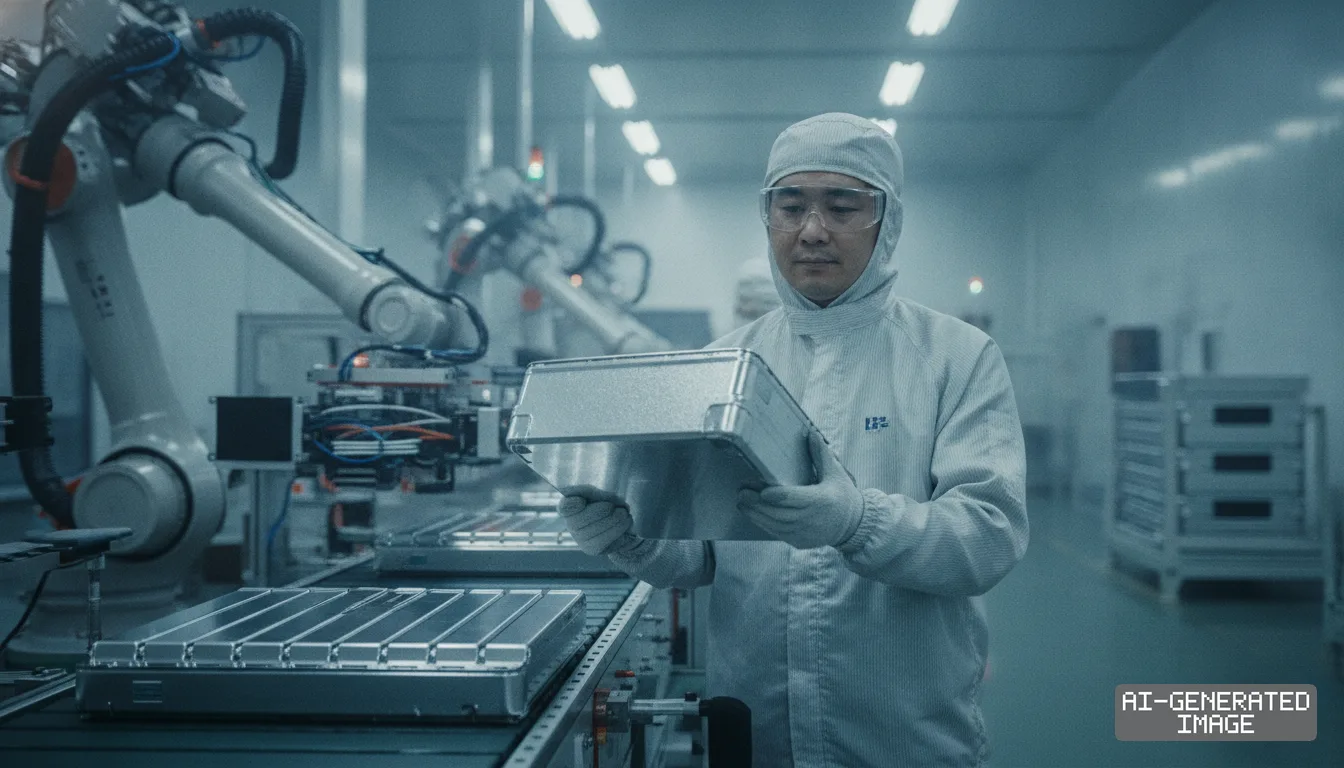
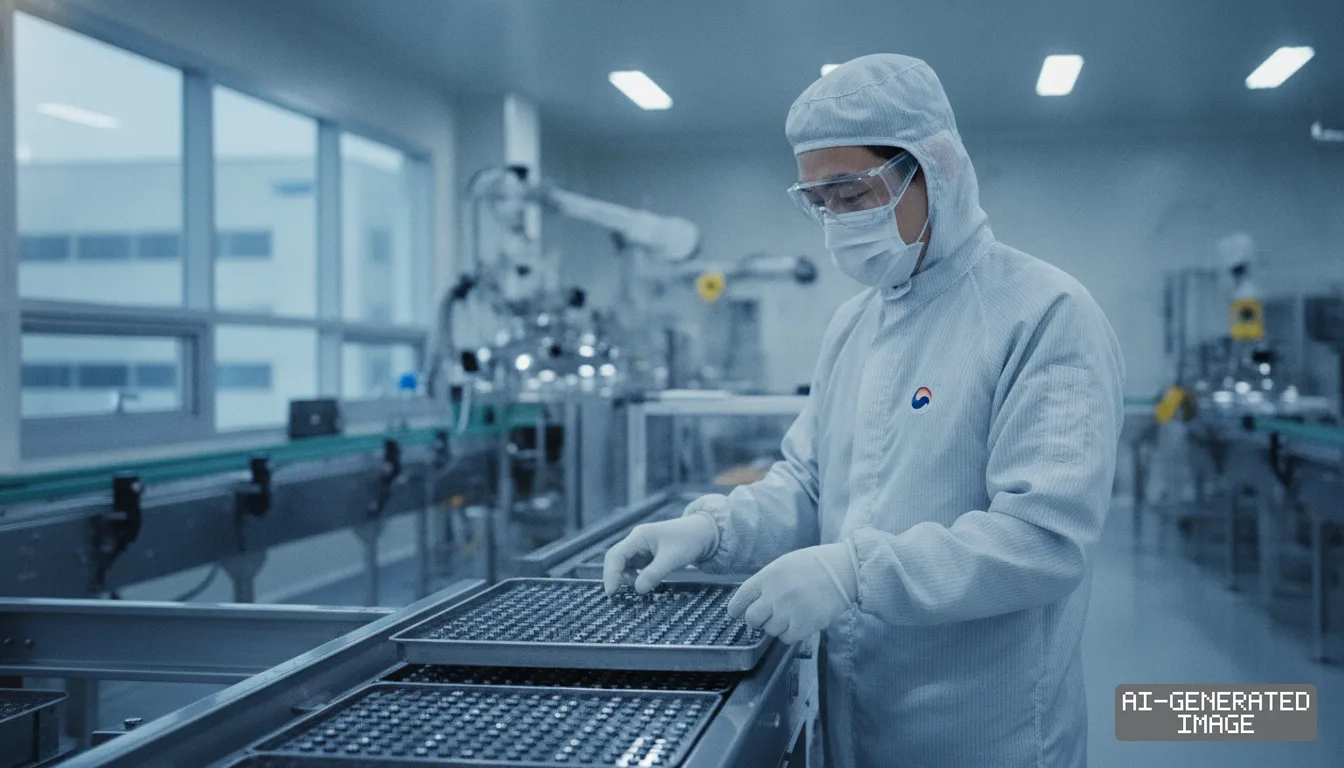
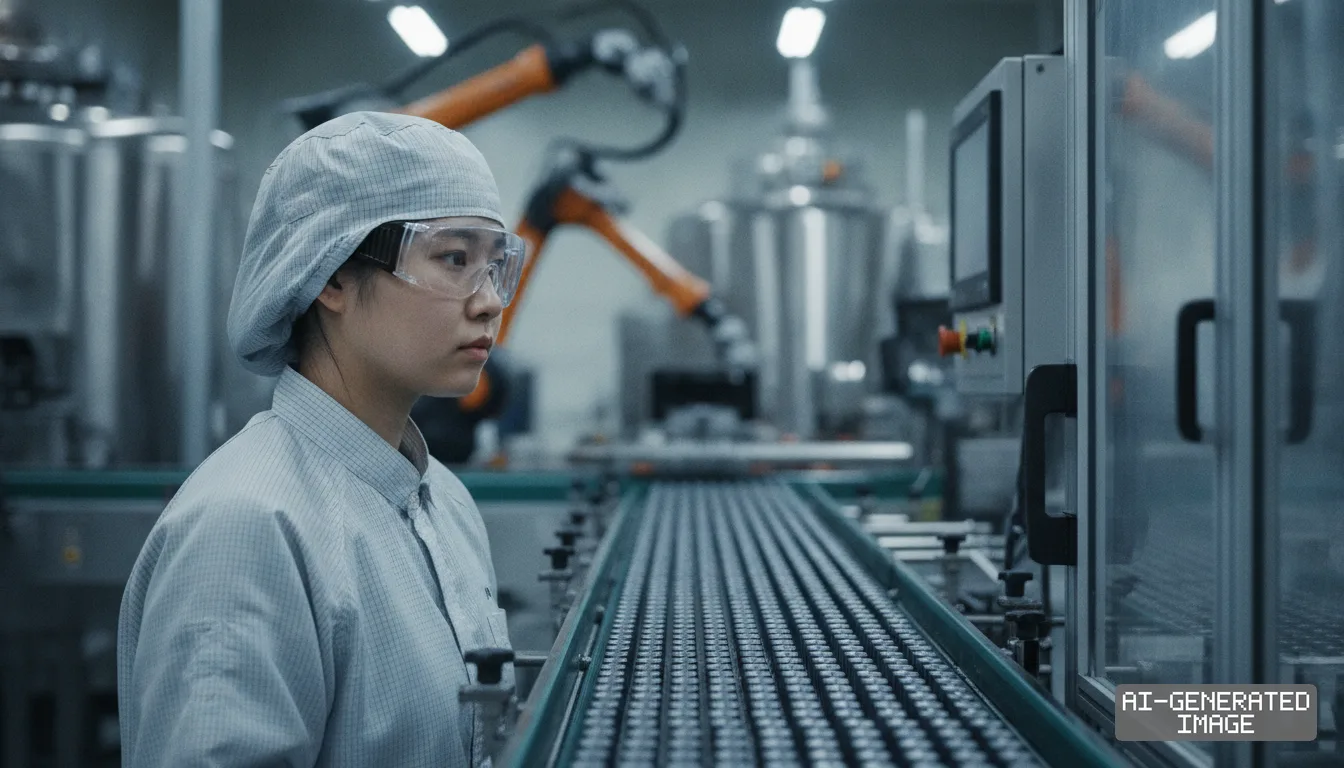
LG Energy Solution invites university labs for cell research
The world's second-largest battery maker spent 725.9 billion won on research in the first half of 2026 as producers navigate cooling electric-vehicle demand.
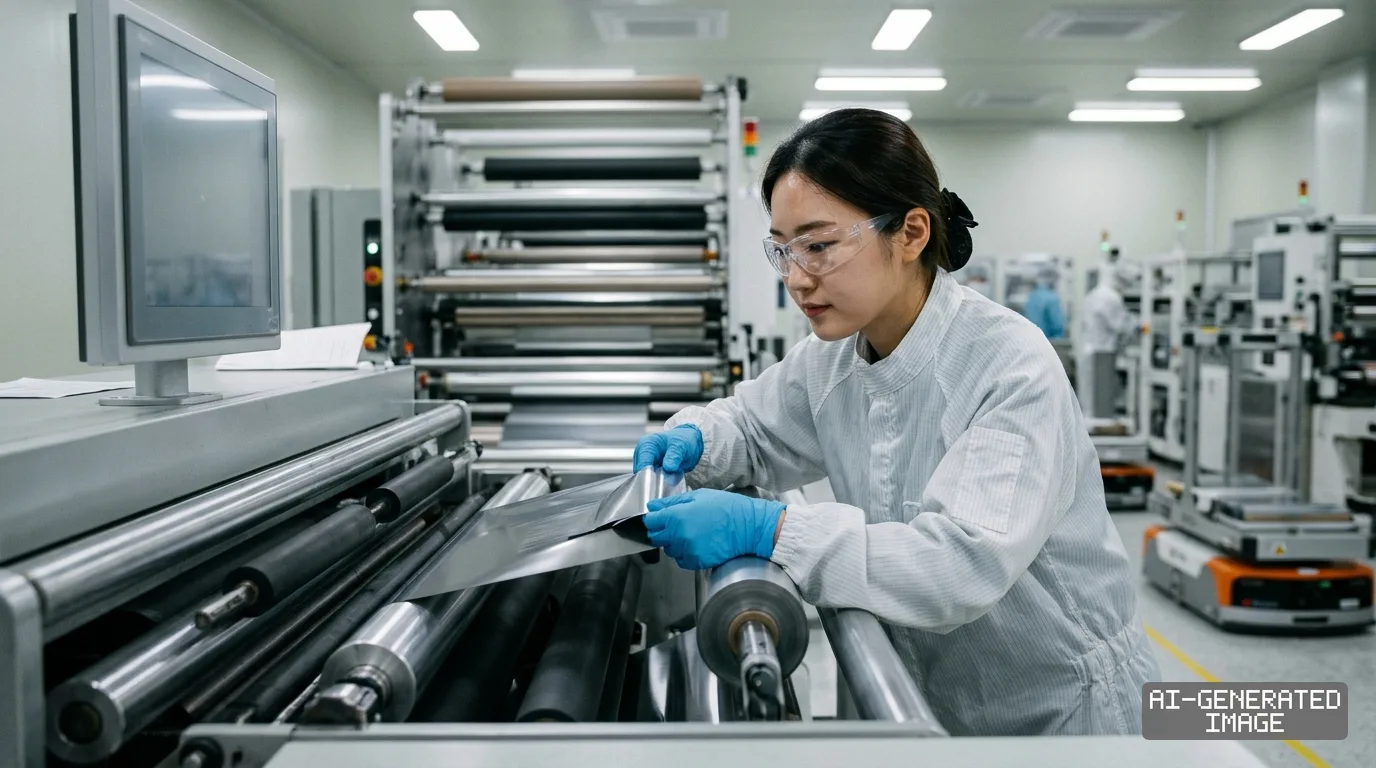
LG Energy Solution opened project submissions on Nov. 5, 2026 for its annual Battery Innovation Contest, tapping international universities to secure proprietary intellectual property for next-generation cells.
The Seoul-based manufacturer is the second-largest automotive battery supplier globally outside China, supplying pouch and cylindrical lithium-ion cells to General Motors, Hyundai Motor and Stellantis.
The open-innovation program seeks to insulate long-term research pipelines as battery producers navigate slowing electric-vehicle growth. LG Energy Solution invested 725.9 billion won ($510 million) in research and development during the first half of 2026, representing 5.1% of total revenue.
Capital discipline has tightened across the cell manufacturing sector as automakers defer battery orders. The company's average plant utilization rate dropped to 52.8% in the first half of 2026, after falling from 73.6% in 2022 to 47.6% in 2025.
Third-quarter revenue rebounded 28% sequentially to 9.6 trillion won ($6.9 billion), assisted by energy storage system shipments and factory ramp-ups. But external technology sourcing remains critical to reduce standalone laboratory expenses while accelerating technology cycles.
Now in its 10th year, the Battery Innovation Contest has financed roughly 50 external university research programs since launching in 2017. The 2026 intake marks the broadest range of technical topics in the program's history.
The company divided the call into thematic and open categories. The thematic track directs academic researchers toward specific engineering hurdles identified by internal manufacturing and cell development teams.
Selected focus areas prioritize non-destructive cell diagnostic tools. LG Energy Solution is seeking advanced analytical algorithms that can detect internal state degradation without physical cell disassembly during standard charging routines.
Thermal stability mechanics form a second major designated theme. Engineering teams are soliciting proposals that isolate chemical reaction pathways behind thermal runaway, where cell internal temperatures rise uncontrollably under mechanical or electrical stress.
The intake also accepts proposals across artificial intelligence applications and battery management system hardware. These software models monitor cell voltages, predict state of health and calculate remaining useful operating life in real time.
Promising proposals transition into multi-year commitments under the Frontier Research Laboratory network. When a contest project clears milestone targets, LG Energy Solution establishes dedicated joint research centers and assigns internal engineers to assist full-time.
That collaboration structure previously generated solid-state breakthroughs. A joint team with the University of Chicago and the University of California San Diego published sulfur-cathode all-solid-state findings in Nature Communications in February 2026.
The researchers replaced flammable liquid electrolytes with solid sulfide conductors, preventing polysulfide dissolution—the chemical breakdown where sulfur compounds dissolve into the electrolyte. The resulting pouch cells yielded a capacity of roughly 1,500 milliampere-hours per gram.
Last year's contest cohort also delivered intellectual property for production vehicles. LG Energy Solution filed patent applications for physics-based mathematical models that accelerate processor calculation speeds in automotive battery management software.
Broadening the academic network allows Korean manufacturers to counter Chinese competitors. Contemporary Amperex Technology commands roughly 37% of global electric vehicle battery installations, leveraging large domestic supply chains to dominate low-cost lithium iron phosphate chemistries.
Domestic rival Samsung SDI is also pursuing next-generation form factors, operating a pilot production line for sulfide-based all-solid-state cells aimed at commercial vehicle deployment by 2027.
Western automotive joint ventures represent LG Energy Solution's largest financial exposure. General Motors relies on the Korean firm for its Ultium Cells facilities, which restarted full operating shifts in August 2026 following assembly line retooling.
External applicants submit research outlines through the company's online BRIDGE platform, which coordinates document flow and shields proprietary findings from outside access during evaluation stages.
The company evaluates submissions on technological readiness, production feasibility and compatibility with existing manufacturing equipment. Corporate research teams conduct rolling technical reviews with university principal investigators throughout the selection period.
The announcement does not state the total financial grant pool committed for the 2026 contest, and LG Energy Solution has not published individual funding limits per project.
Project proposal submissions close on Dec. 6, 2026, with selected university labs scheduled to begin joint development programs in the first half of 2027.
Sources
Reporting
The documents behind this briefing are linked above. East Asia Brief produces its English text with AI assistance under human editorial review, and does not translate or republish other outlets' articles. See our methodology and AI policy. Spotted an error? Tell us.
The Morning Brief
What changed in Korean, Chinese and Japanese industry overnight — and what it means for your supply chain. One email, weekday mornings, US time. Free.
The Morning Brief is in preparation. Leave your address and we will write to you once — when the first issue is ready. Nothing before that.