Lexus ES EV enters Korea with CATL pack priced below hybrid model
Toyota priced the entry ES 350e at 71.6 million won, undercutting its sister hybrid by 1.3 million won in Seoul.
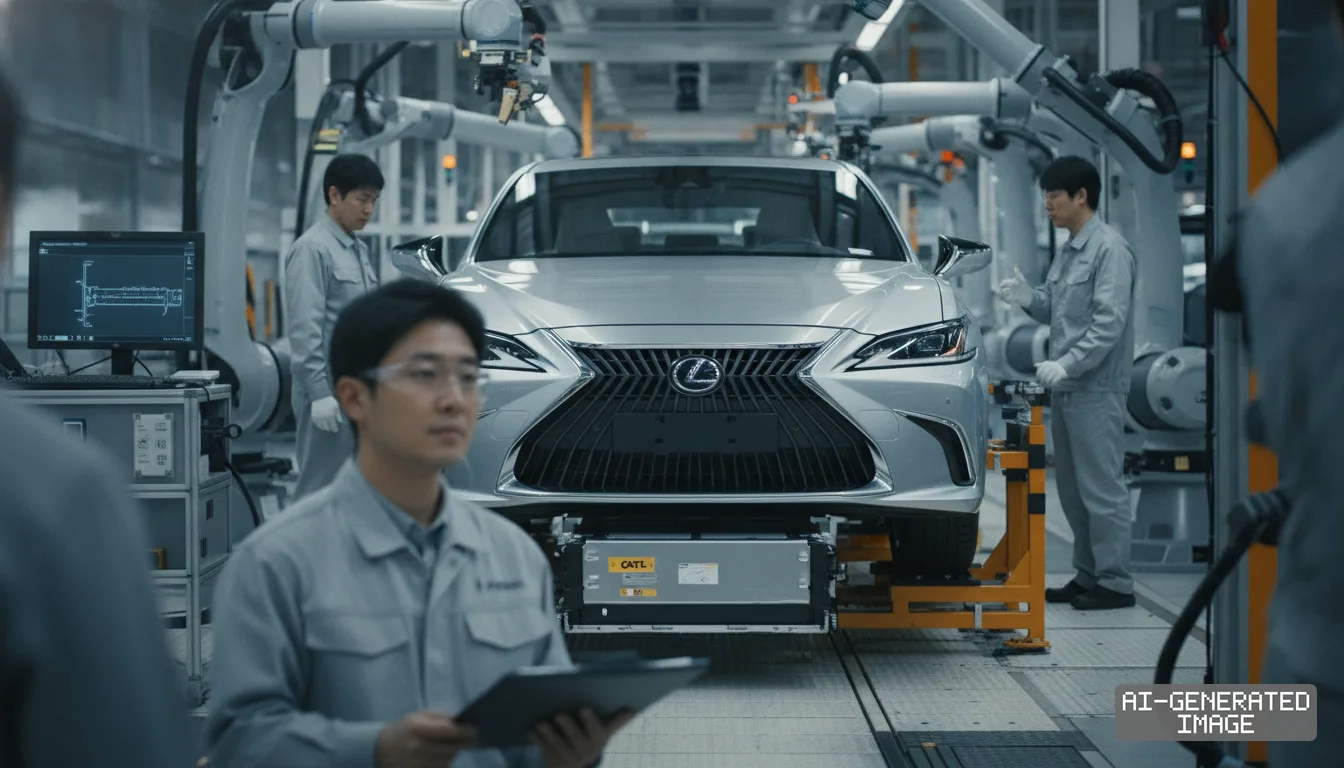
Toyota Motor locked in South Korean deliveries of its all-electric Lexus ES 350e on Nov. 10, 2026, deploying Contemporary Amperex Technology battery packs to undercut its own hybrid sedan on price.
The entry ES 350e Premium sells for 71.6 million won ($53,000), pricing the model 1.3 million won below the equivalent ES 350h hybrid at 72.9 million won. That discount equals roughly 1.8% of the hybrid base price.
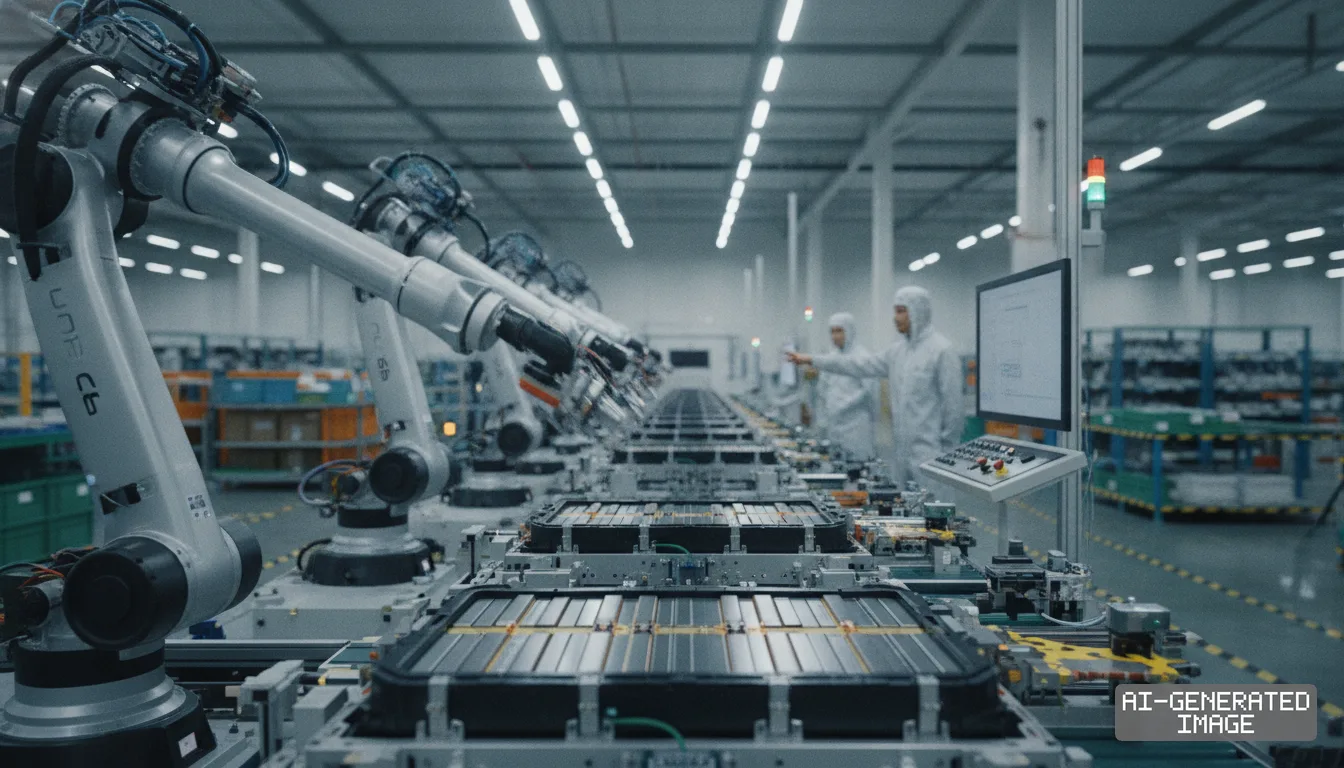
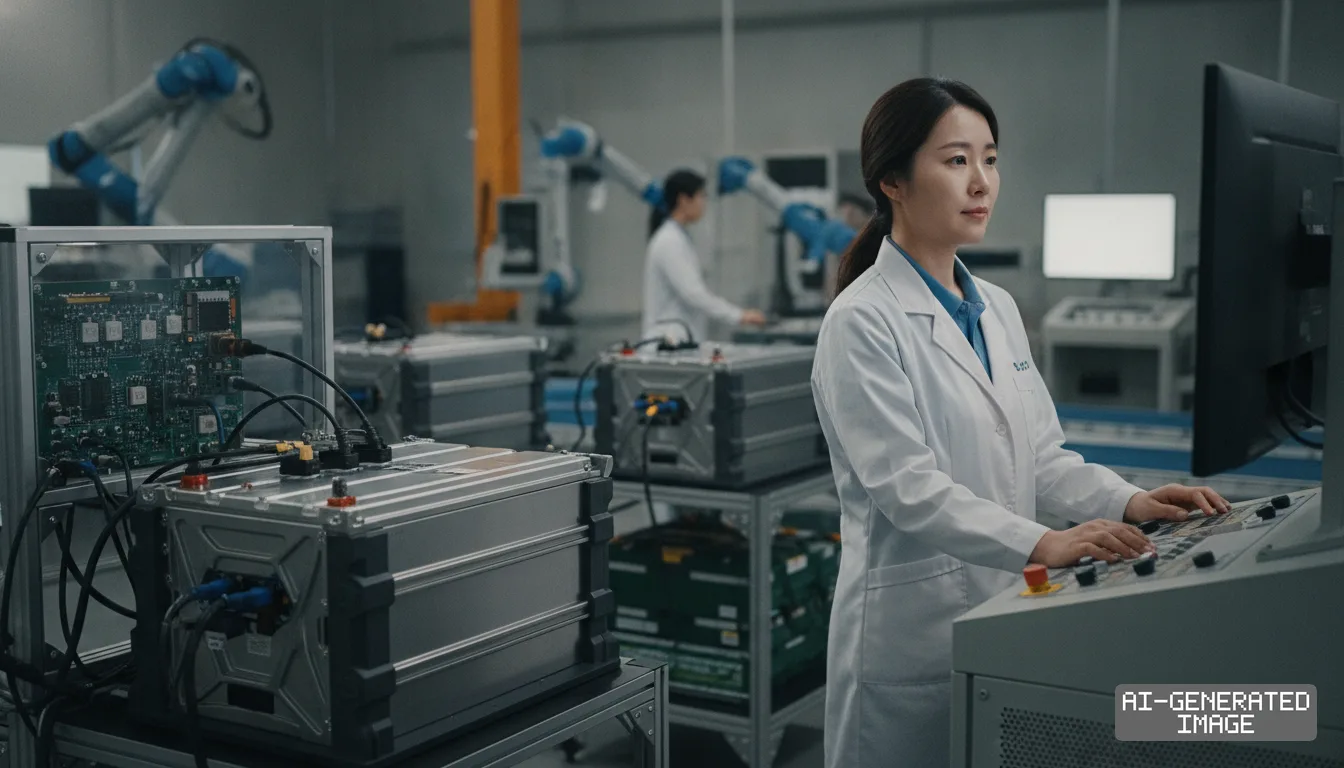
Each front-wheel-drive sedan carries a 74.69-kilowatt-hour lithium-ion pack from China's CATL, delivering 478 kilometers of range under Ministry of Trade, Industry and Energy certification. The pack accounts for roughly 35% of total factory production cost.
Pricing an electric vehicle below a comparable hybrid reverses standard automotive cost structures. High traction pack costs typically keep battery-electric vehicles 15% to 25% more expensive than internal combustion or gasoline-electric alternatives in South Korea.
Lexus Korea Managing Director Manabu Konyama said the company set the price to lower barriers for drivers unfamiliar with battery power. The brand opened pre-orders on Sept. 14 before detailing specifications on Oct. 13 in Seoul.
The executive sedan marks the eighth generation of the ES nameplate, which launched in 1989 and entered South Korea in 2001. The nameplate accounts for more than 65% of cumulative Lexus sales across the country.
The electric drivetrain generates 227 horsepower through a single front motor, returning an energy efficiency rating of 6.0 kilometers per kilowatt-hour. That efficiency rating matches top performers in the mid-size luxury class.
CATL captures the exclusive cell mandate for the ES electric line, supplying prismatic cells paired with a 400-volt charging architecture. The system supports 150-kilowatt direct-current fast charging, filling 10% to 80% capacity in 28 minutes at 25 degrees Celsius.
The supply contract gives the Chinese cell maker a foothold in South Korea's premium executive car tier. Domestic rivals LG Energy Solution, Samsung SDI and SK On currently control roughly 78% of the country's installed passenger vehicle battery capacity.
The Korean cell manufacturers have traditionally dominated domestic luxury assembly and European import contracts. CATL's entry through Toyota Motor expands Chinese battery content beyond urban runabouts and commercial delivery vans into the corporate commuter segment.
Upper trims stretch the lineup across five electric grades. The rear-biased all-wheel-drive ES 500e Premium starts at 77.0 million won ($57,000), while the range-topping ES 500e Luxury commands 84.9 million won ($62,900) before options.
The ES 500e incorporates dual electric motors delivering 347 combined horsepower through an all-wheel-drive torque distribution system. The configuration achieves a certified range of 435 kilometers and an efficiency rating of 5.3 kilometers per kilowatt-hour.
Lexus built both variants on a modified GA-K platform engineered to support battery enclosures without reducing cabin room. The architecture isolates road vibration while protecting the floor-mounted CATL pack against side impacts.
Direct rivals in Seoul face immediate price pressure in the 70-million-won sedan class. The Genesis Electrified G80 starts at 82.9 million won ($61,400), relying on high-nickel cells from SK On with 427 kilometers of certified range.
Mercedes-Benz and BMW also price their imported electric sedans higher. The Mercedes-Benz EQE 350+ starts above 100 million won ($74,100), while the BMW i5 eDrive40 carries an opening sticker price of 93.9 million won ($69,600).
The ES 350e enters the market without central government purchase subsidies. The Ministry of Environment set the national incentive to zero won after excluding Toyota Motor Korea from its 2026 clean vehicle distribution operator program.
The vehicle remains eligible for municipal tax breaks, including a 1.4 million won ($1,040) acquisition tax deduction. Even without government cash allowances, the base model undercuts competing foreign electric sedans by more than 20 million won ($14,800).
To cushion depreciation concerns, Lexus Korea extended its residual-value installment program to battery models. The contract guarantees 50% residual value after three years, which equals 35.8 million won ($26,500) for the base ES 350e Premium.
The financing plan lowers initial ownership costs to monthly payments of roughly 420,000 won ($310) after a 30% advance deposit. Lexus also backs the high-voltage pack with a warranty covering 10 years or 200,000 kilometers.
The four hybrid grades in the lineup feature Toyota's sixth-generation powertrain, with the ES 350h Premium starting at 72.9 million won ($54,000). The hybrid lineup tops out at 80.8 million won ($59,900) for the all-wheel-drive Luxury trim.
Showrooms began processing deliveries under a three-to-four-month allocation window secured during September pre-orders. Lexus is running customer test-drive programs at brand spaces in Seoul and Jeju to support the handover schedule.
The Ministry of Environment plans to review municipal eligibility guidelines for corporate EV subsidy allocations on Dec. 15. The Ministry of Trade, Industry and Energy will update its public charging reliability criteria by Jan. 10.
Toyota Motor Korea issued no regulatory filings or press releases on Nov. 10, tracking previous Oct. 13 specifications. Lexus has not disclosed whether CATL supplies nickel-manganese-cobalt or lithium iron phosphate chemistry inside the 74.69-kilowatt-hour pack.
Impact map
How this development propagates across the region and out to global buyers.
| Event | Korea | China | Japan | Global impact |
|---|---|---|---|---|
| Lexus ES EV Korea entry | LG Energy Solution and Samsung SDI face CATL pricing pressure in executive sedan segment | CATL expands EV cell supply into Toyota Motor's top-selling Korean luxury line | Toyota Motor cuts EV entry price below hybrid using imported Chinese batteries | Premium EV price floor falls as Chinese cells penetrate overseas executive sedans |
In this story
- Companies
- Toyota MotorContemporary Amperex Technology
- Tickers
- 7203.T300750.SZ
- Exposed
- LG Energy SolutionSamsung SDISK On
- Policy
- Subsidies
- Impact
- PricingSupply ChainCost Structure
Track every Subsidies development →
Related briefings
- CATL targets 2027 pilot output for all-solid-state batteries Also on Toyota Motor, SK On, Contemporary Amperex Technology
- CATL confirms 2027 solid-state battery pilot for premium EVs Also on Toyota Motor, SK On, Contemporary Amperex Technology
- Changan and CATL Expand 75 GWh Cell Hub and Solid-State Line Also on Toyota Motor, Contemporary Amperex Technology, Samsung SDI
- BYD targets 2027 solid-state battery debut in luxury fleet Also on Toyota Motor, Contemporary Amperex Technology, Samsung SDI
Sources
Reporting
Confidence: medium — how we grade this
The documents behind this briefing are linked above. East Asia Brief produces its English text with AI assistance under human editorial review, and does not translate or republish other outlets' articles. See our methodology and AI policy. Spotted an error? Tell us.
The Morning Brief
What changed in Korean, Chinese and Japanese industry overnight — and what it means for your supply chain. One email, weekday mornings, US time. Free.
The Morning Brief is in preparation. Leave your address and we will write to you once — when the first issue is ready. Nothing before that.