Chery Automobile unveils 1.44MW Volt-Dragon charging system
The liquid-cooled charging architecture delivers 500 kilometers of range in five minutes, setting a commercial rollout across 10 Chinese cities by late 2026.
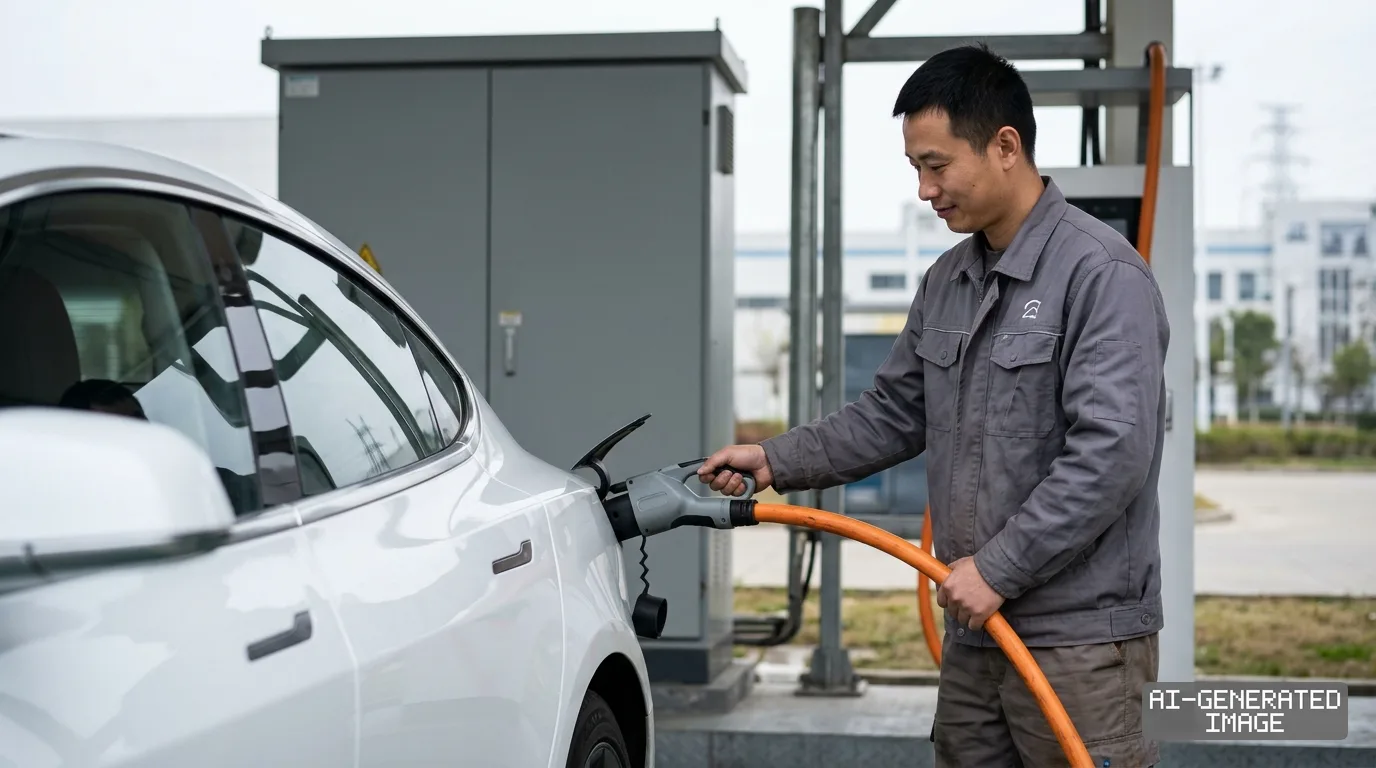
Chery Automobile unveiled its 1.44-megawatt Volt-Dragon ultra-fast charging system on Oct. 20, 2026, advancing China's push into megawatt-scale passenger vehicle infrastructure.
The state-owned automaker announced the architecture at its Global Innovation Conference in Wuhu, Anhui province. The system delivers a peak charging output of 1,440 kilowatts and a maximum current of 1,500 amperes. Chery said the charger adds 500 kilometers (311 miles) of driving range in five minutes at room temperature, while moving a battery from a 10% state of charge to 97% in 6 minutes and 50 seconds.
The announcement accelerates an infrastructure race among Chinese electric vehicle manufacturers seeking to bypass 400-volt and standard 800-volt limitations. Chery's 1.44-megawatt peak output places it directly behind Contemporary Amperex Technology Co. Limited (CATL), whose third-generation Shenxing battery records a 10% to 98% charge in 6 minutes and 27 seconds. It outpaces BYD's Blade Battery 2.0 and Geely Automobile's Golden Brick battery, which require eight to nine minutes for equivalent charges.
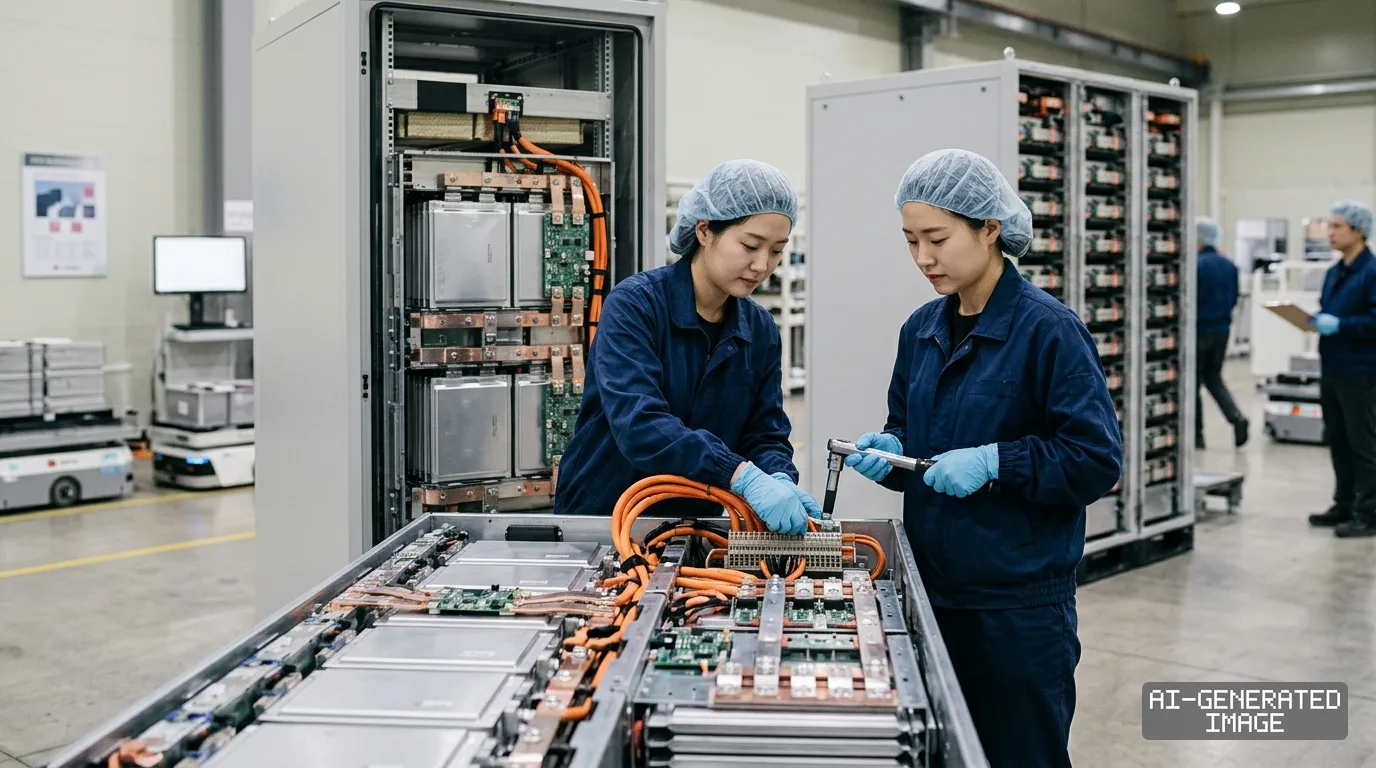
Managing 1,500 amperes without destructive thermal buildup requires fundamental revisions to charging hardware and battery thermal management. Chery deployed immersion liquid cooling inside the charging dispenser and cable assembly, submerging conductive components directly in dielectric coolant fluid. The design maintains operating noise below 50 decibels and limits the weight of the charging gun and liquid-cooled cable to under two kilograms.
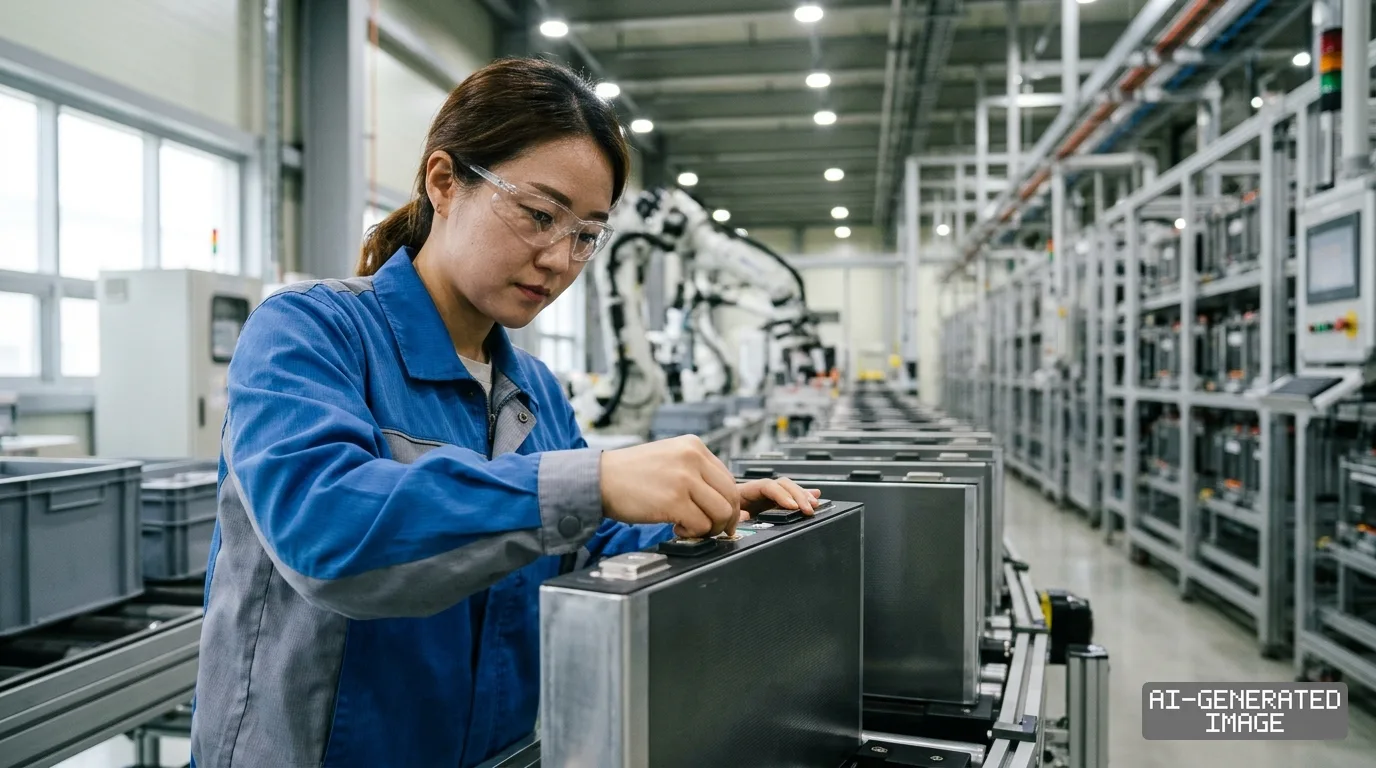
Power electronics inside vehicle platforms must undergo parallel redesigns to tolerate megawatt-class input. Chery developed its proprietary Ziwei S1500 silicon carbide power semiconductors, engineered for operating voltages up to 1,500 volts. The components deliver a peak efficiency of 99.6% and withstand junction temperatures of 200 degrees Celsius, reducing conduction losses as charging currents spike. Dynamic power regulation links directly to CheryMind, an in-house artificial intelligence model running algorithmic power dispatch across vehicle batteries and the grid.
The technology shift directly affects suppliers of thermal management equipment, high-voltage silicon carbide power modules and busbar assemblies. Geely has already deployed a 2.25-megawatt charger prototype, while BYD operates more than 4,200 ultra-fast charging stations across China. Standard charging stations operating at 120 kilowatts to 360 kilowatts face accelerated obsolescence on high-density transit corridors as Chinese original equipment manufacturers anchor procurement around 1,000-volt-plus architectures.
Local distribution grids face severe surge loads when high-amperage dispensers operate simultaneously. Chery paired the Volt-Dragon charger with bidirectional vehicle-to-grid capabilities, deploying local battery energy storage systems and solar arrays to cushion the transmission interface. The on-site storage units discharge during active charging cycles to prevent local substations from absorbing 1.44-megawatt demand spikes directly from the municipal grid.
Chery plans to break ground on its initial vehicle-to-grid pilot network before the end of 2026, building 100 stations across 10 cities including Shanghai, Hefei, Guangzhou and Wuhu. The automaker scheduled the commercial vehicle debut of the Volt-Dragon charging and vehicle-to-grid compatibility for the pure-electric Fengyun A9 sedan in the first half of 2027. Chery established a target to deploy 20,000 megawatt-level vehicle-to-grid stations globally by 2029.
The conference disclosures left critical technical parameters unverified. Chery did not state the gross kilowatt-hour battery capacity of the test vehicle used to achieve the five-minute mark, nor did it cite the homologation testing cycle under which the 500-kilometer range was measured. The company has also not published performance data showing charging speed degradation under subzero ambient temperatures.
Sources
Reporting
The documents behind this briefing are linked above. East Asia Brief produces its English text with AI assistance under human editorial review, and does not translate or republish other outlets' articles. See our methodology and AI policy. Spotted an error? Tell us.
The Morning Brief
What changed in Korean, Chinese and Japanese industry overnight — and what it means for your supply chain. One email, weekday mornings, US time. Free.
The Morning Brief is in preparation. Leave your address and we will write to you once — when the first issue is ready. Nothing before that.