L&F logs 26.5 billion won operating loss on lithium writedowns
The Daegu cathode maker absorbed 42.6 billion won in raw material losses during the third quarter, turning negative despite a 34% jump in revenue.
L&F swung to a third-quarter operating loss of 26.5 billion won ($19.8 million) on Nov. 5, 2026, after falling lithium prices triggered steep inventory write-downs.
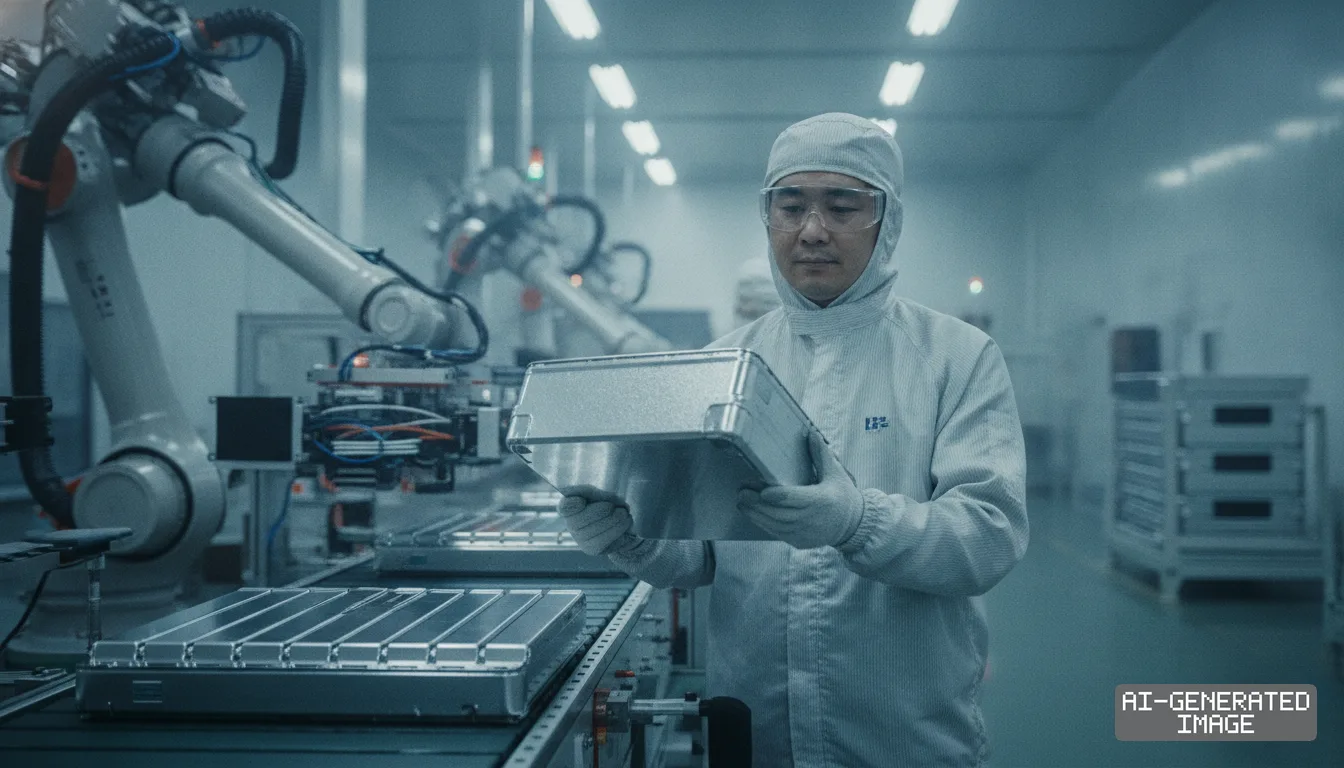
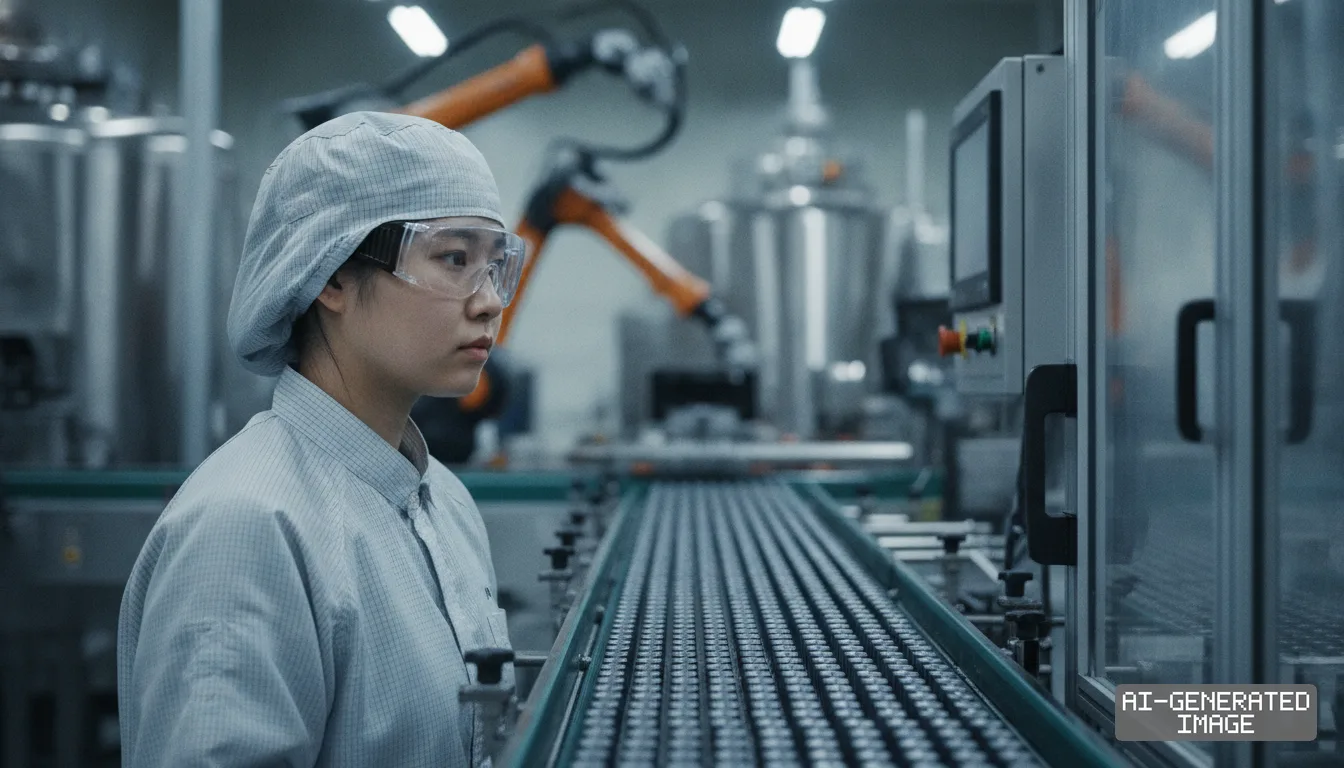
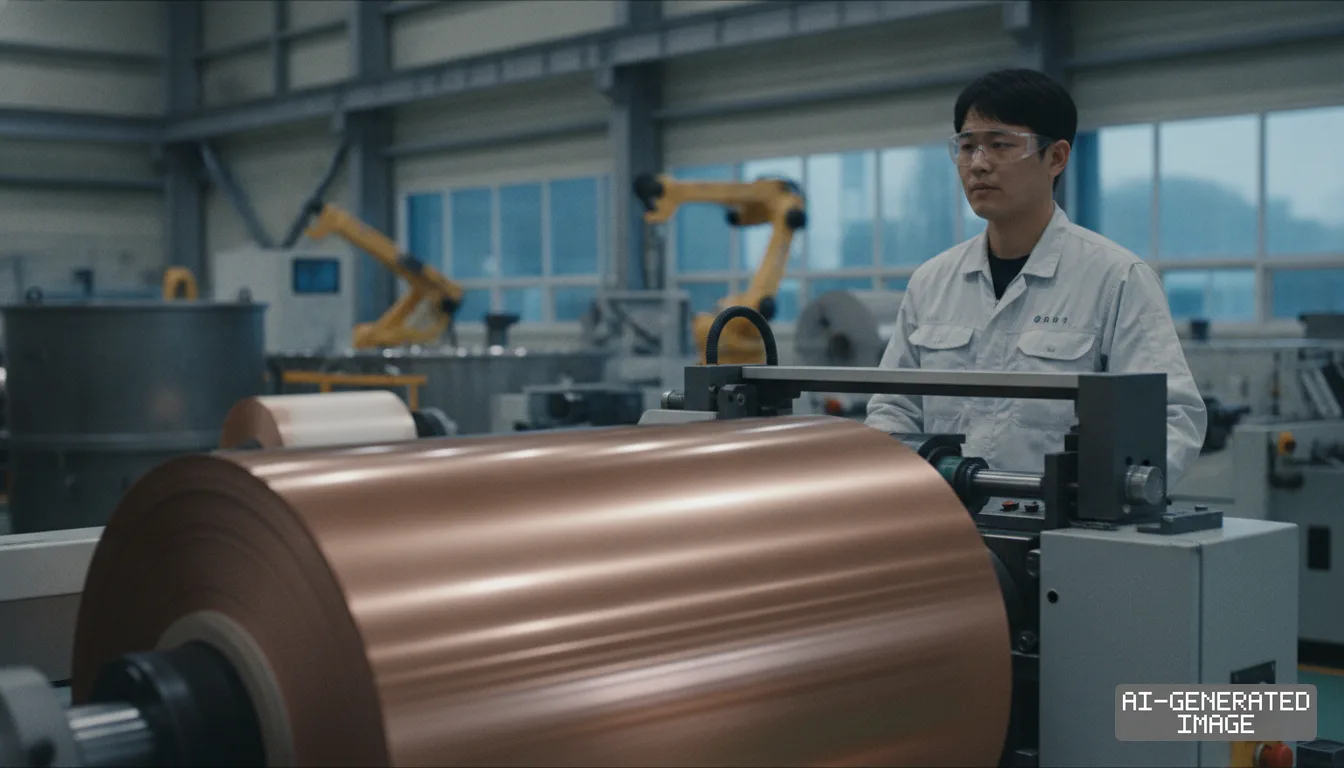
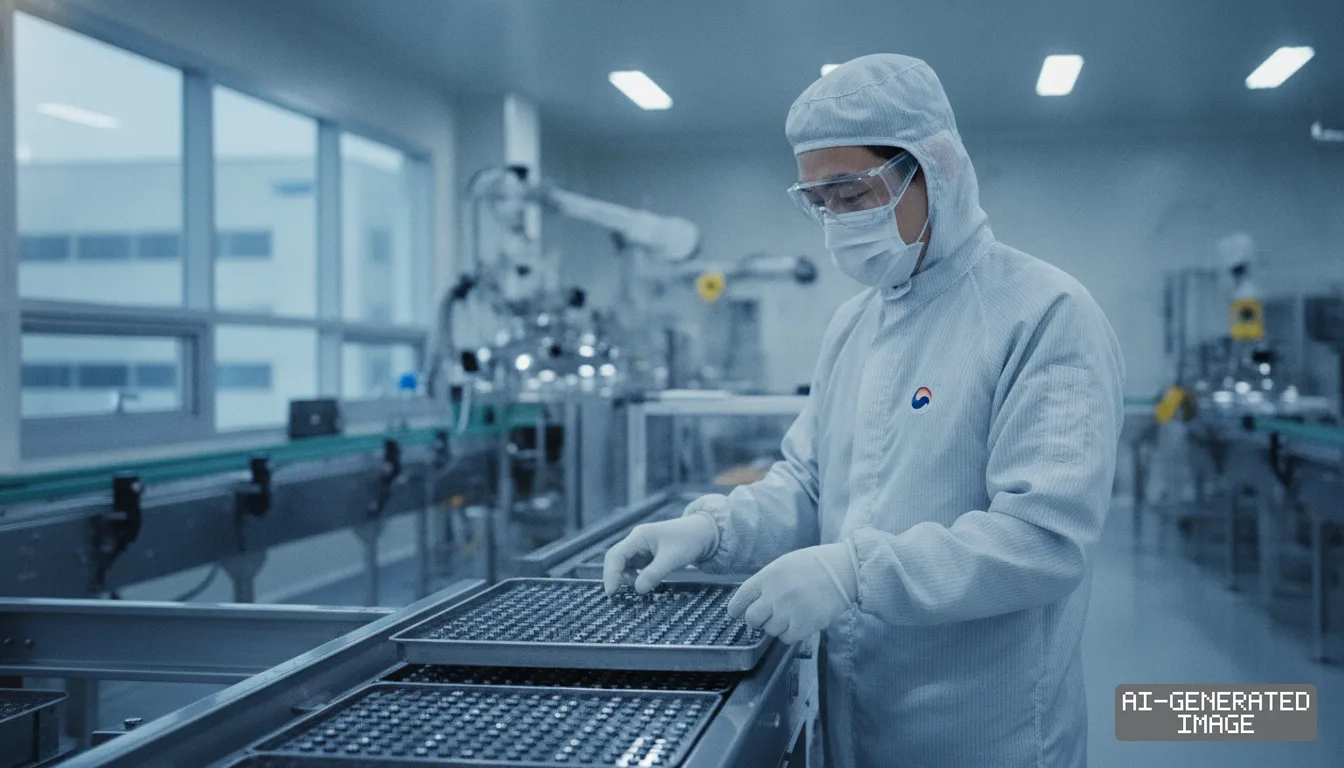
The Daegu-based cathode producer supplies active battery materials to cell manufacturers. Those battery makers process the metal powders into lithium-ion cells for electric vehicles and utility storage systems.
Revenue rose 34% from a year earlier to 874.4 billion won ($652 million). The top line expanded on higher shipment volumes of high-nickel cathode formulations.
The operating deficit reversed a profit of 22.1 billion won recorded during the same period in 2025. Net loss narrowed to 32.7 billion won from 118.3 billion won.
Inventory valuation losses reached 42.6 billion won during the quarter, the company said. That expense reflected the lag between purchasing expensive raw lithium and selling finished cathodes.
Cathode makers purchase metal feedstock months in advance of processing. When benchmark mineral prices tumble before product delivery, companies must write down the carrying value of warehouse inventory.
A strengthening South Korean won against the US dollar reduced operating margins further. Unfavorable currency adjustments erased roughly 22 billion won from third-quarter operating earnings, the company said.
Cumulative operating profit for the first nine months remained positive at 111.6 billion won. Higher sales volumes during earlier quarters cushioned the third-quarter balance-sheet hit, the company said.
Core production operations remained sound despite the headline deficit, the company said. Operating margins on nickel-cobalt-manganese cathode product lines held steady once non-cash inventory charges were excluded.
Shipments of nickel-cobalt-manganese formulations will increase about 40% this year to set an annual record, the company said. Rising demand for premium electric vehicle packs supported that volume.
The company forecast that fourth-quarter high-nickel shipments will reach a quarterly record. Exclusive supply deals for ultra-high-nickel cathode materials and expanded North American sales will drive that volume, the company said.
High-nickel shipments will expand by double digits next year to mark a second consecutive record, the company said. The company relies on premium formulations to offset raw material volatility.
Cylindrical 46-millimeter battery cells will account for roughly 40% of high-nickel shipments next year. The company expanded supply contracts for the wider cell format with North American automotive customers.
L&F is expanding into lithium iron phosphate — a cheaper chemistry that uses iron instead of nickel — to diversify its revenue. Chinese suppliers have long dominated that cathode segment.
The company completed its lithium iron phosphate cathode facility in Daegu in May. The plant provides non-Chinese materials to battery makers seeking compliance with Western trade standards.
Four multi-year supply contracts now anchor that low-cost product division. Those agreements cover roughly 100 gigawatt-hours of energy storage system batteries, the company said.
Battery maker SK On signed a three-year supply agreement on Sept. 17, 2026, to buy 160 billion won ($119 million) of third-generation iron phosphate cathodes from L&F.
SK On will consume the Daegu materials at its domestic plant in Seosan and its cell factory in Georgia. The Seosan plant converts 3 gigawatt-hours of line capacity for storage products.
L&F forecast lithium iron phosphate cathode deliveries of 50,000 tons next year, rising above 60,000 tons in 2028. The four agreements secure more than 30,000 tons of additional annual supply capacity.
Upstream lithium carbonate benchmark prices dropped almost 90% from late-2022 highs. South Korean cathode producers holding high-cost mineral stock suffered recurring inventory write-downs throughout this calendar year.
Domestic rivals POSCO Future M and EcoPro BM faced similar inventory write-downs. Operating profits across the South Korean cathode sector fell as raw material price deflation compressed contract processing spreads.
L&F is managing working capital by tightening raw material intake schedules. The company seeks to reduce warehouse dwell times to insulate quarterly margins from sudden spot metal swings.
L&F will submit its formal third-quarter financial report with reviewed external auditor statements before South Korea's statutory filing deadline in mid-November 2026.
The preliminary filing does not disclose audited balance-sheet items, and the company has not published the full breakdown of production costs at its individual cathode plants.
Management scheduled investor briefings across the fourth quarter of 2026 to present updated delivery timetables for its North American energy storage cell customers.
Impact map
How this development propagates across the region and out to global buyers.
| Event | Korea | China | Japan | Global impact |
|---|---|---|---|---|
| Lithium price drop and L&F earnings swing | L&F absorbs 42.6 billion won inventory write-down, swings to 26.5 billion won operating loss | Upstream lithium carbonate refiners maintain downward pressure on export pricing spreads | Cathode competitors face reduced bidding margins against South Korean LFP alternatives | Battery cell manufacturers absorb lower cathode prices while ESS procurement diversifies |
In this story
- Tickers
- 066970.KS
- Exposed
- SK OnPOSCO Future MEcoPro BM
- Policy
- Local Content Rules
- Impact
- PricingCost StructureOrder Book
Track every Local Content Rules development →
Related briefings
- South Korea Expands Advanced Battery Tax Credits to Rebalance Domestic Fabs Also on EcoPro BM, POSCO Future M, SK On
- POSCO Future M plans domestic LFP precursor supply by 2029 Also on EcoPro BM, POSCO Future M, SK On
- Korean cathode makers retool production lines for LMFP chemistry as price war spreads Also on EcoPro BM, POSCO Future M, Pricing
- Korean cathode makers automate single-crystal calcination lines to secure yields Also on EcoPro BM, POSCO Future M, Cost Structure
Sources
Reporting
Confidence: medium — how we grade this
The documents behind this briefing are linked above. East Asia Brief produces its English text with AI assistance under human editorial review, and does not translate or republish other outlets' articles. See our methodology and AI policy. Spotted an error? Tell us.
The Morning Brief
What changed in Korean, Chinese and Japanese industry overnight — and what it means for your supply chain. One email, weekday mornings, US time. Free.
The Morning Brief is in preparation. Leave your address and we will write to you once — when the first issue is ready. Nothing before that.