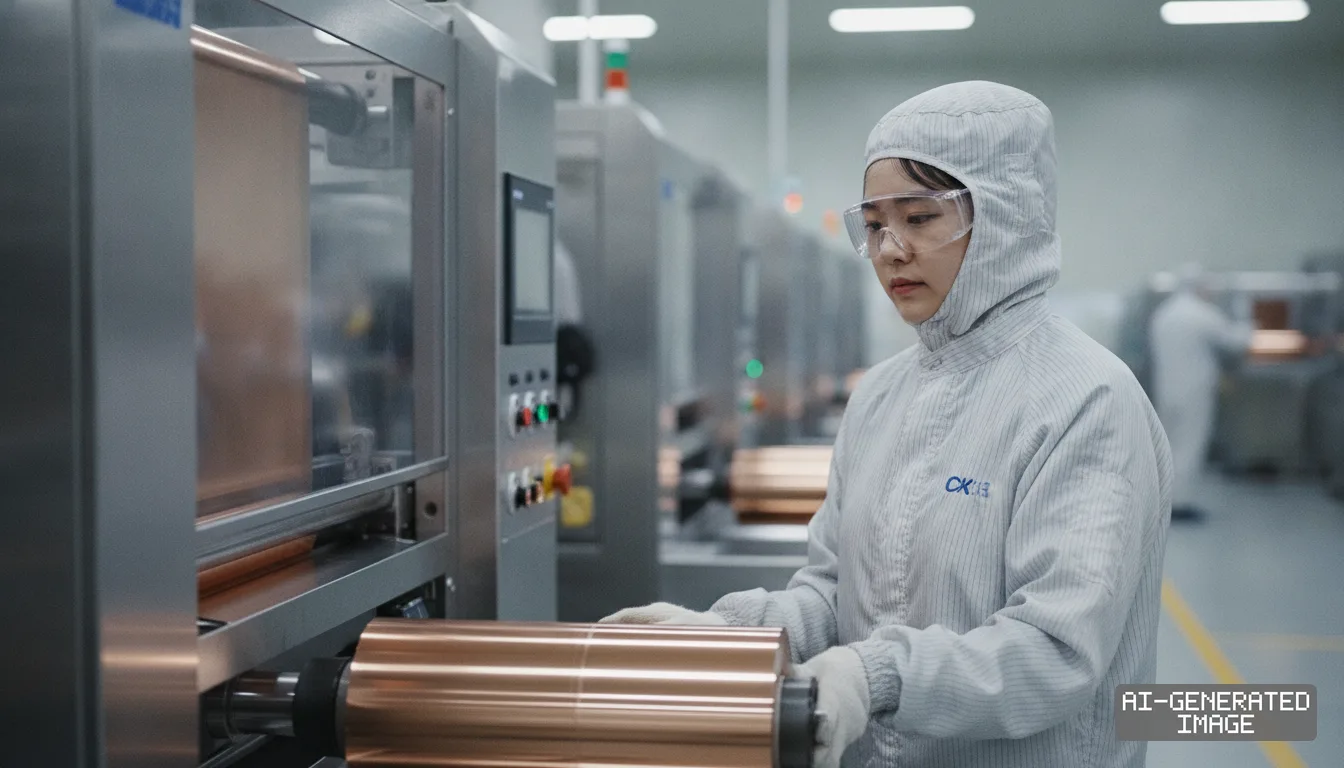
BYD apologizes for reversed wheel rim defect on 2026 Da Tang SUV
The automaker reset warranties after factory assembly placed nine-inch rear rims on the front axle and eight-inch rims on the rear axle.
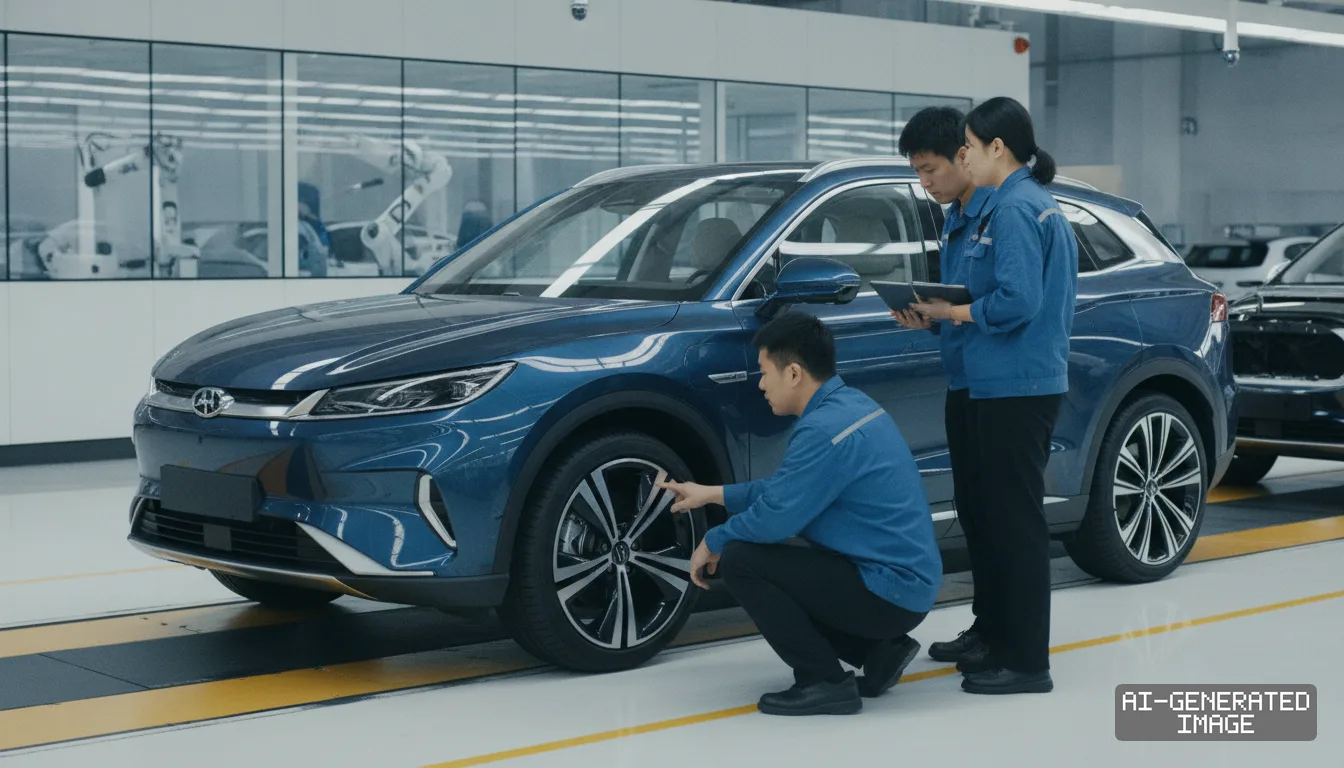
BYD Auto issued an official apology on Nov. 11, 2026, after identifying reversed front and rear wheel rims on its 2026 Da Tang electric sport utility vehicle.
The mismatch inverted factory specifications on vehicles fitted with 20-inch wheels, placing nine-inch-wide rear rims on the front axle and eight-inch front rims on the rear axle.
Standard factory engineering pairs an eight-inch-wide front rim with 255/50R20 tires and a nine-inch-wide rear rim with 275/45R20 tires to support front steering response and rear traction.
Mounting the specified tires on reversed rims altered sidewall geometry, seating the narrower front tire on a wider rim and squeezing the wider rear tire into a narrower channel.
BYD published its statement on its official Weibo social media account at 12:31 local time on Nov. 11, 2026, detailing the mechanical findings.
The carmaker attributed the mechanical discrepancy to an input coding error at subassembly supplier Hubei Boyu Industrial Co., Ltd., the company said.
Technicians at Hubei Boyu entered incorrect part identification codes during subassembly preparation, causing logistics barcodes to mislabel the pre-assembled wheel units.
Automated line carriers routed the misidentified assemblies to incorrect vehicle staging positions, allowing inverted rim sets to clear inbound assembly checks undetected.
BYD said engineering evaluations determined the inverted rim configuration did not compromise mechanical steering control or active chassis stability during normal operational road tests.
The carmaker halted dispatches of affected production batches and corrected internal coding tables immediately after identifying the assembly failure, the company said.
Hubei Boyu deployed optical machine-vision inspection stations along its wheel subassembly lines to cross-verify rim stamping codes against physical tire widths before delivery, BYD said.
BYD announced free dealership inspections and full rim replacements for all confirmed vehicles, alongside complimentary loaner transport or daily transit allowances during repairs.
The carmaker also reset the complete vehicle warranty back to zero effective Nov. 11, 2026, for every customer whose vehicle carried mismatched wheel components.
Resetting the baseline coverage provides owners with renewed factory warranty protection across the battery pack, electric drive unit and structural chassis systems.
The official statement does not state the total number of vehicles affected or the production batch codes involved in the assembly mismatch.
The State Administration for Market Regulation has not published a formal mandatory recall docket for the Da Tang EV as of Nov. 11, 2026.
The incident highlights operational bottlenecks in rapid production scaling, where high vehicle assembly volumes test quality verification protocols across automotive tier-one suppliers.
Modern automated assembly plants rely on barcode scanning to synchronize just-in-time delivery carts with vehicle chassis moving along continuous conveyor lines.
When digital inventory tags carry incorrect dimensions, optical scanners confirm barcode matches without detecting physical component dimensional errors.
Coding lapses at supplier subassembly plants can bypass factory checks when differing components share identical hub bolt patterns and center bore diameters.
The supplier error coincides with an aggressive regulatory campaign across China targeting manufacturing consistency and consumer safety standards in new-energy vehicles.
China's Ministry of Industry and Information Technology joined the market regulator and two other central agencies on Aug. 27, 2026, to launch nationwide production consistency inspections.
That joint enforcement program inspects vehicle assembly plants and parts suppliers to ensure delivered commercial units match technical parameters registered during official type approvals.
Regulators have prioritized component conformity, unapproved software parameter modifications and battery pack variances as primary focus areas for compliance enforcement.
Under Chinese vehicle manufacturing regulations, delivering vehicles that deviate from certified technical documentation exposes automakers to administrative fines and suspended model production permits.
Regulatory scrutiny over vehicle durability and safety validation reached a new threshold on Nov. 10, 2026, as the public comment window closed on draft vehicle verification standards.
The proposed regulation drafted by the industry ministry mandates at least 30,000 kilometers of real-world road endurance testing for all new electric vehicle platforms before commercial market launch.
The draft rules also require carmakers to complete a full year of extreme environmental validation, spanning cold-weather winter testing, high-temperature evaluations and high-altitude alpine proving grounds.
Those validation requirements aim to rein in compressed vehicle development cycles, where domestic electric vehicle makers bring new models from initial concept to commercial assembly in under 18 months.
Shortened engineering timelines have increased reliance on tier-one component vendors for pre-assembly quality certification, shifting compliance risks upstream into supplier supply chains.
For specialized component suppliers like Hubei Boyu, mandatory machine-vision verification protocols and tightened traceability audits require increased capital expenditure for factory automation lines.
Stricter regulatory enforcement also increases warranty provisioning costs across Chinese automakers as regulators pressure companies to resolve assembly defects before formal recall mandates trigger.
The Ministry of Industry and Information Technology is scheduled to review submitted public feedback on the road validation standard before publishing formal administrative execution dates.
Impact map
How this development propagates across the region and out to global buyers.
| Event | Korea | China | Japan | Global impact |
|---|---|---|---|---|
| BYD Da Tang wheel assembly error | Hyundai Motor and Kia monitor Chinese assembly consistency rules | BYD absorbs warranty resets, Hubei Boyu installs vision inspection tools | Toyota and Honda review tier-one subassembly barcode protocols | Tier-one automotive suppliers face higher optical inspection capex |
In this story
- Companies
- BYD
- Tickers
- 002594.SZ1211.HK
- Exposed
- Hubei Boyu Industrial
- Policy
- Standards
- Impact
- ComplianceSupply Chain
Track every Standards development →
Related briefings
- BYD secures Australian import approval for Ti 7 hybrid SUV Also on Standards, BYD, Compliance
- CATL warns EV price war compromises battery safety standards Also on Standards, BYD, Compliance
- LG and Samsung SDI schedule 2027 launch for data center LFP cells Also on Standards, BYD
- CATL adds four Chinese cities to municipal bus swapping network Also on Standards, BYD
Sources
Primary documents
Reporting
Confidence: high — how we grade this
The documents behind this briefing are linked above. East Asia Brief produces its English text with AI assistance under human editorial review, and does not translate or republish other outlets' articles. See our methodology and AI policy. Spotted an error? Tell us.
The Morning Brief
What changed in Korean, Chinese and Japanese industry overnight — and what it means for your supply chain. One email, weekday mornings, US time. Free.
The Morning Brief is in preparation. Leave your address and we will write to you once — when the first issue is ready. Nothing before that.