Musk Yields to TSMC on Operating Control of $119B Terafab Plant
Tesla's Texas chip campus talks resume after Musk eased demands for in-house control, leaving Intel's 14A role and 2028 production plans still unresolved.
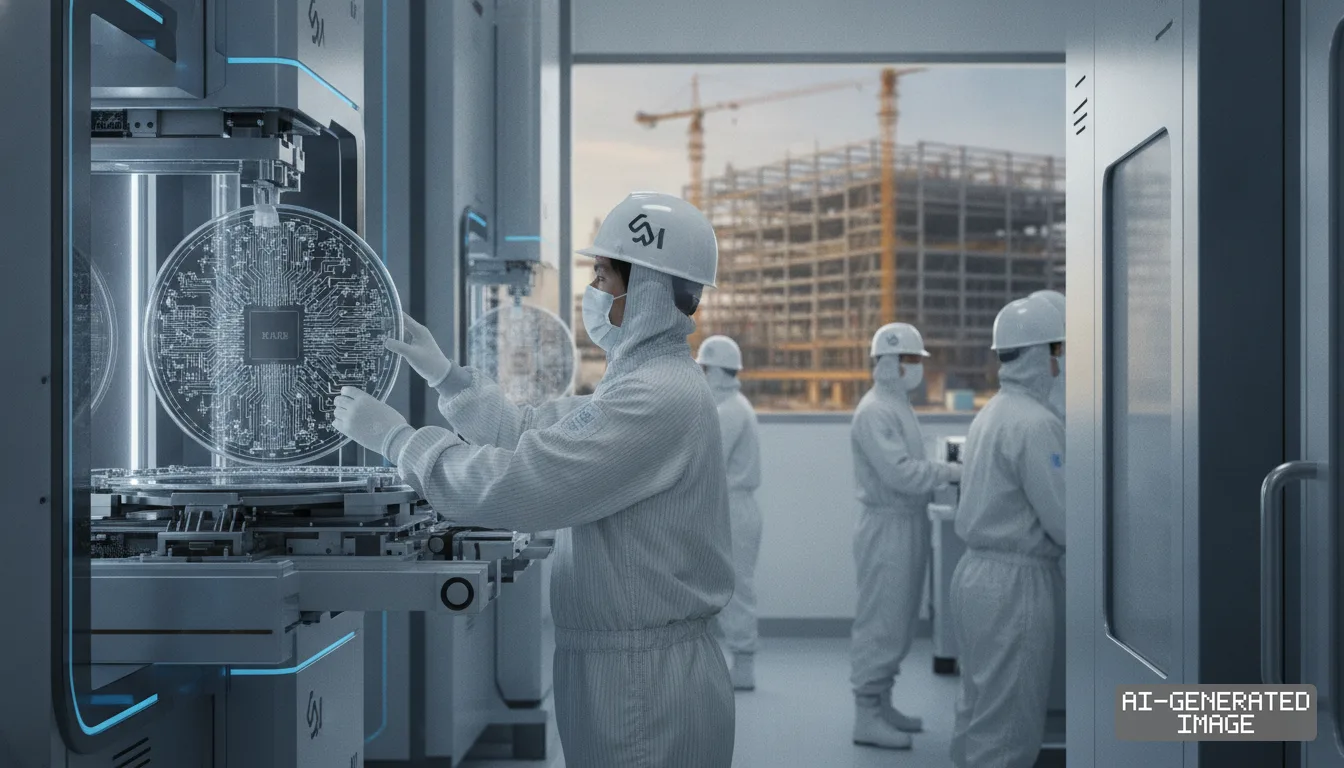
Tesla CEO Elon Musk reopened negotiations with Taiwan Semiconductor Manufacturing Co. on Nov. 2, 2026 to discuss operational terms for the carmaker's planned Terafab chip campus in Texas.
The project in Grimes County carries an estimated $119 billion capital cost across four buildout phases. Tesla and Space Exploration Technologies Corp. committed roughly $16.8 billion to the initial phase in August.
Earlier talks stalled over operational authority. Musk stated on Oct. 7 that his companies would build and run the fab directly, limiting outside foundries to leasing surplus space.
TSMC Chairman C.C. Wei countered that position during an earnings call on Oct. 15. Wei confirmed site visits to Texas but stated that any facility deploying TSMC production processes must be operated by TSMC.
The revised discussions indicate that Musk has softened his insistence on internal manufacturing, supply chain reports said on Nov. 2. The shift allows TSMC to seek primary operating responsibility for the Texas cleanrooms.
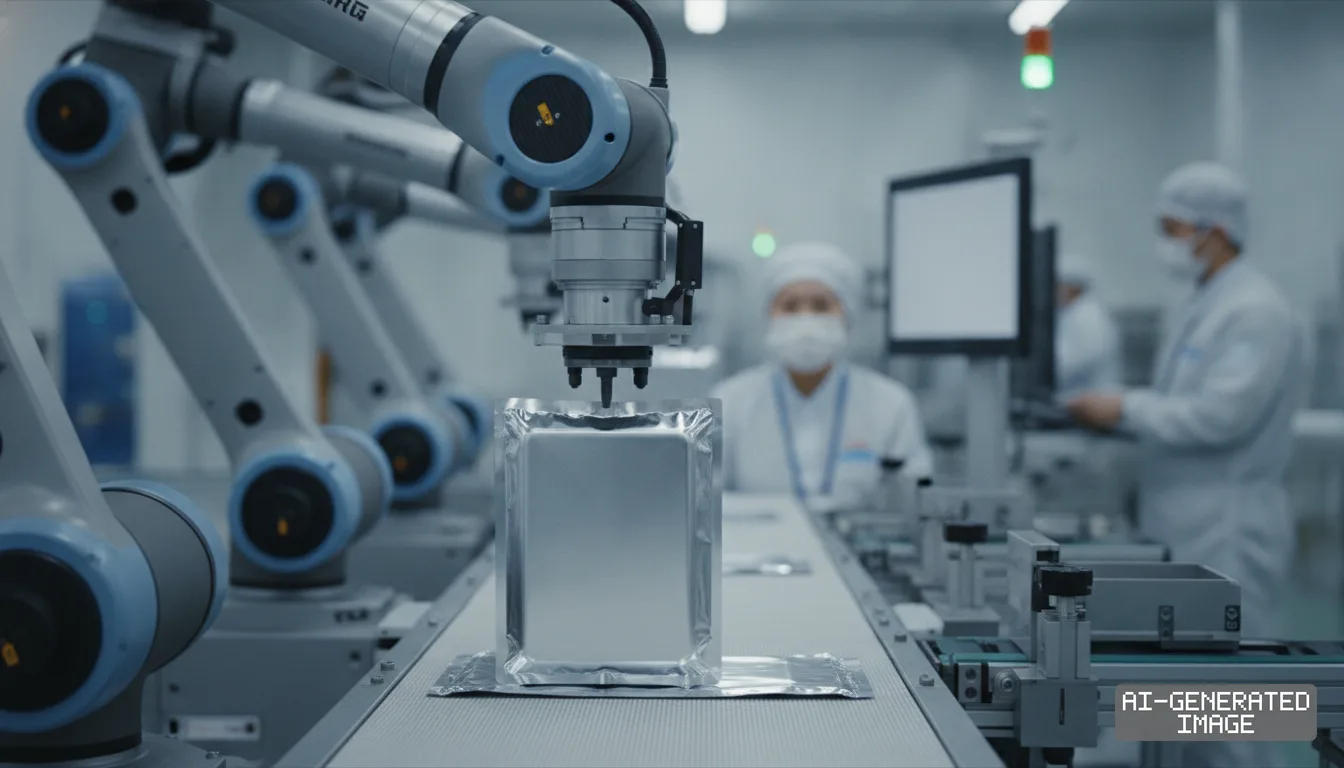
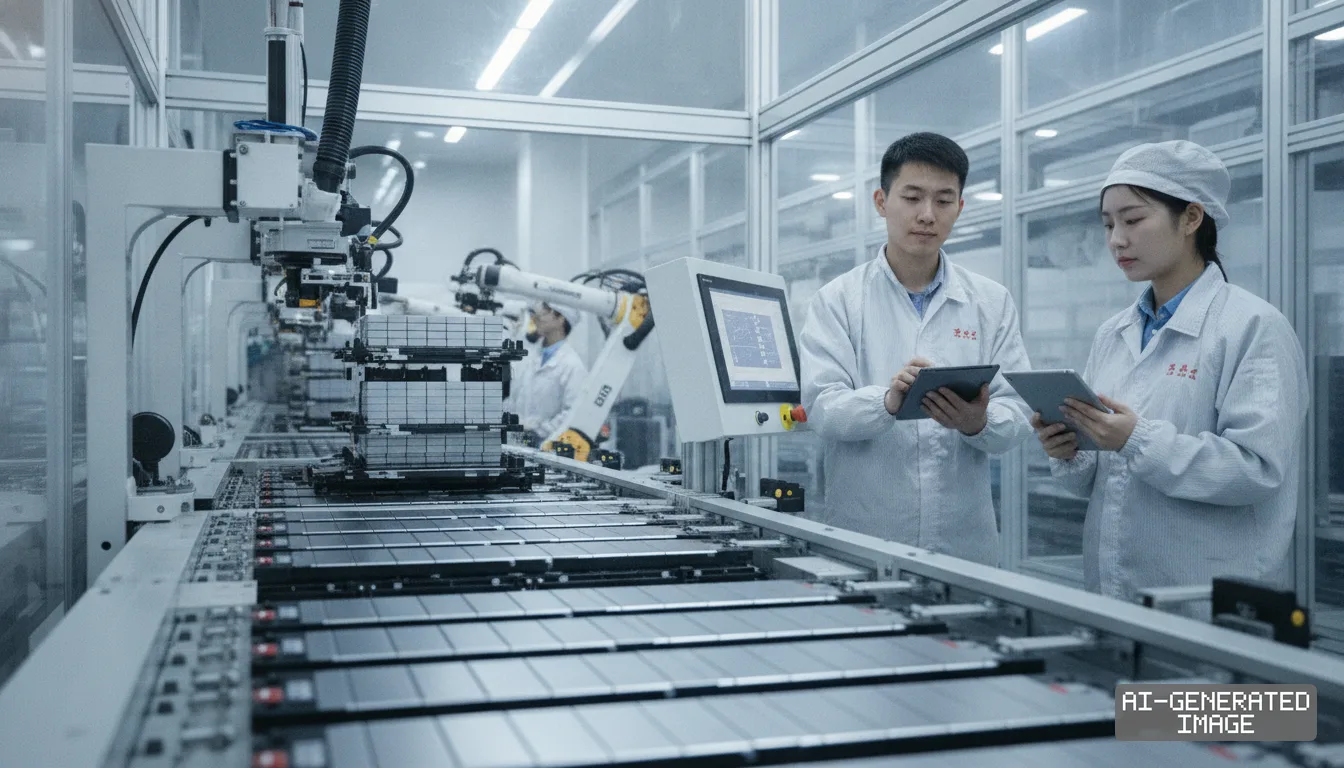
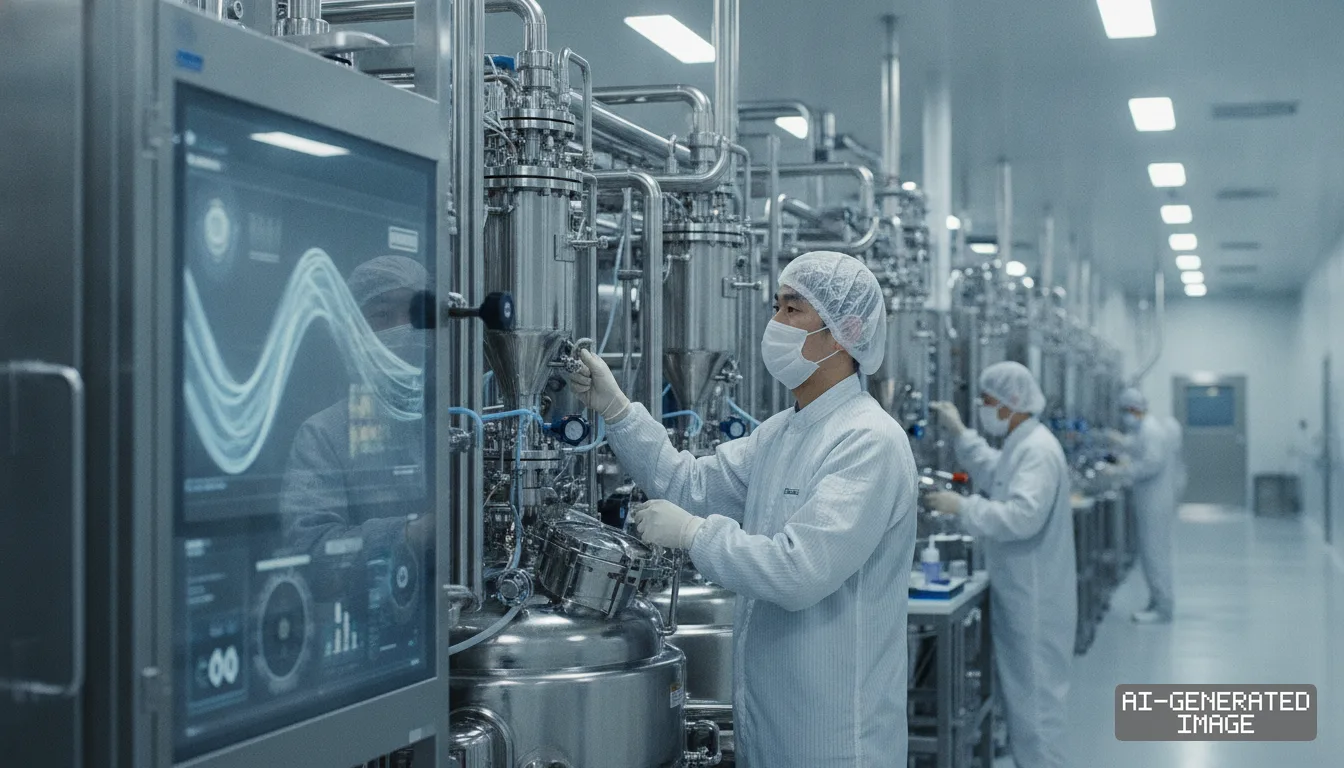
Building a leading-edge fabrication facility presents steep technical and balance sheet hurdles for automotive companies. Advanced lithography cleanrooms require specialized infrastructure that standard industrial developers rarely build.
TSMC budgeted $60 billion to $64 billion for capital expenditures in 2026 alone. The contract foundry expects outlays to expand through 2028 as it scales two-nanometer production lines.
Terafab aims to produce inference processors for Tesla autonomous vehicles and Optimus humanoid robots. Musk has targeted an eventual output of 1 million wafers per month.
That target matches the total monthly silicon wafer throughput of Samsung Electronics, the world's second-largest chipmaker. Reaching that volume without an experienced foundry partner poses severe execution hazards.
Intel Corp. remains an active partner on the site. Musk announced in April that Terafab would utilize Intel's 14A manufacturing process for proprietary logic devices.
The role Intel will retain if TSMC assumes day-to-day operations remains unaddressed. Intel CEO Lip-Bu Tan reaffirmed the chipmaker's engineering participation in October.
Equipment procurement adds further complexity to standalone operations. Photolithography systems from ASML Holding NV face tight allocation across global foundries through 2027.
TSMC commands priority delivery queues with core tool vendors. Commercial foundries secure volume delivery schedules that individual corporate clients cannot match on their own.
Advanced packaging presents an equally difficult barrier for proprietary fabs. AI processors rely on multi-die integration techniques like TSMC's chip-on-wafer-on-substrate packaging line.
Duplicating that packaging capability inside a proprietary plant would require billions in dedicated tooling. Handing cleanroom operations to TSMC would integrate Terafab directly into proven packaging workflows.
Tesla filed proxy materials on Oct. 29 describing Terafab as a vehicle to secure dedicated computing hardware. Those filings omitted specific contractual agreements with third-party foundries.
Tesla targets test silicon around May or June 2027 from its Austin prototype fab. Commercial volume production at the Grimes County complex is scheduled for late 2028.
Neither Tesla nor TSMC published regulatory filings confirming formal terms on Nov. 2, leaving the final operating structure unsettled.
Impact map
How this development propagates across the region and out to global buyers.
| Event | Korea | China | Japan | Global impact |
|---|---|---|---|---|
| Terafab foundry talks | Samsung foundry loses leverage as Tesla leans toward TSMC operational model | Mainland AI designers face wider compute hardware gap against US vertical fabs | Equipment vendors Tokyo Electron and Canon gain expanded US delivery orders | AI chip production remains anchored to TSMC 2nm and advanced packaging lines |
| Terafab foundry talks | Samsung foundry loses leverage as Tesla leans toward TSMC operational model | Mainland AI designers face wider compute hardware gap against US vertical fabs | Equipment vendors Tokyo Electron and Canon gain expanded US delivery orders | AI chip production remains anchored to TSMC 2nm and advanced packaging lines |
In this story
Track every Subsidies development →
Related briefings
- Elon Musk rejects TSMC Terafab deal, backing Intel 14A node Also on Intel, Tesla, TSMC
- TSMC Demands Full Fab Control as Musk Pursues Texas Terafab Also on Intel, Tesla, TSMC
- Tesla Retains Terafab Control, Limiting TSMC to Site Leases Also on Intel, Tesla, TSMC
- TSMC checks Musk on Texas fab control as AI chip demand grows Also on Intel, Tesla, TSMC
Sources
Primary documents
Reporting
Confidence: high — how we grade this
The documents behind this briefing are linked above. East Asia Brief produces its English text with AI assistance under human editorial review, and does not translate or republish other outlets' articles. See our methodology and AI policy. Spotted an error? Tell us.
The Morning Brief
What changed in Korean, Chinese and Japanese industry overnight — and what it means for your supply chain. One email, weekday mornings, US time. Free.
The Morning Brief is in preparation. Leave your address and we will write to you once — when the first issue is ready. Nothing before that.